Historical background: how Turkey met the racket
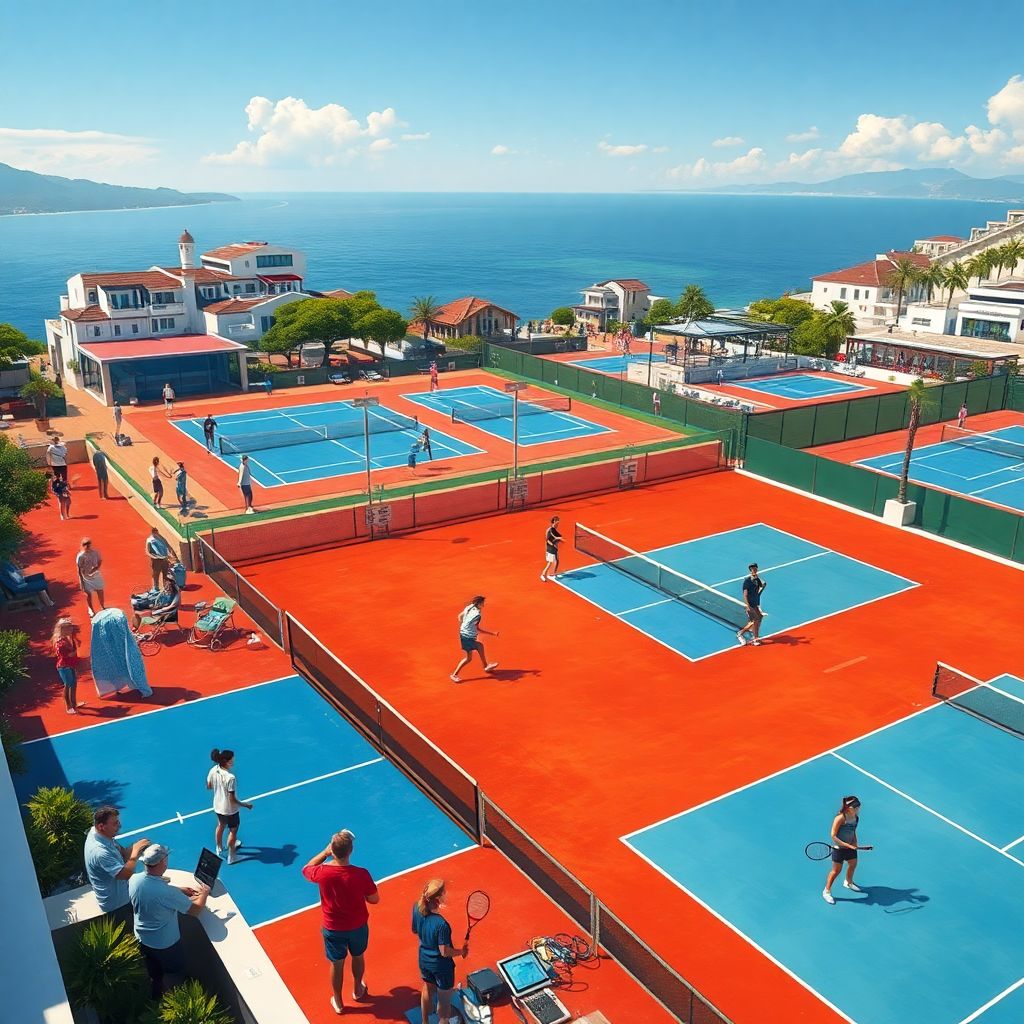
Before anyone googled tennis holidays in Turkey, the game here lived in small expat clubs in Istanbul and Izmir, almost hidden behind football and basketball. Real change started when Antalya and Belek built massive resort zones in the 1990s: clay courts appeared as a side attraction for golf guests, then slowly turned into a stand‑alone product. Hosting ITF Futures, Challenger events and junior tournaments gave local coaches experience, but the country never pushed for a clear national tennis tourism strategy, so growth stayed fragmented and depended on a few bold hotel owners.
Turkey has one more asset that’s rarely used properly: geography. The Mediterranean coast offers an outdoor season from February to mid‑November, which is gold for northern Europeans escaping the cold. Yet instead of building a layered ecosystem — academies, public courts, city leagues, university teams — many regions jumped straight to resort courts. To become a real tennis tourism powerhouse, Turkey now needs to stitch together these isolated islands of infrastructure into corridors where amateurs, juniors and pros can all find suitable playing and competition options.
Basic principles: what a tennis powerhouse really needs
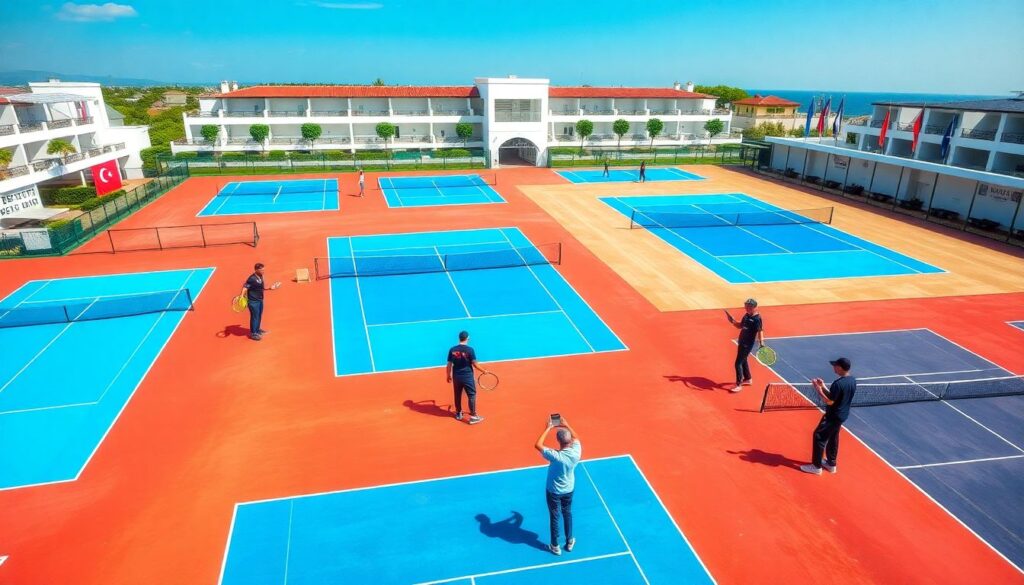
If Turkey wants to move from “nice add‑on at the hotel” to serious hub, it should treat tennis like a full journey, not a poolside activity. First, courts must be diverse: quality clay, fast and medium hard, a few grass or artificial grass to stand out. Second, coaching has to be multilingual and certified; tourists expect clear progress, not just ball feeding. Third, logistics are critical: short airport transfers, racket stringing, physio on call, plus easy booking apps that work in several languages and time zones.
To stay practical, Turkey can build its tennis future around three simple rules: 1) Think “ecosystem”, not “court count”: connect hotels, clubs and academies in regional clusters. 2) Blend tourism with development: let locals and guests share events, ladders and mixers, instead of isolating visitors. 3) Package value, not discounts: smart Turkey tennis tourism packages should bundle coaching, match play, recovery, sightseeing and even digital content — recorded lessons, tactical breakdowns — so guests keep learning long after the flight home and become repeat visitors, not one‑off sunseekers.
Examples of implementation: from classic to experimental
The best tennis hotels in Antalya already hint at what’s possible. Many run spring pre‑season blocks for European clubs, mixing morning drills with afternoon match play, and that model works. Yet it’s still quite basic: standard sessions, similar formats, little local flavour beyond the buffet. To raise the bar, resorts can embed tennis into regional culture — sunrise drills followed by traditional Turkish breakfast, recovery in hammam, evening strategy talks on a terrace overlooking the sea, plus trips to local clubs for friendly interclub ties.
Some tennis resorts in Turkey all inclusive could pivot into “micro‑academies for a week”. Imagine you arrive, get a full assessment with video, fitness testing and injury screening, then receive a personalised program across clay and hard courts. Spin that further: hybrid tennis training camps Turkey for adults that mix tennis with trail running in the Taurus Mountains, Pilates by the beach and sports‑psychology workshops. Another underused angle is “remote‑worker tennis weeks”: strong Wi‑Fi, coworking space and scheduled sessions at fixed times, so digital nomads can work and train like semi‑pros.
Unconventional growth ideas: beyond sun and buffets
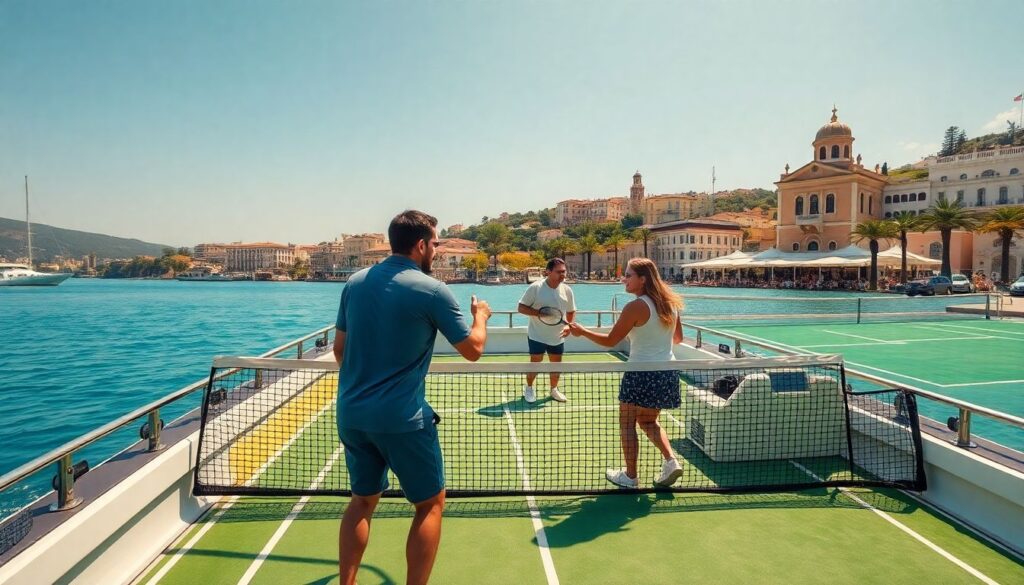
Turkey can also play with format, not just facilities. Why not rotating “tennis road trips” along the coast, where guests spend three nights in one city, then move to another resort by boat, playing different surfaces and meeting new sparring partners each stop? Or gamified leagues where visitors earn points, badges and rewards across multiple stays, turning repeat tennis holidays in Turkey into a long‑term quest. Tie those leagues to a mobile app that tracks stats, suggests drills and even matches travellers with compatible doubles partners before they arrive.
Another bold move: winter “pro‑am training labs”. Bring in touring pros during their off weeks to run experimental camps with small groups, testing new drills, tech and match formats. Turkey could sponsor wildcards or training grants in exchange for player involvement, placing itself at the intersection of high‑performance and leisure travel. Combining those labs with targeted Turkey tennis tourism packages — including physiotherapy, data analysis and maybe altitude training in Cappadocia or Erciyes — would create a product no other Mediterranean country currently offers at scale.
Common misconceptions and how to avoid them
One common myth says that building courts automatically brings players. In practice, empty complexes are easy to find. Without smart programming — ladders, socials, mixed‑level camps, kids’ events — a shiny base of ten courts is just expensive real estate. Another misconception: adults only want light drills and plenty of cocktails. Many travellers now chase measurable improvement; they’re happy to wake up early and grind, as long as the plan is tailored, progress is explained in plain language, and there’s still room for beach time and local food.
A second dangerous assumption is that “all‑inclusive means cheap, not premium”. In reality, tennis resorts in Turkey all inclusive can offer a high‑end experience if they shift focus from volume to detail: capped group sizes, specialised themes (serve week, clay tactics week), fitness screening on arrival. Relying solely on price wars with Spain or Croatia is risky; emphasising coaching quality, creative formats and unique surroundings is far more sustainable. When Turkey positions itself as the place where guests return home playing a level higher, the question stops being “can” and becomes “how fast” it turns into a tennis tourism powerhouse.