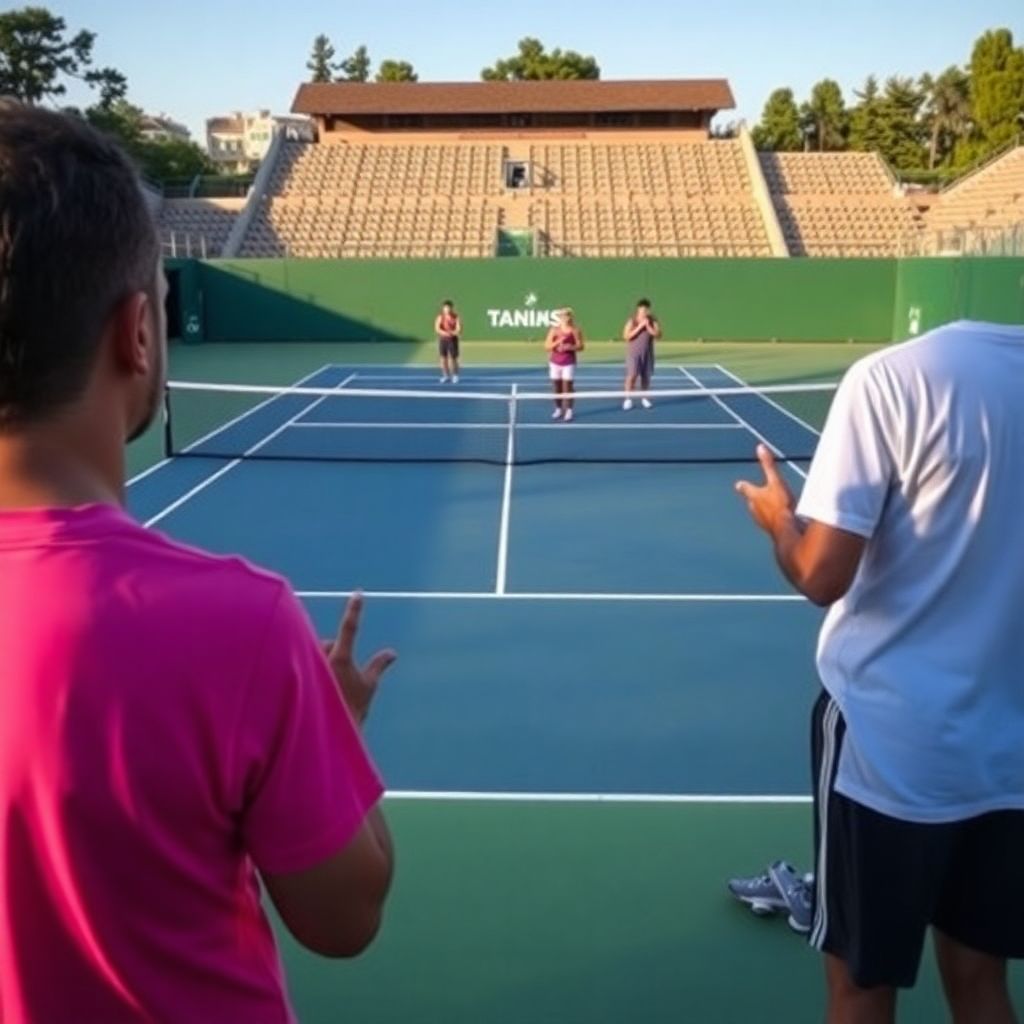
Mental toughness in tennis is a trainable skill: structure simple pre‑match routines, clear reset rituals between points, and pressure-point habits for serve and return. Use off‑court reflection, breathing, and goal-setting every day. Adapt these mental tools to surface, travel, and heat, as Turkish Challenger players systematically do on tour.
Core mental skills Turkish Challenger players rely on
- Repeatable pre‑match mental routine that calms nerves and locks in a clear game plan.
- Short reset scripts after errors to regain match momentum within a few points.
- Pressure-serving routine with breathing and targets to handle break points.
- Daily off‑court reflection that turns matches into practical learning, not self‑criticism.
- Ability to narrow focus to one tactical cue per point under stress.
- Flexible mindset to adjust for clay, hard, indoor, travel fatigue, and Turkish summer heat.
- Willingness to use a tennis mental toughness training program or specialist support when stuck.
How Turkish Challenger pros structure pre-match mental routines
This type of routine suits competitive adults, juniors, and aspiring pros who already play matches regularly. It is not needed for beginners who still learn basic technique or for anyone with serious mental health concerns, who should first speak with a qualified professional.
Turkish Challenger players tend to follow a simple, repeatable arc in the 60-90 minutes before matches:
- Body activation (30-40 minutes before) – Dynamic warm up, light footwork, a few short sprints, finishing with 5-10 minutes of mini-tennis or basic hitting if courts are available.
- Game-plan clarity (15-20 minutes before) – Review 2-3 strengths to use and 1-2 opponent tendencies: for example, attack second serve, use heavy crosscourt to backhand, expect slower bounce on clay.
- Mental reset from outside life (10-15 minutes before) – Sit or stand quietly, slow breathing, park off-court worries and decide one attitude for the day, such as fighting for every point or accepting long rallies in heat.
- First-games rehearsal (5-10 minutes before) – Mentally play the first two service games: see yourself walking to the baseline, bouncing the ball, using your routine, and playing your patterns.
When not to use the full routine:
- If court change times are chaotic at local tournaments: keep only a 2-3 minute breathing and game-plan check instead of the whole pre‑match block.
- If you feel over‑amped or anxious: shorten physical activation and invest more time in calm breathing and slower movements.
- If you play multiple matches in one day: reduce intensity of activation and focus on mental reset and hydration.
Match momentum: techniques to regain control after setbacks
To work on match momentum, you do not need special technology. You need three practical tools and minimal equipment:
- Simple breathing technique – Ability to inhale through the nose, exhale longer through the mouth, and count to 4 in / 6 out, without feeling dizzy.
- Short reset script – One or two sentences you can silently repeat, for example “Accept and move” or “Next point only”. This script must be personally meaningful and non‑judgmental.
- Notebook or phone notes – After matches, write two or three momentum-changing moments and how you reacted. This creates a personal library of situations and better responses.
On the Challenger Tour, many Turkish players also schedule occasional sessions with a sports psychologist for tennis players or a mental performance coach for professional tennis to sharpen these tools. If that is not available locally, you can use online tennis mindset coaching to review match videos and design momentum routines remotely.
Pressure-point routines for serving and returning under stress

The following step-by-step routine is designed for competitive players and is safe if you stay within your normal physical limits and respect medical advice. Use it first in practice, then in practice tie-breaks, and only later in tournaments.
-
Define your pressure-point trigger
Decide what counts as a pressure point: break points, game points from 30-40 up, tie-break points, or big moments late in sets. Turkish Challenger players usually include any point that can swing a game or set.
- Write your definition in your notebook.
- Ask your coach to call out “Pressure” in practice when such a point appears.
-
Install a breathing anchor before every pressure point
Use the same micro-breath routine before each big serve or return. The goal is to calm the body slightly and narrow your focus.
- Stand at the back fence or baseline, look at a neutral spot on the court.
- Inhale through the nose for 4 counts, exhale through the mouth for 6 counts.
- As you exhale, silently repeat your short cue, such as “Trust swing” or “Heavy crosscourt”.
-
Serve routine: from bounce to finish
Create a fixed routine you can repeat on clay and hard courts, under Turkish heat or indoor conditions.
- Position feet, check target zone in your mind: wide, body, or T.
- Bounce the ball the same number of times (choose a comfortable, safe number that does not rush you).
- During the final bounce, commit to one simple cue: direction, spin, or contact height.
- Swing at normal speed; do not try to hit harder than usual on pressure points.
-
Return routine: simplify and react
For pressure returns, adopt a routine that removes overthinking and keeps your feet active.
- As the server prepares, say one word in your head that describes the plan: “Deep middle” or “Backhand”.
- Use a short, sharp split step as the ball leaves the strings.
- Aim bigger targets in pressure: deep middle or safe crosscourt instead of low-percentage lines.
-
Between-point emotional reset
After each pressure point, win or lose, perform a tiny reset ritual to prevent emotional build-up.
- Walk to the back of the court with your back turned briefly to the net.
- Take one slow breath, loosen your shoulders, and release jaw tension.
- Silently say “Next point” and look at your string pattern or logo on the racket as a visual anchor.
-
End-of-session reflection
Within 30 minutes after practice or match, capture what worked and what did not.
- Write one situation where the routine helped you and one where you skipped it.
- Note any specific score lines, like 30-40 or tie-breaks, where you still rushed or tightened.
- Update your cue words if they do not feel natural.
Fast-track mode for pressure points
- Before any big point, take one slow 4-in / 6-out breath and choose a single cue word.
- For serve, keep the same bounce count and aim at a big target you trust.
- For return, split step on contact and aim deep middle or safe crosscourt.
- After the point, win or lose, turn away, exhale, and say “Next point” in your head.
Daily off-court habits that systematically build resilience
Use this simple checklist to see whether your daily routine supports mental toughness like a structured tennis mental toughness course for competitive players would. You do not need to do everything perfectly, but consistency across days matters more than intensity.
- You spend at least a few minutes each evening reviewing one learning from training or matches instead of only judging results.
- You write down one specific intention for the next day, such as “Stay patient on long rallies” or “Use reset after errors”.
- You practice some form of slow breathing or relaxation on non-match days, even for a few minutes.
- You maintain realistic sleep and wake times around tournaments, even when traveling inside Turkey or abroad.
- You hydrate and fuel in a planned way, not only when you feel extremely thirsty or hungry.
- You limit negative tennis talk on social media before bed, avoiding match replays that raise stress late at night.
- You occasionally discuss mental routines with a coach, training partner, or mental performance coach for professional tennis if available.
- You note surfaces and conditions that trigger frustration and plan in advance how you will respond.
- You treat losses as information for your system, not as a personal verdict about your talent.
Tactical-focus drills adapted from Challenger-level training
These drills are designed to sharpen tactical focus under stress. Avoid these common mistakes, which Turkish Challenger coaches see frequently when players try to copy pro routines without guidance.
- Trying to combine too many tactical cues at once, such as thinking about depth, spin, direction, and opponent position together.
- Skipping score pressure in practice sets, so your tactical patterns collapse once real pressure appears.
- Ignoring your natural game style and copying a favorite player whose strengths and body type are different.
- Practicing patterns at a comfortable pace only, never adding slightly higher tempo or simulated nerves.
- Using complex tactical notebooks that you never re-read, instead of one page with main patterns for clay and hard.
- Focusing only on offense in drills and forgetting defensive patterns, such as deep middle reset when pulled wide.
- Failing to coordinate tactical drills with your coach or online tennis mindset coaching provider, leading to mixed messages.
- Thinking that tactics alone will fix tightness, while you ignore breathing, routines, and recovery.
- Changing patterns too quickly after one bad day instead of giving a clear plan time to settle.
Adjusting mental strategies for surfaces, travel and heat
Turkish Challenger players must adjust frequently between clay, hard courts, coastal humidity, and high summer temperatures. These situations call for variations of your mental approach, not a brand new personality. Here are safe, practical alternatives you can test.
- Clay versus hard court focus
On clay, accept longer rallies and focus cues on height, spin, and patience. On hard, narrow cues to first-strike patterns and return position. Keep the same basic breathing but adjust expectations about rally length.
- Travel fatigue and jet lag
When traveling to tournaments, lower your performance expectations for the first day and increase emphasis on routines: same wake time, brief walks in daylight, light hits, and extra hydration. Use shorter pre‑match mental routines to conserve energy.
- Heat and humidity management
In Turkish summer heat or humid coastal events, build cooling into your mental plan: use shade at changeovers, cool towels if allowed, and longer, calmer exhales to prevent rushing from discomfort. Aim for calm acceptance of slower conditions instead of chasing fast winners.
- Structured external support
If you struggle to adapt in these conditions, consider a tennis mental toughness training program or a blended tennis mental toughness course for competitive players that includes live calls or online modules. Coordinate this with your main coach so tactical and mental adjustments work together.
Practical concerns and concise solutions from the tour
How often should I practice these mental routines each week?
Attach them to every practice set and match you play, so they become automatic. Even one or two points per drill session with full routine are more valuable than long sessions without mental focus.
What if I feel silly doing breathing or cue words on court?
Most Challenger players use similar tools; they simply keep them subtle. Keep your cue words silent and your breathing natural so that nobody around you notices while you still gain the benefits.
Can I build mental toughness without a psychologist or coach?
You can start alone using these routines, a notebook, and simple breathing work. If you hit a plateau or face persistent anxiety, a sports psychologist for tennis players or experienced coach adds structure and safety.
How long until I see changes in my match results?
Changes in feeling, such as less panic on big points, often appear before large changes in results. Stay with your routines for several tournaments before judging; mental skills need repetition just like strokes.
Should juniors copy the full Challenger-level routines?
Younger players can use shorter versions: one breath, one cue word, and a simple pre‑serve or pre‑return ritual. As attention span and match experience grow, they can gradually add more elements.
How do I avoid overthinking tactics during points?

Do your tactical thinking on the back fence before the point, then reduce to one cue when you approach the baseline. If you catch yourself thinking too much mid‑rally, use deep to middle as an emergency default.
What if I get angry despite having a reset routine?
Anger will still appear at times. The aim is to shorten its duration. Notice it, do your breathing, and commit to using the full reset for the next point instead of judging yourself for feeling angry.