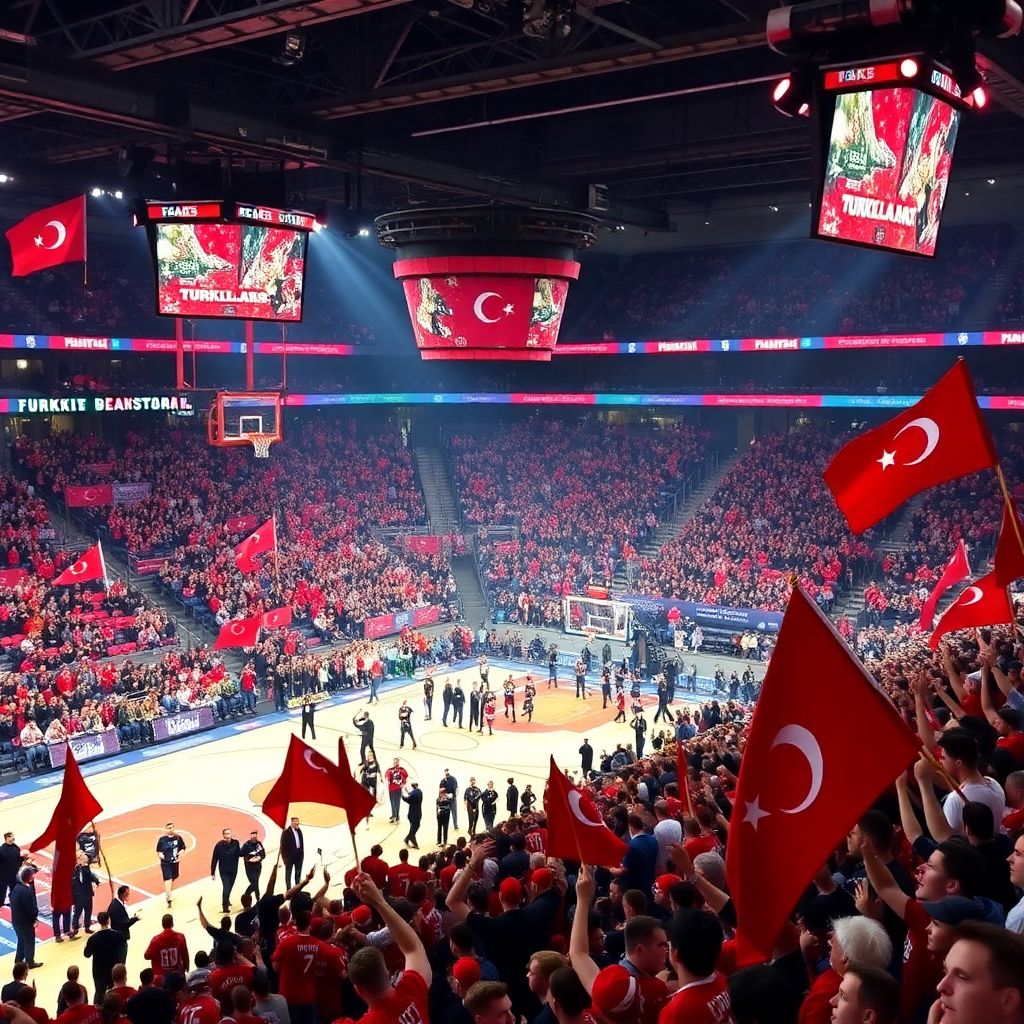
Turkish EuroLeague fans transform arenas into intimidating, festival‑like environments through nonstop noise, choreographed chants, and strong club identity. Their impact is psychological (boosting home teams, pressuring opponents and officials), cultural (unique rituals and songs), and commercial (ticket demand, tourism, media value) across Istanbul and other basketball hubs in Turkey.
Core Findings at a Glance
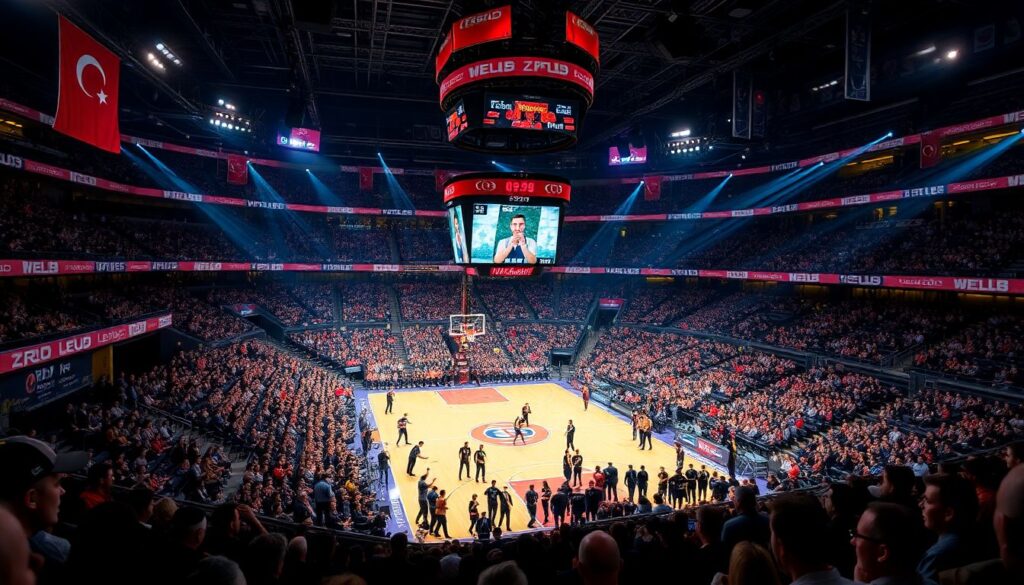
- Turkish EuroLeague support is intense but mostly organised and rule‑bound, not random chaos.
- Home‑court advantage in Turkey is amplified by coordinated groups, acoustics, and club rituals.
- Fan culture grew from football terraces yet developed its own basketball‑specific style.
- Chants, banners, and visual choreographies are carefully prepared days before big games.
- Security protocols and club policies now shape fan behaviour as much as raw passion does.
- Broadcasters and sponsors actively leverage the Turkish atmosphere as a EuroLeague selling point.
Myths vs Evidence: Turkish Fans in EuroLeague
A common myth says Turkish EuroLeague fans are always dangerous and uncontrollable. In reality, most games in Istanbul and other cities run under strict club, league, and police regulations, with supporter groups negotiating choreography rules, pyrotechnic bans, and away‑fan allocations well before tip‑off.
Another stereotype paints the atmosphere as purely spontaneous. Yet the loudest EuroLeague nights, especially for Anadolu Efes and Fenerbahçe Beko, are the result of disciplined planning: ticket blocks for fan groups, rehearsal of chants, coordinated colours, and pre‑game meetings between capos (chant leaders) and club liaison officers.
A third myth assumes the atmosphere is only about noise. Evidence from coaches, players, and officials shows that Turkish supporters shape rhythm and momentum: they surge during runs, slow the game with whistles against opposition offenses, and create peak pressure moments around free throws or referee reviews.
Finally, it is often claimed that Turkish fans matter only in the arena. In practice, their impact extends to euroleague tickets turkey demand, scheduling, broadcasting choices, and even how basketball travel packages euroleague turkey are designed for international visitors seeking immersive fan experiences.
Roots and Evolution of Turkish Supporter Culture
Turkish EuroLeague fan culture did not appear overnight; it evolved by combining local football traditions, university basketball enthusiasm, and global ultra influences into a distinct, indoor‑arena model. Key mechanisms in this evolution include:
- Migration from football stands to basketball arenas
Established football ultras brought drum patterns, chant structures, and banner culture into indoor venues, then adapted them to the faster, stop‑start rhythm of basketball. - Institutionalisation through official fan clubs
Clubs created membership‑based supporter associations to coordinate tickets, travel, and behaviour codes, turning raw street energy into semi‑formal structures. - University and youth influence
Student groups added humour, English‑language chants, and social‑media organising, helping connect EuroLeague nights with a younger, urban audience. - Media and digital amplification
Viral videos of packed arenas pushed clubs to prioritise atmosphere, rewarding sectors that sing, stand, and stay until the final buzzer. - European competition feedback loop
As international players and coaches praised the atmosphere, clubs doubled down on organised support, using these compliments in merchandising and marketing. - Travel culture and fan tours
Growing interest in euroleague fan tours istanbul strengthened ties between local groups and visiting supporters, making hospitality and controlled intensity part of the brand.
Matchday Expressions: Chants, Banners and Rituals
On game day, Turkish fan culture becomes visible and audible through recurring patterns that visitors quickly notice and analysts can map. Typical scenarios include:
- Pre‑game build‑up outside the arena
Supporters gather hours before tip‑off, unfurling banners, testing drums, and setting the tone for the night. Ticket pickup points for fenerbahce beko euroleague tickets or anadolu efes euroleague tickets often double as informal fan‑meeting spots. - Player introductions and anthem moments
The loudest early peaks usually occur during team presentations. Lights, flags, and coordinated scarf‑raising underline club identity and immediately signal to opponents that this is a hostile floor. - Game‑state‑driven chant cycles
Specific chants are tied to situations: defensive stops, three‑point streaks, referee decisions, or timeouts. Capos adjust volume and tempo based on the scoreboard and visible body language of players and coaches. - Visual choreographies and banner messages
Large tifo displays are pre‑planned, often with club history or city symbolism. Smaller banners may target referees, opponents, or even club management, showing that fans see themselves as stakeholders, not just customers. - End‑game and post‑game rituals
Win or lose, many groups expect players to salute the stands. The way this ritual unfolds is a quick diagnostic of the relationship between squad and fan base at that moment in the season.
Tactical and Psychological Effects on Teams and Officials
The Turkish EuroLeague atmosphere is more than colour; it is a competitive factor that teams and referees must manage consciously. Its strengths and its inherent limits can be summarised clearly for coaches, analysts, and organisers.
Competitive Upsides for Home and Away Sides
- Energy transfer to home players: Loud, positive noise can help players sustain intensity, especially during defensive stretches and late‑game possessions.
- Communication disruption for visitors: Coaches and guards may struggle to call plays, increasing miscommunications and rushed decisions under crowd pressure.
- Momentum amplification: A single big play can trigger an extended run when the crowd stays standing, clapping in rhythm, and forcing timeout decisions from the visiting bench.
- Identity reinforcement: Players feel part of a shared club story, which can support resilience after mistakes or bad calls.
Inherent Constraints and Risks of Overheated Atmosphere
- Referee backlash or extra vigilance: Excessive hostility can make officials more determined to show neutrality, reducing any subtle home advantage.
- Performance anxiety for home players: Young or new signings may feel crushed by expectations, leading to rushed shots or over‑aggression.
- Sanctions and partial closures: Pyrotechnics, projectiles, or abusive chants can result in fines or closed sectors, directly weakening future atmospheres.
- Noise fatigue: Constant noise without smart peaks can drain both team and fans, diminishing impact late in the game.
Safety, Policy Responses and Inter-club Relations
Misconceptions around safety policy frequently distort how Turkish EuroLeague atmospheres are discussed. Clarifying these myths helps organisers and analysts design better interventions.
- Myth: "No rules inside the arena"
Reality: Turkish arenas operate under detailed regulations on objects, banners, and behaviour. Security staff, club stewards, and sometimes fan mediators enforce these guidelines from entry to exit. - Myth: "Rivals are always enemies"
Reality: While derbies can be extremely tense, there are also cooperative traditions, joint statements after incidents, and shared initiatives against violence organised by different supporter groups. - Myth: "Sanctions only punish clubs"
Reality: Sector closures and travel bans primarily hit active fans who invest time and money into following their team, creating internal debates about acceptable behaviour. - Myth: "Police presence automatically escalates"
Reality: Match‑day outcomes are strongly shaped by planning quality: clear routes, communication channels with capos, and pre‑agreed responses often keep high‑risk fixtures calm. - Myth: "Tourist fans dilute the atmosphere"
Reality: When well‑integrated through explanations of chants and sector rules, visiting fans and tourists can actually add volume and international visibility without undermining local culture.
Broadcasting, Sponsorship and Continental Brand Effects
Broadcasters and sponsors increasingly treat the Turkish EuroLeague atmosphere as a product feature. Camera angles, microphone placement, and pre‑game segments are planned to highlight booming chants, colourful blocks, and emotional interaction between court and stands.
This visibility shapes ticketing, tourism, and commercial strategies. For example, international agencies selling euroleague tickets turkey often promote videos of Istanbul atmospheres first, then specific seats. Meanwhile, operators that build basketball travel packages euroleague turkey pitch "one intense night in a Turkish arena" as the emotional climax of their itinerary.
To make these claims measurable, organisers and analysts can use a short, repeatable algorithm to check the real impact of Turkish fans on a given game result. The steps below are intentionally simple so they can be applied quickly after each home fixture.
Compact Algorithm to Evaluate Fan Impact on a Game
- Define the observation window
Choose one full home EuroLeague game (or more for comparison) and separate it into key phases: first quarter, pre‑half‑time, third quarter, and clutch minutes. - Collect basic crowd and performance indicators
For each phase, note: approximate noise level (silent / moderate / loud), standing vs seated share, visible organised actions (chants, claps, tifos), and team outputs (run of points, turnovers, visible body language shifts). - Link atmosphere changes to game swings
Mark moments where a clear change in crowd behaviour is immediately followed by a swing in momentum (positive or negative) for the home team. - Compare with baseline home games
Repeat steps 1-3 for several home games with weaker atmospheres (weekday, early tip‑off, low‑stakes). Compare how often crowd shifts precede or coincide with game swings. - Rate overall influence
Assign a simple qualitative rating to each game: "crowd decisive", "crowd supportive but not decisive", or "crowd mostly neutral", based on the pattern of links you observed.
// Pseudo-code for a minimal fan-impact check
for each home_game in season:
    phases = [Q1, pre_half, Q3, clutch]
    for each phase in phases:
        record(crowd_state, team_run, turnovers, timeouts)
        if shift(crowd_state) followed_by shift(team_run):
            tag phase as "crowd_linked"
    if crowd_linked phases are frequent and decisive:
        label home_game = "crowd decisive"
Practical Clarifications for Organisers and Analysts
How can clubs integrate visiting tourists without losing local identity?
Provide short chant explanations on screens or flyers, seat tourist groups near active sections, and brief them on basic codes (when to stand, when to stay quiet). This turns visitors into amplifiers, not distractions, for local fan culture.
What should analysts prioritise when measuring fan impact?
Focus on links between crowd peaks and game swings, not just average noise. Track short sequences: defensive stops, timeouts, and momentum shifts immediately after big chants or visual choreographies.
Are Turkish EuroLeague arenas safe for families?
Most top‑level arenas operate with clear family sectors, bag checks, and visible stewarding. High‑risk games may feel intense, but clubs invest heavily in separating potential trouble spots from general seating.
Do organised fan groups control club decisions?
They influence atmosphere and sometimes public messaging, but formal decisions remain with club management and league bodies. Productive relationships usually include regular meetings and agreed red lines on behaviour.
How can referees prepare for Turkish home crowds?
Pre‑game mental preparation and consistent communication standards are crucial. Referees benefit from clear internal cues, agreed hand signals, and noise‑resistant positioning to reduce the effect of crowd pressure.
What is the best way to reduce sanctions without killing intensity?
Target specific risky behaviours (pyro, projectiles, abusive chants) while encouraging positive noise, visual creativity, and coordinated clapping. Clear, predictable sanction ladders help fan leaders self‑police more effectively.
Why do broadcasters love showing Turkish crowds during timeouts?
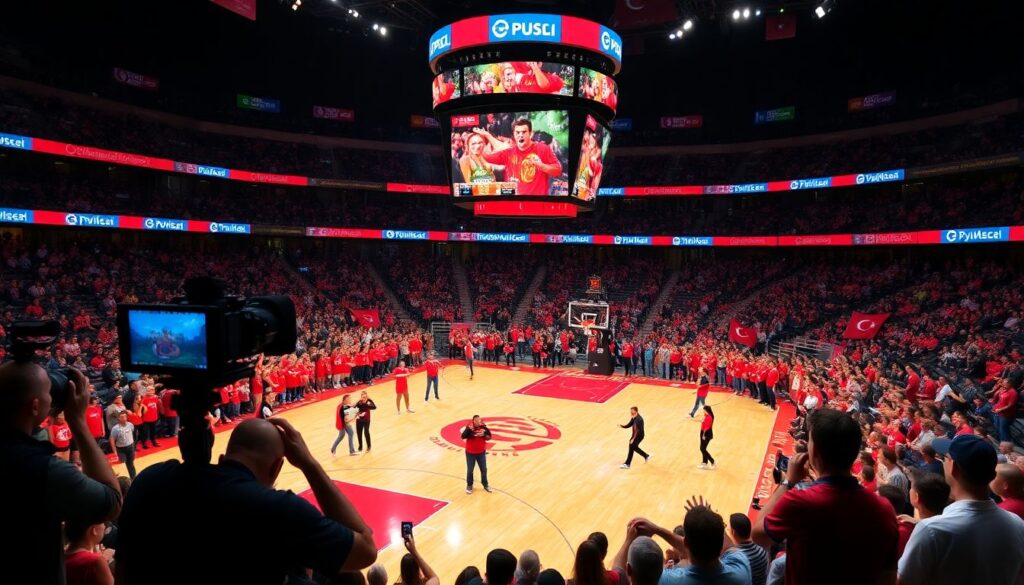
Timeouts give camera crews a safe window to capture pure atmosphere without missing live play. Turkish crowds often use these pauses for coordinated chants or visual moves, which translate well to television and social media.