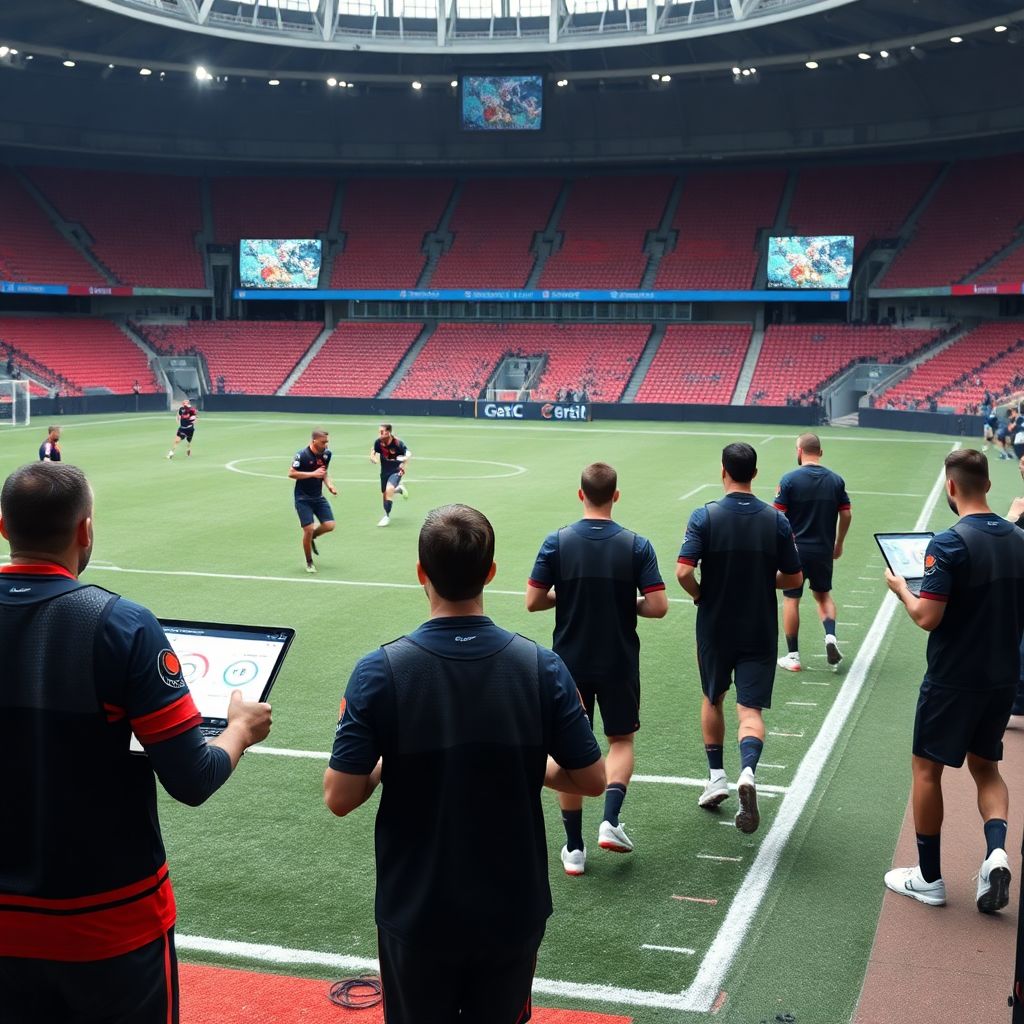
Why Turkish football suddenly cares so much about data
Over the last decade Turkish football quietly went from “coach with a notebook” to “club with a data department”. Big Süper Lig teams and even some 1. Lig sides now use sports data analytics software for football clubs almost as routinely as they use cones in training. The trigger was simple: rising transfer fees, tighter budgets and brutal competition in European cups. When a mid‑table Turkish side can’t outspend a Premier League team, it has to outthink it. That’s where data analytics comes in — not as a magic button, but as a way to squeeze a few extra percentage points of performance out of every player, training session and euro invested.
What exactly is being tracked: from GPS vests to smart cameras
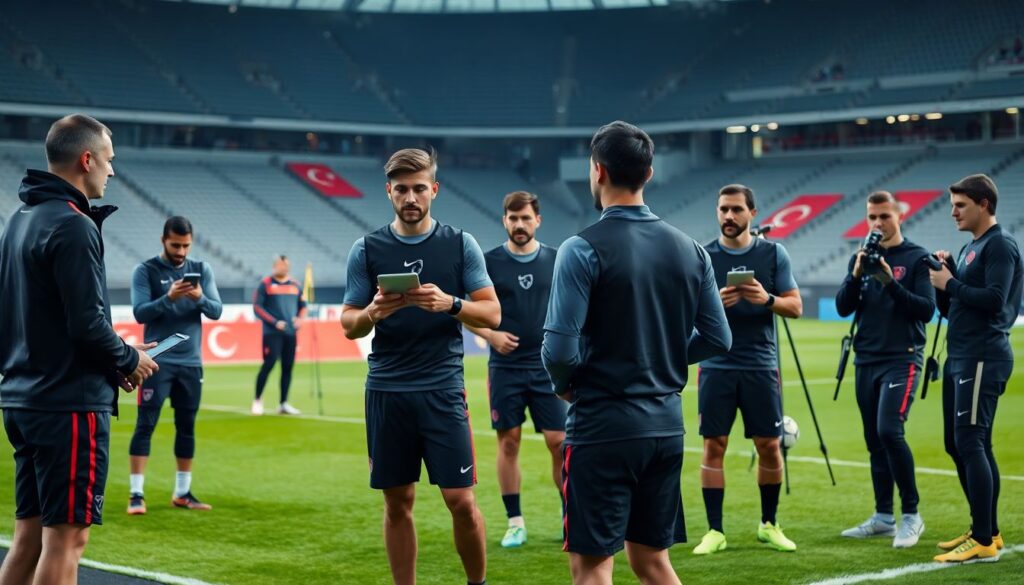
Walk into a training session at Galatasaray, Fenerbahçe, Beşiktaş or Trabzonspor and you’ll see the same thing: players in black GPS vests, staff looking at tablets on the touchline, analysts recording every sprint and deceleration. These systems feed player tracking and performance data platforms for clubs, pulling in distance covered, high‑intensity runs, acceleration patterns and even asymmetries between left and right leg. On match days, multi‑camera setups and optical tracking follow each player and the ball dozens of times per second. It’s a long way from “he looks tired” to “his high‑intensity efforts dropped 23% after the 65th minute, like in the last three games.”
Key practical uses: what Turkish clubs actually do with the numbers
To keep it concrete, most top Turkish clubs now use data in at least four daily workflows. It’s not just decorative dashboards; it’s built into decisions that coaches, analysts and medical staff make each week:
1. Planning training loads so key players peak on European and derby nights.
2. Adjusting tactics based on opponent patterns, not just gut feeling.
3. Screening transfer targets with objective metrics before flying to scout.
4. Flagging early injury risks and modifying sessions for specific players.
At Fenerbahçe, for example, conditioning staff monitor each player’s “acute vs chronic” workload ratio during congested fixture periods. If a winger suddenly spikes above a safe threshold thanks to a cup replay plus a long away trip, his high‑intensity work in the next session is cut, even if he insists he feels fine. This balance between what players say and what the data hints at is becoming a defining feature of modern Turkish training culture.
From intuition to evidence: performance analysis inside Turkish clubs
One of the biggest changes is how match footage is treated. Ten years ago, an assistant might watch the game, clip a few chances and that was it. Now, football performance analysis tools for professional teams break down every pass, press, duel and run into tags. Analysts at clubs like Başakşehir or Konyaspor sit after games and label actions — from pressing triggers to how often the full‑back gets isolated in 1v1s. The platform then spits out visualizations that make tactical trends hard to ignore. For instance, if data shows that a team concedes 60% of its shots from cut‑backs on the left, it’s much harder to argue that “the right side is the problem” just because one big mistake stuck in someone’s memory.
How coaches actually use dashboards during a season
Coaches in Turkey often describe data as “another assistant coach in the room”. Before a weekend game, analysts will present a short report: where the opponent wins most duels, which passing lanes they prefer, how high their defensive line really is over 90 minutes. Instead of trusting a single scout’s notes, the staff see a pattern across five or six recent games. A manager might then tweak the game plan: tell his striker to run more diagonally behind their slower centre‑back, or ask his own full‑backs not to overlap as often because the opponent lives off transitions. Over a season, this “small adjustment every week” often matters more than one big tactical revolution.
National team: from symbolic laptop on the bench to core decision tool
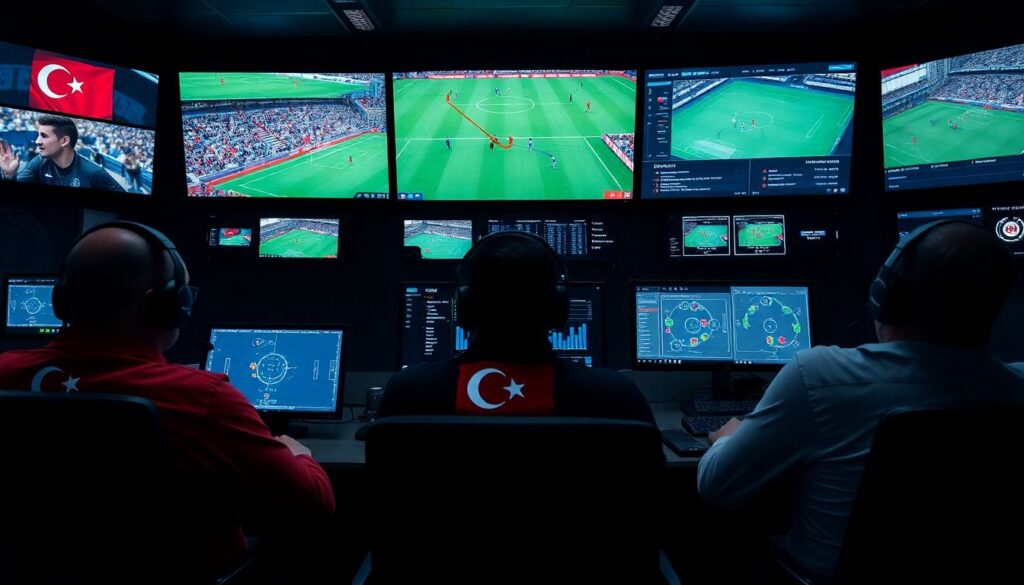
The Turkish national team has also jumped on the trend. In major tournaments, analysts sit in a dedicated room, watching multiple camera feeds and sending instant clips to the bench. This is where data analytics solutions for national football teams become very visible. During EURO tournaments and World Cup qualifiers, staff track live expected goals, pressing intensity, and where the team is losing second balls. If a particular flank is being overloaded, the head coach can see not only video evidence but also numerical confirmation that, say, 70% of dangerous entries are coming down one side. Substitutions and shape changes are no longer based solely on “it feels like we’re suffering over there”.
Player selection and long‑term planning for Turkey
Beyond match day, the federation’s analysts monitor hundreds of Turkish players across European leagues. Instead of relying purely on reputation or club status, they look at pressing contribution, expected assists, progressive passes, and defensive interventions. When two midfielders fight for one spot, the staff can compare how each behaves under pressure, how many line‑breaking passes they average, and whether their fitness profile fits the intense schedule of qualifiers and tournaments. In a sense, data allows the national team to cast a wider net, spotting emerging talent from less glamorous clubs that previously would have been overlooked.
Scouting and recruitment: squeezing value out of every transfer euro
Transfer mistakes in Turkey are expensive — not only the fee, but also salary, agent commissions and the opportunity cost of filling a squad slot with the wrong profile. This is why more clubs now lean heavily on sports data analytics software for football clubs during recruitment. Instead of watching random highlight reels, Turkish scouts query databases: “left‑footed centre‑backs, strong in aerial duels, comfortable in buildup, age under 25, contract expiring soon, salary within X range”. The system narrows thousands of players to a manageable shortlist, which scouts then watch in depth. It’s still human judgment, but guided by numbers rather than guesswork.
Practical example: replacing a star on a budget
Consider a mid‑table Süper Lig club that sells its main striker to a Gulf club. With limited cash, it can’t buy a household name. Data analysts step in, searching for forwards in smaller European leagues whose underlying numbers — expected goals, shot quality, pressing volume — match or even exceed the departed star. Sometimes they find a player who has low goal numbers but high xG, suggesting he’s getting into the right positions but finishing poorly in a weaker tactical environment. With better service and coaching in Turkey, the numbers may translate into goals. This is exactly how several “unknown” arrivals later became fan favourites and profitable re‑sales.
The rise of Turkish sports analytics companies and global partners
As demand grew, an ecosystem formed around clubs and the federation. International providers offer tracking hardware and cloud platforms, while local firms specialize in bespoke reporting, language localization and tactical consultancy. Some of the best sports analytics companies in Turkey started as small start‑ups doing manual tagging for one club and evolved into regional players with products used in volleyball, basketball and even futsal. Their advantage is cultural fit: they understand how Turkish coaches speak, what kind of visuals they prefer, and how to communicate insights without drowning staff in jargon.
Integration, not isolation: making tools work together
One common headache is tool overload: GPS from one vendor, video from another, medical records in a spreadsheet, scouting in a separate app. Leading Turkish clubs push vendors to integrate. They want a single login where a coach can see that a player who showed fatigue markers in training also had a drop in high‑intensity distance in the last three games and is now carrying a minor adductor issue. This integrated view is slowly becoming the norm, and local companies gain an edge when they can connect their products to existing club infrastructure without forcing everyone to learn five new systems.
Money talks: economic impact of analytics on Turkish football
At first glance, analytics looks like a cost: hardware, software licenses, staff salaries. But when boards see the financial upside, arguments disappear quickly. A single smart transfer, identified by data and later sold for a big profit, easily covers several years of analytics budget. Avoiding one injury to a star player before a lucrative Champions League qualifier can be worth millions in prize money and exposure. This is why club presidents, traditionally skeptical of “new trends”, now ask for clear KPIs from their performance departments: fewer soft‑tissue injuries, more minutes from key players, better resale margins on signings.
How mid‑tier clubs level the playing field
For mid‑tier Turkish clubs, analytics is also a way to compete with giants. They can’t pay the salaries of Istanbul’s big three, but they can be smarter in recruitment and development. By using detailed event data and physical metrics, they sign undervalued players, give them consistent playing time, and sell them on to richer leagues. Over a few seasons, this model turns data into a core part of the business strategy, not just a coaching aid. As UEFA financial rules tighten, this buy‑low, sell‑high logic powered by analytics becomes less a choice and more a survival plan.
Stats that shape training: injuries, workloads and recovery
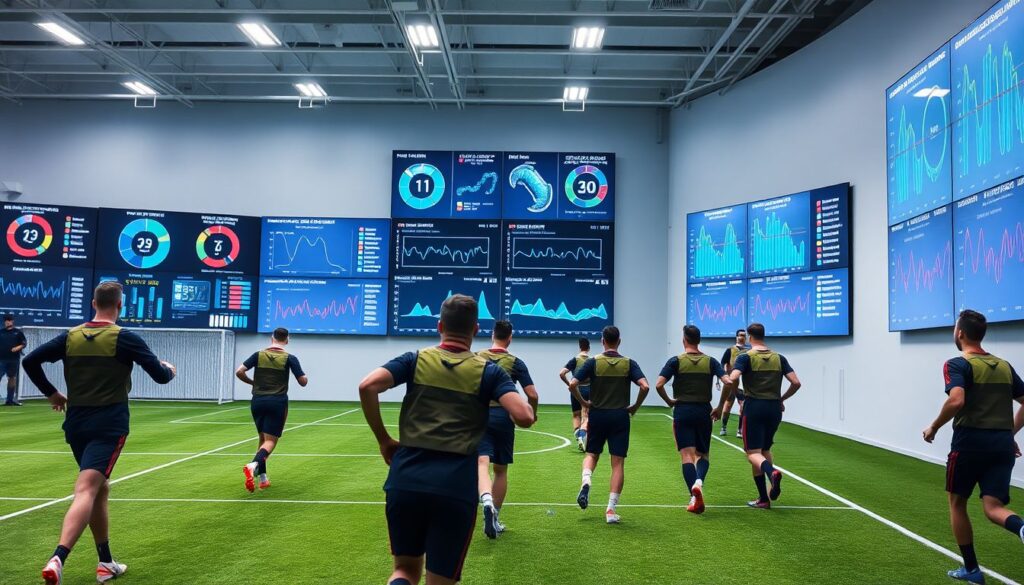
One of the most convincing arguments for data in Turkey has been injury reduction. Clubs track not only high‑intensity meters and sprint counts, but also micro‑patterns: how often a player brakes hard, how quickly he changes direction, whether his movement pattern shifts after minor knocks. By correlating these with past injuries, medical teams build individual “risk profiles”. If a player who previously tore his hamstring shows the same warning trends — dropping top speed, avoiding longer sprints — staff can dial back his workload or modify exercises before a serious issue appears.
Recovery protocols based on reality, not tradition
Recovery days, too, are becoming data‑driven. Instead of every player doing the same light jog plus stretching after matches, clubs use information from GPS, heart rate and neuromuscular tests to assign specific recovery loads. A substitute who played ten minutes might actually need a harder session to maintain fitness, while a midfielder who ran 12 kilometres with lots of sprints might get more pool work and massage. Over the course of a long season in Turkey, with travel, cup games and sometimes extreme weather, these individualised decisions can be the difference between a fresh squad in April and a team limping towards the finish line.
How analytics reshapes the wider sports industry in Turkey
The influence of technology in sports in Turkey goes well beyond a few laptops at big clubs. University programs now offer sports science and data analysis courses; students work with real match data from Süper Lig academies. Broadcasters use advanced metrics on TV, presenting viewers not only with shots and possession but also expected goals and pressing maps. Young fans, used to video games displaying every stat imaginable, now expect real‑life football to offer similar insight. This pushes media, sponsors and clubs into a more analytical conversation about performance and value.
Spillover into other sports and grassroots
What starts in football rarely stays there. Basketball clubs in the BSL increasingly rely on shot charts, lineup efficiencies and tracking data to choose lineups. Volleyball teams examine serve and receive patterns with the same seriousness as football analysts study pressing traps. Even at grassroots level, ambitious academies invest in cheaper tracking devices and simplified dashboards to monitor their under‑15s. The tools might be less complex than those used by elite squads, but the mindset — measure, analyse, adjust — is the same. Over time, this culture shift could raise the overall level of Turkish athletes across multiple disciplines.
Challenges: culture, trust and data literacy
Despite progress, it’s not all smooth. Some coaches still worry that too much information will “paralyse” players or undermine their authority. Older staff may distrust algorithms that contradict their experience. To make analytics stick, Turkish clubs invest not only in software but also in education. Analysts learn to speak the language of football, avoiding abstract metrics and focusing on practical, video‑backed insights. Instead of saying “your PPDA is too low”, they show three clipped sequences where the team presses half‑heartedly and gets punished. Once players and coaches see how data explains real‑world situations, resistance usually softens.
Data quality and context really matter
Another challenge is understanding that not all numbers are created equal. A player from a weaker league might dominate basic stats simply because his team is much stronger than opponents. Turkish analysts learn to adjust for league strength, team style and role. A defensive midfielder with modest passing numbers in a very direct team might actually be exceptional at winning the ball and feeding more creative teammates. The danger lies in blindly chasing pretty dashboards instead of asking: “Does this stat fit how we want to play?” The clubs that blend context, tactical understanding and data literacy get the biggest payoff.
Looking ahead: forecasts for data‑driven Turkish football
Over the next five to ten years, expect analytics in Turkish football to move from “support function” to “strategic engine”. Clubs will likely build larger multi‑disciplinary teams combining data scientists, coaches, psychologists and medical staff. Machine learning will help predict not only injury risk but also how a player’s style will age, which is crucial for deciding contract lengths. Virtual reality and augmented reality tools may simulate match scenarios, allowing players to “replay” game situations in training based on real tracking data. Those who invest early in robust infrastructure and people will be positioned to dominate both domestically and in European competitions.
Practical shift: from reaction to prediction
The biggest qualitative change will be moving from “what happened?” to “what’s likely to happen next?”. Turkish clubs and the national team will increasingly use historical and real‑time data to anticipate opponent adjustments, spot emerging talent before the market reacts, and design training blocks months in advance based on fixture density and climate. Instead of reacting to problems — sudden injuries, drop in form, defensive weaknesses — they’ll lean on patterns that quietly signal upcoming issues. When prediction becomes routine, panic decisions in January windows or after two bad results should gradually become less common.
Bringing it all together
Technology in sports in Turkey is no longer a buzzword; it’s a set of practical habits embedded into daily routines. From GPS vests to video tagging, from scouting databases to integrated health dashboards, data has earned its place not through fancy presentations but through concrete wins: better transfers, fewer injuries, smarter tactics. As football culture in the country continues to evolve, data won’t replace experience or intuition, but it will filter them, challenge them and sometimes confirm them. The clubs and national teams that learn to balance numbers with human judgment — and make smart use of modern football performance analysis tools for professional teams — are the ones most likely to set the pace in the next era of Turkish sport.