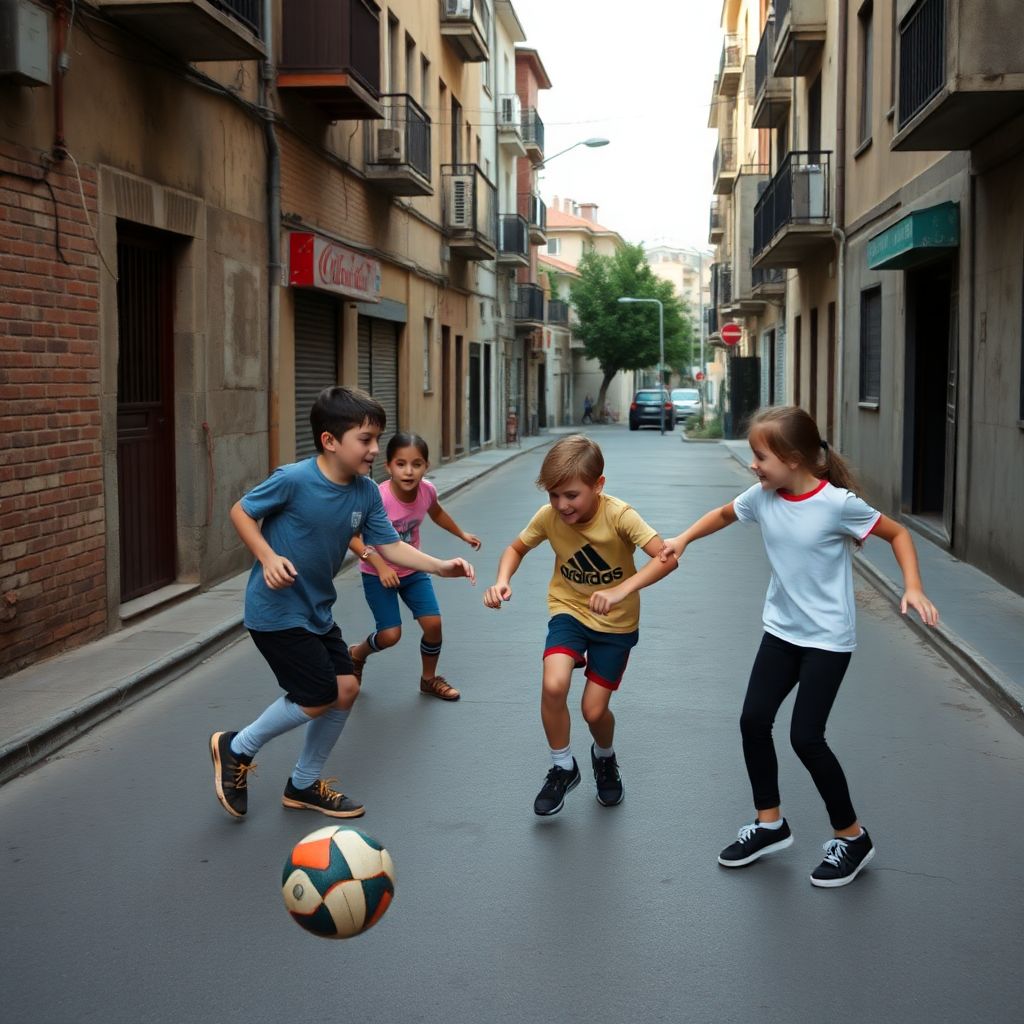
Sports shape Turkish youth culture by building identity, friendships and local pride far beyond professional stadiums. From Istanbul’s street football to girls’ basketball in Anatolian towns, sport connects education, family, faith and media. Even with limited resources, informal games, school initiatives and community spaces let young people move, belong and express themselves.
Essential findings on sport’s influence in Turkish youth life
- Sports are a major language of belonging and status in everyday youth life, not only match days.
- Turkish youth and football culture dominate, but basketball, volleyball and combat sports are growing symbols of style and mobility.
- Unequal access to facilities and fees limits participation, yet low-cost street games still sustain rich sports culture in Turkey.
- Schools, clubs and sport academies for youth in Turkey can empower or exclude, depending on how they handle gender, cost and selection.
- Social media fandom turns sport into a space for humour, dissent and soft political signalling.
- Local policies that prioritise safe open spaces and free youth sports programs in Turkey improve health and social cohesion.
- Affordable alternatives-public parks, school yards, community-led leagues-are essential for families with limited resources.
Historical roots: how sport shaped youth identity in modern Turkey
In the Republic’s early decades, sport was promoted as a modern, disciplined way of building a strong nation. Gymnastics, athletics and team sports entered schools as tools to create healthy, “civilised” citizens. This legacy still echoes in how PE teachers, local officials and parents talk about the “importance” of sport for youth.
Over time, Turkish youth and football culture became a central arena where class, region and politics met. Big clubs from Istanbul, Ankara and Izmir gave young fans city-based identities; fan groups offered solidarity and, sometimes, activism. Yet the role of sport expanded beyond big teams: village oil wrestling festivals, neighbourhood basketball courts and university tournaments turned movement into social glue.
Today, sports culture in Turkey mixes global and local. European football and NBA highlights meet traditional wrestling and indigenous games. For many teenagers, club scarves, jerseys and social media memes are as important as formal memberships. In low-income districts, a shared ball on a dusty pitch can carry as much symbolic weight as a season ticket in a new stadium.
Understanding the role of sports in Turkish youth culture therefore means looking at three layers at once: state projects (laws, school curricula, municipal facilities), organisations (clubs, associations, sport academies for youth in Turkey) and everyday practices (street games, fandom, online communities). It is in their overlap that identities are formed and contested.
Street sport and informal play: urban landscapes, creativity and belonging
Informal play is often the first and most accessible entry point into sport, especially where budgets, time and transport are tight. Its mechanics can be seen clearly in many Turkish cities.
-
Micro-spaces become informal fields.
In Istanbul’s Esenler or Gaziosmanpaşa, alleys and small squares host rotating games: football with plastic bottles as goalposts, volleyball over washing lines. Youth adapt space and time-playing after school, before work or between family duties. -
Rules are negotiated, not imposed.
In an Ankara gecekondu neighbourhood, teenagers agree on “no hard tackles” for mixed-gender teams, or “two touch maximum” for the strongest players. This negotiation teaches conflict resolution and fairness in a way rigid competitions sometimes do not. -
Equipment is improvised to cut costs.
A flat ball is taped instead of replaced; old trainers are shared; broken hoops are fixed with wire. These adaptations show how young people keep sport alive with almost no budget, an important lesson for planners designing affordable alternatives. -
Peer networks replace formal coaching.
Older youth teach younger kids basic skills in basketball or futsal. In Izmir’s coastal districts, one experienced player might show a group how to dribble or defend, creating an informal “academy” that is free, flexible and rooted in the neighbourhood. -
Belonging is built through repetition.
Playing every evening in the same park-say, Bursa’s small neighbourhood gardens-turns a random group of kids into a community. Nicknames, in-jokes and team rivalries form, offering emotional support that some do not find in school or at home. -
Street sport fills gaps left by institutions.
Where there are no nearby youth sports programs in Turkey, or club fees are too high, informal futsal on school yards after hours becomes the only realistic option. Parents with limited resources often rely on these safe, local, low-cost spaces.
Education and clubs: institutional routes, talent development and inequality
Formal pathways-schools, clubs and academies-structure which young people advance in sport and how. They also reproduce or reduce inequality.
-
Public schools and PE lessons.
Many students meet organised sport first in PE classes. A teacher in Konya or Diyarbakır may run extra training in athletics or handball using simple cones and school balls. Where school leadership supports this, even kids from low-income families experience regular, structured sport at no extra cost. -
Local clubs as community anchors.
Amateur football or volleyball clubs in Anatolian towns offer weekly training and competition. Membership fees, travel costs and equipment, however, can still exclude some youth. Clubs that partner with municipalities to get free pitch time or bus transport often reach more diverse groups. -
Professional pipelines and academies.
Major clubs and private sport academies for youth in Turkey-especially around Istanbul, Ankara and Antalya-promise high-performance training. Places are limited and usually require steady fees, good transport, and parental support. Talented children from rural or low-income urban areas may be overlooked if scouts rarely visit their regions. -
University and vocational routes.
Faculties of sport sciences in cities such as Ankara and Izmir offer degrees in coaching, PE teaching and sports management. For many youth, these degrees transform early passion into work. However, they require academic success and exam preparation that not all students can access equally. -
Religious and municipal youth centres.
Quran courses, municipal youth centres and foundations sometimes run free futsal, wrestling or table tennis sessions. For families worried about mixed environments or commercialised sport, these centres provide trusted spaces-though they may reinforce certain norms (for example around dress or gender mixing). -
Low-resource alternatives within institutions.
When budgets are tight, simple strategies help: using multi-sport lines on one court; rotating equipment between classes; organising no-fee “open play” hours in school gyms; and cooperating with nearby clubs to share coaches or pitches instead of duplicating expensive facilities.
Gender, faith and visibility: negotiating norms on and off the field
Youth in Turkey constantly negotiate gender expectations and religious norms around sport. These negotiations create both opportunities and constraints, depending on context, family attitudes and local infrastructure.
Empowering aspects and openings for inclusion
- Girls’ basketball and volleyball teams in cities like Samsun or Kayseri give young women public visibility, leadership roles (team captain, coordinator) and sometimes scholarships, expanding their mobility beyond home-school-course routines.
- Faith-sensitive solutions-such as women-only swimming hours in municipal pools or closed-gym futsal sessions-allow conservative families to support daughters’ participation without feeling they compromise on values.
- Mixed-gender running groups in coastal cities (Izmir, Antalya) normalise women’s presence in public space, showing younger girls that parks, tracks and seafronts belong to them as much as to men.
- Role models-national women’s teams, hijab-wearing athletes, or successful female coaches-challenge the idea that sport is “for boys”, especially when highlighted in local media or school events.
Barriers, tensions and practical limitations

- Families in some districts resist daughters’ participation in late-evening training due to safety or reputation concerns, especially where transport is poor and facilities are far from home.
- Uniform rules and competition schedules may not fully accommodate modest clothing or prayer times, unintentionally sidelining observant youth or pushing them into only a few “acceptable” sports.
- Informal fields and parks are often male-dominated; teenage girls entering these spaces can face teasing or unwanted attention, which discourages continued participation.
- Club cultures sometimes favour aggressive, hyper-masculine behaviours; boys who do not fit this model, or LGBTQ+ youth, may feel unsafe or excluded from teams and fan groups.
- For low-income families, the cost of separate women-only facilities or private courses marketed as “safe” for girls can be unrealistic, leaving only informal, irregular options.
Media ecosystems: fandom, social platforms and youth political signalling
Media and online platforms extend sport deep into everyday youth culture. At the same time, they generate myths and distortions about what sporting life in Turkey looks like.
-
Myth: fandom equals hooliganism.
While some clashes exist, most young fans use club identities playfully-sharing memes, chants and commentary on social media. For many, supporting a team is a way to express humour, frustration or local pride, not violence. -
Myth: only big-club football matters.
Television and platforms often over-focus on major Istanbul clubs, obscuring the growth of women’s leagues, futsal, esports-linked events and smaller local derbies. This narrow lens hides the diversity of sports culture in Turkey, from beach volleyball in Antalya to wrestling in Kırkpınar. -
Myth: online training content replaces real coaching.
Youth frequently follow fitness influencers or skill-tutorial channels. These can inspire but cannot fully substitute feedback from a trained coach or PE teacher. Over-reliance on online drills can lead to poor technique or injury, especially without proper warm-up spaces and equipment. -
Myth: sport is “apolitical”.
In reality, banner messages in stadiums, coordinated chants, boycott calls and hashtag campaigns show how young people use sport to send signals about fairness, corruption or national issues. This does not always align with formal politics, but it is a form of youth voice. -
Myth: success stories reflect pure talent.
Media narratives around stars often ignore structural support-family finances, early access to facilities, private academies, or scholarships. For youth watching from a village pitch or inner-city court, this can create unrealistic expectations or sense of personal failure. -
Myth: sports tourism in Turkey benefits all youth equally.
International training camps and tournaments bring money to resorts and big clubs, especially around Antalya and the Mediterranean coast. However, without deliberate local integration-open days, shared clinics, joint friendly matches-nearby youth may see little real benefit.
Policy levers and public health: sport as tool for cohesion and prevention
Sport contributes to public health and social cohesion when policies recognise youth realities: time pressures, safety concerns, financial limits and local culture. Municipalities, ministries and NGOs can leverage small, realistic changes rather than only investing in large stadiums.
A brief example: A mid-sized Anatolian municipality with limited funds chooses not to build a new arena. Instead, it: opens school yards after class as community sport spaces; repaints and lights existing basketball courts; organises free weekly mixed-age football evenings; partners with local health staff to give short talks on injury prevention and nutrition before games. Over one school year, teachers report better concentration in morning classes and reduced minor conflicts among frequent participants.
In contexts where youth sports programs in Turkey are patchy or over-focused on elite performance, three policy tools are particularly effective for low-resource settings:
-
Shared, multi-use public spaces.
Design parks, school yards and small halls that can host different sports across the week. Joint scheduling between schools, municipalities and clubs maximises use without huge new construction costs. -
Micro-grants and equipment libraries.
Rather than financing a few large events, provide modest funds or shared equipment (balls, cones, bibs) to neighbourhood youth groups and school teams. This approach especially supports families unable to buy personal gear. -
Local volunteer training.
Train university students, older youth or parents as basic community coaches and referees. Short weekend courses hosted at sport academies for youth in Turkey or faculties of sport sciences can multiply the impact of a small number of professionals. -
Inclusive scheduling and safe access.
Set earlier training times for girls or younger children; ensure lighting on walking routes to fields; coordinate with public transport providers so evening buses match training end times. These small planning shifts matter more than slogans about “equal opportunity”. -
Health integration.
Embed simple health messages-stretching, hydration, screen-time balance-into existing practices: half-time talks, parent WhatsApp groups, or PE classes. This approach costs little and reaches youth already interested in sport.
Quick self-checklist for educators, parents and local leaders
- Have you mapped all low-cost sport spaces nearby (parks, school yards, mosque courtyards) and made them safely accessible to youth?
- Do girls and lower-income youth in your area have at least one regular, affordable sports option each week?
- Are you using media-school social accounts, local radio-to highlight diverse role models beyond star footballers?
- Have you created at least one partnership (school-club-municipality-NGO) to share facilities, equipment or volunteer coaches?
- Do your training times, dress expectations and communication respect local faith and family norms while gently widening opportunities?
Practical clarifications and brief answers
Why is football so dominant in Turkish youth culture?
Football offers simple rules, minimal equipment and high visibility through TV and social media. Big-city club rivalries and national team matches give young people ready-made stories, symbols and debates, making football the easiest entry point into shared identity.
How can families with limited money still support their children’s sport?
Focus on free or low-cost options: public parks, school yards after class, municipal youth centres and neighbourhood tournaments. Shared equipment, second-hand kits and rotating transport with other parents can keep participation affordable.
What is the role of schools compared to clubs?
Schools ensure broad basic access: everyone experiences some sport through PE. Clubs provide deeper, more specialised training but usually for fewer, more committed participants. Ideally, schools and clubs coordinate so talent is noticed without excluding beginners.
Are mixed-gender sports realistic in conservative areas?
Yes, if carefully designed. Younger age groups, family-present events, daytime sessions and clear behaviour rules can make mixed play acceptable. Where this is not possible, parallel girls’ and boys’ activities in the same venue still signal equal value.
Can online fitness content replace going to a club or gym?
Online videos are useful for inspiration and basic guidance, especially when no facilities exist nearby. They do not fully replace real-life coaching, safe space and social support, so combining occasional community sessions with home-based workouts works best.
How does sports tourism in Turkey affect local youth opportunities?
International camps bring facilities, expertise and funding, mostly to coastal cities. Local youth benefit most when organisers open some sessions, friendly matches or clinics to community teams instead of keeping everything behind closed doors.
What should small municipalities prioritise: big stadiums or small neighbourhood projects?
For youth, small, well-maintained neighbourhood spaces usually bring more daily benefit than a single large stadium. Lighting, open access hours, basic equipment and simple community leagues can transform ordinary parks into powerful youth hubs.