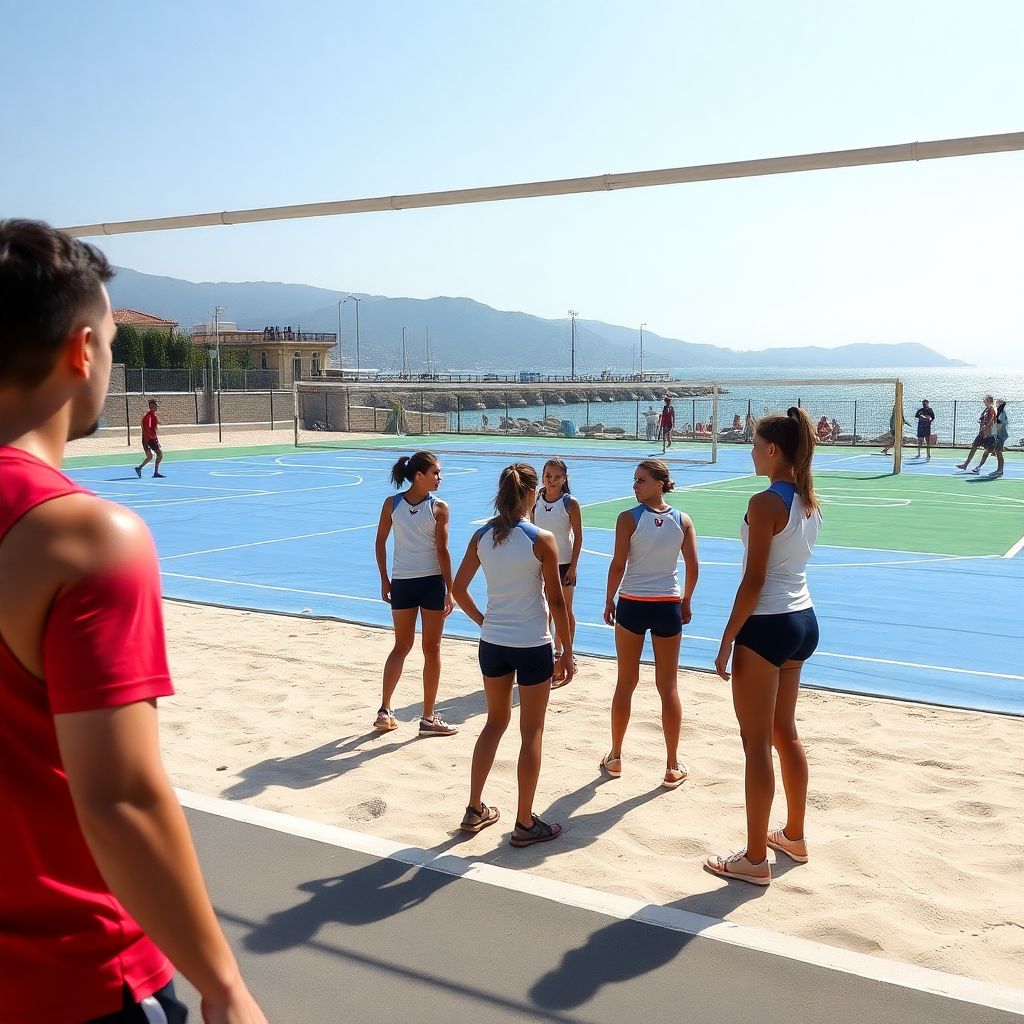
From Turkey’s coastline to the national team, the safest and most realistic path is to build strong local sand programs, use structured scouting, follow a staged training progression, and plug into regional and national competition. This guide turns the success patterns from Turkey’s coasts into clear, repeatable steps for clubs, coaches, and players.
Core Lessons from Turkey’s Coastal Volleyball Pathways
- Start with stable, community-based sand hubs before chasing elite results or sponsors.
- Use clear benchmarks for talent ID: movement in sand, ball control, resilience, and teamwork.
- Plan progression in 12-18 month phases, not weekend “miracles” or overloading young players.
- Anchor development around qualified coaches and sports science, not only enthusiasm.
- Design a tournament ladder from local events to national selection windows and monitoring.
- Secure sustainable logistics and funding via tourism links, municipalities, and schools.
- Continuously review safety, wellbeing, and academic balance alongside performance goals.
Grassroots Beach Volleyball: Organizing Local Training Hubs
Local hubs are the launchpad where future national-team athletes learn safe technique, discipline, and love for the game. They work best in coastal regions like Antalya, Izmir, and Mugla, but can also run on inland sand courts with consistent planning.
Who should invest in grassroots hubs:
- Municipalities aiming to activate beaches outside peak tourist hours.
- Indoor volleyball clubs wanting a structured off-season program.
- Schools and universities close to the coast, especially near all inclusive beach sports resorts turkey.
- Private academies cooperating with turkey beach volleyball camps and local hotels.
When it is not advisable to launch a hub yet:
- If you cannot guarantee safe, regularly maintained sand (no glass, rocks, or deep holes).
- If you lack at least one coach with solid indoor or beach background and basic first-aid knowledge.
- If there is no clear schedule (minimum 2-3 sessions per week) for at least one full season.
- When you rely entirely on unstable one-time funding or short-term turkey sports travel packages.
Key design principles for successful grassroots hubs:
- Age-banded groups (e.g., U12, U14, U16) with different training loads and rules.
- Written safety rules about heat, hydration, sunscreen, and warm-up routines.
- Simple tracking: attendance sheets, test results every few months, basic injury log.
- Visible progression pathways: posters or briefings showing how players can reach regional and national levels.
Talent Identification: Scouting on Beaches and in Clubs
Effective scouting combines informal observation at public beaches with structured trials in clubs and schools. The goal is to find physically and mentally suited athletes early, then offer them safe, progressive development instead of sudden overload.
What you need in place before structured talent ID:
- Clear player profile: desired height range (for certain positions), movement quality, jumping ability, coordination, communication, and resilience.
- Access to player pools: local indoor clubs, school PE programs, university teams, and open events or turkey beach volleyball camps.
- Simple assessment tools:
- Short sprint and agility tests on sand.
- Vertical jump or reach evaluation.
- Ball control drills: forearm passing, setting, controlled serving.
- Two-on-two mini games to observe decision-making and teamwork.
- Data capture method: spreadsheets or basic athlete database with contact details, test scores, training notes.
- Permission and safeguarding: parental consent for minors, clear communication on data usage, photo/video policies.
- Pathway offers: defined scholarships, reduced fees, or travel support for promising players, ideally in cooperation with all inclusive beach sports resorts turkey or local sponsors.
Scouting environments you can leverage:
- Weekend beach events and school festivals with small-sided games.
- Regional beach volleyball training turkey clinics or open sessions.
- University and amateur beach leagues.
- Side activities at beach volleyball tournaments turkey 2024 and beyond, such as youth trials or “future stars” showcases.
Training Progression: Moving from Sand to National Standards
Before you start a formal progression plan, confirm basic readiness. Use this quick preparation checklist.
- Medical clearance for players, especially for high-volume jumping and heat exposure.
- Consistent training access: at least 2-3 sand sessions per week for most of the year.
- Qualified coach or mentor with experience in structured periodization.
- Simple monitoring: session logs, RPE (how hard it felt), and basic recovery routines.
- Parental support and school coordination for younger athletes.
- Clear main goal: e.g., reach national youth trials within 2-3 seasons.
-
Establish Fundamental Sand Skills (3-6 months)
Focus on safe movement and ball control on sand first, not power. Teach correct landing mechanics, stable passing platforms, and basic serving technique.
- Benchmarks: controlled passing to a target over repeated reps; safe jumps and landings without knee pain.
- Training load: 2-3 sand sessions per week plus light strength work.
-
Build Beach-Specific Physical Base (6-12 months)
Gradually increase conditioning and strength while prioritizing joint safety. Use bodyweight and resistance bands before heavy external loads.
- Include unilateral leg work, core stability, and shoulder prehab exercises.
- Monitor for signs of overuse: pain that persists, fatigue, sleep disruption.
-
Develop Tactical Understanding in Pairs
Introduce systems suitable for Turkish beach conditions: wind, sun angle, and typical opponents. Practice communication routines, signals, and basic defensive schemes.
- Mini-goal: consistent serve-targeting strategy and simple offensive calls.
- Use video from local races and beach volleyball tournaments turkey 2024 to study patterns.
-
Increase Competitive Exposure in Regional Events
Enter local circuits, school leagues, and small open competitions. Treat each event as a test of skills under pressure, not only as a win-or-lose moment.
- Benchmark: regular quarterfinal or better at regional level across a season.
- Adjust training blocks based on match statistics and observed weaknesses.
-
Align Training with National Team Standards
Study federation guidelines and national-team style of play. Adapt practice plans to emphasize serving pressure, side-out efficiency, and transition scoring.
- Arrange sparring with stronger pairs, including visitors using turkey sports travel packages to compete along the coast.
- Track performance with clear KPIs: serve errors vs aces, side-out percentage, dig-to-kill rate.
-
Prepare for Trials and Selection Windows
Plan peak form around national trials or selection camps. Taper volume slightly while sharpening speed, decision-making, and recovery routines.
- Rehearse trial conditions: time of day, court orientation, format of drills.
- Ensure travel, accommodation, and meals are organized well in advance to reduce stress.
Coaching & Support Structures for Elite Development
As athletes move closer to national level, coaching and support systems must be checked regularly. Use this checklist to assess whether your environment matches elite demands while staying safe and sustainable.
- Head coach has clear yearly and seasonal plans tailored to beach volleyball training turkey conditions.
- Strength and conditioning is supervised, with appropriate loads for age and training age.
- Access to medical or physio support for early injury detection and rehab.
- Regular technical video analysis sessions, at least every few weeks in-season.
- Communication routines: weekly check-ins on wellbeing, school, and workload.
- Nutrition guidance that respects local food habits and family budgets.
- Psychological skills training: routines for pressure, refocusing after mistakes, handling travel.
- Safe travel policies for minors, particularly when staying at all inclusive beach sports resorts turkey or similar venues.
- Clear code of conduct for coaches, players, and parents, including harassment and abuse prevention.
- Documented pathway: how a player moves from hub to regional squads, to national camps, with transparent criteria.
Competition Roadmap: From Regional Tournaments to National Selection
Competition should serve development, not derail it. Structuring your calendar from local events to national-team trials reduces burnout and improves performance. Watch for these common mistakes and adjust early.
- Playing every possible event without rest, especially during hot months along Turkey’s coasts.
- Skipping smaller local tournaments that provide valuable experience under low pressure.
- Entering high-level beach volleyball tournaments turkey 2024 or later with no clear performance goals beyond “participate”.
- Ignoring doubles chemistry and changing partners constantly before big events.
- Underestimating travel and recovery demands when using turkey sports travel packages for back-to-back tournaments.
- Preparing only technically, without rehearsing match routines: warm-up timing, nutrition, hydration plans.
- Failing to collect basic match statistics, relying solely on memory or emotions after games.
- Overreacting to one bad tournament by changing the whole training plan or partner selection.
- Not aligning peak form with key selection windows or federation events.
- Neglecting school or work commitments, creating stress that spills into competition performance.
Logistics, Funding and Community Partnerships for Sustainability
Not every promising coastal program will have immediate access to large sponsors. There are safer alternatives and scaled models that still keep the pathway from beach to national team open.
- School-Club Partnerships: Use existing school courts and PE time, while clubs provide coaches and weekend sessions. This works when municipal budgets are tight but there is strong interest among students.
- Seasonal Tourism Collaborations: Coordinate with hotels running turkey beach volleyball camps or all inclusive beach sports resorts turkey to host short intensive blocks, while day-to-day training remains local and lower cost.
- Regional Training Alliances: Several small clubs share one higher-quality sand facility and coaching team, rotating travel so no single group carries full costs.
- Federation-Supported Hubs: In areas with many talented players but limited funding, push for federation-backed regional centers instead of multiple weak independent projects.
Practical Concerns and Solutions for Aspiring Coastal Players
How many seasons does it usually take to move from local beach to national-level consideration?
Progress speed varies, but most players need several full seasons of structured, safe training and competition. Focus on meeting clear skill and physical benchmarks each year rather than chasing an exact timeline.
Can indoor volleyball players in Turkey successfully switch to beach and still aim for the national team?
Yes, many strong beach athletes start indoors. Plan a gradual transition with increased sand time, adjusted strength work, and competitions in both formats until beach becomes the main focus.
How should youth players balance school with intensive beach volleyball training?
Plan fixed study blocks around training and travel, and inform teachers early about key tournaments. Reduce non-essential activities during busy periods instead of sacrificing sleep or recovery.
Is it necessary to join expensive international camps to get noticed by national-team coaches?
Not necessarily. High-quality local programs, regional events, and federation competitions are often enough. International or premium turkey sports travel packages can help exposure but should not replace consistent, safe daily training.
What is the safest way to increase training volume on sand without injuries?
Increase volume gradually, add rest days as intensity rises, and prioritize strength, mobility, and landing mechanics. Monitor pain and fatigue, and adjust early if any warning signs appear.
Do I need a permanent partner to be considered for national-team pathways?
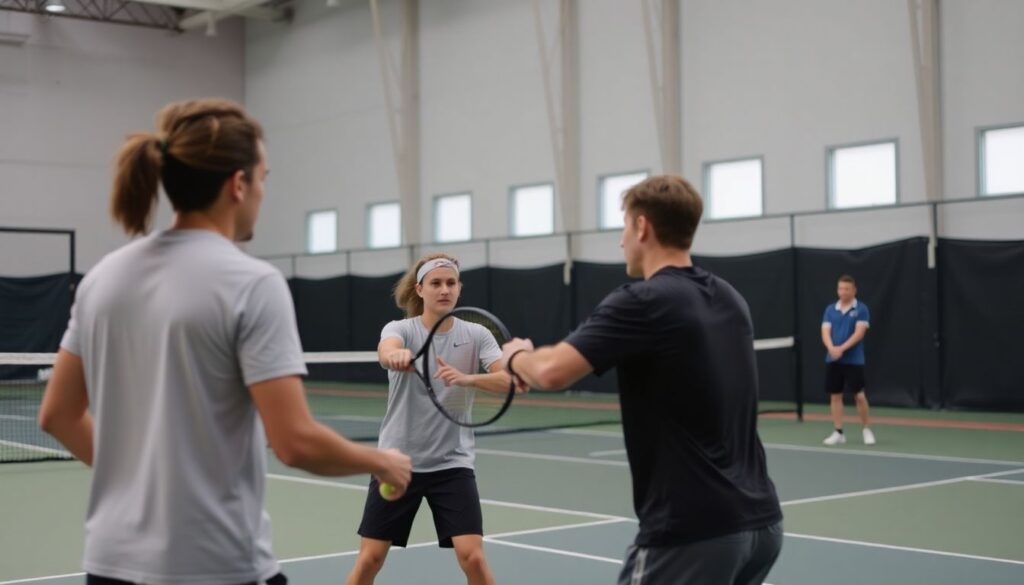
Having a stable partner helps tactical development, but national coaches look at individual potential and adaptability as well. Aim for medium-term partnerships while staying open to strategic changes.
How important is English or other language ability for national-team prospects?
Language skills are useful for international tournaments, travel, and communication with foreign staff, but they are secondary to performance. Work on basic communication over time; do not delay training because of this.