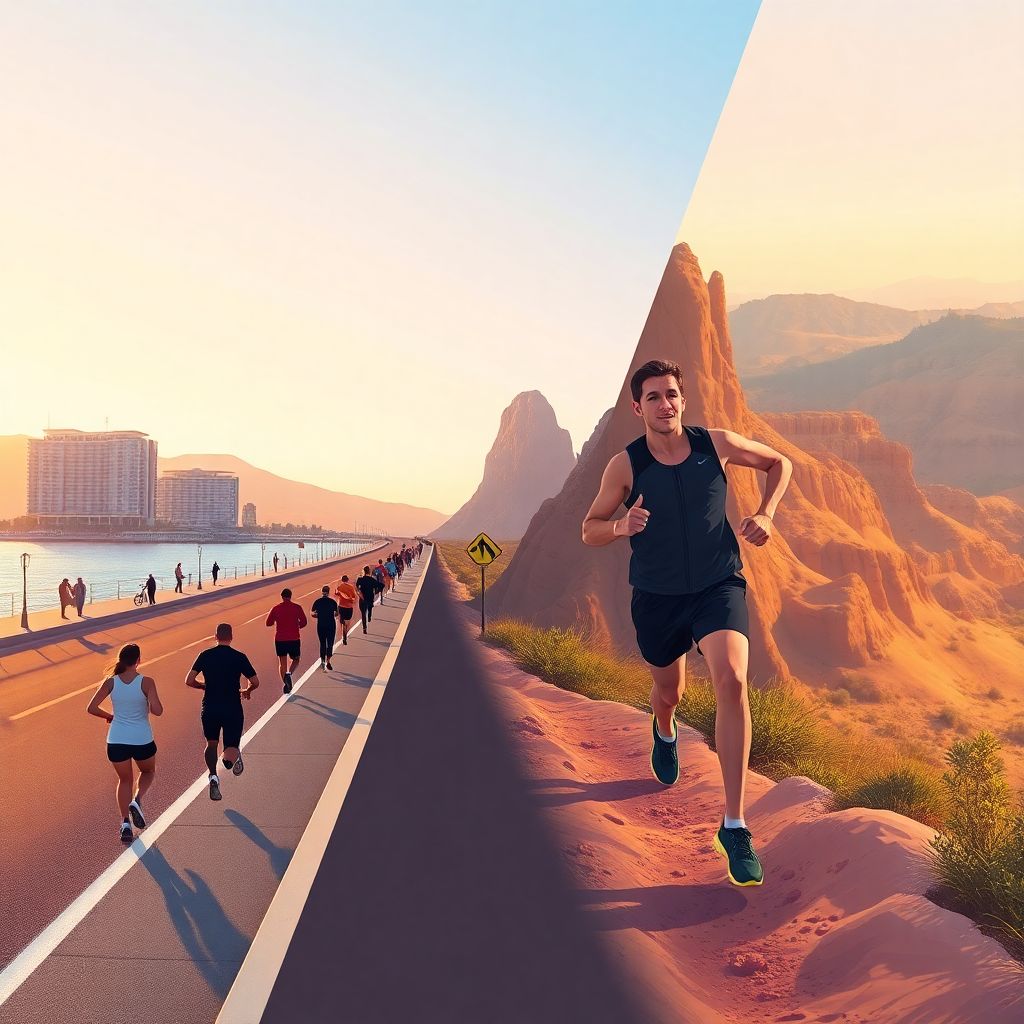
Why Turkey Has Quietly Become a Sports Tourism Powerhouse
Turkey looks like a beach-and-bazaar country at first glance. But if you talk to runners, cyclists, or triathletes who have actually trained there, a different picture appears: long coastal roads with almost no traffic at sunrise, mild winters, and hotels that quietly host half of Europe’s pre‑season training.
The problem? From the outside, it’s hard to understand where to go, how serious the infrastructure really is, and how to avoid turning a “training week” into a chaotic, touristy mess. That’s where a more analytical look helps: which regions actually work for endurance sports, what kind of sports tourism in Turkey packages have substance (not just spa and slides), and how to combine serious sessions with a real holiday.
Below — destinations, real‑life cases, and a few non-obvious tricks that seasoned pros use but rarely write about.
—
Running in Turkey: From Sunrise Promenades to High-Altitude Trails
Antalya Coast: Flat, Fast, and Surprisingly Serious
If your priority is road running with predictable surfaces and controlled workload, the Antalya region is the most logical starting point. Long, flat promenades in Lara and Konyaaltı let you run tempo sessions almost from the hotel door, and the winter climate is mild enough for uninterrupted training blocks.
One semi-pro runner from Germany, prepping for a spring marathon, booked what looked like a typical beach hotel — and only on arrival realized it was full of track clubs. The hotel wasn’t marketed as a camp, but the staff were used to early breakfasts for athletes, safe storage for gear, and late check-outs for those catching post-race flights. That’s a recurring pattern: under the surface of family tourism, there is a stable layer of endurance‑focused infrastructure.
Non-obvious solution:
Instead of hunting only for explicit “runner’s hotels”, look at the calendar of local races (Antalya Marathon, Runtalya, smaller city runs) and scan which hotels are repeatedly used by clubs that return every year. You often get “camp conditions” without camp prices.
Cappadocia: Trail Running With Real Elevation (and Real Logistics)
Cappadocia is everywhere on Instagram for its balloons, but it’s the terrain that matters if you’re a runner: technical trails, canyon descents, punchy climbs, and altitudes around 1000 m that provide a gentle stimulus without full-on altitude stress.
However, this is the first big pitfall of sports travel in Turkey: distances between valleys and trailheads are real, and relying only on hotel shuttles is naive. One French trail runner who came for a week before UTMB wasted half the time waiting for transfers and improvising routes. The turning point came when he:
1. Rented a small car for three days.
2. Mapped routes on a GPS watch using GPX tracks from local trail races.
3. Scheduled two “big days” (back-to-back long runs) instead of seven medium ones.
By compressing the serious sessions and solving mobility, he got more quality volume in three structured days than in the previous four “tourist runs”.
Alternative method if you don’t drive:
Hire a local guide for one or two long trail days and treat the rest as recovery with light jogs from the hotel. It’s cheaper than a full guided week and still gives you the best routes safely.
—
Cycling in Turkey: Where the Roads Actually Work for Training
Alanya & Side: Early-Morning Highway Strategy
Cyclists often dismiss Turkey because of traffic — until they see how local and European teams use the coast in the off‑season. The trick is time management. The same four-lane road that is a nightmare at noon is almost empty at 6:30 a.m. in winter.
One British amateur team, prepping for a gran fondo, used Turkey running and cycling tours offered by a small local operator in Alanya. On paper it was just “guided rides with support car”. In practice, the value was in micro‑details:
– Departure strictly at civil dawn to avoid traffic.
– Routes that combined a fast flat segment plus one substantial climb.
– A support car carrying warm layers and spare wheels, which allowed aggressive descending even for less experienced riders.
Problem-oriented insight: without support, many riders in Turkey underuse the climbs because they’re afraid of punctures in remote areas and being stuck. For groups, a support car is not a luxury — it’s a force multiplier that turns questionable roads into reliable training assets.
Fethiye & Göcek: “Hidden” Base for Mixed Terrain
Fethiye doesn’t get the same cycling hype as Mallorca or the Alps, but the combination of coastal flats, short steep climbs, and relatively quiet secondary roads makes it a strong candidate for mixed-terrain training blocks.
A case from real practice: a triathlon club from Poland initially booked a big all-inclusive resort in Antalya, then realized that pool lanes were permanently crowded with kids and aqua‑aerobics. On their second attempt they chose a smaller hotel near Fethiye, with:
– 25 m pool open early for lap swimming
– Direct access to quieter backroads
– Short transfer to sea for open‑water sessions
The result: fewer entertainment options, far better training density. They later joked it felt less like “holiday” and more like a budget performance camp — and that was exactly what they needed a month before race season.
Lifehack for pros and serious amateurs:
When comparing the best sports resorts in Turkey for active holidays, ignore water slides and spa first. Filter for three parameters: training‑friendly pool hours, early breakfast availability, and secure bike storage. If those three are in place, most other details are solvable.
—
Water Sports in Turkey: Beyond Banana Boats and Jet Skis
Open-Water Training: Mediterranean vs Aegean
For swimmers and triathletes, Turkey’s coastline splits into two distinct zones:
– Mediterranean (Antalya, Alanya, Side) — warmer, calmer for a longer season, but more crowded in high summer.
– Aegean (Bodrum, Marmaris, Çeşme) — often windier and choppier, closer to race‑like conditions for open-water events.
One age‑group triathlete from the Netherlands shared a useful contrast. Her first attempt at a camp was a classic Turkey water sports holidays all inclusive deal in a large Mediterranean resort. The sea was gorgeous, but:
– No dedicated swim buoys or marked course
– Lifeguards slightly nervous about “far” swims
– Constant pressure from entertainment staff to join activities
The second attempt, in the Aegean near Çeşme, was simpler: a smaller hotel, clear bay, and a local club that had set permanent buoys. Less glamour, more predictability. Her takeaway: “All inclusive” rarely means “training inclusive” unless sports are the property’s main focus.
Non-obvious solution:
Ask directly before booking:
– Is there a marked open-water course?
– Are there any local clubs currently using the bay for training?
– Can the hotel store paddle boards or kayaks for safety support?
If the answer is vague, assume you’ll be improvising.
Kite, Windsurf & Side-Sports: Cross-Training Without Killing the Plan
Turkey’s windy spots — Gökova, Alaçatı, parts of the Datça peninsula — are ideal for windsurfing and kitesurfing, but they can easily wreck an endurance training block if you let the “fun” take over.
Alternative method used by experienced athletes:
Treat wind‑dependent sports as optional cross‑training on low‑intensity days. One pro triathlete who camps in Turkey every winter has a rule:
– Only kite on days scheduled as recovery or easy aerobic.
– Hard intervals are non-negotiable and never swapped for wind-based sessions.
– Use kite/windsurf time to stay mentally fresh, not as a replacement for core work.
This mindset keeps the holiday feeling while protecting the training structure.
—
Triathlon & Multi-Sport: How Turkey Does Complete Camps
Belek and Side: Where Golf Meets Triathlon
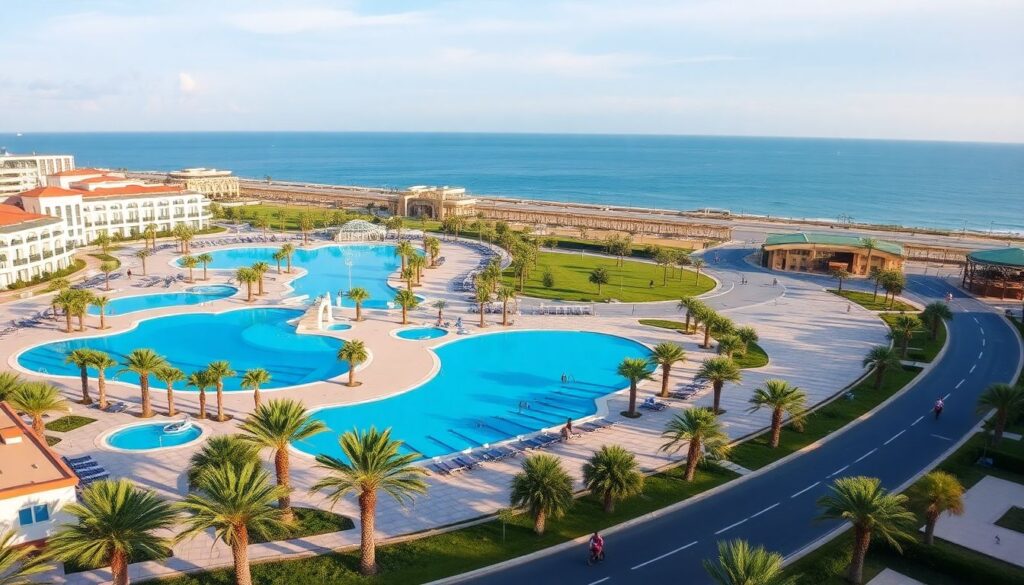
Belek is known for golf, but triathletes know it for something else: integrated resort complexes with pools, access to safe enough roads at off‑peak times, and the Mediterranean on the doorstep.
Many Turkey triathlon and cycling training camps quietly happen here in late winter and early spring. Coaches choose Belek for three rational reasons:
1. Short transfers from Antalya airport.
2. High probability of swimmable sea plus usable outdoor pools.
3. Hotels accustomed to teams arriving with bike boxes and awkward training schedules.
Real case: a coach from Scandinavia tested three different resorts over three years. His conclusion was precise: the “best” hotel was not the one with the biggest spa, but the one that allowed:
– Breakfast from 6:00 a.m. on request
– Post-lunch late checkout for athletes after brick sessions
– Temporary bike mechanic corner in a meeting room
These operational concessions matter far more than another restaurant or bigger slides.
Brick Sessions, Heat, and Hydration: Local Realities
Turkey’s climate can be an asset or a trap. Spring in Antalya feels perfect — until you try a midday brick session and realize how quickly dehydration hits on black asphalt.
Lifehack from pros who camp there regularly:
1. Run bricks early or late; keep midday slots for swimming, strength, or naps.
2. Use shaded hotel corridors or underground parking for short, high‑intensity indoor intervals on the bike if needed.
3. Buy local electrolytes or bring your own; don’t rely on generic hotel drinks.
This might sound trivial, but a surprising number of age‑group triathletes lose two or three days of their camp to mild heat exhaustion simply because they tried to “make the most of daylight”.
—
How to Choose a Region: Matching Destination to Training Goals
Step-by-Step Framework for Smart Planning
Instead of jumping at glossy sports tourism in Turkey packages, reverse the process. Start from your training objective and work backwards.
1. Define your main sport and phase of training
– Base endurance → longer, steady routes, mild climate
– Pre-competition → race‑specific conditions (heat, hills, open water)
2. Map climate and terrain
– Need stable sun and warm sea → Antalya coast
– Need hills and cooler air → Fethiye, Alanya hinterland, Cappadocia
3. Check sports infrastructure, not hotel stars
– Lap pool hours, bike storage, access to routes, marked swim areas
4. Evaluate logistics and time cost
– Transfer from airport to hotel
– Daily transfer needs to reach training sites
5. Plan support and safety
– Solo → choose areas with visible sports community or guides
– Group → budget for support car and local mechanic time
This systematic approach filters out 80% of “beautiful but impractical” options.
—
Non-Obvious Tips & Professional Lifehacks
Using “Tourist” Services Like an Athlete
You don’t always need a specialized sports hotel. Often, you just need to use standard services differently.
– All-inclusive buffets as nutrition labs
Test pre‑race breakfast options by replicating race‑morning meals from available foods. Take notes on what sits well before runs or rides.
– Spa zones as recovery centers
Schedule sauna and cold plunge after your longest training days, not randomly. Think “periodized recovery”, not random wellness.
– Kids’ animation schedule as a planning tool
In family trips, align your key sessions with kids’ clubs or activities. It’s the only way to keep both training and family peace.
Combining Work, Training, and Holiday: Remote-Athlete Tactics
Many athletes now travel with laptops. Turkey’s decent internet in major resorts makes hybrid “work‑train‑vacation” weeks possible — if you avoid some traps.
Alternative time-management method that actually works:
– Morning: key session (run or bike), before work hours
– Midday: focused work block in air-conditioned room
– Late afternoon: second, lighter session (swim, strength)
– Evening: short walk or tourist activities
The mistake is trying to sightsee hard every day. A better pattern is 2–3 “tourist light” days during the week and one fully free day, with training reduced or turned into an easy social run.
—
Conclusion: Turkey as a Serious Training Ground, If You Treat It Seriously
If you expect Turkey to be a ready-made sports machine like some classic European training hubs, you’ll be disappointed. Infrastructure is uneven, and tourist marketing often hides the real athletic potential behind waterslides and buffets.
But if you approach it analytically — select region by training needs, check logistics, question hotel routines, and borrow some of the strategies used by clubs and pros — Turkey becomes a remarkably efficient base for running, cycling, and water sports.
The country’s mix of climate zones, varied terrain, and large resort capacity means you can fine‑tune almost any type of camp: from relaxed Turkey running and cycling tours to focused performance weeks in low‑key hotels that never appear on glossy lists of the best sports resorts in Turkey for active holidays.
The difference between a “random holiday with a few runs” and a high‑quality training camp in Turkey is not the budget. It’s planning, asking the right questions, and being willing to choose function over spectacle.
Комментарии