Behind major sports events in Turkey sit three pillars you must control: precise organization, layered security, and enforceable broadcast rights. Most failures come from late permits, weak venue coordination, under-scoped risk assessments, and vague media deals. Fix them early with clear workflows, realistic timelines, and contracts adapted to Turkish law and practice.
Operational highlights for stakeholders
- Lock the regulatory path first: calendar, permits, police approvals, and broadcasting clearances before signing big commercial promises.
- Choose venues and local partners based on proven file history, not only on capacity or price.
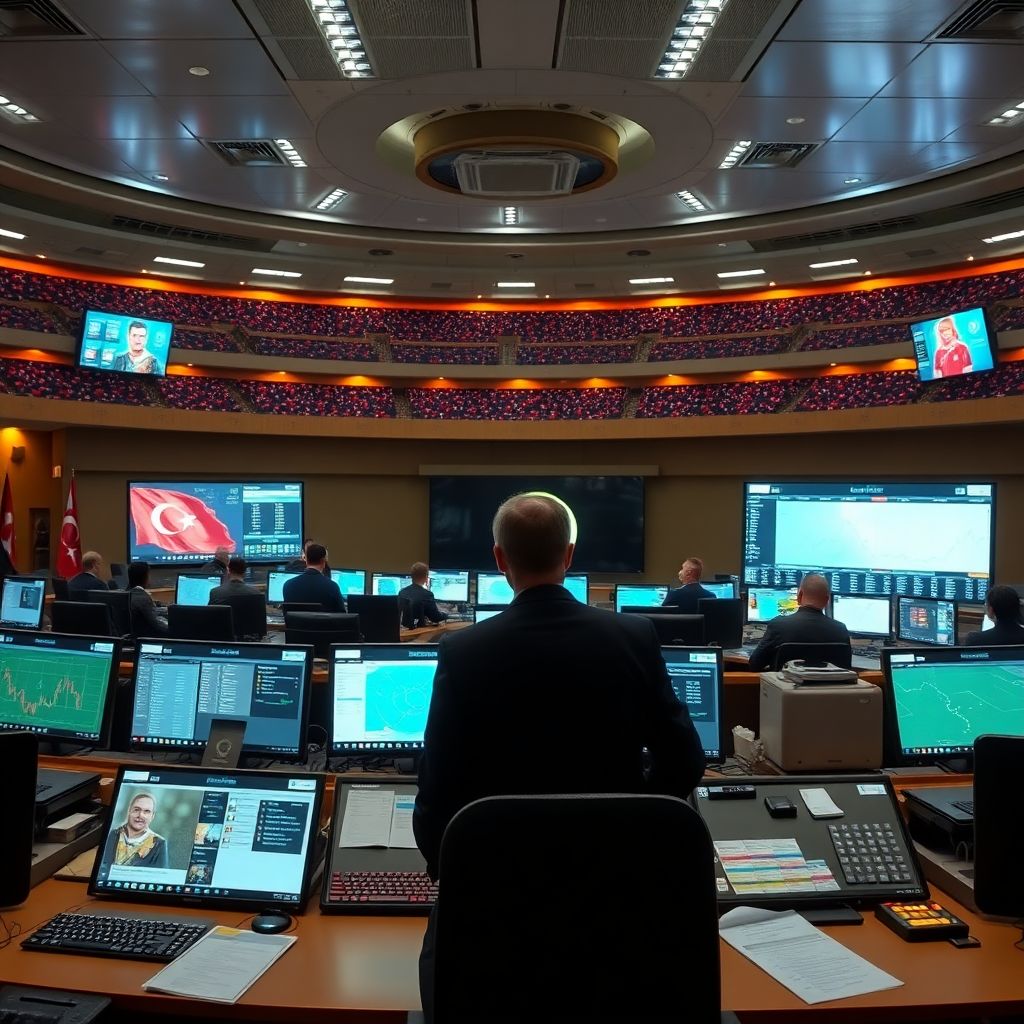
- Design security as a system: risk mapping, layered access, command center, and post‑event review.
- Turn broadcast rights into a structured product, not a last‑minute add‑on to sponsorship decks.
- Use realistic sales curves for tickets and sponsors, aligned with Turkish fan habits and broadcaster schedules.
- Document everything in English and Turkish to avoid on‑site disputes between operators, clubs, authorities, and TV crews.
Debunking myths about hosting major sports in Turkey
Myth 1: “Turkey is too complex; only federations can run big events.”
Reality: the system is structured but open. Experienced turkey sports event management companies often co‑produce with federations, clubs, municipalities, and broadcasters.
On a recent Istanbul continental final, the LOC was a joint venture: international federation, Turkish federation, city authorities, and a private operator sharing clear workstreams.
Myth 2: “If a venue already hosts league games, it can automatically host anything.”
International events add different accreditation loads, media zones, VVIP demands, and sponsor activations.
A Super Lig stadium that works on weekends may fail for back‑to‑back sports events in turkey 2024 style tournaments without expanded compound space and temporary infrastructure.
Myth 3: “Police will handle everything about safety and crowd movement.”
Police control public order; you must design operational flow. Private stewards, medical teams, transport operators, and sports event security services turkey providers form one integrated plan.
At a recent derby in Istanbul, congestion at turnstiles came from poor gate allocation, not from policing quality.
Myth 4: “Broadcasters will fix production details after you sign the contract.”
Broadcasters protect their brand; they do not rescue poor planning. You must secure sightlines, cabling routes, mixed zones, and commentary positions before you negotiate sports broadcasting rights turkey wide.
Leaving OB‑van parking and power planning to the last month is a near‑certain way to create friction and cost overruns.
Regulatory framework and permit workflows
Myth: “Permits are a single letter from the federation or governor’s office.”
In practice, permits are a chain of approvals across ministries, city, federation, and sometimes international bodies.
- Secure calendar acceptance. Confirm dates with the Turkish federation, international federation (if relevant), and stadium owner before public announcements.
- Request municipal and governorate approvals. Align on crowd size, traffic plans, noise limits, and emergency routes; include public transport operators.
- Formalize safety and medical plans. Submit integrated documents covering stewarding, policing, ambulances, and hospital coordination.
- Lock event insurance. Do not start construction or major ticket campaigns until liability and cancellation insurance are in place.
- Coordinate immigration and customs. For international squads and TV gear, pre‑clear visa types, carnets, and temporary import papers.
- Align rights and taxation. When you buy tv rights for sports events turkey based, verify withholding tax, VAT, and revenue recognition rules before signing.
- Freeze a regulatory checklist. Track every document (letters, protocols, licenses) with deadlines, owners, and language versions.
Venue readiness: logistics, infrastructure and local partners
Myth: “Once you book the stadium, logistics are solved.”
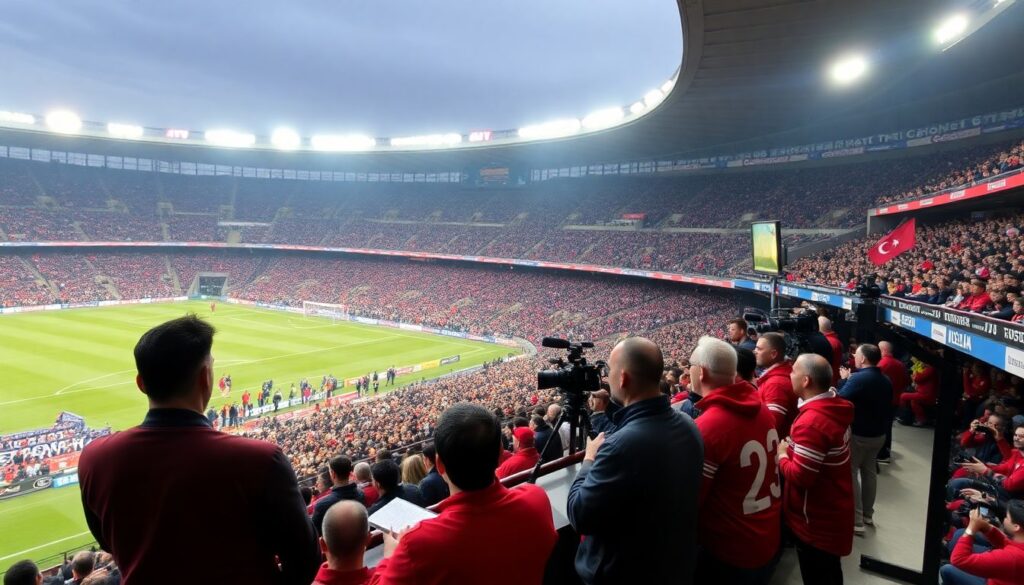
Stadium hire is only the shell. You must prove that every functional area can operate under event‑day stress.
-
National football finals.
Common mistake: copying regular league operations. For a Turkish Cup final, you need extra media tribune capacity, expanded hospitality, and more robust turnstile staffing.
Fix: run a detailed overlay plan and a live rehearsal with all venue teams at least once.
-
City‑wide road races.
Marathons and triathlons need temporary structures scattered across the city.
In Istanbul races, coordination between districts, police, ferries, and sponsorship activations is critical; one missed intersection can block elite timing vehicles.
-
Indoor arenas for basketball or volleyball.
Mistake: underestimating rigging, LED content, and locker‑room rotation for tight TV windows.
Fix: agree loading schedule, rigging plots, and warm‑up times with the arena and broadcaster before finalizing the match schedule.
-
Secondary cities and emerging venues.
Here, strong local partners matter more than capacity. Identify reliable turkey sports event management companies or agencies already trusted by municipalities.
They unblock local suppliers, signage, language gaps, and last‑mile logistics for teams and VIPs.
-
Multi‑day international tournaments.
Mistake: no central logistics HQ. Teams, referees, and TV crews receive conflicting instructions.
Fix: one ops center manages arrivals, training schedules, laundry, catering, and shuttle routing using simple shared tools.
Security architecture: threat assessment to crowd control
Myth: “More security staff automatically means safer events.”
Safety depends on design, communication, and training, not just headcount.
Advantages of a layered security model
- Clear threat picture. Early risk assessment with police, intelligence, and stadium security helps classify threats: hooliganism, terrorism, cyber, or infrastructure failure.
- Defined perimeters. Outer, middle, and inner rings around the venue support smoother crowd filtering and reduce pressure at gates.
- Integrated command structure. A joint control room with CCTV, radio logs, and liaison officers accelerates decisions during incidents.
- Visible but proportionate presence. Balanced use of uniformed police, stewards, and medical teams increases fan confidence.
- Post‑match resilience. Planned egress routes and transport coordination reduce clashes and accidents after the final whistle.
Constraints and recurring weak spots
- Last‑minute asset changes. New VIP gates or sponsor fan zones added late will break carefully designed flows.
- Communication failures. Different radio systems for stewards, police, and medical staff slow reaction times.
- Training gaps. Temporary workers may not know escalation rules, especially in bilingual contexts.
- Overreliance on technology. CCTV and drones help, but manual crowd observation and experienced supervisors remain essential.
- Perimeter conflicts. Nearby malls, residences, or transport hubs create grey zones; clarify who controls each area.
Negotiating and enforcing broadcast and media rights
Myth: “Broadcast rights are a standard template from the TV channel.”
In reality, sports broadcasting rights turkey wide are bespoke packages: live, delayed, highlights, clips, streaming, and in‑venue screens each carry different values and obligations.
-
Error: Selling everything in one vague bundle.
Result: no room for digital sponsors or social media monetization.
Prevention: separate live rights, OTT, social clips, and archive use in your RFP and contract.
-
Error: Ignoring production standards.
Low camera count, weak audio, or poor graphics can damage event perception for years.
Prevention: attach minimum production specs, including camera plan and language versions, to your agreement.
-
Error: Weak territory and language definitions.
Unclear wordings cause disputes when foreign platforms or airlines rebroadcast content.
Prevention: define territories, languages, and allowed platforms precisely, especially for regional deals.
-
Error: No on‑site rights enforcement.
Unauthorized crews, influencers, and betting streams can appear inside the venue.
Prevention: create a rights map, accredit only permitted cameras, and empower security to act on infringements.
-
Error: Omitting force majeure and schedule flexibility.
Weather, travel issues, or security alerts can move kick‑off times.
Prevention: include clear rescheduling rules, crew overtime mechanisms, and cost‑sharing principles.
Commercial planning: sponsorship, ticketing and revenue streams
Myth: “If the event is big enough, money will naturally flow.”
Financial success is designed months in advance through realistic budgeting, segmented ticketing, and targeted sponsorship offers.
Mini‑case: a multi‑day tournament in Antalya
- Month −12 to −9: Build top‑line budget, segment tickets (local fans, tourists, corporates), and pre‑test interest with federations and city partners.
- Month −9 to −6: Approach anchor sponsors from tourism, banking, and telecom; show them structured rights (branding, hospitality, digital, content).
- Month −6 to −3: Finalize ticket prices, soft‑launch to fan clubs, and open sales to general public with clear refund policies.
- Month −3 to event: Fine‑tune promos around key matches, partner with local hotels and airlines, and cross‑promote with broadcasters.
By integrating ticketing strategy, media exposure, and local tourism partners, organizers stabilized cash flow and reduced dependence on a single headline sponsor.
Throughout planning, keep one integrated P&L that connects operational costs, security upgrades, and broadcast revenue. This avoids over‑spending on show elements that add little value to sponsors or TV partners and keeps your business model sustainable across future sports events in turkey 2024 and beyond.
Practical answers to recurring organizer dilemmas
How early should I lock the venue and dates for a major Turkish event?
Secure a soft hold with the venue and key authorities at least a year out, then confirm once calendars align. Only after that should you sign major sponsorship and broadcast commitments.
Do I really need a separate security consultant if police are involved?
Yes, for most sizable events. A dedicated security planner bridges your operations, the stadium, private stewards, and public forces into one coherent plan.
When should I start talking to broadcasters about rights?
Start informal talks as soon as you have a venue window, even before full financing. Early input from broadcasters helps you avoid design mistakes in mixed zones and camera positions.
How can smaller organizers access TV or streaming without big budgets?
Partner with regional channels, digital platforms, or federations that already own infrastructure. Structure revenue sharing and keep production standards realistic but consistent.
What is the fastest way to avoid ticketing chaos on match day?
Test the ticketing system under load, open gates early, and overstaff key turnstiles. Provide simple bilingual signage and real‑time coordination between ticketing, security, and venue control.
Can I reuse one contract template for all my Turkish events?
You can use a base structure, but always adapt for venue owner, city, federation, and broadcaster specifics. Re‑check tax, insurance, and liability clauses for each new project.
Where do local agencies fit if I already have an international promoter?
Local agencies provide cultural insight, supplier networks, and crisis handling. Combine international know‑how with local execution rather than trying to replace one with the other.