Historical roots of Turkish fan culture
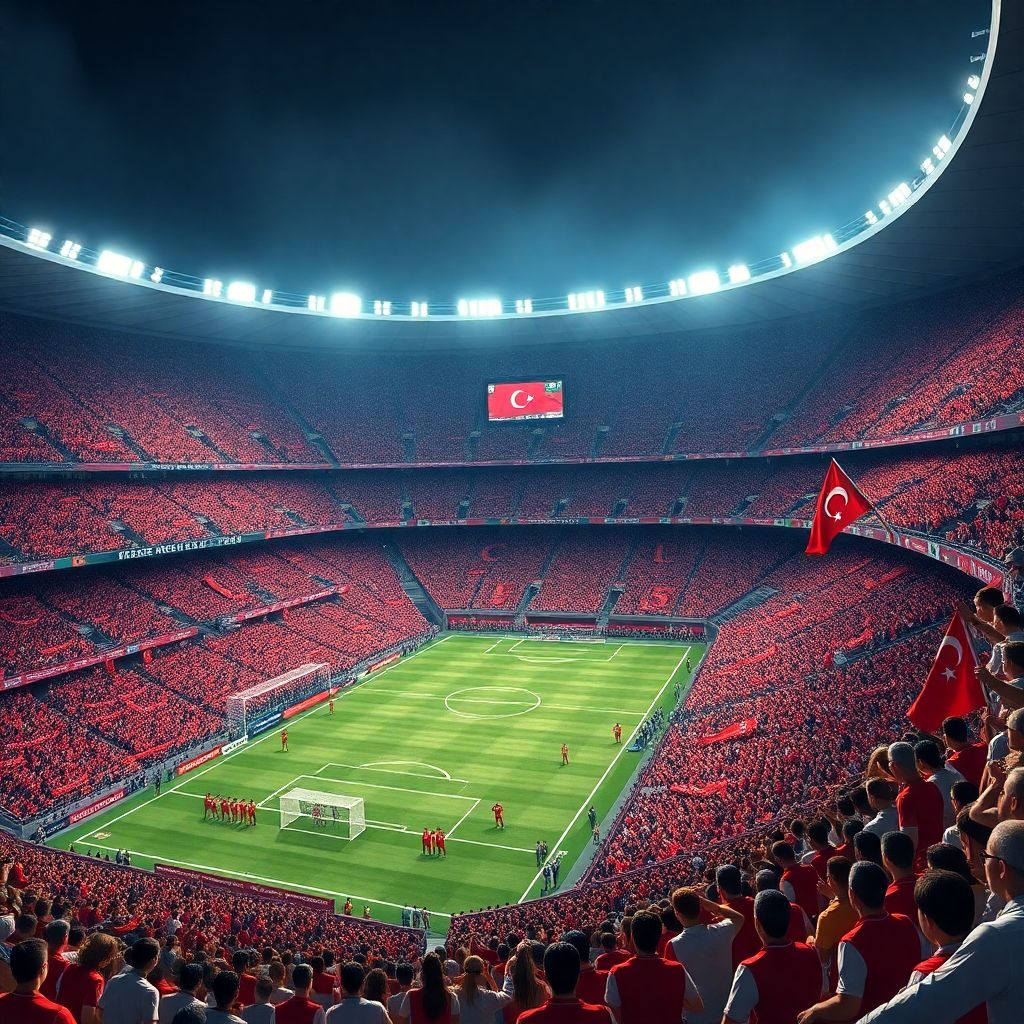
Turkish fan culture didn’t appear overnight. In the 1960s and 70s, when organized supporter groups first formed around Istanbul giants, terraces became a place to sing, argue politics and show local pride. By the 1990s, with European nights in Istanbul and televised leagues, chasing turkish football tickets best stadium atmosphere turned into a national hobby. The stands evolved from loose crowds into choreographed, drum‑driven collectives whose noise level and visual shows started to influence not just moods, but measurable team performance at home.
From neighborhood pride to nationwide identity
Initially, fans mostly represented their districts: Kadıköy for Fenerbahçe, Galatasaray’s roots in the old school community, Beşiktaş tied to the working‑class coastline. Over time, migration and satellite TV spread affiliations far beyond city borders, so clubs gained massive fan bases across Anatolia and among the diaspora. By 2026, a derby in Istanbul is not just a local game; it’s a national ritual followed from Berlin to Sydney, with chants synced on social media and fan clubs abroad timing their watch parties to feel “inside the stadium” emotionally.
Modern arenas and changing regulations
The 2010s brought all‑seater stadiums, e‑ticket systems and stricter policing. At first, many feared this would kill the old spontaneity of the stands. Instead, supporters adapted: megaphones turned into coordinated WhatsApp groups, and fan leaders started planning chants like coaches plan tactics. VAR, extended added time and packed fixture lists in 2026 mean momentum swings more often, so emotional waves from the stands matter even more. Noise now peaks precisely around set pieces and pressure moments, amplifying home‑field advantage beyond what stats from the early 2000s would predict.
Basic principles: how fans actually affect performance
Sports psychologists often explain it simply: players react to cues. In Turkish stadiums those cues are overwhelmingly emotional. A defender hearing 40,000 people inhale before a corner will attack the ball differently. Referees, too, are human; there’s data showing more fouls and cards against visiting teams in the loudest arenas. When the crowd sustains a chant for several minutes, home players report feeling “carried” through fatigue, which is vital in the final 15 minutes where many Turkey Super Lig games, and sometimes titles, are decided by tiny bursts of extra intensity.
Three key mechanisms of influence
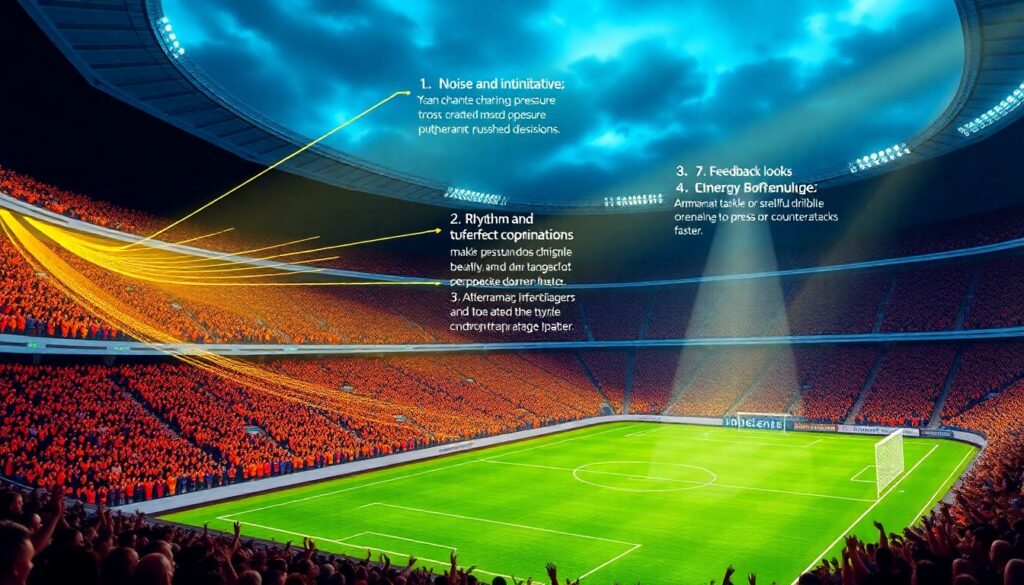
1. Noise and intimidation. Constant chanting raises stress for opponents and can rush their decisions.
2. Rhythm and timing. Coordinated clapping sets a physical tempo, nudging teams to press or counter faster.
3. Feedback loops. A single tackle or dribble triggers a roar, which boosts player confidence, leading to more bold actions.
These three elements combine into a kind of “12th player” effect that is especially visible in tight matches, where emotional balance matters as much as tactics or fitness levels.
Home comfort and social pressure
There’s another side: pressure on home players. Turkish supporters are passionate, and criticism can be sharp. Yet even this usually helps performance when managed well. Coaches in 2026 often talk about “channeling the noise”: using veteran players to soak up tension and give youngsters space. When fans feel heard—through open meetings, social media Q&As or simple post‑game applause laps—the environment shifts from judgmental to protective, making the stadium feel like a shared project instead of a weekly exam.
Commercial side: tickets, VIP and expectations
Modern fan culture isn’t just about ultras behind the goals. Corporate guests and tourists looking for Turkey Super Lig match hospitality VIP packages also shape the atmosphere. Clubs face a tricky balance: monetize big games without turning stands into quiet lounges. The most successful ones separate hardcore sections from VIP areas but encourage them to interact—pre‑game shows, coordinated scarves, shared anthems. Done right, even a hospitality guest stands up to chant at a crucial corner, adding voice to the wall of sound instead of diluting it.
Real‑world examples from Turkish stadiums
Ask any player who’s experienced a Galatasaray vs Fenerbahce derby: they’ll tell you the match starts long before kickoff. When people hunt for galatasaray vs fenerbahce derby tickets istanbul weeks in advance, they’re not just buying a seat; they’re signing up for an emotional marathon. Choreographies are rehearsed, chants updated, and social media wars fought. On the pitch, tackles fly in harder, sprints last a bit longer and concentration spikes because nobody wants to be the one who disappoints tens of thousands already hoarse from singing.
Beşiktaş and the “wall of sound”
Beşiktaş supporters have long been famous for ear‑splitting volume. The move to Vodafone Park didn’t water that down; it reshaped it. The steep stands were designed to trap noise, so when people grab besiktas vodafone park match tickets buy online, they’re effectively booking a spot inside a giant amplifier. Opposing teams often struggle to communicate, and coaches switch to simpler match plans because complex instructions get lost. Statistical analyses after 2016 showed a noticeable bump in Beşiktaş’s home win rate, aligning neatly with the new stadium’s acoustic power.
Basketball arenas: closeness and constant noise
Football gets most of the global attention, but the impact of fans is just as sharp in hoops. In smaller, enclosed venues, Turkish basketball league game tickets istanbul arena offer a more intimate version of the same phenomenon. Fans are almost on top of the court, drums echo off the roof, and referees hear every reaction. A single three‑pointer can flip the atmosphere from tense to volcanic, pushing teams into scoring runs. Coaches talk about “using the crowd” by calling timeouts right before big offensive plays to maximize emotional swing.
Provincial clubs and community energy
Outside Istanbul, cities like Trabzon, Konya or Adana turn matchdays into civic celebrations. Streets around the stadium close, grills appear, and strangers discuss line‑ups over tea. Players who grow up in these regions often dream specifically of hearing their name chanted there. That deep local connection creates a unique type of pressure: not abstract “fans on social media,” but neighbours, relatives, people from the same school. When a team chases promotion or fights relegation, that shared identity often translates into desperate, last‑minute comebacks fueled by sheer will.
Common misconceptions about Turkish fan culture
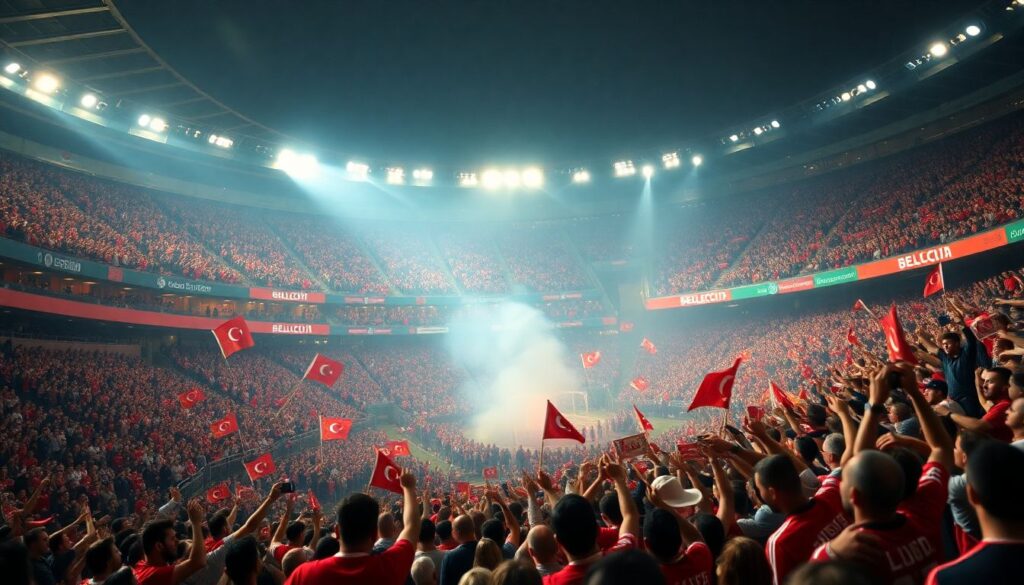
One widespread myth is that loud support automatically equals better results. In reality, relentless screaming without rhythm can exhaust both fans and players. The most effective Turkish crowds are surprisingly organized: chants are timed, silence is occasionally used as tension, and leaders read the mood of the match. Another misconception is that atmosphere is “natural” and doesn’t need care. In truth, it’s curated through years of traditions, songs, rituals and negotiations with club management and security about what is allowed and what crosses the line.
“Fans only help, never harm”
It’s comforting, but not always true. Excessive pressure, booing after one error or toxic abuse on social media can drain confidence, especially in young players. Coaches now actively train squads to handle this, using psychologists and media sessions. Clubs also work with supporter groups to set informal “codes”: backing the team until the final whistle, saving criticism for later. When these unwritten rules hold, the energy in the stadium pushes players forward; when they break, the same crowd can become a source of anxiety and rushed, panicked decisions.
“Tourists ruin the atmosphere”
With global interest rising, especially in 2026, there’s a fear that visitors chasing a famous matchday experience will dilute local passion. Reality is more nuanced. Yes, someone attending their first game might not know the club’s entire songbook, but curiosity often turns into long‑term attachment. Smart clubs print chant sheets, run pre‑game videos with lyrics and invite newcomers into the experience. When handled this way, external demand for turkish football tickets best stadium atmosphere simply adds new voices to traditional choirs instead of replacing them.
Looking ahead: digital age and future trends
As streaming platforms grow and kick‑off times move for global audiences, the role of the stadium crowd becomes even more symbolic. Supporters want broadcasters to hear them clearly; they see themselves as part of the product. Fan‑driven initiatives—QR‑code choreos, coordinated smartphone lights, live‑voted chants—are likely to expand by 2030. One thing, though, seems stable: whether you’re in a football temple or a packed basketball hall, Turkish teams feed off real, shared emotion. As long as that exists, home advantage in this country will remain something special.