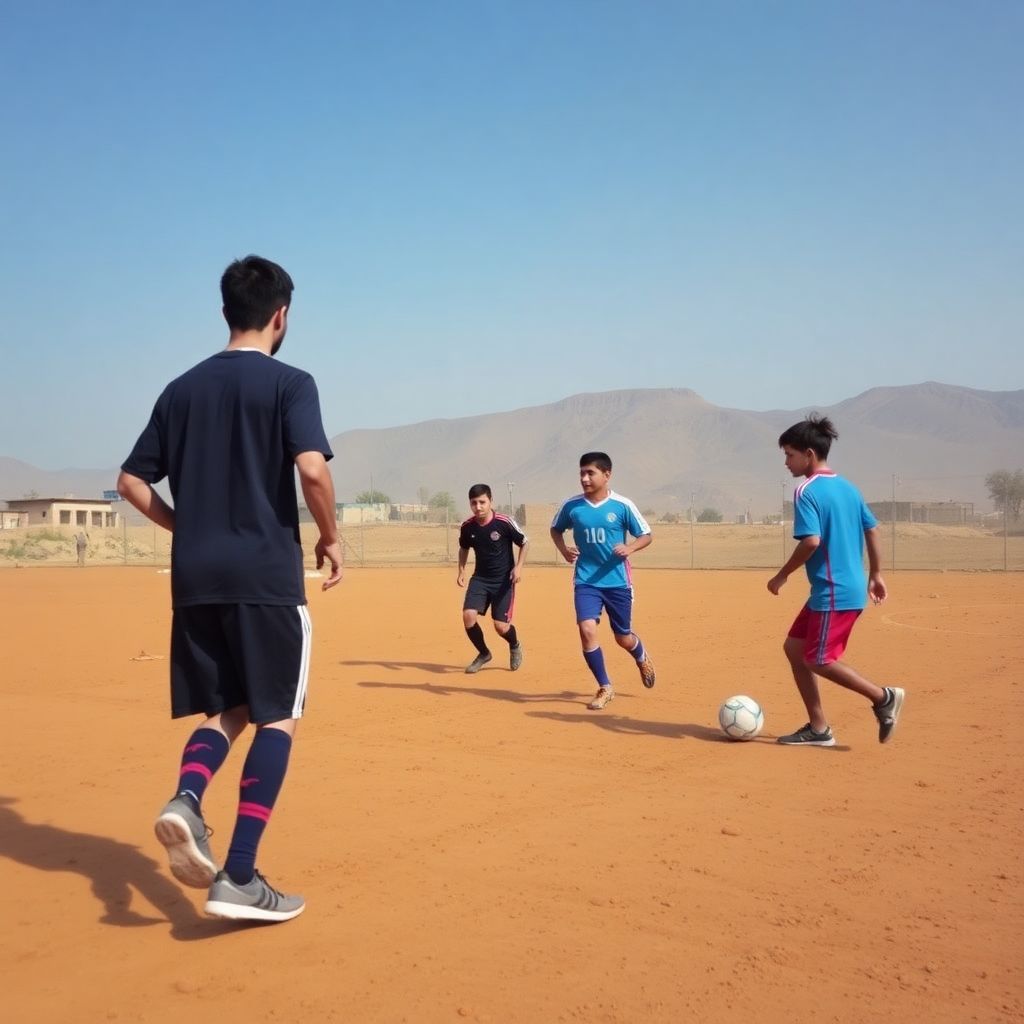
Grassroots football in Anatolia grows when small towns connect village pitches, schools, and local clubs into one clear pathway, then link it to regional academies and scouts. Focus on safe, age-appropriate training, community volunteers, simple tracking of progress, and realistic exits into professional football trials for young players in turkey.
Core Principles for Developing Talent in Anatolian Grassroots Football
- Start with a clear local pathway from village games to the nearest licensed club and provincial league.
- Use low-cost, safe training methods that work on poor pitches and with limited equipment.
- Build a stable volunteer network of coaches, teachers, and parents around the team.
- Integrate schools into youth soccer development programs in turkey to keep players learning and training.
- Create transparent links to grassroots football academies in turkey, scouts, and regional trial events.
- Measure progress with simple match statistics, behaviour indicators, and long-term player tracking.
- Communicate regularly with families so talent development stays sustainable and culturally grounded.
Mapping Local Talent Pipelines: Village to Provincial Club
This approach suits small Anatolian towns and districts that have at least one active club, regular school football, and safe access between villages and town centres. It is not ideal where there is serious security risk on travel routes or no consistent adult willing to coordinate players.
Preparation: Understand Your Local Football Ecosystem
- List all schools, informal village teams, and registered clubs in a 30-40 km radius.
- Note which age groups each currently serves (U10, U12, U14, U16, U18, seniors).
- Identify teachers or coaches already interested in football in each location.
- Map public transport, safe walking routes, or car-pooling options to the main training ground.
- Check basic requirements of your provincial football association for league registration.
Action: Build the Pipeline Step by Step
- Define clear age bands and stages – Decide which ages you will support now (for example U12, U14, U16) and which will come later.
- Align your stages with how youth soccer development programs in turkey structure age groups.
- Assign at least one adult contact per age band (coach, teacher, parent leader).
- Connect villages to a town hub – Schedule one regular training hub per week in the main town, plus local sessions in villages.
- Agree on fixed days and times that match school schedules and prayer times.
- Arrange transport: shared minibus, parent cars, or school buses where allowed.
- Link school football with club football – Use school tournaments as your scouting ground.
- Ask PE teachers to note promising players and share simple contact sheets.
- Invite selected players to train once a week with the town hub team.
- Create transparent movement rules – Explain how a player can move from village team to town team to provincial squad.
- Use a simple rule such as: attend training twice a week and show discipline to be eligible for selection.
- Share the same rules with players and families to avoid conflicts.
- Schedule exposure to higher levels – Once or twice per season, play friendly matches against stronger clubs.
- Target grassroots football academies in turkey or urban clubs that agree to host safe, educational friendlies.
- Use these matches to observe who adapts well to higher pace and pressure.
Verification: Signs Your Pipeline Is Working
- You can list, by age group, which players are in village teams, town teams, and provincial squads.
- Attendance is stable across a whole term, not collapsing during exams or harvest seasons.
- Teachers and parents know whom to call when a new talented player appears.
- At least a few players per season step up one level without conflict between teams.
Community Infrastructure: Facilities, Funding and Volunteer Networks
Building sustainable football in small Anatolian towns depends on making the most of basic facilities, small local budgets, and a committed group of volunteers. The tools you need are simple, but you must structure them carefully to protect children and respect local community dynamics.
Requirements Checklist: Facilities and Equipment
- One safe playing area (grass, dirt, or artificial) with clearly marked touchlines and goals.
- Minimum of 6-8 good-quality balls for team training; cheaper training balls for warm-ups.
- Cones or plastic markers; if unavailable, use stones or bottles but ensure they are safe.
- Basic first-aid kit with bandages, disinfectant, ice packs, and emergency contact numbers.
- Access to drinking water near the pitch and shade for hot days.
- Secure storage (school room, club cabinet, locked room at mosque or municipality) for equipment.
Requirements Checklist: Funding Sources
- Small municipal or district sports budget allocations where available.
- Local business sponsors (markets, cafés, workshops) for kits, transport, or tournament fees.
- Player family contributions that stay modest and transparent to avoid exclusion.
- Occasional fund-raising matches or community events (for example village vs village).
Requirements Checklist: Volunteers and Roles
- Head coach or coordinator to plan training and manage communication.
- Assistant coaches, ideally younger ex-players from the area.
- Team parent representatives, one per age group, to organise transport and collect information.
- Medical contact (nurse, doctor, or trained first-aider) reachable on training and match days.
- Admin helper to manage registration, contact lists, and trial or camp applications.
Template: Simple Volunteer Pitch
Script example: “We are building a safe football program for our children in [Town/Village]. We need adults to help with transport, supervision, and basic organisation. You choose how much time you can give; even one afternoon a week will make a difference.”
Verification: Infrastructure Is Ready When
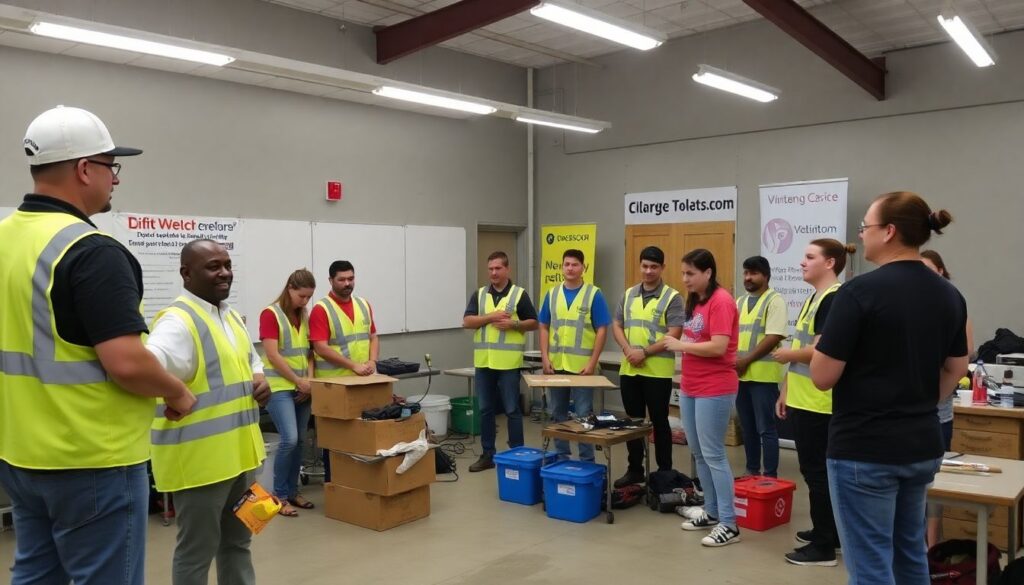
- Every training session has a designated adult responsible for safety and first aid.
- Equipment can be accessed and returned without chaos or loss.
- At least two funding streams exist, so the program does not stop if one sponsor withdraws.
- Volunteers understand their tasks and can be replaced if they move away.
Coaching on a Shoestring: Training Methods for Resource-Limited Settings
Safe, effective training in Anatolian grassroots settings is possible with minimal equipment if sessions are well planned, age-appropriate, and focused on ball contact, decision-making, and enjoyment rather than heavy physical loads or risky drills.
Preparation Checklist Before Designing Sessions
- Confirm the exact number of players expected and their age range for each session.
- Check the pitch condition (holes, stones, glass) and remove visible hazards before children arrive.
- Prepare a written session plan with warm-up, main drills, and cool-down, each with clear timing.
- Agree simple behaviour and safety rules (no sliding on hard ground, no tackles from behind).
- Keep emergency contacts and local clinic or hospital information easily accessible.
Step-by-Step: Low-Cost Session Structure
- Start with a dynamic, ball-based warm-up – Avoid static stretching at the very beginning.
- Use simple movements: jogging, side steps, high knees with a ball at feet.
- Emphasise gradual increase in intensity over 8-10 minutes.
- Introduce a core technical focus for the day – Choose one main theme only (for example passing, first touch, or 1v1 attacking).
- Demonstrate slowly, then let players try at their own pace.
- Keep lines short; small groups with plenty of ball contact are safer and more effective.
- Use small-sided games instead of long, full-pitch matches – 3v3, 4v4, or 5v5 reduce physical load and increase decisions.
- Mark small fields with cones or visible objects; adjust size to age and fitness.
- Apply simple conditions (max two touches, or must pass before scoring) to guide learning.
- Integrate safe physical development – Use bodyweight exercises and running games, not heavy external loads.
- Squats, lunges, core stability, and coordination ladders (can be drawn in the dirt).
- Avoid intense heading practice, especially for younger age groups.
- Finish with a cool-down and reflection – Gradually reduce intensity, stretch gently, and talk briefly.
- Use short static stretches for major muscle groups and slow walking.
- Ask two quick questions: “What did we learn?” and “What should we improve next time?”.
Template: Simple Session Plan Note
Example outline: Warm-up (10 minutes, ball-movement games) → Technical drill (20 minutes, passing in triangles) → Small-sided games (25 minutes, 4v4 with 3-touch rule) → Physical work (10 minutes, coordination and core) → Cool-down and talk (10 minutes).
Verification: Safe and Effective Training Indicators
- Players finish tired but not exhausted; injuries are rare and mostly minor.
- Each player has many touches on the ball and is involved in decision-making during games.
- Attendance stays high because sessions are enjoyable and parents trust the safety standards.
Youth Identification and Retention: Trials, Schools and Family Engagement
Finding and keeping talented young players in Anatolia requires simple, fair identification events, strong integration with schools, and constant, respectful communication with families who may face economic or cultural constraints.
Checklist: Evaluating Your Identification and Retention System
- You run regular, open, age-grouped trial days at least once per year, not just informal selection.
- Each trial uses clear, written selection criteria (effort, basic technique, attitude, potential).
- School PE teachers know the dates of professional football trials for young players in turkey or regional selection days and share them with students.
- Parents receive information in simple language (and local dialect if needed) about training times, costs, and safety rules.
- Training schedules respect school exams and key family work periods (harvest, seasonal labour).
- Players who miss sessions are contacted quickly with a supportive message, not a punishment.
- There is a clear rule for late arrivals and absences so selection feels fair.
- Older teenagers are offered mentoring on combining education, work, and football ambitions.
- Any fees are explained in advance, and support options for low-income families are visible.
- You keep basic records of trial attendance, selection decisions, and follow-up for at least two seasons.
Template: Short Trial Invitation Message
Example text: “On [date] at [time], we will hold open football trials for players born in [years] at [location]. Participation is free. Bring sports clothes, water, and a parent or guardian if under 18. We focus on effort, discipline, and potential, not only current level.”
Pathways to Professionalism: Partnerships with Academies and Scouts
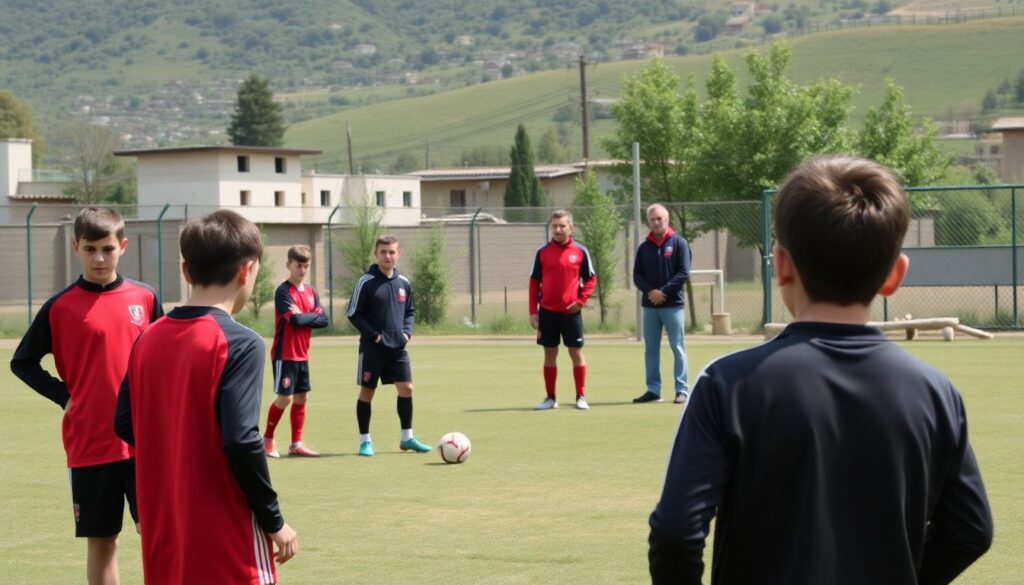
Turning small-town talent into professional opportunities depends on structured collaboration with clubs, grassroots football academies in turkey, and reliable scouts, while protecting players from unrealistic promises and exploitation.
Common Mistakes to Avoid in Building Pathways
- Relying on unverified agents instead of checking with established clubs or best football scouting agencies in turkey.
- Sending players to distant football training camps in anatolia without checking supervision, medical provision, and living conditions.
- Allowing individuals to promise contracts or scholarships without written confirmation from a recognised club or academy.
- Focusing only on one big club relationship instead of building several modest, stable partnerships.
- Ignoring education: pushing players to leave school too early for uncertain football opportunities.
- Failing to prepare players psychologically for rejection, which can lead to dropping out completely.
- Not informing families clearly about travel costs, risks, and realistic chances of selection at trials.
- Sending players to professional football trials for young players in turkey without prior match footage, basic statistics, or coach references.
- Not keeping a written record of which scouts and academies visited, what they observed, and their feedback.
Template: Basic Club or Scout Email
Example structure: “Dear [Club/Academy Name], we coach a grassroots team in [Town/Province] and would like to build a long-term relationship. We have players born in [years] and can share match videos and data. Could we arrange a friendly match or observation day in the coming months?”
Measuring Progress: Metrics, Match Analysis and Long-Term Tracking
Not every small-town project can use advanced software or detailed analytics. Different levels of measurement are possible, and each is better than relying only on memory or emotion after matches.
Alternative Approaches to Tracking Development
- Paper-based notebooks and season logs – Suitable when there is no stable internet or computer access.
- Record match results, line-ups, minutes played, goals, key actions, and simple injury notes.
- Review once a month to see which players progress or need attention.
- Basic spreadsheet or mobile app tracking – Works where at least one staff member has a smartphone or computer.
- Track attendance, position, goals, assists, and training test results (speed, endurance).
- Use simple charts to show improvement over a season, helpful when contacting scouts.
- Video-based review with simple tagging – Appropriate if someone can record matches on a phone.
- Re-watch key moments with players, focusing on decisions, not just goals.
- Store clips to send to academies or youth soccer development programs in turkey as evidence of level.
- Partnership with nearby university or sports school – Useful where such institutions exist and are open to cooperation.
- Students may help with fitness testing, data collection, or more detailed match analysis.
- In return, your team provides a regular source of practical experience for them.
Verification: Your Measurement System Is Good Enough If
- You can show, in writing, how a specific player has changed over a season.
- Selection decisions are based on observed data and behaviour, not only on emotions or friendships.
- Information is easy to share with families, schools, and potential partner clubs or scouts.
Practical Answers for Implementation Challenges and Pitfalls
How can a very small town start without an official club?
Begin as a school-based or community training group with written permission from school or municipality. Focus on safe training and participation. Once the group is stable, approach the provincial football association about registering a club or partnering with an existing one nearby.
What if we do not have enough qualified coaches?
Identify motivated ex-players or teachers and start with basic coaching courses offered by the federation or online. Pair inexperienced coaches with a more experienced mentor, and keep training activities simple, focusing on fundamental techniques and safe games rather than complex tactics.
How do we keep girls involved in football in conservative areas?
Offer separate training times or spaces if needed, ensure female supervision where possible, and communicate clearly with families about safety and modesty. Work through schools and trusted community leaders to show that the program supports health, discipline, and education, not just competition.
What can we do when families cannot afford travel or equipment?
Prioritise nearby competitions and shared transport solutions. Seek small sponsorships for boots and kits, create an equipment-sharing pool, and be transparent about any costs. Make sure that no child is excluded solely for financial reasons, even if that means rotating free places.
How should we choose which tournaments or camps to attend?
Check the organiser's reputation, safety measures, medical support, and accommodation first. Favour football training camps in anatolia or tournaments where development and fair play are emphasised over short-term results, and where scouts or academies with real links to clubs are present.
How do we protect players from dishonest agents?
Teach players and parents that no one can guarantee a contract. Require written information, verify with clubs directly, and liaise with recognised organisations or best football scouting agencies in turkey instead of isolated individuals. Never allow payments without clear, documented services and receipts.
How can we keep motivation high when no one is signed professionally?
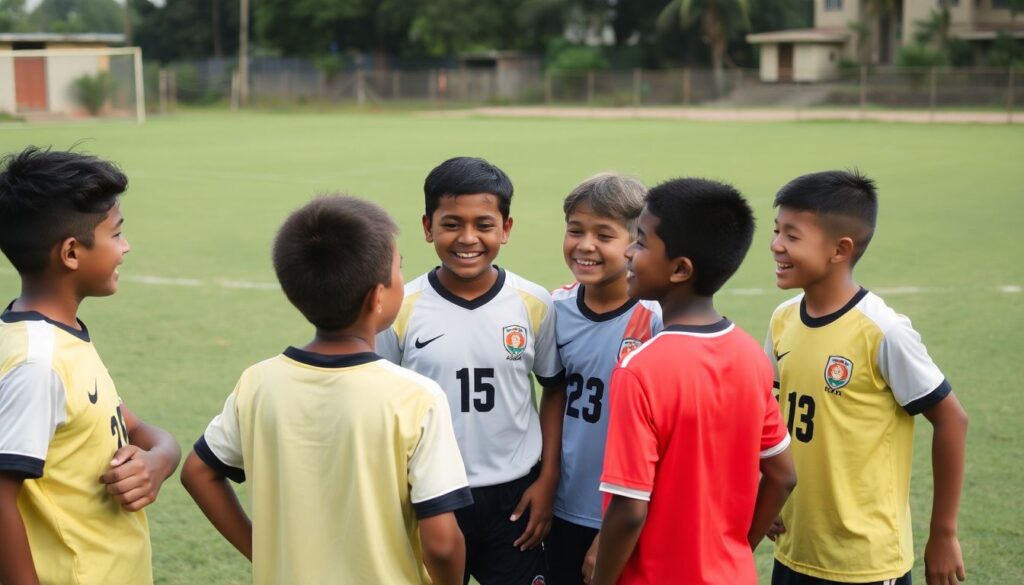
Celebrate smaller milestones: improved fitness tests, better school attendance, leadership, and local tournament results. Explain that football can open doors to education, jobs in sport, or coaching, not only to professional playing careers, and keep pathways realistic but hopeful.