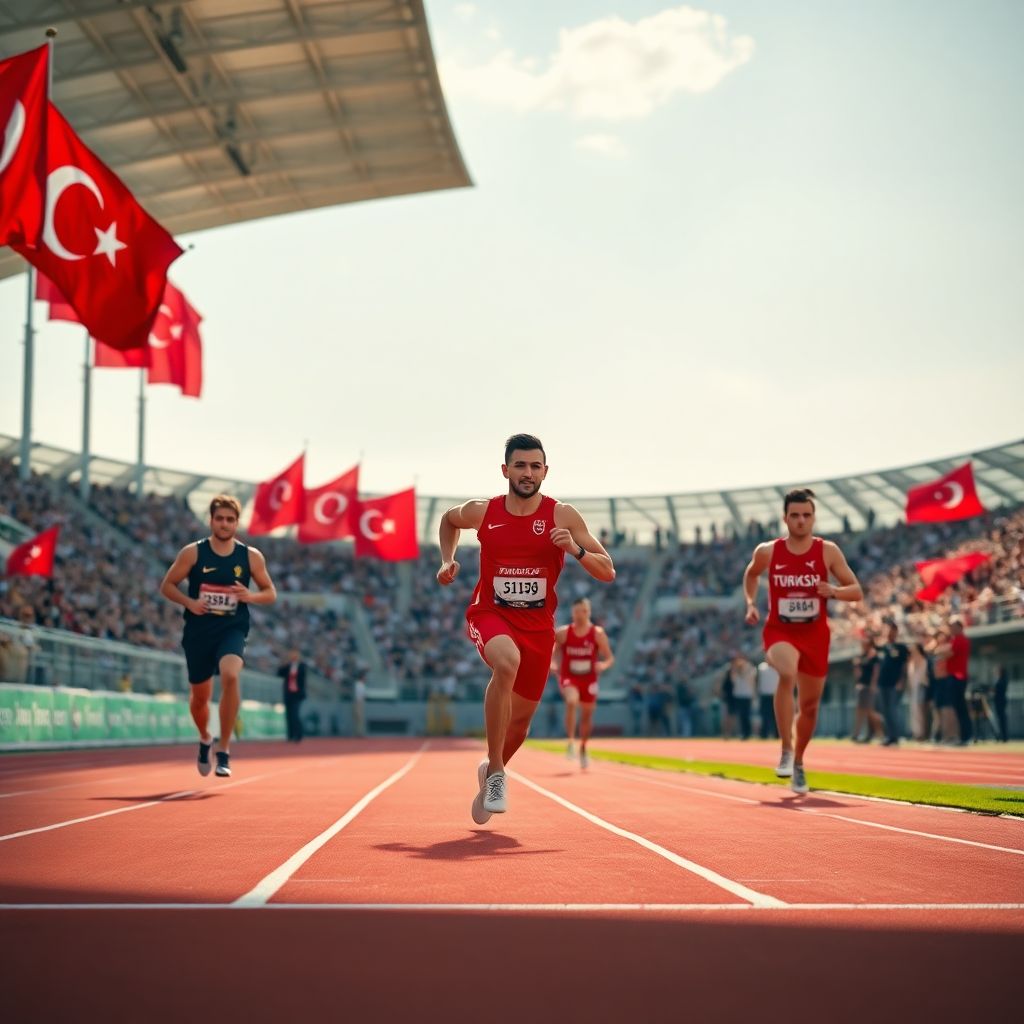
Turkish athletics is rising through a mix of naturalized and homegrown talents, stronger coaching, and smarter scheduling for global qualification. The national squad now regularly reaches finals and medals in sprints, middle distance, field events, and race walking. Understanding athletes to watch this season helps you follow rankings, meet calendars, and realistic podium chances.
What Often Gets Misrepresented About Turkish Athletics
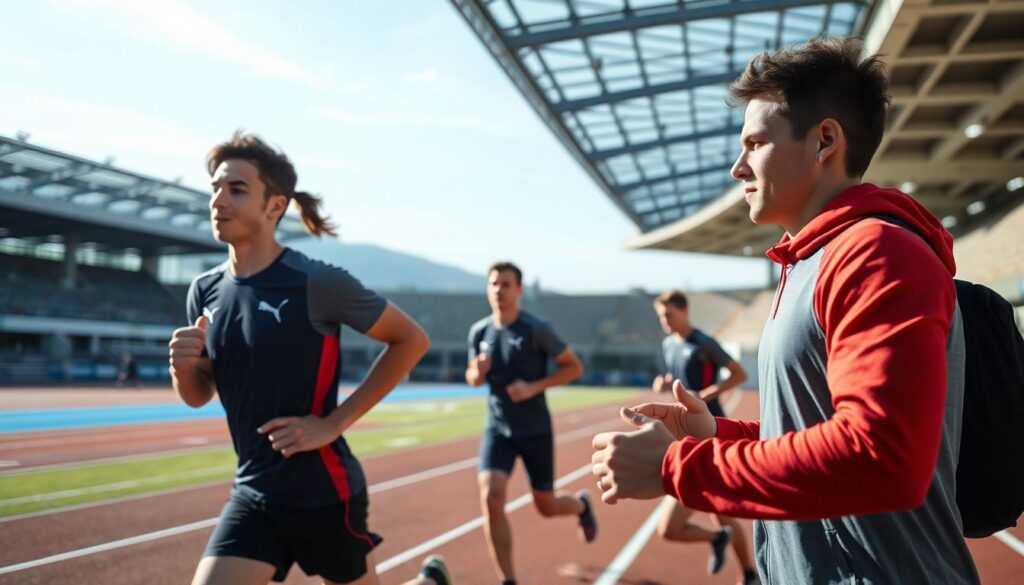
- Myth: Turkey only relies on naturalized stars. Reality: domestic juniors are filling national teams, especially in middle distance and technical events.
- Myth: Results are random. Reality: success is built around targeted training hubs, sports science, and carefully selected competition calendars.
- Myth: Only road running matters. Reality: Turkey is competitive on the track, on the roads, and in race walking at European and global championships.
- Myth: You cannot follow the sport easily. Reality: it is increasingly simple to watch Turkish track and field live stream options via federation and event broadcasters.
- Myth: There is no professional pathway. Reality: federation-backed Turkish athletics training camps for professionals run throughout the year in centers like Erzurum and Antalya.
Current Competitive Landscape: Turkey’s International Track and Field Footprint
When people talk about the rise of Turkish athletics, they refer to a broader track and field ecosystem: sprinting, hurdles, middle and long distance, jumps, throws, combined events, and race walking. The national team is now a consistent presence from European level up to global championships and Olympic Games.
This footprint includes naturalized athletes originally developed elsewhere and locally produced talents shaped by Turkish clubs and universities. The balance is slowly shifting toward more homegrown finalists and medal contenders, especially in middle distance and technical events where regional altitude and climate help long preparation blocks.
Another part of this rise is visibility. Fans can increasingly watch Turkish track and field live stream coverage, follow federation social channels, and track athletes across continental tours and World Athletics meetings. For many followers, this is the first time they see Turkish sprinters and jumpers regularly facing global stars, not only appearing at one major championship every few years.
Quick Ways to Engage with Turkey’s Track and Field Scene
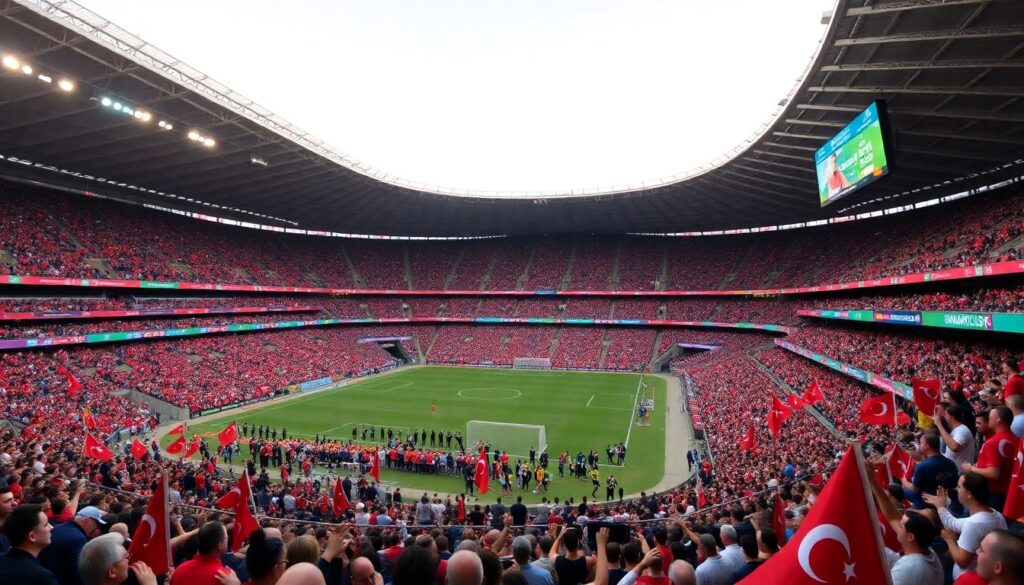
- Check the Turkish federation site and major meet organizers for Turkish athletics team tickets 2025, especially for Istanbul-hosted indoor and outdoor meetings.
- Use legal platforms listed by broadcasters when you plan to watch Turkish track and field live stream, especially for European and global championships.
- If you are into numbers, follow ranking lists and entry standards to understand how athletes chase global qualification instead of relying on hype.
- Support athletes by purchasing officially licensed gear via a trusted Turkish Olympic athletes merchandise store, not random marketplaces.
- For coaches or serious runners, explore Turkish athletics training camps for professionals in altitude venues; many clubs and private organizers accept international groups.
Behind the Scenes: Coaching, Talent ID and Training Hubs
The mechanics behind Turkey’s track and field rise start long before a championship final. The system now mixes state-backed programs, club structures, and private coaching groups, all feeding into the national team. Several high-altitude and warm-weather hubs create a year-round training cycle aligned with the international calendar.
- Club and school scouting: Talents are first seen in school meets and regional club competitions. Coaches flag promising sprinters, jumpers, and endurance athletes for development squads, where they get more structured training and medical checks.
- Specialized training hubs: Altitude centers in Eastern Anatolia and warm-weather bases on the Mediterranean host Turkish athletics training camps for professionals and elite juniors. These hubs allow long blocks of consistent work with controlled loads, physiotherapy, and sports science support.
- Coach education pathways: The federation pushes updated coaching courses, encouraging video analysis, strength and conditioning planning, and injury-prevention methods aligned with modern track and field practice.
- National team integration: Athletes with international potential join national squads early, gaining access to better medical care, camp opportunities, and competition planning to meet qualification standards for continental and world events.
- Dual-career support: Many elite athletes link with universities or security forces clubs, gaining some financial stability and flexible study or work conditions that allow multi-year performance planning.
- International cooperation: Select athletes spend weeks with foreign training groups or attend overseas camps, bringing back technical knowledge and benchmarking their level against global rivals.
Data-Driven Performance: Metrics and Techniques Driving Progress
Performance planning in Turkish athletics is increasingly data-informed, even if not every club has the same resources. Coaches and staff now track far more than just race times, using metrics to shape weekly and seasonal decisions for their athletes.
- Seasonal performance tracking: Coaches log race-by-race trends for speed, splits, and consistency, spotting whether an athlete is peaking early or late and adjusting meet schedules or training loads accordingly.
- Load and recovery monitoring: Simple tools like training diaries and wellness questionnaires, plus more advanced GPS and heart-rate tracking for some groups, help detect fatigue or overtraining before it becomes injury.
- Technical video analysis: Sprinters, hurdlers, and jumpers receive slow-motion breakdowns of starts, hurdle clearance, takeoff angles, and landing mechanics. Small corrections over a season can mean qualifying instead of missing the cut.
- Competition selection based on ranking points: With qualification often tied to ranking systems, staff choose meets that balance field quality and realistic placing, maximizing the ranking gain from each performance.
- Injury-risk profiling: History of muscle strains, imbalances, or bone stress is kept in basic databases, guiding individualized strength programs and choice of surfaces during heavy training blocks.
- Race modeling against global standards: Coaches compare national bests with typical medal or final entry levels at world events, setting realistic time and distance targets for each season instead of vague hopes.
Stars to Watch: Established Turkish Athletes Making Global Impact
Established Turkish athletes define how the country is perceived internationally. Their profiles show both how far the system has come and what limitations still exist. Below are typical strengths you see among leading names, followed by structural and individual constraints that keep them from dominating every event.
Competitive Strengths of Leading Turkish Athletes
- Specialization in select disciplines such as middle distance, race walking, and certain sprint or hurdle events where training environments and coaching are strongest.
- Ability to deliver peak performances at major championships after long altitude or heat camps, often showing large improvements from early-season to championship races.
- Growing tactical maturity, especially in crowded championship races, with smarter positioning, pacing, and finishing speed against more experienced rivals.
- Improving professionalism off the track, including nutrition plans, injury-prevention routines, and long-term cooperation with the same coaching teams.
- Increased fan and sponsor visibility through federation media, club channels, and collaborations with Turkish Olympic athletes merchandise store initiatives.
Current Constraints and Vulnerabilities
- Depth is still thin in several disciplines, so injuries to one or two key figures can dramatically weaken relay teams or medal prospects.
- Some athletes have fewer opportunities to race high-quality fields regularly, making it harder to adapt quickly to world-level pace or pressure.
- Balancing local league obligations with international tours can overload certain athletes across a long season.
- Media narratives sometimes focus only on medal chances, creating unrealistic expectations and harsh reactions when results fall just short of the podium.
- Not all training environments have equal access to the latest sports science tools, leading to uneven preparation standards within the national squad.
Next Generation: Young Prospects and Breakthrough Indicators
The next wave of Turkish athletes is already visible in junior championships and national age-group rankings. Understanding common mistakes and myths about these prospects helps set realistic expectations and prevents early burnout or disappointment among fans and stakeholders.
- Myth: Junior medals guarantee senior dominance. A podium at youth or U20 level shows potential but does not predict senior medals without patient physical development and technical refinement.
- Error: Overloading young talents with excessive racing. Chasing too many local meets, school competitions, and long travel can bring short-term wins but raise injury risk and stall long-term progress.
- Myth: Only early specialization creates champions. For many disciplines, varied athletic backgrounds in jumping, sprinting, and general strength build a better base than focusing on one event too soon.
- Error: Ignoring education and life balance. Removing all academic or social structure to focus solely on training can backfire when athletes face setbacks or injuries.
- Myth: Naturalized youth athletes block locals. In practice, internal competition often raises standards for everyone, and national selection policies still reserve room for strong domestic performers.
- Error: Assuming betting odds reflect development. Betting odds on Turkish athletes 2025 for major meets reflect public perception, not long-term progress indicators such as improved technique, consistency, or resilience.
Strategic Calendar: Key Meets and Routes to Global Qualification
Routes to global championships combine domestic selection, ranking-point strategies, and careful peaking. Athletes and coaches design schedules around indoor seasons, outdoor continental tours, and national trials, constantly adjusting based on health and performance. Fans often see only the final race, not the deliberate path built across months.
A simplified mini-case shows how a Turkish middle-distance contender might plan a season aimed at a global championship qualification:
// Example seasonal pathway for a Turkish 1500m athlete
Pre-season (Nov-Jan):
  - High-volume base training at altitude camp in Turkey
  - Technical sessions + strength & conditioning
Indoor season (Feb-Mar):
  - 2-3 quality races in Europe for early ranking points
  - Evaluate speed and tactical sharpness
Spring build-up (Apr-May):
  - Training block at warm-weather camp
  - Limited races focused on controlled PB attempts
Main outdoor campaign (Jun-Jul):
  - Appear in continental tour events to raise ranking
  - Peak for national championships / trials
Championship phase (Aug):
  - Target global event if standard or ranking is achieved
  - Sharpening sessions, travel adaptation, race modeling
Post-season (Sep):
  - Short rest, medical check, review next season goals
For supporters, aligning this calendar with Turkish athletics team tickets 2025 and broadcast schedules makes it easier to plan when to attend meets in person, when to watch Turkish track and field live stream coverage from home, and when to follow merchandise drops or fan events connected to a Turkish Olympic athletes merchandise store.
Practical Clarifications for Following Turkey’s Track and Field Rise
How can I watch Turkish athletes compete during the season?
Check the federation website and major event organizers for broadcast partners and official links to watch Turkish track and field live stream feeds. For global meets, use the platforms listed by World Athletics or continental federations in your region.
Where can I buy official gear of Turkish Olympic athletes?
Look for an authorized Turkish Olympic athletes merchandise store associated with the national Olympic committee, federation, or trusted sports retailers. This supports athletes directly and helps you avoid unlicensed or low-quality products.
How do tickets usually work for major athletics events in Turkey?
Large indoor and outdoor meetings in cities like Istanbul often release Turkish athletics team tickets 2025 and beyond through official ticketing partners. Early purchase is recommended for sessions featuring finals or popular local stars.
Are betting markets a good way to judge athlete potential?
Betting odds on Turkish athletes 2025 can reflect public expectations but ignore training status, minor injuries, or long-term development goals. Use them cautiously and rely more on recent performances, consistency, and coach statements for serious analysis.
Can foreign runners join Turkish training camps?
Yes, several clubs, private groups, and organizers run Turkish athletics training camps for professionals and competitive amateurs. Contact organizers early to clarify coaching support, medical services, altitude conditions, and accommodation standards.
What should I watch for to spot the next big Turkish star?
Look for young athletes who improve steadily, perform well at both national and international junior meets, and show technical quality rather than one-off big results. How they handle tactical races and pressure often predicts senior-level success.
Is the Turkish team focused more on track or road events?
Both matter. Track events, race walking, and road running all receive attention, with different centers specializing in each area. International medals and finals now come from a mix of disciplines rather than a single event group.