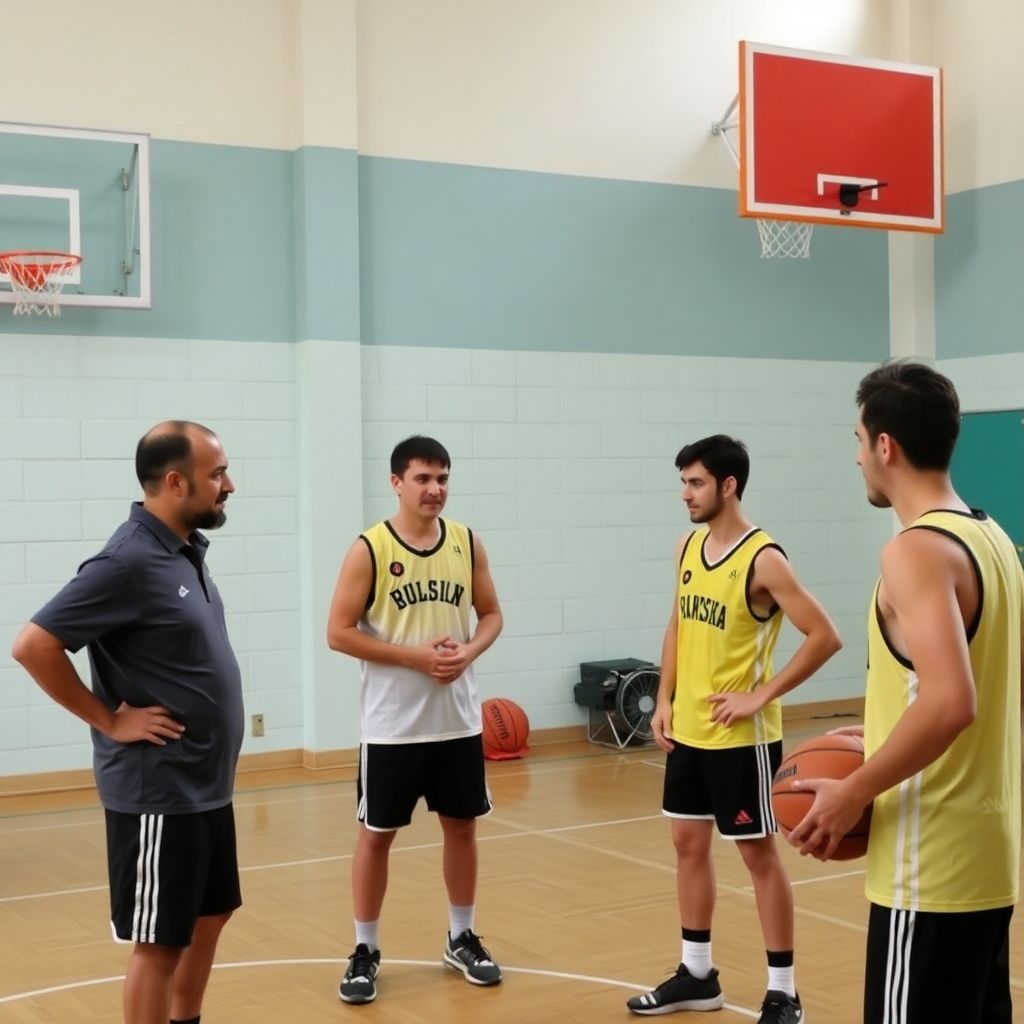
Turkish basketball coaches reduce injuries by combining early-season screening, strict load management, technique-focused skill work, and simple strength, mobility and recovery routines that fit real practice schedules. They build practical basketball injury prevention programs around communication, local medical support and low-cost tools, so even amateur clubs can apply structured, evidence-informed safety habits without expensive technology.
Core principles of Turkish approaches to preventing basketball injuries
- Start every season with basic basketball performance and injury screening services to flag high‑risk players and adapt training loads.
- Use periodized weekly and monthly plans so sports injury prevention training for basketball teams is embedded, not added on top.
- Teach landing, cutting and deceleration technique before high‑intensity or contact drills.
- Integrate simple strength, mobility and neuromuscular exercises into warm‑ups instead of long separate gym sessions.
- Protect recovery: consistent sleep, simple nutrition rules and clear workflows with physiotherapists when pain appears.
- Invest in injury prevention workshops for basketball coaches to align staff on language, cues and red‑flag criteria.
- Use basketball strength and conditioning coach services when possible, but keep systems simple enough that any coach can run them.
Preseason screening and individualized risk profiles
Preseason screening is your first filter: it helps you see which players need extra care before intensity climbs. It suits youth and adult teams, professional and amateur, as long as you can be consistent and honest in your observations.
However, it is not a medical diagnosis. If a player has current pain, a visible limp, recent surgery, dizziness, chest discomfort or any doctor-imposed restriction, skip on-court tests and refer directly to a sports physician or physiotherapist.
Minimal practical screening checklist
- Ask about last season: injuries, missed games, current pain, fear of specific movements.
- Note height, body mass, playing position and typical weekly training volume.
- Observe a bodyweight squat, single-leg balance (eyes open), and simple heel raises.
- Watch 3-5 controlled jumps and landings, both double- and single-leg where safe.
- Time a short shuttle or line drill to see how they accelerate, decelerate and turn.
How Turkish coaches translate screening into action
- Ankle history: Add extra single-leg balance and banded ankle work 2-3 times per week.
- Knee or ACL history: Emphasize soft, quiet landings, controlled deceleration and glute strengthening.
- Lower back issues: Strictly limit early-season heavy loading and focus on trunk stability and hip mobility.
- Conditioning gaps: Build fitness with low-impact intervals before chaotic, small-sided games.
When you lack in-house medical staff, partner with local clinics that offer basketball performance and injury screening services at discounted team rates. This is increasingly common in Türkiye and gives objective baselines without overloading coaches.
Periodized load management and practice microdosing
Turkish programs succeed because they structure the whole year and each week, not just individual sessions. Periodization and microdosing mean you decide in advance how much of each load type (jumping, sprinting, contacts, heavy gym work) appears and on which days.
Basic tools and information you need
- Season map: List competition dates, travel-heavy weeks, exams for youth players and Ramadan periods.
- Simple tracking sheet: Notebook or spreadsheet with columns for session RPE (1-10 scale), minutes and type (skill, conditioning, weights, game).
- Communication line: WhatsApp or similar group for daily wellness checks (sleep, soreness rating, illness reports).
- Internal rules: Agreed limits for back-to-back high-intensity practices and maximum weekly jump or contact sessions.
Practical load management patterns
- Weekly wave: Use one highest-load practice 48-72 hours before games, one moderate session and one lighter tactical session.
- Microdosed conditioning: 10-15 minutes of ball-based intervals at the end of two practices instead of a separate hard conditioning day.
- Strength microdosing: 2-3 exercises × 2-3 sets (5-8 controlled reps) integrated into warm-ups instead of one long heavy session during congested weeks.
- Jump/contact limits: Avoid more than two maximal jumping or heavy-contact days in a row, especially for youth or players returning from injury.
When access allows, some clubs lean on basketball strength and conditioning coach services to design this calendar, then let head coaches adjust loads based on daily realities like travel, exams and minor illnesses.
Technique-first coaching: landing, cutting and deceleration drills
Before the step-by-step drills, prepare the environment. This makes the work safer and keeps your sports injury prevention training for basketball teams controlled and repeatable.
Pre-session preparation checklist
- Schedule technique sessions early in practice, when players are fresh and attentive.
- Limit group size to 6-10 players per coach for better feedback.
- Choose dry, non-slippery floor space with clear boundaries and no balls lying around.
- Use visible markers (cones, lines) so players know exactly where to start, cut and stop.
- Explain that maximum speed is not the goal; clean, quiet movement is.
-
Teach soft, balanced two-foot landings
Start with low-intensity jumps and focus on positions, not height or distance. Ask players to jump straight up, land on two feet and freeze for 2 seconds.- Feet shoulder-width apart, knees bent, hips back slightly, chest tall.
- Knees track over middle toes; avoid knees caving inward.
- Land as quietly as possible, like landing on thin ice.
- Do 2-3 sets of 5-6 jumps per player, resting 20-30 seconds between sets.
-
Progress to single-leg landing control
Once two-foot landings look stable, use small step-off landings from a 10-20 cm platform or line, not from a chair or high box.- Step off with one foot, land on the opposite foot, hold 2-3 seconds.
- Hip, knee and ankle slightly bent, chest controlled, arms out for balance.
- 3-4 landings per leg, 2 sets; stop if pain, wobbling or fear appear.
-
Coach controlled deceleration from a jog
Teach players to slow down using multiple small steps instead of a sudden stop. Use 10-15 m lanes.- Jog for 10 m, decelerate over 3-5 smaller steps, then freeze in an athletic stance.
- Emphasize hips lowering and chest staying over the middle of the feet.
- 2-3 sets of 4-6 runs, with 30-40 seconds rest between runs.
-
Add planned cutting with clear angles
Use cones to mark 45° and 90° cuts so players know exactly where and how to change direction.- Run to cone, plant outside foot next to the cone, push off and cut to the next marker.
- Plant foot points in the direction of the new path; avoid twisting on a fixed foot.
- Keep center of mass low and inside the cut; knee stays over foot, not collapsing inward.
- Do 3-4 reps per direction and per side for 2-3 sets.
-
Integrate technique into ball drills at submaximal speed
Once players can land and cut cleanly without the ball, insert the same patterns into dribbling and finishing drills.- Example: dribble to cone, controlled deceleration, 45° cut, finish at rim with soft two-foot landing.
- Keep intensity at 60-70% of maximum speed so technique remains stable.
- Rotate players in short groups to keep quality high and allow coaching cues.
-
Gradually increase chaos and decision-making
Only when players show consistent control at submaximal speeds, add guided defense or passing options.- Defender gives a clear, late cue (hand signal or lane) so attacker must choose cut direction.
- Limit live play duration (e.g., 5-8 seconds) to avoid fatigue-based technique breakdown.
- Stop immediately if landings become loud, knees collapse inward or players lose posture.
Troubleshooting technique drills
- If knees keep collapsing inward, slow the drill down and reduce distance; add simple band walks or glute activations in warm-up.
- If landings are loud, cue “softer” and “longer” landings with more bend at knees and hips.
- If players are afraid or stiff, lower intensities (smaller jumps, slower runs) and praise good positions, not speed or aggression.
Integrated strength, mobility and neuromuscular control protocols
Strength and mobility work should be light enough to fit in practice, but consistent enough to matter. Turkish coaches often build mini-circuits into warm-ups, effectively turning them into on-court basketball injury prevention programs.
Outcome checklist: how to know your protocol is working
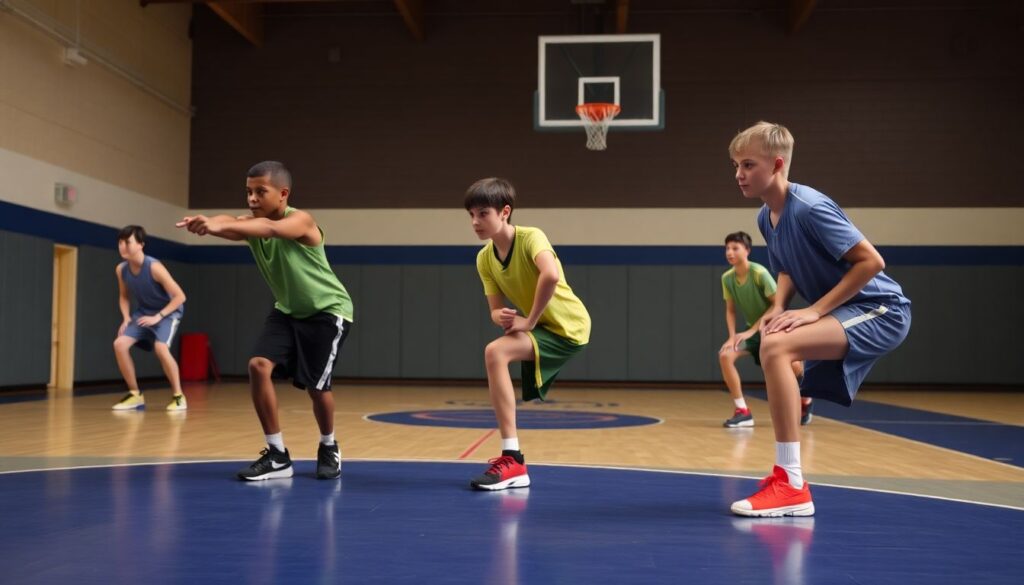
- Players can perform 10-12 controlled bodyweight squats with stable knees and neutral spine, without pain.
- Each player holds a single-leg balance (eyes open) for at least 20-30 seconds on both sides with minimal wobble.
- During practice, you rarely see knees collapse inward in landings, closeouts or layup finishes.
- Players complete 2-3 sessions per week of basic strength/mobility work for at least 8 straight weeks, with good attendance.
- Common warm-up circuit includes: a hip-hinge or deadlift pattern, a squat or lunge, a push (e.g., push-up), a pull (e.g., band row) and a trunk control drill.
- Players report next-day muscle soreness sometimes, but almost never joint soreness that limits movement.
- Coaches can quickly name at least one regress and one progress for each key exercise (easier and harder versions).
- In-season, time spent on strength and neuromuscular work remains at least 10-15 minutes twice weekly, even during busy schedules.
- Injury discussions in the team focus on controllable habits (technique, sleep, warm-up) rather than only “bad luck”.
Recovery architecture: sleep, nutrition and physiotherapy workflows
Even the best designed sports injury prevention training for basketball teams fails without recovery. Turkish coaches who keep players healthy build simple, repeatable systems rather than strict, complicated rules.
Frequent recovery mistakes to avoid
- Ignoring sleep regularity: Allowing late-night screen time and irregular bedtimes, especially after away games, without any team plan.
- “Playing hungry”: Starting training or games after long fasting-like gaps without simple pre-session snacks arranged.
- Overusing painkillers: Letting players rely on tablets or creams to hide pain instead of adjusting load and seeking professional assessment.
- Random warm-down habits: Skipping 5-10 minutes of low-intensity movement and light mobility work after hard sessions.
- No clear physiotherapy pathway: Not knowing exactly who a player should contact and how fast when pain or swelling appears.
- Too much “recovery gadgets”: Investing in massage guns, ice baths or boots while basic sleep and nutrition remain chaotic.
- Ignoring cultural and religious context: Not adapting training timing, hydration and fueling plans during Ramadan or exam seasons.
- Returning too fast: Letting players jump straight from full rest to full-team practice without a graded return-to-play plan.
- Under-communicating travel loads: Failing to account for long bus rides or flights when planning the following day’s volume.
Coach education, communication and team injury-culture shifts
In Türkiye, progress in injury prevention has come as much from changing coach behavior as from changing exercises. Injury prevention workshops for basketball coaches help unify language and expectations across clubs and age groups.
Alternative pathways when resources are limited
-
Peer-learning circles between local coaches
Organize monthly or quarterly meetups to share practice plans, drills and injury stories. This is useful when formal workshops are unavailable or too expensive. -
Remote consulting with specialists
Use online basketball strength and conditioning coach services or sports physio consultations for program reviews and return-to-play guidance. Appropriate when you lack full-time staff but want expert eyes a few times per year. -
Club-wide standard operating procedures (SOPs)
Create short documents on warm-up structure, load tracking, and red-flag rules that all age-group teams follow. This suits multi-team clubs that want consistency even when individual coaches change. -
Screening-days with partner clinics
Arrange annual or semi-annual basketball performance and injury screening services for all squads in a single event day. Ideal when continuous monitoring is not realistic but you still want periodic expert input.
Practical concerns, quick fixes and when to refer
How many minutes per week should we devote to injury prevention work?
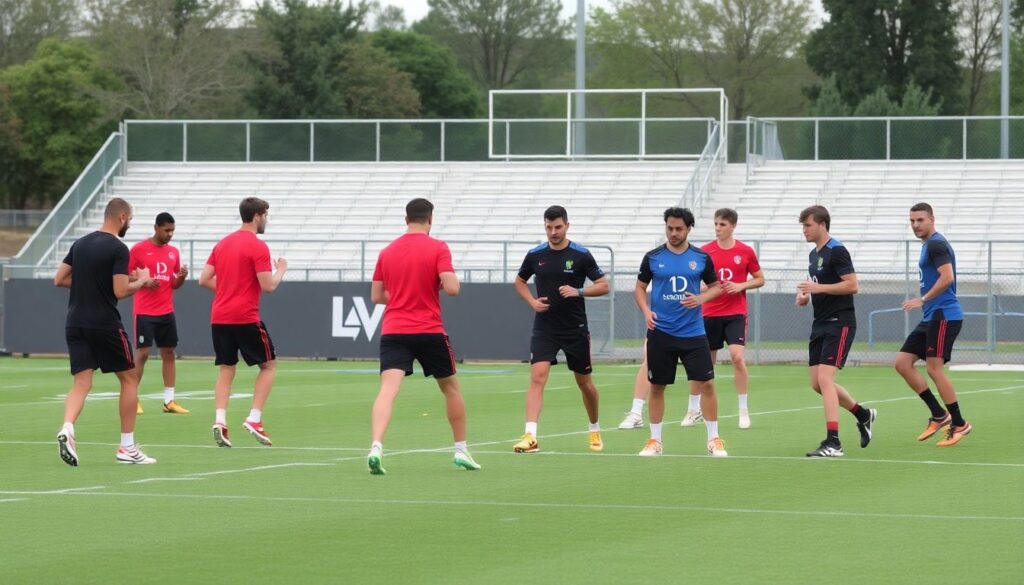
A realistic target is 15-25 minutes of integrated work, 2-3 times per week, inside normal practices. Short, consistent microdoses beat long, irregular sessions. Focus on warm-up circuits, landing and deceleration drills and basic strength patterns.
What if we do not have access to a strength and conditioning coach?
Use simple bodyweight and band exercises that you can confidently demonstrate. Borrow templates from reputable basketball injury prevention programs or attend local workshops. When in doubt, choose easier variations and prioritize perfect control over heavy loading.
When should a player be sent to a doctor or physiotherapist?
Refer immediately if there is visible swelling, joint locking, inability to bear weight, night pain, concussion signs, chest pain or breathing difficulty. Also refer if pain lasts more than a few days despite reduced load and good warm-up.
Can we use the same program for youth and adult players?
The structure can be similar, but intensity, volume and coaching language must change. Youth need more time on technique, coordination and fun games; adults can handle more structured strength and conditioning. Avoid heavy external loads with pre-teens.
How do we fit everything in during congested competition weeks?
Shorten but do not delete prevention work. Use 8-12 minute warm-up circuits and low-volume landing or deceleration drills, while reducing conditioning and contact drills. Protect sleep, travel comfort and nutrition before adding extra training.
Are fancy technologies necessary for effective injury prevention?
No. Consistent warm-ups, clear technique coaching and basic load tracking outperform irregular high-tech solutions. If you do invest, start with simple timing systems or jump mats that support your existing plan instead of replacing good coaching habits.
How can assistant coaches help with injury prevention during practice?
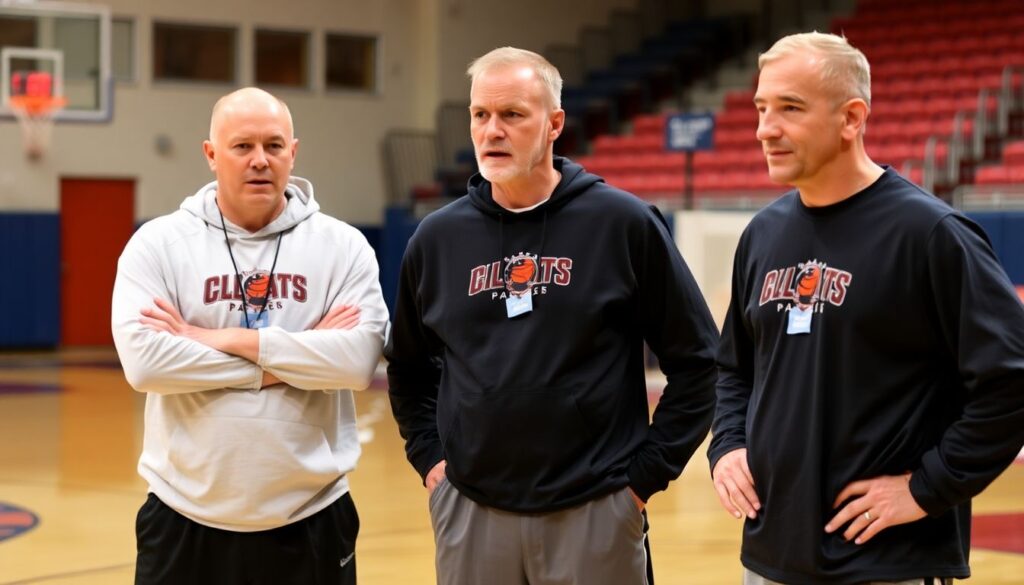
Assign them clear roles: one supervises landing and cutting drills, another monitors players who recently returned from injury, and a third tracks session intensity and minutes. This shared responsibility makes the system sustainable across the season.