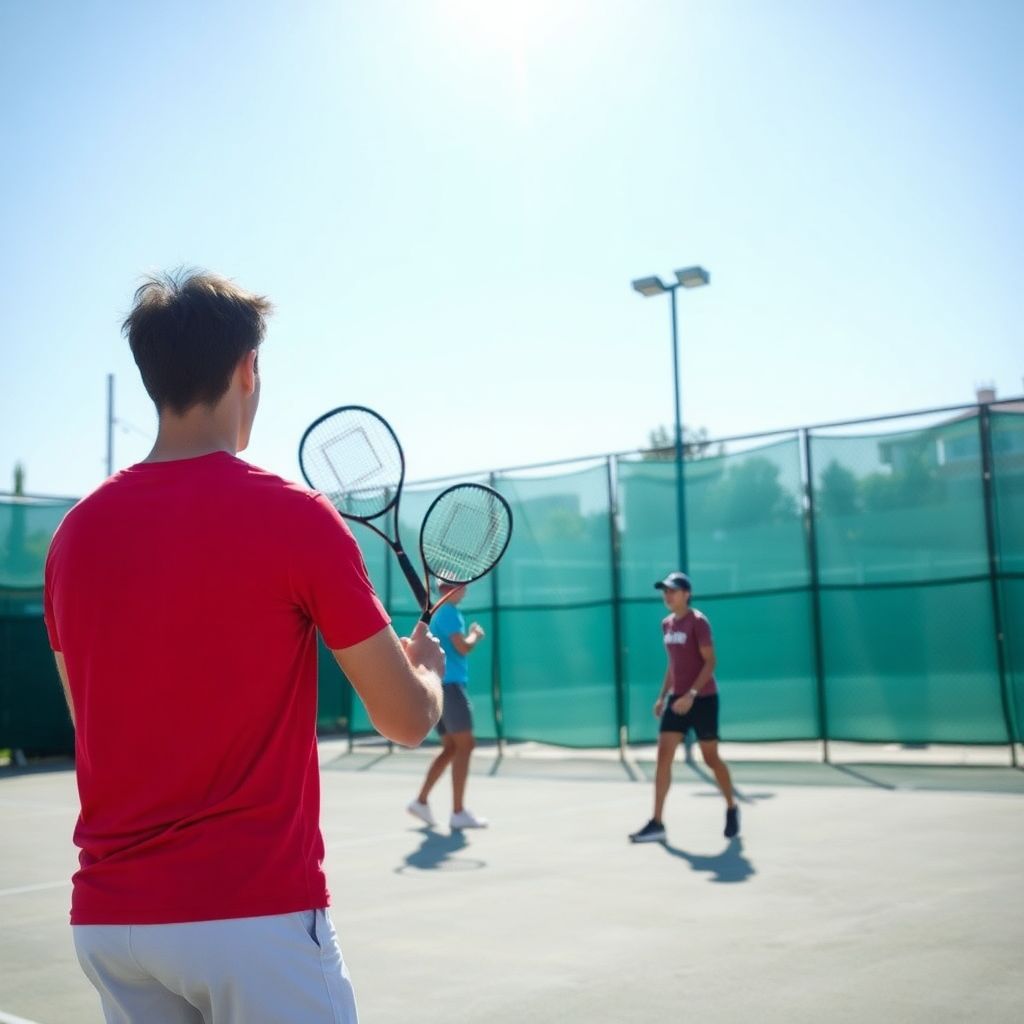
Rising tennis academies in Turkey are concentrated mainly around Istanbul, Antalya and Ankara, blending European-style periodisation with year-round outdoor play. They focus on juniors aiming for ITF and NCAA pathways, with options ranging from full-time boarding schools to affordable local clubs, so families with limited resources can still build a serious, long-term development plan.
Snapshot: Turkey’s Emerging Tennis Hubs
- Istanbul, Antalya and Ankara now host most structured tennis academies in Turkey, from boutique centres to large club-based programs.
- Elite junior tennis programs in Turkey typically combine national school curricula with 15-25 hours of weekly on‑court and performance work.
- Antalya’s resort belt is the main base for professional tennis training camps Turkey offers, especially during European winters and pre‑season blocks.
- Turkey tennis academy prices range widely, from local-club group sessions to all‑inclusive boarding models with schooling and tournament travel.
- Families should compare coaching teams, training volume, tournament planning and education support instead of chasing a single “best tennis academy in Turkey for juniors”.
- Players with limited budgets can mix club memberships, federation support and short seasonal camps to approximate full‑time academy environments.
Historical Roots: How Turkish Academies Evolved
The modern tennis academy system in Turkey grew out of long‑standing multi‑sport clubs such as TED Tenis Eskrim Dağcılık in Istanbul and ENKA Sports Club. For many years, talented juniors developed inside these member‑based clubs, combining national competitions with occasional trips to Europe.
As Turkey started hosting more ITF junior, Futures and Challenger tournaments, demand grew for structured, year‑round high‑performance environments. Private academies appeared in Istanbul and Antalya, often founded by former national players or coaches with experience abroad. These centres shifted the focus from recreational club tennis to athlete‑centred, periodised development.
Antalya’s climate and resort infrastructure then attracted international squads for pre‑season blocks. When hotels and clubs realised the potential of professional tennis training camps Turkey could offer, they invested in clusters of hard and clay courts, sports science rooms and on‑site accommodation. Some of these complexes evolved into true academies with boarding options and integrated schooling.
Today, the ecosystem is a mix: traditional clubs with performance squads, standalone academies around Istanbul, and resort‑based programs in Antalya. Understanding this mix helps parents and coaches set realistic expectations and choose the right pathway for each player, instead of assuming all academies operate on the same model.
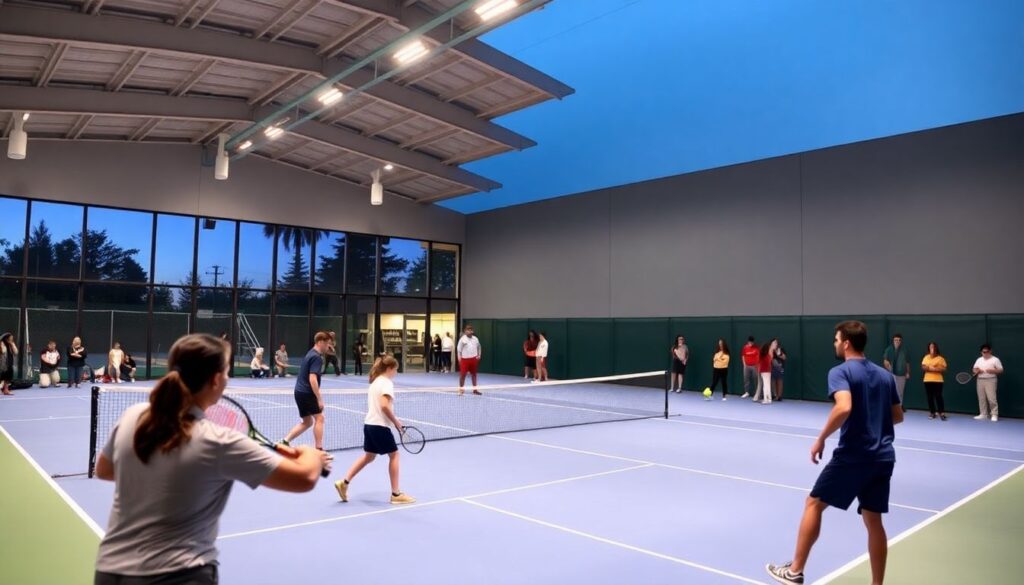
Top Academies Producing Junior Champions
-
Club‑based performance centres (e.g., TED, ENKA, İzmir clubs)
These long‑established clubs maintain strong junior squads, experienced national‑level coaches and deep local competition. They are often best for players who live nearby and can train 5-6 days a week without boarding, while still accessing regional and national tournaments. -
Istanbul high‑performance academies
Several private academies in Istanbul focus on international‑level juniors, offering small training groups, video analysis, strength and conditioning, and tournament travel support to ITF events in neighbouring countries. They suit families able to live in the city or commute regularly. -
Antalya resort‑integrated academies
In Belek, Lara and nearby zones, academies partner with hotels and clubs to run year‑round camps and full‑time squads. These centres combine daily high‑intensity training with frequent match‑play against visiting foreign players, ideal for juniors targeting ITF points and hard‑court experience. -
Boarding schools with tennis streams
A small but growing group of institutions integrate school schedules with intensive tennis blocks. Players live on or near campus, train mostly on‑site, and follow Turkish or international curricula, preparing both for pro attempts and university tennis abroad, especially in the US collegiate system. -
Seasonal high‑intensity camps
Short‑term academies and camps in Antalya and coastal towns cater to players who cannot relocate. They compress high‑volume on‑court, fitness and match‑play into one‑ or two‑week blocks, often in school holidays, helping provincial talents experience a pro‑style training environment without full‑time costs. -
Federation and regional centre programs
The national federation and some municipalities support training groups for top‑ranked juniors. While not always branded as “academies”, they function similarly: selected players receive extra court time, coaching and competition planning, supplementing their home club training at low or no additional cost.
Training Methodologies: From Clay to Hardcourt
Turkish academies borrow heavily from European, Spanish and French training models while adapting to local conditions. Methodologies vary by region, but most serious centres share some core principles: periodised yearly plans, clear technical frameworks, structured fitness, and early exposure to both clay and hard courts.
-
Clay‑dominant foundations with hard‑court transition blocks
Many juniors start and spend significant time on clay, especially in Istanbul and Ankara. Coaches emphasise point construction, patience, defence‑to‑offence patterns and movement. Hard‑court blocks are then used before specific tournament swings (ITF, Tennis Europe, or national hard‑court events). -
Hard‑court emphasis in resort areas
Antalya’s resort academies usually prioritise hard courts to mirror pro calendar demands. Training focuses on first‑strike tennis, aggressive return games, and serve plus one patterns. Clay sessions are added to develop sliding skills and endurance ahead of clay seasons in Europe. -
Integrated technical and tactical periodisation
Top academies plan cycles where each week has a tactical theme (e.g., baseline aggression, transition to net, defending wide serves). Drills, point‑based games and match‑play are aligned to that theme, and video review is used to link technical adjustments to match situations. -
Physical development tied to growth stages
Strength and conditioning is scaled to biological age, not just chronological age. Pre‑puberty players get coordination, mobility and basic strength work; after growth spurts, programs add structured strength training, speed and power blocks, with load monitored across school and tennis demands. -
Mental and competition routines
Even mid‑tier academies now teach routines between points, journal‑based match reflections and pre‑match planning. Players learn to set process goals (first‑serve percentage, patterns to use under pressure) rather than obsess over results, which is vital when stepping into ITF or national stages. -
Hybrid models for limited‑budget players
Where full‑time academy training is not affordable, some centres offer “hybrid” packages: 2-3 high‑quality squad sessions per week at the academy, plus home‑club hitting and fitness. Families combine this with periodic camps to access high‑level sparring without full boarding costs.
Applying These Training Concepts in Real Turkish Contexts
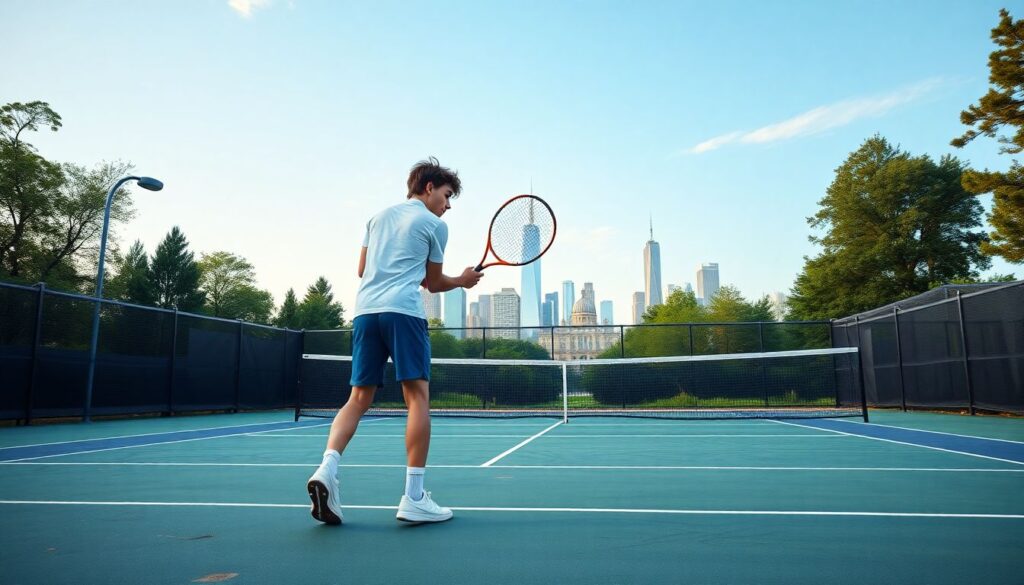
The same methodologies can be implemented creatively, even when a family cannot relocate to Istanbul or Antalya or pay for year‑round boarding.
-
Scenario 1: Provincial junior building a national ranking
The player trains primarily at a local club, attending academy squads in the nearest big city twice per month. Parents plan 2-3 holiday camps in Antalya, aligning them with key tournament periods on hard or clay. Remote video review is used to keep technical work consistent. -
Scenario 2: Istanbul‑based student with strong academic focus
Training is concentrated into late‑afternoon blocks on school days and longer sessions at weekends. The academy builds a flexible weekly plan, using mini‑blocks (e.g., three weeks of serve‑plus‑one focus) that fit around exams. Tournament density is reduced but carefully chosen for ranking progress. -
Scenario 3: International junior visiting Turkey seasonally
The family books 3-4 week professional tennis training camps Turkey is known for in Antalya. The academy coordinates with the home coach, focusing on specific improvements (e.g., movement on clay, return positioning) and entering nearby ITF events to test progress under realistic match pressure.
Facilities and Athlete Support Services That Matter
Facilities and services differ widely, and cost structures reflect that. When comparing turkey tennis academy prices, families should look past marketing photos and count what is actually included: court time, coaching ratio, fitness, sports science access, school coordination and tournament logistics.
What Strong Turkish Academies Typically Offer
- Multiple surfaces (usually both hard and clay) with floodlights, allowing flexible scheduling around school hours and hot summer periods.
- Structured performance programs with small coach‑to‑player ratios in elite junior tennis programs in Turkey, often supported by dedicated fitness coaches.
- On‑site or nearby accommodation options, meals adapted to training loads, and study spaces for homework or online schooling.
- Planning and logistics help for national and international tournaments: entries, travel advice, basic supervision and match observation when possible.
- Sports medicine contacts (physio, doctor) and at least basic recovery tools such as stretching areas, foam rollers and, in larger centres, recovery rooms.
- Video recording capability on key courts for technical review and tactical analysis after matches.
Typical Limitations and Trade‑Offs to Watch
- Limited indoor courts, meaning heavy rain or storms can disrupt schedules in some regions for short periods.
- Big group sizes in cheaper programs, reducing individual feedback time and making it harder to address specific technical issues.
- Academies without integrated schooling support, placing most of the coordination burden on parents and risking academic gaps.
- Packages that exclude fitness, physio or tournament coaching, forcing families to pay extra or fill gaps themselves.
- Marketing claims about international exposure that are not backed by a clear calendar of tournaments or partnerships with foreign academies.
- Long commuting distances in major cities like Istanbul, which can limit sleep and recovery, especially during exam seasons.
Pathways to the Pro Tour: Scholarships, Tournaments, Partnerships
Ambitious families often focus early on pro dreams, scholarships and academy “brand names”. Several misconceptions can lead to poor decisions, especially when budgets and time are limited.
-
Myth: One “best tennis academy in Turkey for juniors” guarantees success
There is no single magic academy. Progress depends more on consistent daily work, appropriate tournament scheduling and player‑coach fit than on the brand. A smaller, well‑structured program can outperform famous names if the environment suits the player. -
Myth: Pro pathway means skipping education
Many pro and NCAA players came through systems that balanced school and tennis. Turkish academies increasingly work with flexible schools or online options so players can keep academic doors open, especially important if injuries or plateauing results change long‑term plans. -
Mistake: Chasing too many tournaments too early
Some families push for ITF events before the player dominates appropriate national levels. This spreads finances thin and reduces time for training blocks. A better approach: earn strong national results first, then add international events where the player can realistically win matches. -
Mistake: Ignoring scholarship and federation support options
Players with strong results may access discounts, partial scholarships or federation assistance. Parents sometimes do not ask about these options, assuming listed prices are fixed. Discuss performance‑based packages and payment schedules early with academy management. -
Myth: Overseas camps are always better than local ones
Short trips abroad can be valuable, but Turkey already hosts high‑quality opponents and coaches, especially in Antalya. For many families, multiple domestic camps plus a clear annual plan offer more value than a single, very expensive foreign camp. -
Mistake: Underestimating the mental load of the pro path
Pro attempts require years of travel, financial pressure and uncertainty. Academies that acknowledge this, provide mental skills training and communicate honestly about milestones (e.g., national ranking goals, ITF point targets) offer a healthier environment than those selling guaranteed “pro status”.
Measuring Success: Metrics, Progression Models and Case Studies
Evaluating whether a Turkish academy is working for a player means looking at measurable progress, not just how tired the player feels after sessions or how “fancy” the facility looks. Clear tracking helps families avoid wasting seasons and money.
- Performance metrics: age‑appropriate national ranking movement, match‑win percentage at current level, quality of wins (higher‑ranked opponents), and specific stats such as first‑serve percentage or double faults.
- Skill development milestones: reliable second serve, ability to execute one or two offensive patterns under pressure, improved movement on both clay and hard courts, and basic net competence for doubles and transition play.
- Training consistency: weeks per year hitting target training hours, minimal missed sessions, and sustainable balance with school so burnout is avoided.
- Competition behaviour: emotional control, problem‑solving between points, and ability to apply practice themes in real matches.
Illustrative Progression Example from Turkey
Consider a 13‑year‑old from a mid‑sized Anatolian city. The family cannot afford full‑time boarding, so they design a hybrid pathway with a nearby academy.
- Year 1: Weekly schedule includes 3 local club sessions, 1 weekend squad at the academy in the nearest big city, and two holiday camps in Antalya. Goals: improve technique, establish routines, and achieve top regional ranking.
- Year 2: Same structure but with higher intensity at the academy, plus targeted national events. Metrics: national ranking, match‑win percentages above 50% at main‑draw level, visible progress in serve and return statistics.
- Year 3: One extra weekly academy session, 1-2 carefully chosen Tennis Europe or ITF events accessible from Turkey. The decision to pursue full‑time boarding or an international scholarship is based on objective results, not only aspirations.
This example shows how families with limited resources can still use Turkish academies effectively by combining local training, regional squads and seasonal camps, while measuring success through clear, agreed‑upon benchmarks.
Practical Questions Coaches, Players and Parents Ask
How should we compare tennis academies in Turkey when visiting?
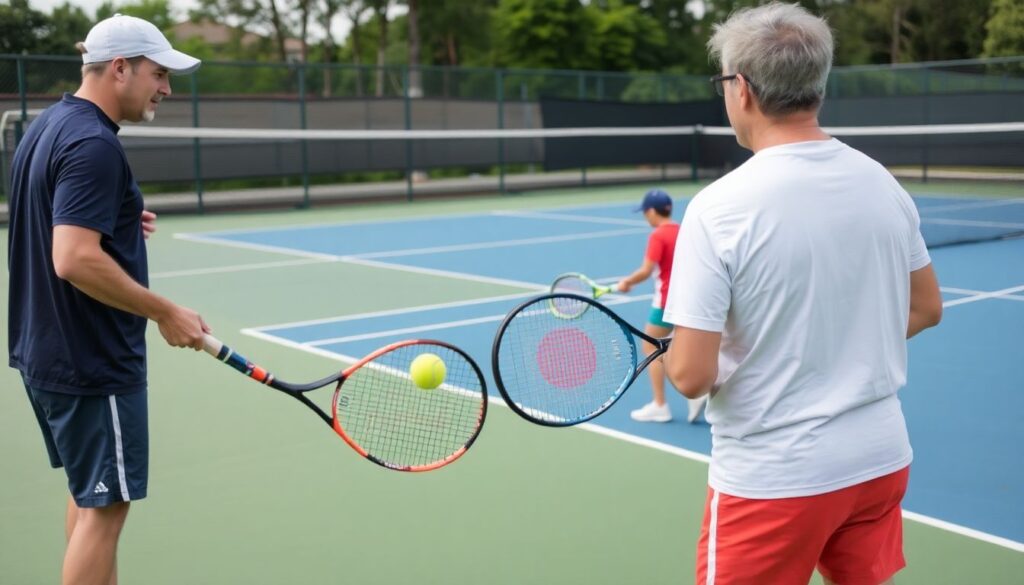
Watch at least one full training block, not just a tour. Note coach‑to‑player ratios, how much time players spend in live points, fitness quality, and how coaches communicate. Ask for a draft weekly plan and a sample tournament calendar for a player of your age and level.
What drives big differences in Turkey tennis academy prices?
Costs depend on training hours, coach experience, group size, included fitness, accommodation, meals and tournament coaching. City‑centre academies and resort‑based programs with full boarding are more expensive. Local club‑based squads without housing are cheaper but require more logistics from families.
Can a player reach pro level without joining a full‑time academy?
It is harder but not impossible. Some players combine strong home‑club coaching, periodic elite junior tennis programs in Turkey, federation support and well‑planned camps. The key is consistent, high‑quality practice, appropriate tournaments and honest assessment of progress every season.
When is the right age to join a high‑performance program in Turkey?
Many players enter performance squads around 10-12, after basic technique is stable. Full‑time boarding is usually considered later, around 13-16, when motivation is clear and school solutions are in place. The transition should be gradual, with trial blocks before any long‑term commitment.
How many weeks of professional tennis training camps Turkey offers do we need per year?
For non‑boarding players, 2-4 well‑timed weeks per year can be effective, especially before key tournament periods or during off‑season. More important than the total weeks is planning: each camp should have clear goals that connect to training at home.
What if we can afford only basic group sessions at a local club?
Maximise local options: seek the best available coach, add simple fitness work at home, use online resources for match analysis, and save for one camp each year. Even one or two visits to a strong academy can provide direction and drills that you continue locally.
Should we prioritise foreign academies over Turkish ones for exposure?
Not automatically. Turkey already hosts international tournaments and visiting players, especially in Antalya. For many families, building a strong foundation domestically and adding occasional foreign trips for specific goals is more sustainable and often more effective than moving abroad too early.