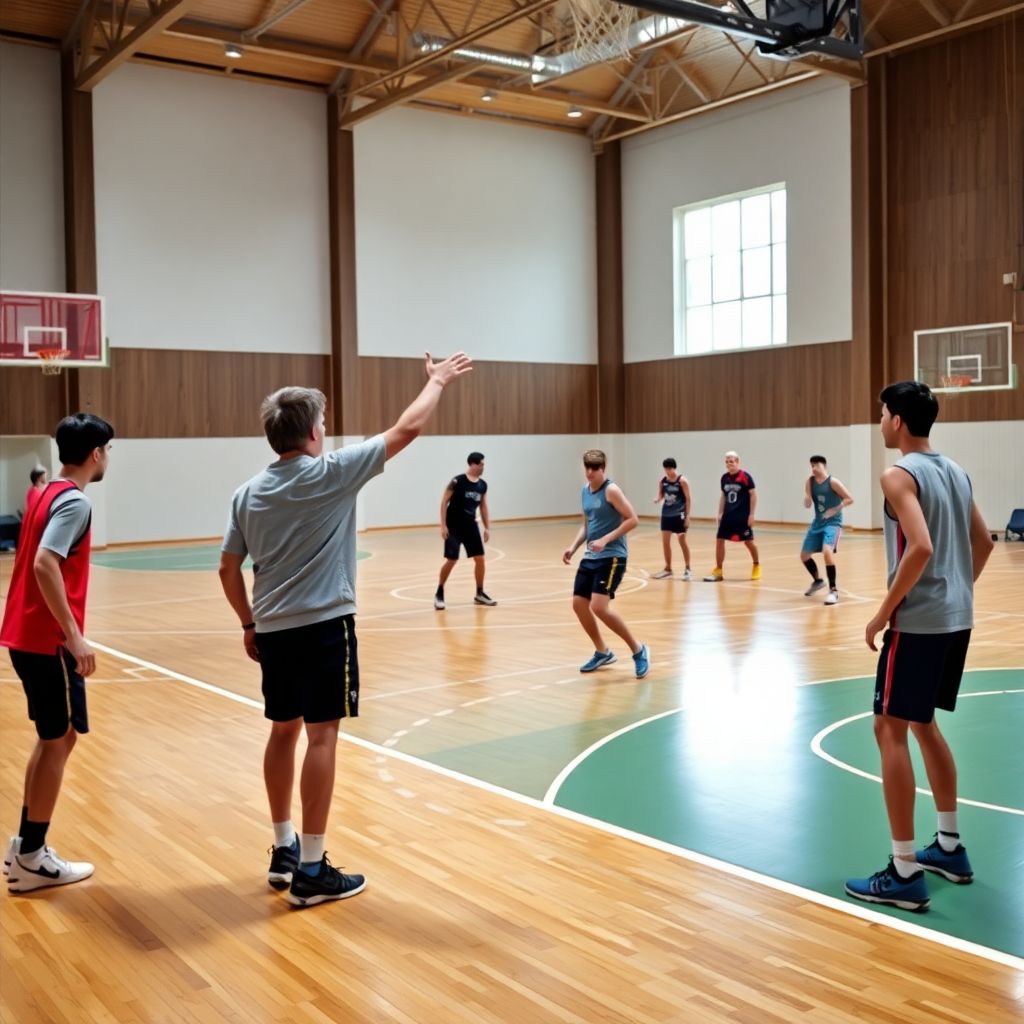
Turkish basketball’s tactical evolution is a shift from instinctive, street-court creativity to structured EuroLeague-level systems that still protect that flair. The key is balancing spacing, decision-making, and role clarity without killing improvisation. Coaches who define this balance early, especially in youth and camps, avoid most systemic mistakes and unlock sustainable progress.
Tactical milestones in Turkish basketball evolution
- Street-court habits created a creative, guard-driven tactical DNA that still shapes modern sets.
- Imported coaching paradigms refined spacing, pick-and-roll timing, and role specialization.
- Elite clubs systemized these ideas, pushing Turkish teams into regular EuroLeague contention.
- Defensive concepts shifted from conservative drop coverage to versatile switching and help rules.
- Youth structures and basketball training camps in Turkey began mirroring elite club concepts.
- Fan interest, from Turkish basketball EuroLeague tickets to jerseys, reinforced investment in tactics.
From playgrounds to clubs: grassroots influence on tactical DNA
Grassroots Turkish basketball originated on tight street courts and school yards, where players learned through unstructured games. This environment rewarded creativity, handle, and tough shot-making more than textbook spacing or read-based decision trees. The result was a generation of players with strong individual skills but inconsistent team concepts.
When these players entered organized clubs, coaches inherited a double-edged sword. On the one hand, guards were comfortable attacking any mismatch and bigs had soft touch from mid-range. On the other hand, the same players often ignored weak-side spacing, over-dribbled, and struggled with secondary actions when the first option was denied.
Modern Turkish clubs increasingly see grassroots as the first tactical classroom. Instead of waiting to fix problems at age 16, they inject simple structure into early pick-up style games: basic spacing rules, pass-and-cut habits, and clear shot selection guidelines. The goal is to preserve the street-court advantage while trimming the tactical chaos.
For coaches running local courts, school teams, or early academies, the main challenge is turning instincts into repeatable reads. Simple constraints in games (such as mandatory extra passes or spacing corridors) help players understand why EuroLeague sets work, long before they see them on television or buy Turkish basketball jerseys for sale of their favorite clubs.
- Define two or three non-negotiable spacing rules and use them in every drill and scrimmage.
- Limit dribbles in small-sided games to force passes and better off-ball movement.
- Record short clips from practices to show players how street habits affect team spacing and timing.
Coaching paradigms that redirected Turkish game plans
Several coaching paradigms redirected how Turkish teams structure their game plans and avoid recurring tactical mistakes:
- Advantage-based offense, not play-calling obsession. Instead of calling a different set every trip, modern coaches emphasize creating and maintaining advantages from one or two core actions. The mistake to avoid is overloading playbooks while under-teaching reads.
- Deep pick-and-roll teaching. Turkish coaches increasingly break down pick-and-roll into screening angles, ball-handler pace, and weak-side responsibilities. A common error is focusing only on ball and screener while ignoring corner spacing and lifting.
- Conceptual defense. Systems moved from fixed schemes to principles that survive different opponents: early help, tagging rollers, and clear closeout rules. Teams that only memorize scout-specific rules tend to collapse when the opponent adjusts mid-game.
- Role clarity and hierarchy. EuroLeague-ready teams define primary creators, connectors, and finishers. Turkish clubs that avoid defining roles often end up with overlapping skills and late-game confusion, even when the talent level is high.
- Practice design over lectures. Top coaches use constraints, competitive games, and film to create understanding. The classic mistake is over-coaching from the sideline and under-designing drills, which keeps players dependent on live instructions.
- Imported but adapted European ideas. Concepts from Spain, Serbia, and NBA influence Turkish systems, but copying sets without adjusting to local player profiles leads to breakdowns. The key is adapting structure to Turkish guard creativity and big mobility.
- Cut your playbook to a few core actions and teach three reads for each, not ten new sets.
- Evaluate practice plans: ensure more time is spent in small-sided games than in stationary drills.
- Write down player roles in one sentence and check if players can repeat them in their own words.
Offensive transformation: spacing, pick-and-roll, and perimeter threats
Offensive evolution in Turkish basketball is most visible in how teams space the floor, run pick-and-roll, and weaponize shooters. This progression turned domestic giants into some of the best Turkish basketball teams in EuroLeague competition, able to punish any defensive mistake with layered reads.
Typical application scenarios include:
- High pick-and-roll with lifted corners. Guards use high screens at or above the three-point line, while corners lift to the wing to prevent easy tags from low help. The frequent mistake is allowing a strong-side corner to stay deep, inviting easy stunts and breaking drives.
- Spain pick-and-roll and back-screen variations. Turkish clubs increasingly use a back screen on the roller into a pick-and-pop for a shooter. When spacing is off, both screener and shooter occupy the same side, making help rotations simple for the defense.
- Five-out flow with short rolls. Mobile bigs pop or short-roll instead of always diving to the rim. Guards must read the second defender, not only the first line. The common error is bigs catching the ball in the short-roll and stopping instead of flowing into a quick decision.
- Wide transition spacing. Wings sprint to deep corners in transition, opening the lane for quick hit-aheads or drag screens. Mistakes occur when wings trail the play in the same channel as the ball, creating traffic and early help.
- Second-side actions after broken sets. When a first option fails, Turkish offenses now flow into simple drags, handoffs, or flare screens. The recurring issue is young guards resetting the offense instead of exploiting broken defenses with quick second-side actions.
- Late-clock bailout structures. Prepared step-up screens, ghost screens, or flare options prevent panic isolations as the clock winds down. Without these, teams default to tough contested pull-ups, especially in hostile EuroLeague away games.
This transformation is visible even to fans who follow the game mostly by traveling with Turkish Airlines EuroLeague Istanbul travel packages or buying Turkish basketball EuroLeague tickets; they see more structured spacing, cleaner pick-and-roll reads, and empowered shooters deciding possessions.
- Audit game film for empty-side pick-and-roll: check if weak-side players respect corner and slot spacing rules.
- Teach bigs a simple decision tree on the short-roll: drive, kick, or quick handoff, no holding.
- Add at least one automatic second-side action for every main set you run.
Defensive evolution: help systems, switching, and zone adaptations
Defensive concepts in Turkish basketball shifted from conservative, paint-protecting schemes to more flexible help rules, selective switching, and situational zones. Coaches now prioritize shrinking the floor early, then recovering with disciplined closeouts that protect both rim and three-point line.
Key advantages of modern defensive evolution
- Allows aggressive on-ball pressure without giving up constant rim pressure, thanks to early, pre-rotated help.
- Makes it harder for opponents to hunt specific mismatches, using switches, scram switches, and peel-back rotations.
- Enables quick tactical changes in-game, such as shifting from man to match-up zone without a timeout.
- Improves defensive rebounding positioning by pre-assigning box-out responsibilities in help situations.
- Provides clearer rules for youth and development teams, so players grow into EuroLeague schemes more easily.
Core limitations and frequent defensive mistakes
- Over-switching with slow-footed bigs, creating mismatches that cannot be supported by weak-side help.
- Help rotations arriving too late because players watch the ball instead of anticipating drives from strong handlers.
- Zone defenses that sag too deep, allowing easy rhythm threes to spot-up shooters.
- Miscommunication in scram switches, leading to two players leaving the same shooter and giving up open shots.
- Youth teams copying EuroLeague switching patterns without the physical profile or communication level to execute them.
- Define three simple rules for when to switch, when to fight through, and when to show and recover.
- Drill closeout reads every practice: high hand to shooters, shorter closeouts to non-shooters with drive protection.
- Track communication errors on film and turn them into clear terminology used across all club teams.
Talent pipeline and role specialization: producing EuroLeague-ready players
Role specialization became a central reason Turkish clubs can consistently feed EuroLeague rosters. Instead of producing only scoring guards and post-up bigs, academies aim for versatile creators, 3 and D wings, switchable bigs, and defensive specialists. However, the path is filled with recurring development mistakes and myths.
- Myth: early specialization in one position guarantees success. Reality: forcing a tall twelve-year-old to play only center limits ball skills and decision-making. Many modern bigs at top clubs once played on the perimeter in youth.
- Mistake: ignoring defensive instincts in favor of scoring. Clubs often overvalue points in youth leagues and undertrain defensive rotations, screen navigation, and communication. This creates scorers who cannot stay on the floor in EuroLeague-level defensive systems.
- Myth: star players do not need role clarity. Even top prospects must understand whether they are primary creators, secondary playmakers, or finishers. Without clarity, possessions become crowded, timing breaks, and ball-sharing collapses.
- Mistake: separating skill training from team concepts. Shooting, handling, and finishing work that never connects to real game reads leaves players technically solid but tactically lost. Skills should be taught inside small-sided games and game-like reps.
- Myth: international exposure alone makes players EuroLeague-ready. Traveling for tournaments or elite basketball training camps in Turkey or abroad helps, but only if club systems integrate those learnings into daily practice. Otherwise, it becomes experience without retention.
- Mistake: underusing film for youth. Many coaches believe young players cannot absorb video breakdowns. Short, focused clips build pattern recognition far faster than only repeating drills on court.
- Identify each prospect’s likely adult role and design two to three key skills that fit that role.
- Include defensive goals in individual development plans, not only offensive numbers.
- Use small-sided games to test whether new skills translate into better real-game decisions.
Club case studies: how Anadolu Efes and Fenerbahçe codified national trends
Two Istanbul clubs, Anadolu Efes and Fenerbahçe, turned Turkish tactical tendencies into codified, exportable systems. Their success did not come solely from budgets or foreign signings; it came from structure, role clarity, and a consistent playing identity that youth teams could mirror.
Anadolu Efes snapshot: Efes leaned into aggressive, spacing-heavy guard play with multiple creators on the floor. Sets often started from spread pick-and-roll with shooters lifting and shaking behind the ball. The quick decision rule was explicit: create an advantage in two passes or reset into a secondary action, never over-dribble.
Fenerbahçe snapshot: Fenerbahçe focused on precise half-court execution, strong-side overloads, and disciplined help defense. Offensively, they used well-timed post touches, flares, and handoff chains. Defensively, they mixed conservative and switching schemes while keeping rotations short and clear, limiting breakdowns in the paint and corners.
In pseudocode, the underlying shared logic of these clubs can be thought of as:
If first action creates advantage then

  exploit in two passes max;

else

  flow into predefined secondary action (handoff, re-screen, post flash);

end if;

always maintain spacing rules and clear defensive assignments.
For Turkish fans who travel using Turkish Airlines EuroLeague Istanbul travel packages or buy Turkish basketball jerseys for sale, these identities are easy to recognize: Efes’s free-flow spacing and Fenerbahçe’s surgical half-court control became symbols of the country’s basketball brand.
- Define your team identity in one sentence, such as pace and space or physical half-court control.
- Map two or three core actions that express that identity and build your playbook from them.
- Align youth and senior teams on the same terminology so players move up without re-learning concepts.
Quick self-check for coaches and analysts
- Can every player on your roster describe their role and two main responsibilities in under ten seconds.
- Do your main sets have clear, practiced second-side and late-clock options, not just the initial action.
- Are your defensive rules simple enough to explain on one page but flexible enough to face various EuroLeague-style offenses.
- Does your practice design feature more small-sided, advantage-disadvantage games than on-air, non-decision drills.
- Are your youth and senior teams speaking the same tactical language, from spacing to help responsibilities.
Practical questions coaches and analysts ask
How can I keep street-style creativity without losing structure in my offense?
Use clear spacing rules and a few core actions, then give players freedom inside those boundaries. Small-sided games with constraints, like limited dribbles or mandatory extra passes, protect creativity while reinforcing team concepts.
What is the fastest way to fix bad pick-and-roll spacing in my team?
Start by locking in corner and slot rules: who occupies each spot on the strong and weak side. Teach these without the screen first, then reintroduce the pick-and-roll. Most spacing issues come from wings drifting instead of holding or lifting on time.
How do I decide when to switch on defense with Turkish-level rosters?
Base switching rules on matchups, not trends. Switch only when both players can guard the new matchup and when help behind them is clearly organized. Against top EuroLeague-style guards, partial switching with scram support is often safer than automatic switches.
What should youth coaches focus on to prepare players for EuroLeague systems?
Teach basic spacing, simple pick-and-roll reads, closeout rules, and communication. Technical skills matter, but young players who understand where to stand, when to help, and how to move into second-side actions adapt far faster to elite club playbooks.
How can I align my club identity with top Turkish EuroLeague teams on a smaller budget?
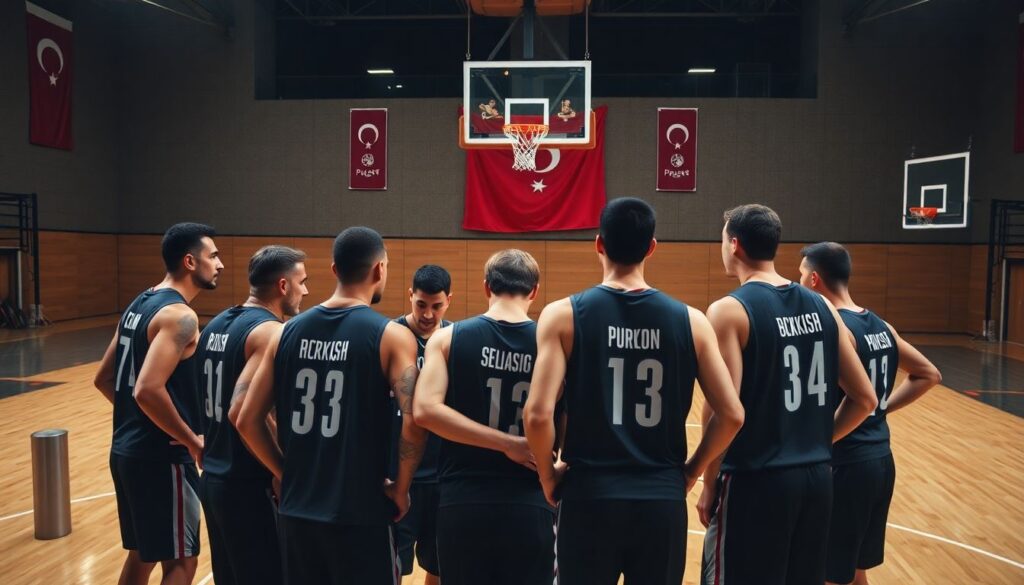
Copy principles, not star talent. Define a clear identity, choose a few core actions that fit your roster, and train them daily. Fans and players will feel the connection to the best Turkish basketball teams in EuroLeague even without big-name signings.
Where do fan culture and travel packages influence tactical development, if at all?
Strong fan interest, seen in demand for Turkish basketball EuroLeague tickets and Istanbul travel packages, supports club budgets and long-term coaching projects. This stability allows teams to invest in consistent systems instead of chasing short-term fixes.
Are overseas camps more useful than domestic basketball training camps in Turkey?
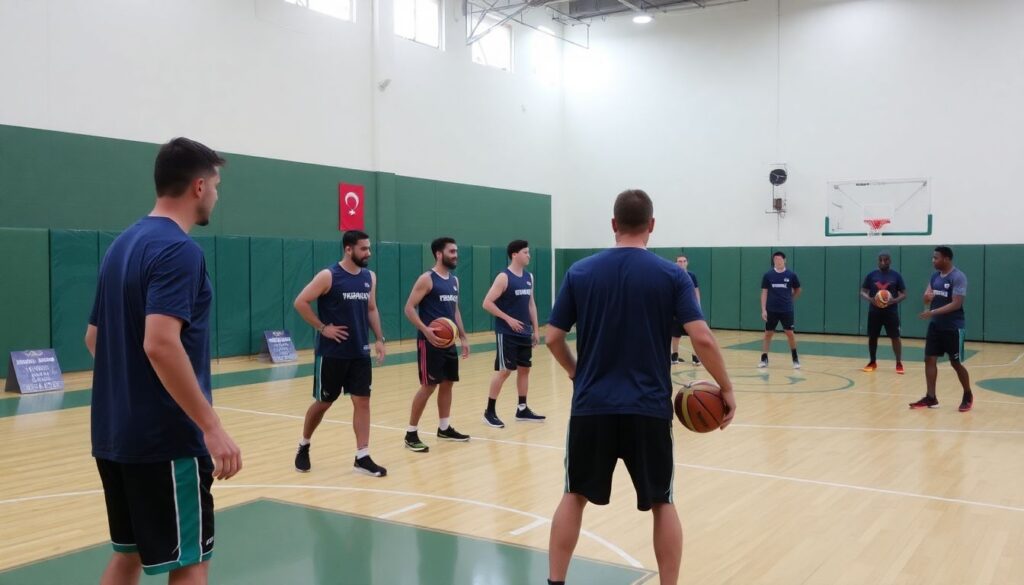
Not automatically. High-quality basketball training camps in Turkey that mirror EuroLeague tactical concepts can be as effective as overseas trips. The key is how well camp lessons are integrated into everyday club practices afterward.