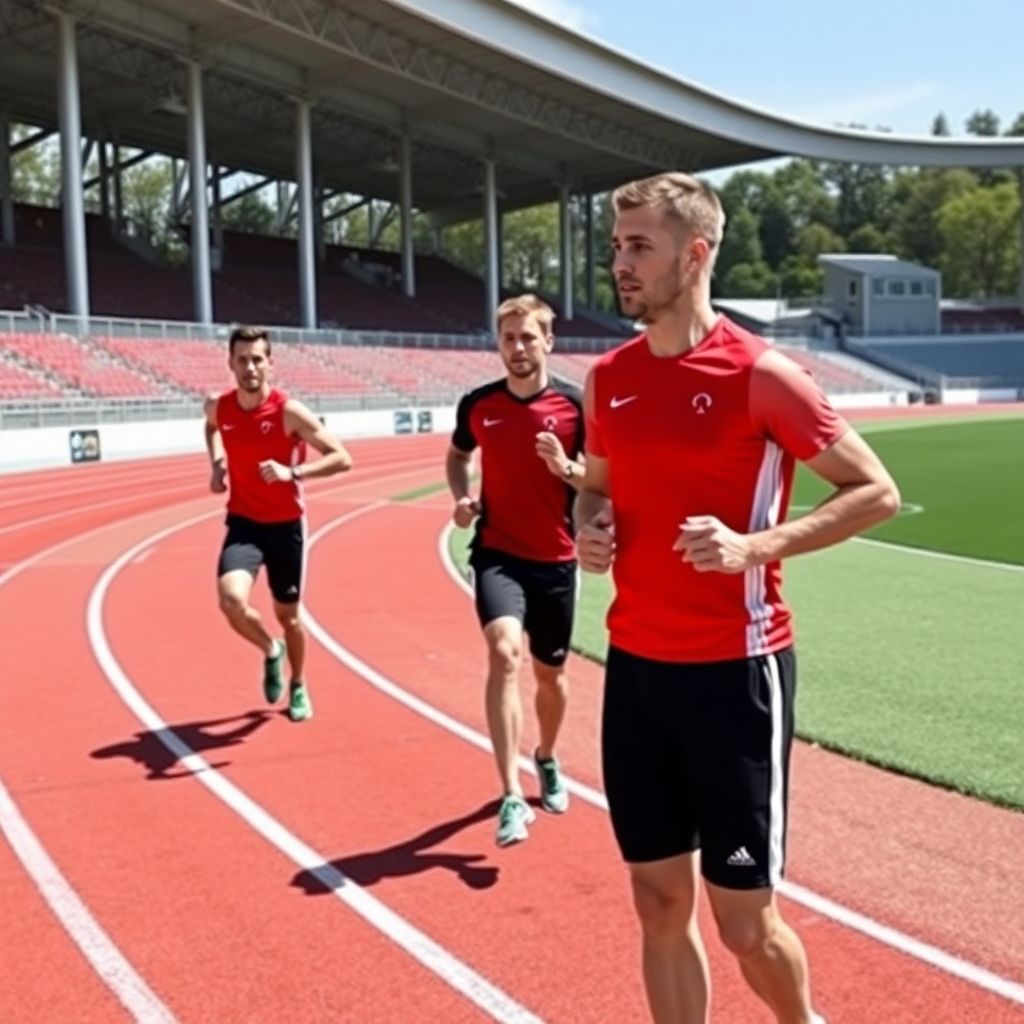
Top Turkish sprinters follow structured sprint training programs for elite athletes that blend biomechanics, periodized workloads, strength and conditioning, and careful recovery. To apply these methods safely, start with medical clearance, progress volume and intensity gradually, and use simple timing and video tools to monitor technique and fatigue while avoiding overload to tendons, hamstrings, and lower back.
Concise Performance Overview
- Elite Turkish sprinters share high neuromuscular power, efficient mechanics, and strong posterior chain strength built through progressive planning.
- Periodized macro, meso, and micro cycles coordinate acceleration, max velocity, and speed endurance across the year.
- The best sprint workouts to improve speed and acceleration focus on short, high-quality sprints with full recovery.
- Technical drills, simple video, and timing gates guide daily adjustments without overcomplicating training.
- A focused strength and conditioning program for sprinters emphasises force production, stiffness, and robustness over bodybuilding volume.
- Recovery, sleep, and basic nutrition habits are integrated as non‑negotiable training elements, not extras.
Physiological Profile of Elite Turkish Sprinters
Elite Turkish sprinters competing in 100-200 m events typically present high explosive strength, fast stretch‑shortening cycle performance, and strong central nervous system reactivity. They rely on short, intense efforts with long rest, rather than large endurance volumes. This profile determines which training methods are effective and which are risky.
This style of training is suitable for:
- Intermediate athletes with at least 6-12 months of general training experience.
- Healthy adults cleared for high‑intensity exercise by a medical professional.
- Athletes who can commit to 3-6 structured sprint sessions per week plus strength work.
It is not recommended to jump directly into elite‑style loads if you:
- Have current pain in lower back, hip, knee, Achilles, or hamstrings.
- Recently returned from surgery, serious illness, or long break from sport.
- Lack basic strength (cannot perform at least a few controlled single‑leg squats or stable planks).
In these cases, work first on general strength, mobility, and low‑intensity running before adopting intensive sprint training programs for elite athletes. Always increase volume and intensity gradually (for example, add distance or sets over several weeks, not in a single session).
Periodized Sprint Training: Macro to Micro Plans
To train like top Turkish sprinters safely, use periodization: organise months and weeks so that intensity, volume, and focus change in a logical way. This works whether you follow an in‑person coach or an online sprint training plan for 100m and 200m.
Basic tools and resources you will need:
- Flat, safe track (ideally 60-120 m marked); alternative: consistent turf or smooth asphalt.
- Timing method: smartphone stopwatch at minimum; timing gates are a bonus.
- Simple video (phone camera from side and rear angles) for technique review.
- Access to basic gym equipment: barbell, plates, squat rack, dumbbells, boxes, medicine balls.
- Clear schedule windows of 60-90 minutes for main sprint sessions, 2-4 times weekly.
Example yearly structure for a power‑speed athlete in Turkey:
- General Preparation (8-12 weeks): build basic strength, mobility, and work capacity; more drills, tempo runs, and simple accelerations.
- Specific Preparation (6-10 weeks): emphasis on acceleration and max velocity; increase intensity, reduce non‑specific volume.
- Pre‑Competition (4-6 weeks): race modeling over 60-150 m, block work, speed endurance.
- Competition Phase (8-12 weeks): fewer but sharper sessions; focus on freshness, race rhythm, and peaking.
- Transition Phase (2-4 weeks): rest, low‑intensity play, light strength; mental reset.
Inside each phase, plan weekly microcycles with 2-3 key track sessions, 2-3 strength sessions, and low‑stress recovery days. If you work with a professional sprint coach in Turkey, share your weekly schedule, job or school stress, and injury history to adapt the plan realistically.
Technical Drills and Biomechanics Priorities
This section provides a practical, safe step‑by‑step progression you can follow or adapt in any professional or online sprint training plan for 100m and 200m. Progress only when you can perform each step with control and without pain.
-
Establish posture and marching patterns
Begin with low‑intensity drills that reinforce tall posture and proper limb paths.
- A‑march: 3 × 20 m, focusing on tall trunk, dorsiflexed ankle, and relaxed shoulders.
- B‑march: 3 × 20 m, emphasising active foot strike under the hip.
- Wall drill holds: 3 × 10-15 seconds per leg in a 45‑degree lean stance.
-
Introduce controlled acceleration mechanics
Move from static drills to short, submaximal accelerations with clear technical cues.
- Falling starts: 4-6 × 10-15 m at 80-90% effort, rest 1-2 minutes.
- Wall switch drills: 3 × 6-8 rapid switches, keeping hips stable and core braced.
- Cue focus: push back into the ground, keep shin angles low and aligned.
-
Develop upright mechanics and step rhythm
Once you can accelerate safely, add drills and runs in a more upright position.
- A‑skips: 4 × 20 m; listen for smooth, light ground contacts.
- Fast leg drills: 3 × 20 m per leg, emphasising thigh drive and quick recovery.
- Flying 20s: 4-6 × (20 m build‑up + 20 m fast) with full walk‑back rest.
-
Integrate start technique from blocks or three‑point stance
When acceleration basics are consistent, safely add structured start practice.
- 3‑point starts: 4-6 × 10-20 m at 90% effort, focusing on powerful first 3-5 steps.
- Block starts (if available): 4-8 reps over 10-30 m, long rest, no more than 2 per day at full effort initially.
- Video 1-2 reps from side and rear each session to check posture and shin angle.
-
Connect drills to race‑specific sprints
Translate drill qualities into short, focused sprints rather than many different exercises.
- 30-60 m accelerations from different starts, 4-6 reps, 3-5 minutes rest.
- Technique cue per run: choose only one (tall hips, fast arms, or strong push) to avoid overload.
- Stop session if technique breaks down or you feel sharp pain or unusual tightness.
-
Review and refine via simple video feedback
Use affordable tools to keep your technique in line with elite models.
- Record 1-2 sprints weekly from side and behind at 60-120 fps if possible.
- Check for: relaxed face and shoulders, straight line from head through hips, foot strike under or slightly behind hip.
- Adjust one detail at a time in the next session; avoid chasing perfection in a single workout.
Быстрый режим: минимальная техника‑рутина на неделю
- 1-2 sessions: posture and marching (A‑march, wall holds) before any running.
- 2 sessions: 4-6 × 10-20 m accelerations from falling or 3‑point starts, full rest.
- 1 session: 4-6 flying 20s for upright mechanics, plus A‑skips in warm‑up.
- Every week: record 1-2 sprints, pick one technical cue to improve next time.
Strength, Power and Plyometric Protocols
A well‑designed strength and conditioning program for sprinters in Turkey should aim at safe, progressive development of force, power, and tendon robustness, not muscle soreness. Use this checklist to see if your program supports sprint performance like the routines used by top national athletes.
- Your plan includes 2-3 weekly strength sessions, never on the evening before maximal sprinting.
- Main lifts focus on lower‑body strength: squats or trap bar deadlifts, hip hinges, lunges, step‑ups.
- Loads are challenging but controlled; you stop 1-3 reps before technical failure on each set.
- You include at least one hip‑dominant exercise (Romanian deadlift or similar) to support hamstring robustness.
- Upper‑body work supports arm drive and posture (rows, pull‑ups, presses) without extreme volume.
- Plyometrics start with low‑intensity contacts (ankling, low hops) and progress gradually to higher boxes or bounds.
- Total plyometric contacts per week are increased step by step and reduced when sprint intensity is highest.
- You schedule heavy lifting on the same days as intense sprinting to protect full recovery days.
- Knee, Achilles, or lower‑back discomfort is monitored; exercises are modified quickly rather than ignored.
- You review the program every 4-6 weeks and adjust based on sprint times, not just gym numbers.
Speed Endurance, Recovery and Nutrition Practices
Many athletes copy the volume used by advanced sprinters without the base, leading to fatigue and injuries. Avoid these frequent mistakes when building speed endurance and planning recovery and nutrition.
- Performing long repeat runs (for example, many 200-300 m reps) without first tolerating shorter speed work.
- Combining maximal speed sessions with heavy strength work and long tempo runs in the same day.
- Shortening rest periods so much that posture and mechanics collapse, turning sprints into slogging runs.
- Ignoring early signs of hamstring or calf tightness during speed endurance sets; pushing through instead of stopping.
- Underestimating hydration needs in hot Turkish climates; arriving at training already thirsty or depleted.
- Skipping post‑session meals, especially protein and some carbohydrate, and then wondering why progress stalls.
- Training late at night with strong stimulants, then sleeping poorly and repeating hard sessions in a tired state.
- Using complex supplements while basic habits (consistent sleep, regular meals, simple fruits and vegetables) are not in place.
- Failing to schedule easy days or complete rest after several demanding workouts in a row.
- Never testing or tracking speed endurance sessions, so you cannot see when volume is too high or intensity too low.
Testing, Data Monitoring and Competition Peaking
Top Turkish coaches use testing and monitoring to keep athletes fresh for key meets without relying on complicated technology. If you cannot access full lab profiling, there are safe, practical alternatives that still support performance.
- Field timing and video analysis: Use regular flying 30 m or 60 m tests with a stopwatch or timing gates, plus simple side‑view videos, to monitor speed and technique trends.
- Rating of perceived exertion (RPE) and wellness logs: Track how hard each session feels and basic daily markers like sleep and muscle soreness to decide when to push or back off.
- Simplified competition taper: In the 7-10 days before major races, reduce total volume by roughly half, keep 1-2 sharp sprint sessions, and cut all non‑essential strength or conditioning.
- Collaboration with a professional sprint coach in Turkey: When possible, share your simple data (times, RPE, videos) regularly so a coach can fine‑tune your peaking strategy for local conditions and competition calendars.
Rapid Answers to Practical Coaching Challenges
How often should an intermediate sprinter train per week?
Most intermediate athletes progress well with 2-3 sprint sessions and 2-3 strength sessions per week, arranged so that hard days and easy days alternate. Increase frequency only when you can recover fully and your sprint times are stable or improving.
Can I follow sprint training programs for elite athletes without a track?

Yes, but choose a flat, consistent surface and shorten sprints slightly. Avoid steep hills or uneven ground for maximal efforts, and focus on quality accelerations, drills, and strength work until you can access a proper track.
What are the best sprint workouts to improve speed and acceleration safely?
Short sprints of 10-30 m from various starts with full rest, combined with technical drills and light plyometrics, are usually safest and most effective. Start with 4-6 reps, monitor technique, and stop if you feel any sharp pain or unusual tightness.
How can I integrate an online sprint training plan for 100m and 200m with my team schedule?
Use the online plan as a base, then adjust days and volumes around team practices and matches. Avoid stacking multiple high‑intensity sessions together, and communicate clearly with coaches to prevent overlapping loads.
Do I really need a strength and conditioning program for sprinters?
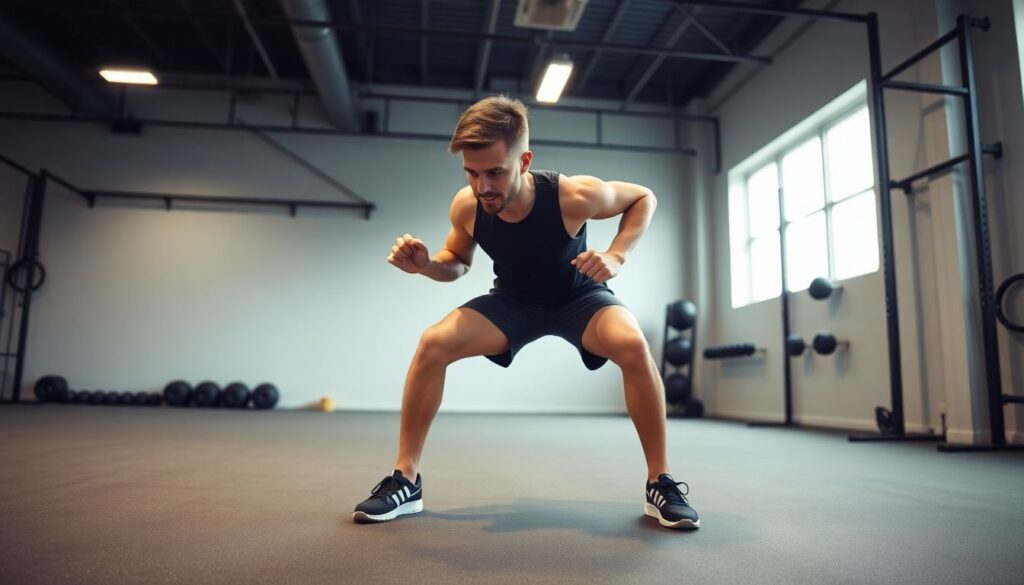
A structured strength and conditioning program for sprinters is essential to support power, joint stability, and injury resistance. Even with minimal equipment, 2-3 weekly sessions focused on basic lower‑body and core strength will significantly enhance sprint training.
When should I look for a professional sprint coach in Turkey?
Seek a professional sprint coach in Turkey when you approach regional or national‑level performance, face recurring injuries, or feel your self‑designed training has plateaued. A coach can refine your technique, progressions, and peaking to match your goals.
How quickly should I increase sprint volume as I improve?
Increase either distance or number of reps gradually over several weeks while monitoring times and recovery. If your performance drops or soreness persists, maintain or reduce volume rather than pushing further.