Why Recovery Now Matters More Than Ever
Вy 2026 the game has changed: elite athletes don’t just train hard, they recover like it’s a separate discipline. Recovery is no longer “sleep a bit more and stretch”; it’s data‑driven, tech‑heavy and ruthlessly optimized. When people Google the best recovery methods for athletes today, they’re really asking: “What are the pros doing that I’m not?” Good news — most of those methods scale down to regular people. The difference is usually in budget and discipline, not in secret protocols or magic supplements.
Short version: if you treat recovery as seriously as your workouts, you’ll progress faster, stay healthier and feel better doing it. Let’s unpack the science‑backed stuff the pros actually use — and how it will likely evolve in the next 5–10 years.
—
Key Terms Without the Jargon
What “Recovery” Really Means

In sports science, recovery is the process of returning your body and nervous system to a state where they can adapt and perform again. Not just “feeling less sore,” but restoring: muscle function, energy stores (glycogen), fluid balance, hormone levels, nervous system readiness and even mood. A helpful mental picture:
– Workout = controlled damage + stress
– Recovery = repair + adaptation
If stress wins, you burn out or get injured. If recovery wins, you get faster, stronger, more durable.
—
Supercompensation, But Visual
Supercompensation is the reason training works at all. Imagine a simple text‑diagram:
Load ↓ → Fatigue ↓ → Recovery ↑ →
Performance drops (tired) → returns to baseline →
Rebounds *above* baseline (supercompensation).
If you hit the next hard session right as the curve is slightly above your old normal, you level up. If you train again too soon (still fatigued) the curve trends downward. Elite programming is mostly smart timing of this curve plus the right recovery inputs.
—
Sleep: The Unsexy Superpower
Why Pros Protect Their Bedtime Like A Medal
Sleep is still the most powerful legal performance enhancer. Deep sleep triggers a surge of growth hormone that drives tissue repair, while REM sleep fine‑tunes motor patterns — basically your brain “replays” skills you practiced. Compared with all the shiny muscle recovery tools used by professional athletes, sleep has the strongest evidence and the best cost‑to‑benefit ratio. Studies consistently show that bumping sleep from ~6 to 8–9 hours improves sprint speed, reaction time and decision‑making, which is why NBA and football teams now travel with dedicated sleep specialists and blackout‑curtain kits.
—
Simple Vs. Fancy Sleep Optimization
Elite teams use wearables, HRV tracking and even lab sleep studies. You don’t need that to copy the basics: consistent bedtime and wake time, cool dark room, caffeine cut‑off 8–10 hours before bed, screens dimmed an hour prior. Diagram in words:
“More blue light, late caffeine, irregular schedule → more time to fall asleep + lighter sleep → slower recovery.”
You can buy high‑end sports recovery equipment for sale that tracks every heartbeat at night, but if your room is hot, bright and you’re doom‑scrolling in bed, those devices are just documenting self‑sabotage.
—
Cold, Heat and Contrast: Turning Temperature Into a Tool
Cold Water Immersion vs. Cryo Chambers
Cold exposure aims to reduce pain, swelling and perceived fatigue. Cold water immersion (CWI) is usually 10–15 °C water for 5–15 minutes. It blunts inflammation and can make your legs feel fresher for tournaments with tight schedules. Whole‑body cryotherapy (the fancy chamber with mist) does something similar via extreme air cold for a shorter time. Text‑diagram comparison:
– CWI: cheap, accessible, strong evidence for soreness relief.
– Cryo: expensive, cool experience, mixed evidence, mainly pro teams and rehab centers.
For most people, a simple tub or cold shower gets you 70–80% of the benefits that stars get from five‑figure cryo setups.
—
Heat and Saunas For Endurance and Relaxation
Heat works differently. Saunas and hot baths increase blood flow, relax muscles, and, with repeated use, boost plasma volume — helpful for endurance performance and heat tolerance. Think of it as “easy cardiovascular stress” without pounding your joints. Many distance runners now alternate heat sessions with training blocks to prepare for hot races. Compared with cold, heat is less about acute soreness and more about long‑term adaptation and relaxation. For team sports, using heat in the evening (short, not too hot) can aid sleep, while post‑match cold is often chosen when there’s another game within 48 hours.
—
Compression, Massage Guns and Other “Toolbox” Gadgets
How Compression Actually Helps
External compression uses pressure to help move blood and lymphatic fluid, supporting clearance of metabolic by‑products. That’s why you see pros sitting on the couch post‑game wearing big inflatable sleeves. When people decide to buy compression boots for athletic recovery, they’re essentially paying for a very fancy, automated leg squeeze that mimics elements of massage. Compared to simple compression socks, boots can generate graded, pulsed pressure from foot to hip, which may help more with heavy leg fatigue, especially in sports with high running volumes or back‑to‑back competitions.
—
Massage Guns vs. Human Hands
Percussive massage devices hit muscles with rapid pulses. They can improve short‑term range of motion and reduce perceived tightness. But here’s the nuance: they don’t “break up scar tissue” in the literal sense; they mostly modulate pain and muscle tone via the nervous system. A good therapist still beats a gadget when you need assessment, targeted work and movement coaching. The realistic approach: use a gun or foam roller for 5–10 minutes around joints you stress most (quads, calves, glutes, upper back), then do active mobility. Think: tool + movement > tool alone. Among the best recovery methods for athletes, these sit in the “useful but not magical” tier — great when stacked on top of solid sleep and load management.
—
Nutrition and Hydration: The Boring Edge
Refueling Windows and What Really Matters
Post‑exercise, two priorities rule: glycogen restoration and muscle repair. That means carbs plus protein. The classic guideline is ~1.0–1.2 g of carbohydrate per kg of bodyweight in the first 1–2 hours after a very hard session, and ~20–40 g of high‑quality protein spread over the next few meals. Electrolytes (sodium especially) help retain fluid and normalize blood volume. Pros don’t guess here: they weigh pre‑ and post‑training, analyze sweat composition, and get individual hydration plans. Compared to the average gym‑goer grabbing random snacks, that precision makes a noticeable difference in bounce‑back, especially in tournament or multi‑session days.
—
Supplements: Useful vs. Overhyped
Evidence‑based recovery aids in 2026 still look surprisingly modest: creatine, omega‑3s for joint and inflammation support, vitamin D where deficient, maybe tart cherry or beet products for specific scenarios. The flashy “instant recovery” powders rarely outperform consistent, boring food. A good mental diagram:
Food quality and timing = foundation block.
Hydration and electrolytes = second block on top.
Supplements = small bricks at the very top.
Pros treat supplements as icing, not cake. If your base is weak, the extras won’t save you.
—
Red Light Therapy and Emerging Tech
What Is Red and Near‑Infrared Light Therapy?
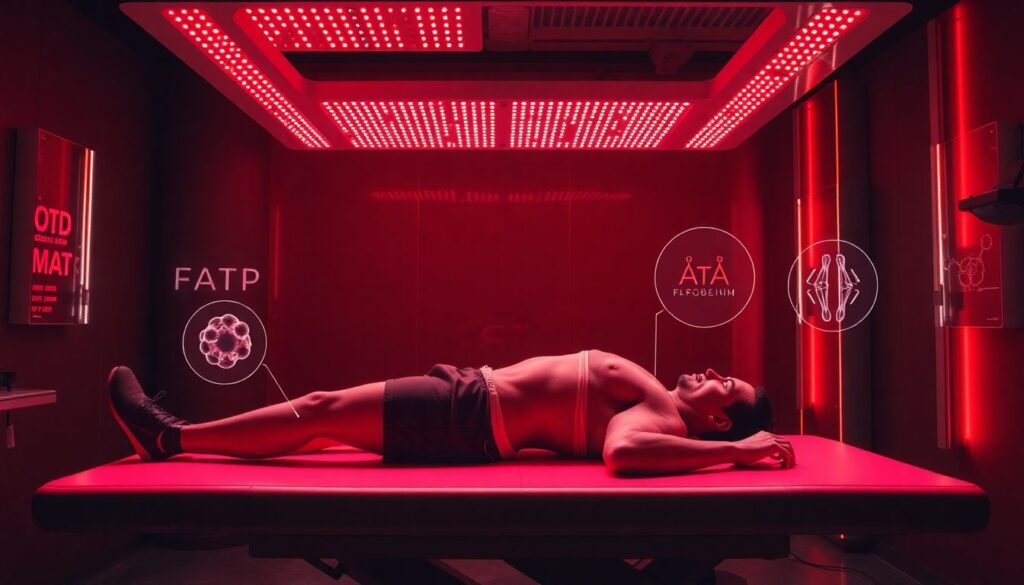
Red light therapy (RLT) uses specific wavelengths (roughly 600–1000 nm) delivered by LEDs or lasers to target tissues. The idea: mitochondria absorb this light, producing more ATP and modulating oxidative stress and inflammation. In sports, red light therapy devices for sports recovery are used before or after sessions on muscles or joints. Compared with traditional methods like ice or massage, RLT is low‑effort and non‑invasive, which explains the explosion of panels, wraps and handheld devices in pro locker rooms between 2023–2026.
—
How It Stacks Up Against Other Tools
Is it magic? No. But there’s growing evidence for small to moderate benefits on muscle fatigue, DOMS (delayed onset muscle soreness) and tendon pain when dosed correctly (right wavelength, distance, and exposure time). Versus something like compression boots, RLT may be more targeted to a specific joint or tendon issue, whereas boots are systemic and circulation‑focused. Compared with manual therapy, RLT doesn’t address movement quality but offers repeatable, consistent input that doesn’t depend on therapist skill. For home users, the catch is buying devices with real irradiance data, not just marketing claims, which is why pro staff usually vet brands carefully before filling the training room with glowing panels.
—
Data‑Driven Recovery: From Guessing to Measuring
HRV, Readiness Scores and Real‑World Use
Heart rate variability (HRV) measures tiny fluctuations between heartbeats; higher HRV at rest usually means better recovery and parasympathetic (“rest‑and‑digest”) dominance. Wearables now bundle HRV, sleep, resting HR and activity into “readiness scores.” Elite coaches don’t let a single number dictate training, but they do use trends. Text‑diagram of how they think:
Context (travel, stress, soreness)
+ Objective data (HRV drop, poor sleep)
+ Athlete feedback (“feel flat”)
= Adjusted session (lighter, technical, or recovery day).
Compared with old‑school “push through everything,” this reduces soft‑tissue injuries and overtraining, especially in high‑load sports like swimming and cycling.
—
Sports Recovery Equipment You Actually See in Pro Rooms
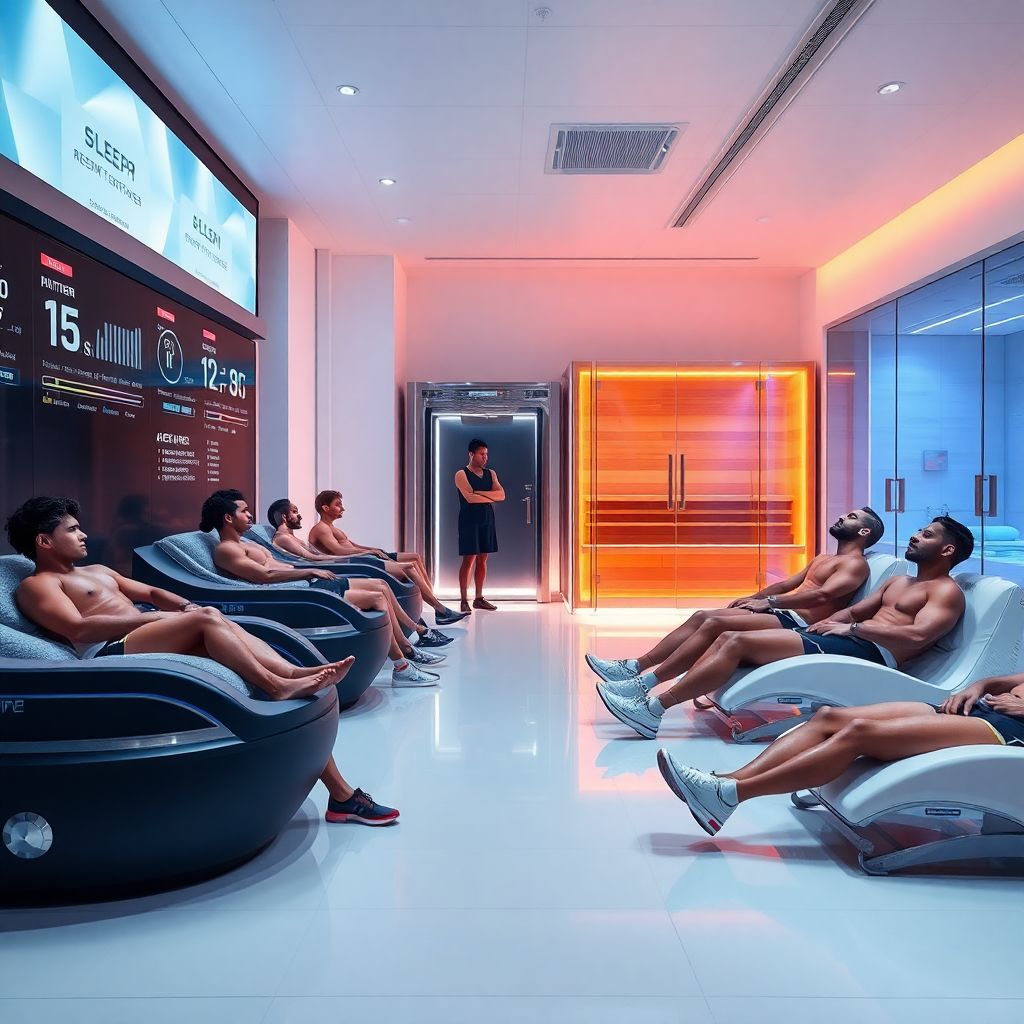
Walk into a modern training center in 2026 and you’re likely to see: compression systems, cold tubs, smart bikes for active recovery, red and infrared panels, massage guns lined up for team use, and a corner full of monitoring gear. A lot of what’s marketed as sports recovery equipment for sale online is a consumer‑friendly version of that. But the secret sauce isn’t owning the gadget; it’s having a plan: when to use it, how often, at what intensities and combined with what kind of load.
—
Putting It Together: A Simple “Like a Pro” Framework
Hierarchy of Recovery (From Crucial to Optional)
If you copy how pros think rather than what they buy, your framework might look like this:
1) Load management – plan hard and easy days; don’t max out every session.
2) Sleep – 7–9 hours for most, with consistent timing.
3) Nutrition and hydration – fueling around training and throughout the day.
4) Movement‑based recovery – light bike, easy run, mobility and stretching.
5) Tools and tech – compression, massage, red light, cold/heat as needed.
Most muscle recovery tools used by professional athletes sit at level 5. They polish results but don’t replace the first four levels. The pros are relentless about those fundamentals; the tools are amplifiers, not shortcuts.
—
Where Recovery Is Heading by 2030
Short‑Term Forecast (Next 3–5 Years)
From 2026 onward, two trends are obvious. First, more personalization: AI‑driven platforms will combine your genetics, training load, sleep and HRV to prescribe daily recovery “menus” (“30 minutes in compression, 10 minutes of RLT on that sore tendon, moderate carb dinner, in bed by 22:30”). Second, integration: devices will talk to each other. Your compression system, your wearable and your training app will sync so you don’t manually decide when to use what; your coach sees objective recovery scores right next to your intervals.
—
Long‑Term Outlook: What Might Change by 2035
Looking a bit further, expect more targeted biological interventions: injectable or topical therapies that accelerate tendon and cartilage repair, tightly controlled via biomarkers. Recovery centers may look less like spas and more like “micro‑clinics” with on‑site blood work, red and near‑infrared suites, neuromodulation rooms and individual recovery prescriptions. For everyday athletes, the trickle‑down will be cheaper, smarter devices and clearer guidelines. Instead of just seeing “muscle recovery tools used by professional athletes” and guessing which to buy, you’ll get evidence‑based bundles tailored to your sport, age, schedule and injury history — all explained in plain language, not lab jargon.
—
How to Start Training Like a Pro Today
Practical First Steps Without a Pro Budget
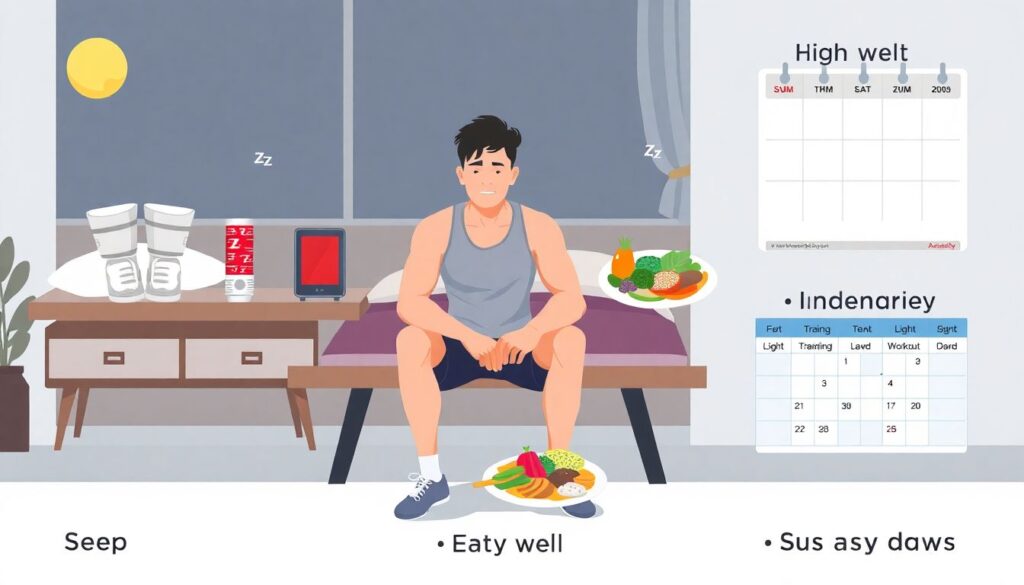
If you’re tempted to buy compression boots for athletic recovery or browse the latest red light therapy devices for sports recovery, pause and audit your basics first: are you sleeping enough, eating to support your training and planning real easy days? Once that’s in place, pick one or two tools that fit your reality: maybe a simple cold tub routine and a mid‑range compression or percussive device you’ll actually use 3–4 times a week. Then treat recovery like training: set goals (less soreness, better readiness), track how you feel, and adjust. That mindset — not the price tag of your gadgets — is what truly brings you closer to how elite athletes operate in 2026.