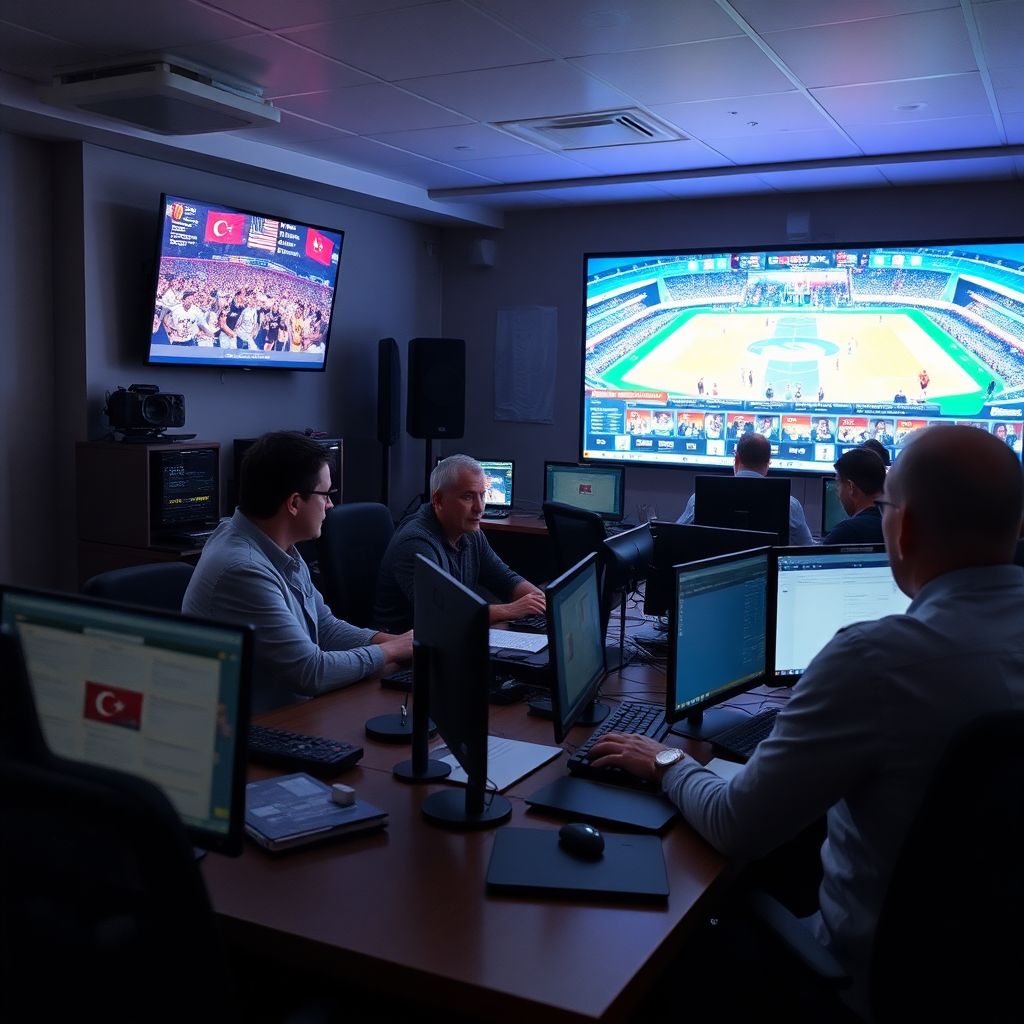
Turkish sports newsrooms organise football, basketball and other beats in tightly coordinated teams that chase speed without losing accuracy. Editors, reporters, data staff and social media producers work together to turn live matches into articles, clips and posts, while navigating regulations, club pressure, commercial needs and evolving digital tools in Turkey.
Inside the Newsroom: Essential Insights for Readers
- Sports desks in Turkey are organised by beats, platforms and time slots, with football dominating resources but basketball growing fast.
- Speed, verification and direct access to clubs are the main drivers of Turkish sports news coverage on busy match days.
- Clear editorial workflows define who writes, who edits, who publishes and who updates across web, TV and social.
- Liveblogs, short video and social threads now sit alongside classic match reports and columns for football and Turkish basketball news today.
- Legal rules, advertising deals and fan sensitivities strongly influence what gets published and how headlines are framed.
- Data, analytics and basic personalization shape homepages, push alerts and ad placements on sports sites and apps.
Organizational Structure and Beats in Turkish Sports Desks
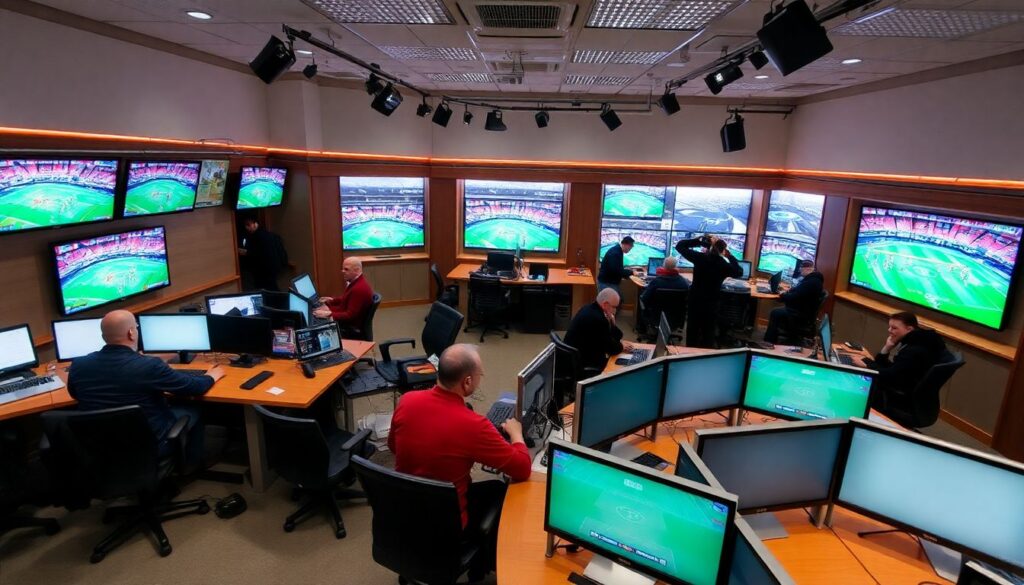
Inside major newsrooms and dedicated portals, Turkish sports desks are built around beats, platforms and time. The football beat usually has the largest team, reflecting the audience and commercial weight of the Süper Lig and European competitions. Basketball, volleyball and other sports share smaller but specialised sub‑desks.
Editors assign reporters to club beats such as Galatasaray, Fenerbahçe or Beşiktaş, national teams and international leagues. A separate crew handles behind the scenes Turkish football media content: transfer rumours, training‑ground reports, tunnel stories, fan culture and historical pieces. Another mini‑team focuses on Turkish basketball news today, from BSL matches to EuroLeague coverage of Anadolu Efes, Fenerbahçe and other clubs.
Platform structure also matters. Many brands split staff into web, TV, radio, print and social media. Digital‑first outlets work with integrated teams: the same reporter may file a match report, appear in a live YouTube show and feed quotes to social producers. Night shifts cover late European kick‑offs, while morning shifts rewrite agency feeds and prepare mobile‑friendly briefs.
At smaller operations, beats are blended: one journalist may handle both football and basketball plus general sports. Here, freelancers play a bigger role, especially for regional derbies, lower leagues and niche sports. This has a direct impact on those seeking Turkish sports journalism jobs, because versatility across sports and formats is often valued more than narrow specialisation.
Sourcing, Verification and Speed: Reporting Match Events Accurately
Match‑day reporting in Turkey relies on a balance of direct observation, trusted sources and fast decision‑making under pressure. The mechanics usually follow a repeatable pattern that lets a newsroom move from whistle to published story in minutes without sacrificing core accuracy.
-
Pre‑match preparation
Reporters arrive early, collect line‑ups from clubs and league officials, scan social media and local radio, and note key storylines. Editors pre‑build article shells, SEO titles and liveblog structures for major football derbies or EuroLeague clashes. -
Live observation from stadium and studio
One reporter is at the stadium, another may follow from the newsroom with multiple TV angles. They post real‑time updates into an internal chat, flag controversial incidents and log minute‑by‑minute events for the liveblog and post‑match analysis. -
Source triangulation for sensitive incidents
For red cards, fights, tunnel clashes or VAR controversies, journalists cross‑check with club press officers, league officials and TV rights‑holders. They compare official statements with what cameras and eyewitnesses show before locking in the final wording. -
Use of wire services and data feeds
Agency wires provide basic event data and quotes; statistics providers feed possession, xG and player metrics. Desks integrate these into both football and basketball stories, improving consistency across sites that rely heavily on rapid Turkish sports news coverage. -
Verification passes before push alerts
For big calls such as coach sackings, major injuries or bans, at least one senior editor double‑checks with an independent source. Only then do they green‑light push notifications, homepage banners and breaking labels. -
Post‑match clean‑up and corrections
Once the initial rush calms, editors re‑read match pieces, update quotes from press conferences, correct minor errors and add tactical or statistical depth so articles stay useful beyond the first traffic spike.
Editorial Workflow: From Tip to Wire – Roles and Checkpoints
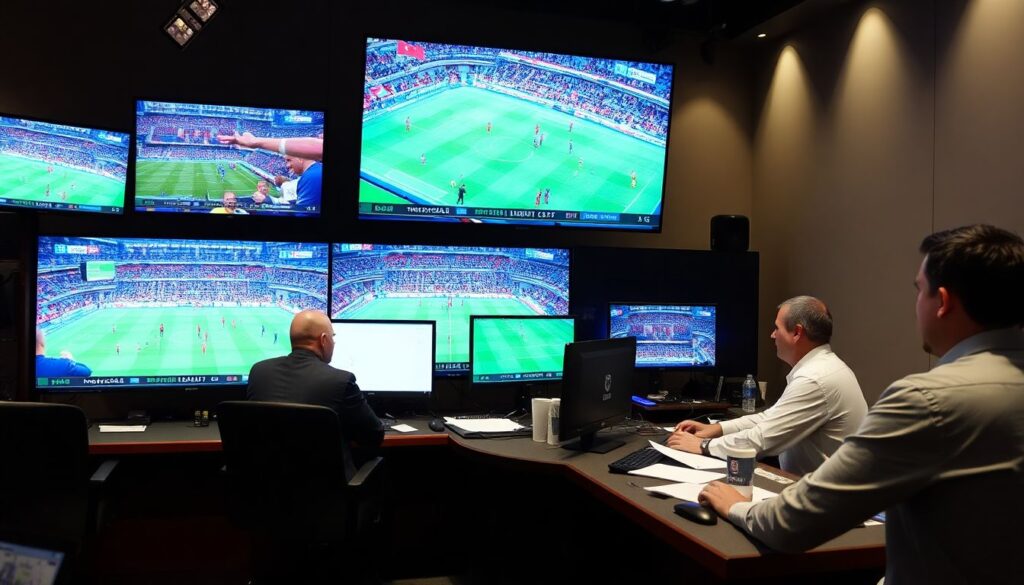
The same mechanics apply across common newsroom scenarios, but the workflow adapts to the type of story, the sport and the platform. Roles are clearly defined so that responsibility and blame do not blur when deadlines hit.
-
Scenario 1: Classic Süper Lig derby match report
A club beat reporter at the stadium feeds notes and quotes; a desk editor shapes the main narrative and headline; a copy editor checks style; a web producer publishes and pins the story; social editors cut key moments into short clips and threads. -
Scenario 2: Last‑minute transfer scoop
A journalist receives a tip from an agent that a star striker is moving. The reporter calls club sources and cross‑checks contracts; the sports editor weighs the risk; legal reviews phrasing if needed. Only after double confirmation does the newsroom publish and send alerts. -
Scenario 3: Turkish basketball EuroLeague upset
A basketball reporter follows the game from the arena while a data specialist prepares advanced stats and shot charts. The first short piece goes online at the final buzzer; a deeper analysis with visuals follows within the hour. TV debate shows reuse the same material later in the night. -
Scenario 4: Investigative look at club finances
An investigative team gathers documents, interviews former officials and analyses public records. Editors schedule multiple legal and ethics reviews, plan right‑of‑reply requests and coordinate with management because such stories may affect partners that advertise on Turkish sports news websites. -
Scenario 5: Fan‑driven feature on ultra groups
A culture reporter spends time with supporters, collects on‑the‑ground observations and photos. Editors focus on safety, anonymity and consent, especially when minors are involved or when violence is discussed. Social teams carefully choose excerpts to avoid glorifying dangerous behaviour. -
Scenario 6: Breaking coach resignation in live show
While a live TV or online show is on air, a producer sees confirmation of a coach resigning. The control room informs hosts, the web editor updates the running article, and a ticker appears on screen within minutes, creating a fully synced newsroom reaction.
These scenarios highlight how structured workflows help Turkish sports desks cover different sports and story types while maintaining a baseline of verification and editorial control.
Multiplatform Coverage: Liveblogs, Broadcasts and Social Integration
Modern sports brands operate as multiplatform publishers rather than single newspapers or channels. Football and basketball coverage in Turkey moves simultaneously through liveblogs, highlights shows, vertical videos and short‑form text that fits mobile screens and social feeds.
Advantages of a multiplatform strategy
- Reach fans where they already are, whether on TV, websites, apps, YouTube, Instagram, TikTok or X.
- Reuse core reporting – such as tunnel quotes or VAR controversies – across formats with minimal extra cost.
- Allow deeper, slower analysis on sites and print while keeping fast reactions in liveblogs and social threads.
- Create more revenue slots for brands that want to advertise on Turkish sports news websites and associated video or social inventory.
- Show personality: presenters, beat reporters and analysts become recognisable voices around specific clubs or leagues.
Limitations and operational challenges
- Risk of errors increases when the same breaking detail is pushed in parallel on live TV, web banners and social posts.
- Smaller newsrooms struggle to feed every platform at once, especially during crowded football and basketball calendars.
- Platform algorithms shape what fans see, pushing sensational or partisan takes over balanced analysis.
- Rights restrictions limit what video or live commentary can legally appear outside official broadcasters.
- Coordinating tone across all channels is difficult; a joke that works in a studio may backfire as a clipped social video.
Regulatory, Commercial and Ethical Constraints on Sports Reporting
Sports journalists in Turkey work under legal, commercial and cultural pressures that shape coverage as much as pure editorial decisions. Misunderstanding these constraints leads to mistakes, damaged reputations and, in some cases, legal exposure.
- Mistake: Ignoring broadcasting and image rights
Some newcomers think short clips or fan‑shot videos are always safe to use. In reality, rights‑holders may restrict even brief highlight usage, especially around live football or EuroLeague games. - Mistake: Treating transfer rumours as harmless speculation
Publishing unverified transfer claims can damage players, clubs and betting markets. Fans might enjoy gossip, but outlets still carry responsibility for labelling rumours clearly and correcting false reports. - Mistake: Confusing advertorials with independent journalism
When betting firms or sponsors advertise on Turkish sports news websites, their branded content must be signposted. Blurring the line undermines trust and can draw regulatory scrutiny. - Myth: Fan alignment excuses biased reporting
Many assume every outlet must openly support one club. In practice, sustainable brands try to manage bias, even if some hosts lean toward specific teams, to keep access and avoid alienating half their audience. - Myth: Online outlets face no serious legal risk
Bloggers and small digital brands sometimes think defamation or privacy rules only threaten big TV networks. Laws apply across formats, and online archives make problematic articles easy to find years later. - Mistake: Publishing sensitive dressing‑room leaks without context
Raw leaks can fracture teams and mislead fans. Ethical sports desks seek second sources, time for responses and contextual analysis before amplifying such material.
Adoption of Data, Analytics and Personalization in Sports Media
As Turkish sports media moves deeper into digital, data is used in two main ways: to enrich coverage with performance metrics and to personalise distribution so that the right fan sees the right content at the right moment.
On the editorial side, analysts and technically minded journalists integrate expected goals, shot maps and possession chains into football stories, and advanced box‑score visualisations into basketball explainers. For business and audience teams, analytics dashboards show which matches, clubs or formats drive engagement, helping editors decide whether to prioritise a big derby, a EuroLeague double‑header or Turkish basketball news today from domestic leagues.
A simple pseudo‑workflow for personalization inside a sports app might look like this:
// simplified logic for a Turkish sports home feed
if user.favoriteTeams include "Fenerbahce" then
    show latest Fenerbahce football + basketball stories first
else if user.location is near Istanbul then
    prioritise Istanbul clubs and derby build‑ups
end if

always include:
    1 trending national football story
    1 trending basketball story
    1 neutral data‑driven analysis
This kind of rules‑based personalisation is less complex than full machine learning but already improves relevance. It also intersects directly with revenue strategies, since both sports articles and ad slots can be targeted toward certain clubs, competitions or audiences interested in Turkish sports journalism jobs or specific fan communities.
Operational Questions Journalists and Editors Often Face
How do Turkish sports desks balance speed and accuracy on big match days?
They pre‑plan structures, assign clear roles and use verification checkpoints for sensitive claims. Non‑critical details may publish fast and be refined later, while coach sackings, injuries and disciplinary news require at least one extra confirmation before alerts go out.
Why does football seem to dominate sports coverage compared with basketball?
Football has a larger fan base, deeper club histories and more commercial pull, so it receives more airtime and staff. However, strong EuroLeague performances and domestic interest mean basketball coverage, especially online, continues to expand and professionalise.
What skills help when applying for Turkish sports journalism jobs?
Editors look for basic reporting discipline, social media fluency and comfort with both football and basketball. Being able to work nights and weekends, handle liveblog tools, read simple data tables and collaborate with video teams is often more important than pure writing style.
How do newsrooms handle club pressure and emotional fan reactions?
Experienced editors keep communication channels open with clubs but avoid letting them dictate coverage. They anticipate fan reactions, choose precise language in headlines and prepare clear explanations when controversial editorial decisions are made.
What is different about covering Turkish basketball news today compared with a decade ago?
There is more live streaming, data, international interest and interaction on social media. Reporters now juggle in‑arena duties with instant online updates, highlight clips and fan questions, rather than writing only a single print‑style match report.
Can small independent sites compete with big TV‑backed brands?
They usually cannot match rights‑holder video or huge studio shows, but they can win on niche depth, tactical analysis, local stories and community engagement. Consistent quality and a clear voice matter more than having the largest newsroom.
How do advertising needs affect editorial choices on sports sites?
Commercial teams sell placements around high‑traffic matches and big names, which encourages more content on those topics. Responsible outlets separate sales and editorial decisions, labelling sponsored material clearly while maintaining independent reporting standards.