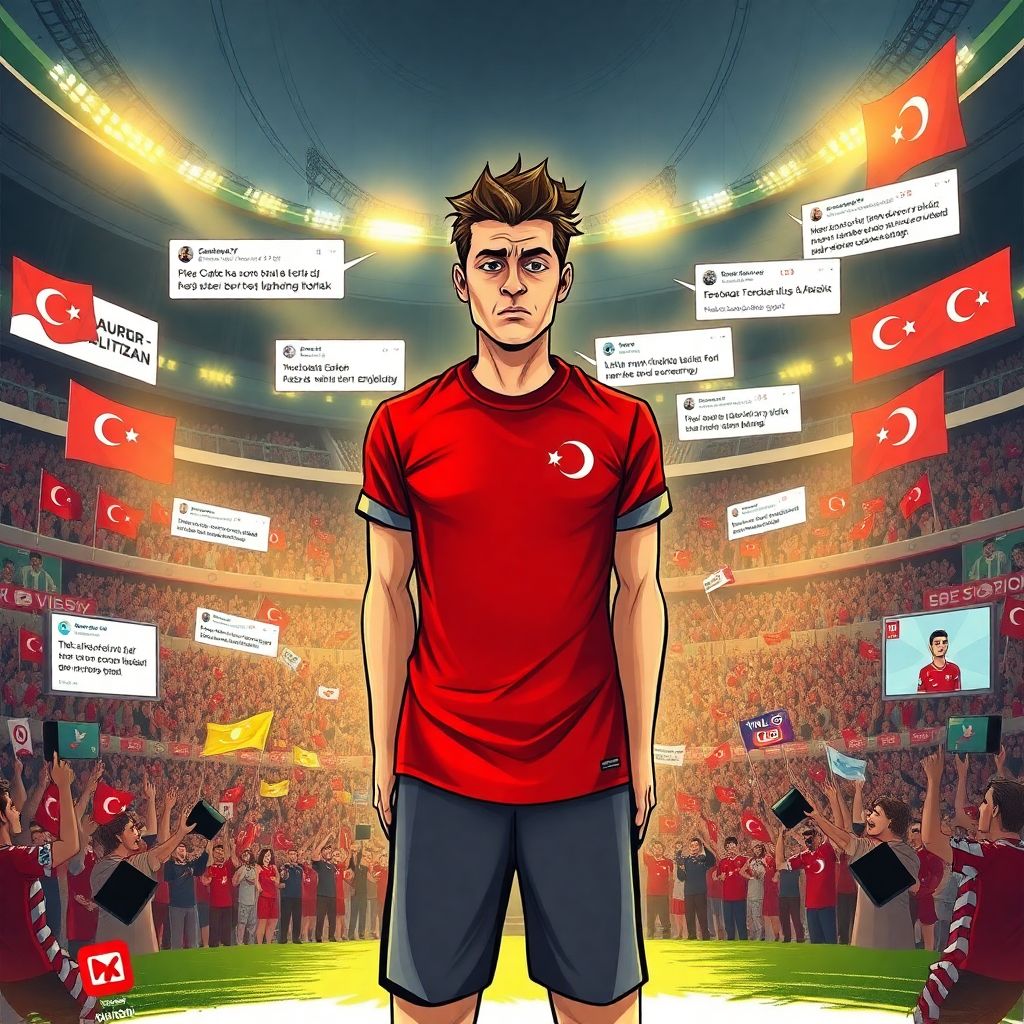
Why breaking sports news feels so powerful in Turkey
When a big story drops in Turkish sports – a last‑minute transfer, a derby scandal, a national team crisis – it doesn’t just inform fans; it actively shapes how millions of people feel about specific players. In a country where football is almost a second religion, turkish sports news today can tilt public mood in a couple of minutes. This article walks you through how that happens, what “media framing” actually is, and how different approaches to reporting either amplify or soften the impact on athletes’ reputations. The goal is practical: after reading, you’ll be able to look at live turkish football news with a colder head and understand which tricks are being used on your perception.
—
Key terms: framing, agenda‑setting and media ecosystems
Before comparing approaches, it helps to lock down a few terms that usually sound academic but in sports are very down‑to‑earth. Framing is simply *how* a story is told: which angle, which adjectives, which photos. Is a missed penalty “cowardice” or “unlucky”? The facts are the same, the frame is different. Agenda‑setting is about *what* you hear about in the first place: if every news app pushes a “discipline problem” alert about one player, your brain concludes discipline is the main issue in Turkish football. Finally, the sports media ecosystem is the mix of TV, newspapers, club channels, YouTube shows, Twitter/X accounts and fan podcasts that pump out turkey sports media coverage 24/7. Once you see these three pieces at work together, it becomes obvious why one emotional headline can turn a national hero into a national villain overnight.
—
How breaking news is manufactured, not just reported
From rumor to push‑notification: the pipeline
A lot of “breaking” news is more like “quickly amplified gossip”. The typical pipeline for latest news about turkish athletes often looks like this:
1. A leak or rumor appears (agent, club insider, or even a rival journalist).
2. A mid‑level outlet posts a short item with cautious wording.
3. A big site or TV channel runs a push alert with a much stronger angle.
4. Social media accounts cut a short clip or screenshot with an emotional caption.
5. Fan accounts translate, meme, and repeat the story in their own language and style.
By the time it reaches you, the original nuance is gone. What started as “talks are ongoing” becomes “player X betrays his club”, and that single line can follow the athlete for years. When you scroll through super lig news and highlights on match day, you’re rarely seeing raw information; you’re seeing the end product of this pipeline, carefully optimized for clicks and outrage.
—
Text‑diagram: the “heat loop” of a scandal
Imagine the feedback loop during a scandal in Turkish football as a simple text diagram:
Athlete action
↓
Reporter tweet
↓
Breaking headline on major site
↓
Studio debate show shouting match
↓
Fan rage on social media
↓
Club statement (defensive)
↓
More headlines: “Crisis deepens”
↓
Athlete image permanently colored
Each arrow is a decision point. A calmer editor, a better‑phrased club statement, or a more balanced talk‑show panel can slow down the loop. A sensationalist mindset accelerates it. In practice, most turkey sports media coverage still rewards acceleration, not reflection, so the heat loop turns minor conflicts into full‑blown “national issues” almost by default.
—
How media coverage shapes the image of athletes
From “player statistics” to “character narrative”
Look at how quickly footballers in Turkey are labeled: “problem child”, “ice‑cold finisher”, “mercenary”, “true captain”. These tags rarely come from a single interview; they come from repeated patterns in reporting. When live turkish football news focuses on effort and tactical discipline, a midfielder is seen as “a hard worker” even if he rarely scores. When the same player gets only mentioned in relation to contract disputes, the public memory shrinks to “money‑hungry”. The media silently decides whether an error is interpreted as lack of professionalism or as pure bad luck, and fans copy that interpretation without noticing.
—
Example: two ways to tell the same story
Suppose a national team striker misses a penalty in a qualifier:
– Frame A – character attack
“Star striker cracks under pressure again, leaving Turkey’s Euro dreams in tatters. Sources say the dressing room is losing patience with his ego.”
– Frame B – situational lens
“After a 90‑minute high‑intensity performance, the team’s main scorer misses from the spot; fatigue and poor pitch conditions likely played a role, staff say.”
Same event, radically different feelings. In Frame A, you start questioning the player’s soul. In Frame B, you see a tired athlete in a tough context. Once a few big portals and TV studios pick one frame, social media comments, memes, and even street conversations adopt it, and the athlete’s psychological reality changes: more boos, less patience, harsher criticism after the next minor mistake.
—
Comparing three main approaches to sports coverage
1. Sensationalist breaking‑news model
This is still the dominant mode in turkish sports news today. The logic is simple: more drama, more clicks, more ad revenue. Every small issue becomes “crisis”; every disagreement is a “civil war inside the club”. Transfer talk is stretched for weeks with micro‑updates that barely add information but constantly stir emotions. Panel shows scream instead of analyze because the volume itself becomes entertainment.
Impact on perception:
Athletes are seen as heroes or traitors, almost nothing in between. Nuanced opinions feel boring compared to the daily soap opera. Players quickly become symbols in club rivalries, not humans with ups and downs. This model can be thrilling for fans but brutal for individuals: a teenager making his debut can be branded “finished” after one bad half because a dramatic headline needs a villain right now.
—
2. Context‑driven analytical model
A smaller (but growing) group of journalists, podcasts, and YouTube analysts in Turkey are trying something else: stats, context, and slower judgments. Instead of asking “Is this player finished?”, they ask “What exactly went wrong tactically?” or “How does his workload compare to last season?”. In this approach, turkey sports media coverage borrows methods from data journalism and sports science. Breaking news is still reported, but the tone is closer to, “Here is what we know so far, and here is what we don’t know yet.”
Impact on perception:
Fans start to see performance as multi‑factor. Injury history, minutes played, tactical role, and club politics are considered alongside “attitude”. An athlete can have a bad month without being labelled a failure for life. While this model may feel less explosive than a shouting match, it’s much kinder to long‑term reputations and can make fan discussions smarter rather than angrier.
—
3. Club‑controlled and player‑controlled narratives
The third approach bypasses traditional media altogether. Clubs have their own TV channels and social media teams; players run personal YouTube, Instagram, and Twitch accounts. This is where a lot of super lig news and highlights first appear now: behind‑the‑scenes training clips, dressing‑room jokes, personal charity work. These channels are curated, of course, but they give athletes more say in how they’re seen.
Impact on perception:
Direct contact makes players feel more human: you see their families, hobbies, and sense of humor. However, because this content is polished and positive by design, it can feel like PR. When a real controversy hits, club channels often go silent or produce stiff statements, so fans return to independent outlets for the “real story”. In other words, club‑ and athlete‑controlled media soften the edges between crises but rarely solve the core problem of trust.
—
Text‑diagram: comparing the three models
Below is a rough text‑diagram comparing how one transfer rumor travels through each approach:
Rumor appears (“Player X might leave in summer”)
1) Sensationalist model
Rumor → “SHOCK EXIT!” headline → fiery TV debate → angry fan reactions → pressure on club and player, even if nothing is signed yet.
2) Context‑driven model
Rumor → “Talks expected, here’s the financial and tactical logic” → measured podcast discussion → fans weigh pros and cons → calmer atmosphere, room for rational decision.
3) Club/player‑controlled narrative
Rumor → cryptic emoji on player’s Instagram, or silence → club statement denying or downplaying → mixed fan reactions, some trust, some suspect spin → traditional media still fills info vacuum.
Same starting point, three narrative paths, three emotional climates for the athlete.
—
Different strategies to fix the problem
1. Editorial standards for “breaking” labels

One very direct approach is internal: newsrooms can enforce stricter rules about what deserves a “breaking” banner. For example: no “breaking” unless something is officially signed, confirmed, or has immediate consequences (suspension, injury, sacking). This cuts down on adrenaline‑bait and leaves space for depth. Compared with the current sensationalist approach, this strategy sacrifices some instant clicks but preserves credibility and reduces whiplash in public opinion about players.
—
2. Building an independent verification layer
Another approach is collaborative: independent fact‑checkers and data sites can act as a second layer for sports stories. When a hostile piece of breaking news hits – “Player X skipped training”, “Player Y refused to warm up” – fans could quickly check a neutral source that confirms, denies, or nuances the claim. This model is already common in political journalism; extending it to sports would change how latest news about turkish athletes is consumed. The downside: it needs funding and patience, and flashy rumors often outrun later corrections.
—
3. Media literacy for fans and young athletes
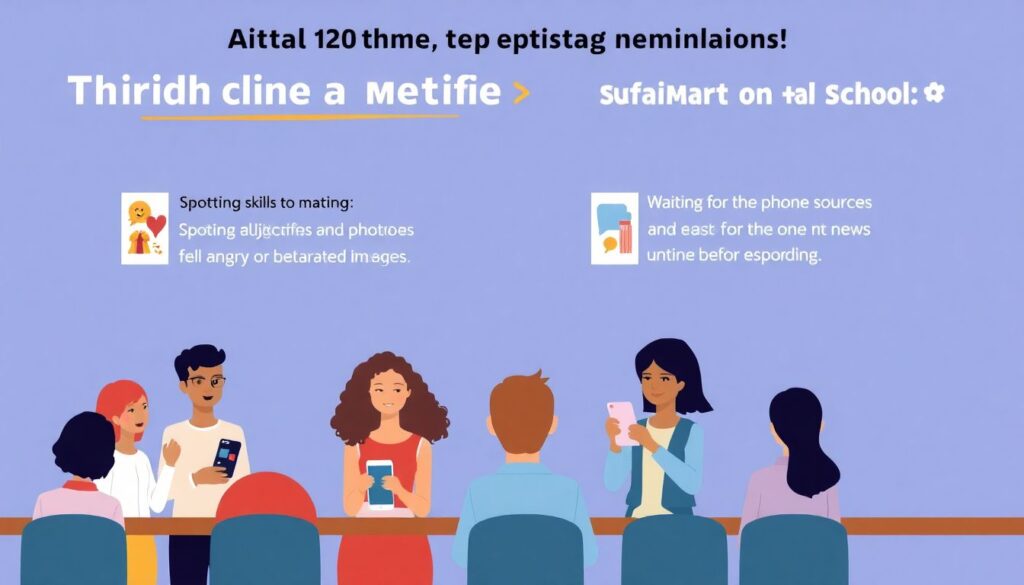
A third line of defense is educational. Clubs, federations, and schools can actively teach three basic skills:
1. Spotting framing: noticing when adjectives and photos are pushing you to feel angry or betrayed.
2. Waiting for second sources: resisting the urge to react until at least one more outlet or official body confirms the story.
3. Understanding incentives: remembering that anger and fear keep you scrolling, which is exactly what some outlets want.
Compared with simply telling fans “don’t believe everything”, this structured media literacy gives them tools. The benefit is long‑term: a fanbase that asks harder questions forces media to raise standards.
—
4. Proactive communication strategies from athletes
From the athlete’s side, the solution is not total silence but smart timing. Instead of reacting instantly to every rumor, players can:
1. Maintain a calm, consistent communication channel (one social media account they actually use).
2. Post clear, short statements during major controversies, then stop feeding the story.
3. Share behind‑the‑scenes content in quieter periods to build goodwill before crises happen.
Compared with shouting back at critics or hiding completely, this balanced approach gives the public a human reference point. So when turkish sports news today throws out another “shocking” allegation, fans already have a mental image of the player beyond the headline.
—
How you, as a fan, can evaluate coverage in real time
Simple checklist before you react
When you see explosive live turkish football news, run a quick mental checklist:
1. Who gains from this being dramatic right now? (club politics, media ratings, rival fans)
2. What is actually confirmed, and by whom? (club statement, federation, multiple outlets)
3. Is this about one action or about a person’s whole character? (be wary of sweeping labels)
4. Will this still matter in a week? (if not, maybe it’s just content, not true importance)
Using a checklist doesn’t kill your passion; it just keeps you from being steered by whatever narrative is most profitable for someone else. Over time, this slightly skeptical habit reduces the power of low‑quality coverage to rewrite an athlete’s entire public identity.
—
Final thoughts: towards healthier sports storytelling
Breaking news in Turkish sports isn’t going away; if anything, it will speed up. The real choice is not between “news” and “no news”, but between three competing approaches: sensationalist drama, slow analytical context, and curated club or player narratives. Each one shapes how you see athletes – as disposable characters in a soap opera, as complex professionals under pressure, or as carefully managed brand ambassadors.
If fans reward nuance with clicks and attention, if journalists defend stronger standards, and if players learn to communicate without panic, turkey sports media coverage can still be intense and passionate without being permanently toxic. The next time you scroll through super lig news and highlights or any latest news about turkish athletes, treat every headline as an invitation to think: “What frame is this using, and who do I become if I accept it?”