
For shaping informed opinions, deep sports news analysis is more reliable than fast updates, while live sports breaking news is best for quick awareness. The smartest approach is a mix: instant alerts from the best sports news websites plus a few trusted longform and podcast sources you follow weekly, ideally free or low-cost.
Headlines vs Longform: What Fans Actually Hear
- Breaking headlines simplify complex stories into emotional, often polarized snapshots.
- Deep analysis adds tactics, finance, and context that explain why decisions are made.
- Overreliance on live sports breaking news amplifies short-term outrage and rumors.
- Balanced diets of sports media coverage reduce bias and prediction errors.
- Budget-conscious fans can build a high-quality mix using mostly free sources.
- Structured analysis is essential if you bet, play fantasy, or debate regularly.
Speed and Sensation: Mechanics of Breaking Sports Coverage

Breaking coverage exists to answer one question first: What just happened? Everything in that ecosystem – push notifications, TV tickers, live blogs, social feeds – is optimized for speed and emotion, not depth. Understanding how it works helps you choose when to trust it and when to wait.
Use these criteria when evaluating fast sports media coverage for leagues like the Süper Lig, EuroLeague, or the Premier League:
- Source transparency – Does the outlet clearly distinguish between confirmed news, reports, and rumors? Look for phrases like “officially announced”, not just “per sources” with no detail.
- Correction record – When they get a transfer, injury, or coaching story wrong, do they update visibly, or quietly delete posts?
- Headline vs article alignment – How often does the emotional headline exaggerate what the body text actually confirms?
- Conflict of interest – Is the reporter directly tied to a club, agent, or sponsor who benefits from hype or panic?
- Rumor density – What share of their football or basketball feed is speculation about moves, sackings, and drama versus confirmed events?
- Context in short pieces – Even in a 200-word update, do they mention context (previous form, contract situation, tactical fit), or only emotional framing?
- Notification discipline – How many alerts per day do you get if you enable push? Constant pings push you toward hot-take thinking.
- Cost vs value – If you pay for a fast-news subscription, are you getting anything beyond what free apps and social feeds already provide?
- Local vs global balance – For Turkish fans, does the outlet balance Süper Lig urgency with relevant global updates, or flood you with distant gossip?
For budget-first fans, breaking coverage should mostly come from free apps and social feeds with strong track records. Save your money for a small number of high-quality sports news analysis products that help you actually understand games and decisions.
Depth and Context: Anatomy of Analytical Reporting
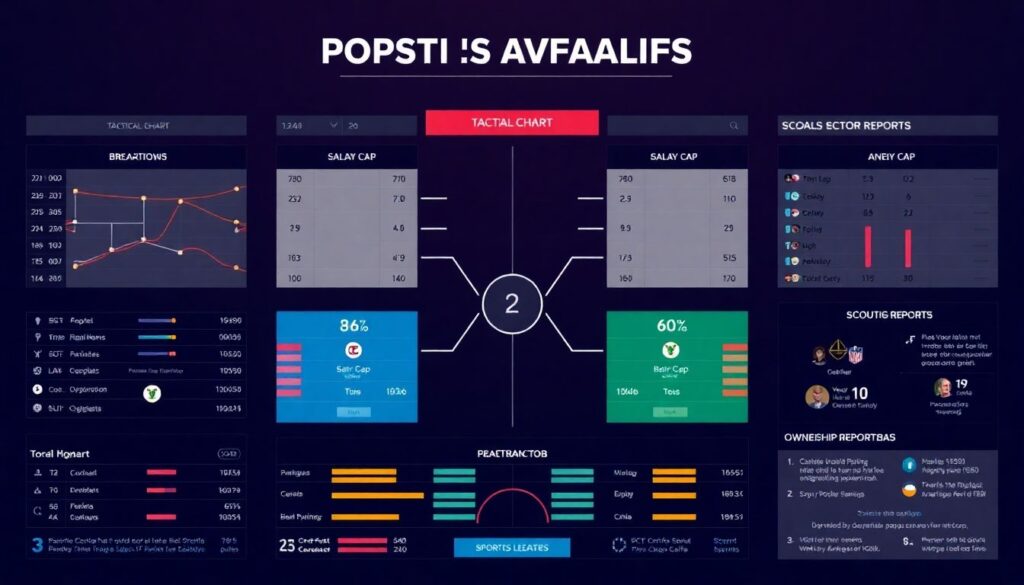
Analytical formats exist to answer why and what it means: tactical breakdowns, salary-cap explainers, scouting reports, and ownership investigations. Below is a comparison of common analysis options you can mix according to time, money, and interest level.
| Variant | Best for | Pros | Cons | When to choose |
|---|---|---|---|---|
| Short next-day columns | Busy fans needing quick, thoughtful takes after matches | Fast to read; adds context beyond the score; often free on best sports news websites. | Can still be reactionary; limited data and detail; sometimes club-biased. | Use after big Süper Lig or NBA games when you want more than highlights but have little time. |
| Longform tactical articles | Fans who love formations, schemes, and coaching decisions | Deep diagrams and video clips; shows how systems work; great for learning and debates. | Time-consuming; sometimes behind paywalls; can be too technical for casual readers. | Choose weekly for teams you follow closely or before major derbies and playoff series. |
| Data-driven analytics pieces | Fantasy players, bettors, and stat-curious supporters | Less emotion, more evidence; reveals hidden trends in performance and tactics. | Requires basic stats literacy; models can be misused or overconfident. | Use when evaluating transfers, injuries, or coach changes that affect long-term performance. |
| Podcast or YouTube breakdowns | Commuters and multitaskers who prefer audio or video | Low-cost or free; conversational; good for understanding narratives and league politics. | Variable quality; can drift into gossip; harder to skim for key facts. | Pick 1-2 trusted shows for weekly league-wide context and cap/contract talk. |
| Investigative and business features | Fans interested in finances, governance, and off-field power | Explains ownership, FFP issues, corruption, and media rights; crucial for big-picture views. | Rare, often long; may sit behind subscriptions; slower publication cycle. | Use monthly to understand how money, politics, and media shape your club and league. |
A balanced media diet usually combines fast updates with at least one written and one audio/video analysis source. If you later take sports journalism courses online, you will see the same categories used to teach future reporters how to move from “what” to “why”.
Audience Effects: How Formats Shape Fan Perceptions
Different formats do not just inform you; they train how you think about sports, players, and clubs. They influence whether you blame individuals or systems, focus on tactics or drama, and overreact to short-term swings or stay grounded.
Use these scenario-based guidelines:
- If you mainly scroll social media during live sports breaking news, then assume your perception is tilted toward outrage and tribalism. Add at least one calm next-day column and a weekly tactics podcast to cool down and check your impressions.
- If you argue transfers and lineups with friends, then prioritize sources that explain salary caps, contract structures, and scouting. Data-driven articles and business features will make your opinions less emotional and more realistic about club constraints.
- If you bet or play fantasy on a tight budget, then avoid overpaying for premium tipster services that simply repackage free stats. Instead, combine free league data, a couple of reliable analytics blogs, and one low-cost paid source with transparent methods.
- If you follow multiple leagues (for example, Süper Lig, Premier League, and NBA), then use breaking coverage only for alerts and injuries, and reserve deep dives for 1-2 favorite teams. Over-consuming analysis for every league leads to fatigue and shallow understanding.
- If you want a premium, time-efficient experience, then consider one paid longform outlet plus an ad-free analytics newsletter or podcast. This combo gives depth and comfort while keeping your media diet curated instead of chaotic.
- If you care about local club politics and ultras culture, then mix national outlets with at least one local reporter or blogger who attends matches and pressers regularly, but always cross-check with a more neutral national or international analysis piece.
Over time, prioritize analysis formats that regularly change your mind with evidence. Those are the ones that truly improve your sports news analysis, not just confirm your first emotional reaction.
Commercial Pressures: Revenue, Clicks and Editorial Choices
Behind every headline and think-piece sits a business model. Understanding how outlets make money helps you predict which sports media coverage will push drama versus depth.
- Map the outlet type – Identify whether it is ad-driven, subscription-based, team-affiliated, or influencer-led. Ad-heavy sites are usually incentivized to maximize pageviews and breaking posts.
- Check homepage balance – Count how many items are transfer rumors or controversies versus tactical or data pieces. A skewed homepage suggests editorial focus on drama.
- Scan headline language – Words like “shocking”, “disaster”, and “betrayal” in everyday coverage show a click-first mentality. Reserve strong words for truly exceptional events.
- Review ad load and sponsorships – Excessive pop-ups or betting ads around articles about the same matches create conflicts of interest, especially if the outlet also gives betting tips.
- Identify paywall priorities – Notice which stories are locked: if deep analysis is paid and gossip is free, that outlet is signaling what it values most and what it expects you to value.
- Compare to competitors – Look at 2-3 of the best sports news websites side by side after a big game. See who updates first, who shouts loudest, and who waits for facts before pushing alerts.
- Align with your budget – Decide how much per month you can spend. Start with free sources, then add at most one or two paid analysis products that clearly beat what you already get for free.
Ethical Tradeoffs: Accuracy, Bias and Correction in Sports News

Different formats create different ethical risks. Being aware of these helps you avoid the most common traps when choosing what to read, watch, and share.
- Confusing rumors with confirmed facts, especially in transfer windows, and then defending wrong opinions long after corrections.
- Following only club-friendly insiders whose loyalty is to management or ultras, not to truth or balance.
- Sharing emotionally charged injury or scandal stories before reading beyond the headline or checking the original source.
- Ignoring correction culture: many fans never revisit earlier takes after new information appears, even when outlets correct mistakes.
- Overweighting ex-player pundits who speak confidently but rarely provide verifiable evidence or admit uncertainty.
- Assuming that paywalled or premium content is automatically more accurate or less biased than free reporting.
- Letting national or regional bias color your interpretation of international coverage, for example, dismissing foreign analysis of Turkish clubs as “anti-” without reading the argument.
- Underestimating language barriers: relying on second-hand translations of foreign interviews instead of waiting for full transcripts.
- Overpersonalizing issues (blaming individual players) instead of considering coaching, tactics, or board decisions that analysis pieces usually highlight.
- Ignoring diversity of voices in your media diet, which narrows the range of perspectives you hear about tactics, culture, and fan issues.
Practical Toolkit for Fans on a Budget: Vetting Coverage Efficiently
The most cost-effective mix is usually: free, reliable breaking updates plus one or two thoughtful analysis sources. For fast updates, use reputable apps and social feeds for live sports breaking news. For deeper understanding, follow a small set of writers, podcasts, or channels that consistently provide measured, evidence-based sports news analysis.
Best for quick awareness: trusted breaking feeds from established outlets. Best for learning and strong opinions: longform tactical, data, and business analysis you read or listen to on a delay, after emotions settle. Adjust the paid part of your mix only if it clearly improves quality beyond what your free setup already delivers.
Common Reader Concerns About Sports Coverage
How many sources should I follow to stay informed without wasting time?
For most fans, one primary breaking source, one written analysis outlet, and one podcast or video show are enough. Add more only if each new source regularly gives you unique insights, not just the same headlines repeated.
Are social media accounts reliable enough for transfer news?
Some are, but reliability varies wildly. Prioritize accounts that cite original reporting, link to full articles, and correct mistakes publicly. Treat anonymous or agent-linked accounts as rumor-only, not confirmation.
Do I really need paid subscriptions for good analysis?
No, but paid options can be worthwhile if they clearly outperform free blogs and videos. Start with free content; upgrade only when you find a writer or analyst whose work regularly changes how you see games or teams.
How can I spot biased commentary toward or against my club?
Look for patterns: constant blame toward the same targets, ignoring facts that contradict the narrative, and emotional language in every segment. Compare how the outlet covers similar incidents for rival clubs.
Is video or audio better than written sports analysis?
Neither is automatically better; it depends on your habits. Written pieces are faster to skim and easier to reference. Audio and video are convenient for commuting but harder to fact-check and quote precisely.
Can sports journalism courses online help me read coverage more critically?
Yes. Even introductory courses teach basics of sourcing, verification, and ethics, which make it easier to judge whether coverage is solid reporting or just clickbait commentary.
How often should I review and adjust my media diet?
Reassess every few months or after major events like tournaments or transfer windows. If you feel more angry than informed after consuming coverage, that is a strong signal to rebalance toward calmer, evidence-based formats.