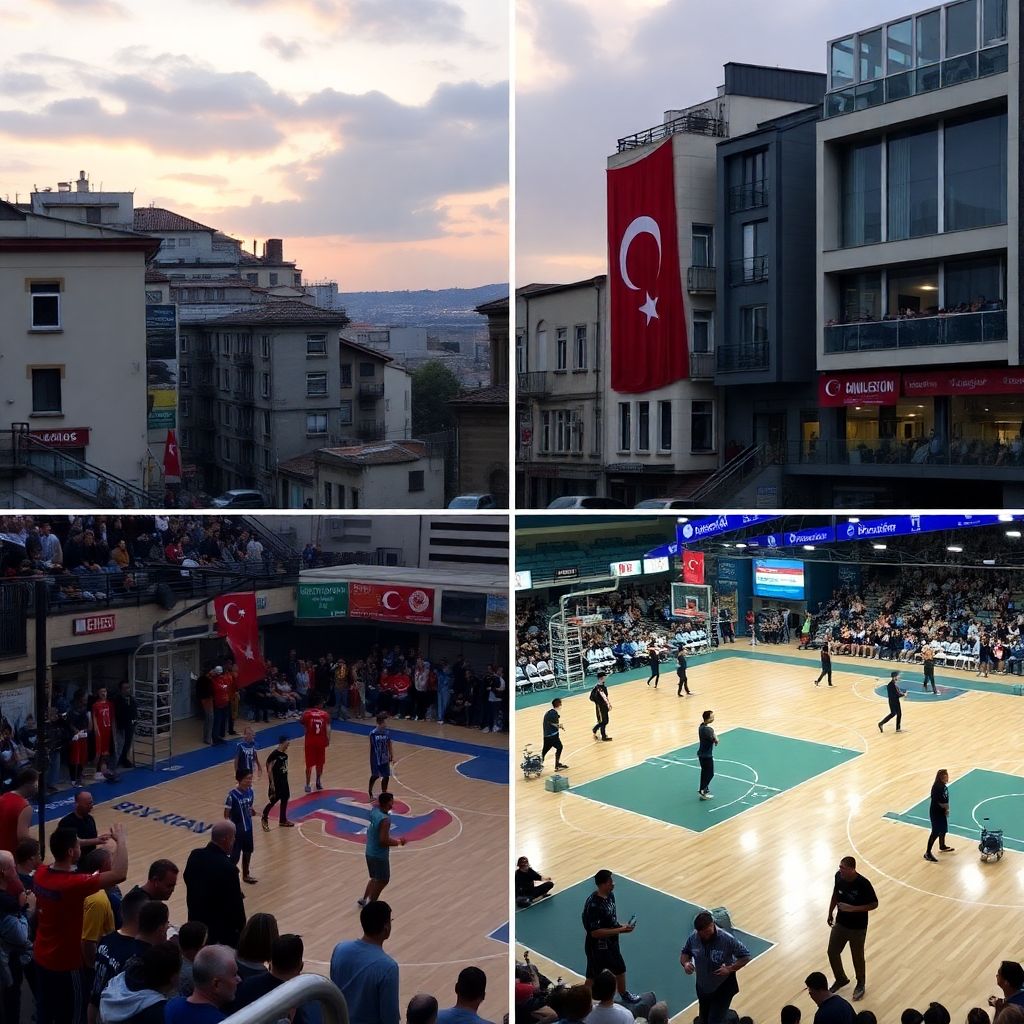
Basketball in Turkey grew from informal street courts and neighborhood gyms into a fully professional ecosystem feeding EuroLeague contenders. If you understand how grassroots play, youth academies, federations, sponsors and media rights connect, then you can choose better clubs, training options and game experiences across Turkish cities and European competitions.
Snapshot: Milestones in Turkish Basketball
- Streetball culture and school gyms created the first wave of informal competition and local heroes.
- National federations and the top league formalised rules, promotion-relegation and talent scouting.
- Youth programs and the best basketball academies in Turkey built a steady pipeline of elite players.
- Corporate sponsorships, TV deals and digital platforms professionalised clubs and arenas.
- Strong domestic teams became regulars in the EuroLeague, raising standards for coaching and tactics.
- New arenas, regional leagues and grassroots projects drive future growth but also expose governance gaps.
Origins: Streetball, Neighborhood Gyms and Early Clubs
In Turkey, basketball first took root on street courts, schoolyards and small neighborhood gyms. These spaces shaped a fast, physical style of play and a strong community identity. If you want to understand a Turkish club’s culture, then start by looking at the district and street courts it came from.
Early clubs often formed around multi-sport associations, municipal initiatives or universities. Coaches and PE teachers improvised equipment, adapted FIBA rules and organised local tournaments. If you trace a current EuroLeague star, then you usually find their first competitive games were in school leagues and informal neighborhood events.
Streetball tournaments still work as talent showcases and brand activations for clubs and sponsors. If you are planning basketball tours and training camps in Turkey, then mix formal club scrimmages with open runs on local outdoor courts to feel the real playing culture.
- If you scout players, then visit school tournaments and streetball events, not only official league games.
- If you design a youth program, then keep some unstructured street-style play to preserve creativity.
- If you travel to Istanbul, Ankara or Izmir, then spend time at known outdoor courts to read the local style.
Institutionalization: Formation of National Leagues and Federations
As participation grew, federations and structured leagues emerged to standardise competition and connect local clubs into a national ladder. The modern Turkish system reflects this layered history.
- If you follow club basketball, then focus on the top men’s league (often called the Turkish Basketball Super League), which sits above lower professional and semi-professional divisions with promotion and relegation.
- If you want stability and clear rules, then look at how the national federation sets regulations on foreign players, salary controls, youth quotas and coaching licences.
- If you are choosing a club pathway, then prefer organisations that field teams across age groups (U-10 to senior) within the official federation pyramid.
- If you work in sports management, then use federation calendars to plan around domestic league games, cup competitions and national team windows.
- If you buy turkish basketball league tickets, then check both federation and club websites, because fixtures and tip-off times can shift around European and domestic cup schedules.
- If you watch turkish basketball league online, then verify which broadcasters and streaming platforms hold the official media rights for the current season.
- If a club ignores federation licensing standards, then treat it as a short-term project, not a long-term career move.
- If a schedule seems unclear, then cross-check club, federation and arena pages before travelling.
- If you manage a local team, then align your competitions with federation structures to access better refereeing and scouting.
Talent Pipeline: Youth Development, Academies and Coaching Culture
The core of Turkey’s rise lies in its player pipeline: school teams, club academies and a growing coaching education system. If you want to evaluate the health of Turkish basketball, then look at how many youngsters move from U-14 rosters to professional minutes.
Scenario 1: Club Academies Feeding Pro Teams
Many top-flight clubs run integrated youth departments. If you join one of the best basketball academies in turkey, then you usually get structured training, medical support and a clear path to the senior squad or to loans in lower leagues.
Scenario 2: School and University Pathways
Schools and universities still provide gyms, basic coaching and regular competition. If you are an academic-focused player, then a strong university program can give you both a degree and exposure to scouts from domestic and European clubs.
Scenario 3: Private Skills Labs and Position-Specific Coaching
Private trainers offer shooting labs, athletic performance programs and position-specific skills. If you already play for a club, then use private coaching to fix specific weaknesses rather than to replace team practices.
Scenario 4: International Camps and Tours
Foreign players visit for basketball tours and training camps in turkey, mixing scrimmages with sightseeing. If you run such a camp, then partner with local clubs to secure quality sparring and licensed referees.
Scenario 5: Coaching Education and Mentoring
Coaches progress through federation licences and mentoring under experienced staff. If you are a young coach, then prioritise mentorship in a serious club environment over short, one-off clinics.
- If an academy cannot explain its pathway from U-12 to senior level, then question its long-term plan.
- If you are a parent, then evaluate coaching quality, medical support and school balance before signing contracts.
- If you are a player, then track your yearly minutes and role; if they stagnate, consider a lower division with more playing time.
Commercialization: Sponsorships, Media Rights and Professionalization
As Turkish clubs climbed European rankings, commercialisation accelerated. Sponsorships, arena naming rights, merchandising and media deals provided revenue to sign imports, retain local stars and invest in infrastructure. If you want to predict a club’s future, then analyse its commercial partners as carefully as its roster.
Digital distribution also changed how fans follow the game. If you plan to watch turkish basketball league online, then you usually need a subscription-based streaming service or access to official club channels that own or sublicense content within Turkey and abroad.
Advantages of Commercial Growth
- If clubs secure long-term sponsors, then they can build youth centers, hire better coaches and upgrade arenas without relying only on ticket sales.
- If leagues negotiate strong media rights, then more casual fans discover the sport through live games and highlight content.
- If branding improves (logos, jerseys, fan experiences), then Turkish teams become more attractive for international players and partners.
Constraints and Risks
- If a club depends heavily on one corporate sponsor, then a single business decision can destabilise its budget and roster.
- If short-term winning becomes everything, then investment in youth development and local coaches may suffer.
- If media rights lock content behind paywalls, then grassroots visibility and local engagement can stagnate.
- If you support a club, then follow not only signings but also sponsorship and arena announcements.
- If you run a team, then diversify income (tickets, media, sponsorship, academies) instead of chasing one big sponsor.
- If you build a fan community abroad, then use legal highlight clips and social media instead of unauthorised streams.
European Rise: Turkish Clubs on the EuroLeague Stage
Turkish clubs turned domestic strength into European relevance, regularly reaching advanced phases of continental competitions. This success created new expectations and some persistent myths. If you read EuroLeague narratives, then separate hype from structural reality.
- If you think only big-city clubs can be elite, then you ignore how smart scouting and coaching allow smaller-budget teams to punch above their weight.
- If you assume the euroleague basketball turkey schedule mirrors the domestic calendar, then you risk travel or viewing mistakes; EuroLeague slots depend on TV windows and cross-country logistics.
- If you believe imports carry Turkish teams alone, then you overlook the role of homegrown guards and bigs developed over many years in domestic systems.
- If you expect EuroLeague success to guarantee domestic dominance, then note that load management and travel can cause upsets in league play.
- If you think every EuroLeague arena in Turkey offers the same fan experience, then compare ticket categories, standing sections and family areas before buying.
- If you travel for a EuroLeague game, then check both EuroLeague and club sites for the latest tip-off time and arena rules.
- If you analyse a team’s performance, then watch both domestic and EuroLeague games to see how rotations change.
- If you are a young player, then study how locals earn minutes on EuroLeague rosters, not only the stars’ highlight plays.
Challenges and Opportunities: Governance, Infrastructure and Future Growth
Even with EuroLeague prominence, Turkish basketball faces governance issues, uneven infrastructure and competitive pressure from football and other sports. Growth depends on better coordination between federations, clubs, municipalities, schools and private investors.
Consider a simplified pathway in pseudo-logic that many Turkish cities follow:
if city_has_new_arena and local_club_is_stable:
    then attract_sponsorships()
    then invest_in_youth_programs()
    if youth_programs_produce_pros:
        then boost_attendance()
        then justify_more_investment()
else:
    focus_on_school_gyms_and_low_cost_events()
If decision-makers treat infrastructure, youth and fan engagement as one system, then they can create a sustainable loop of talent and revenue. If they chase only short-term winning or headline signings, then facilities, coaching and grassroots programs risk underfunding.
- If you work in local government, then tie arena projects to concrete youth and community-use plans, not just professional tenants.
- If you manage a club, then publish a clear roadmap for financial transparency and academy investment.
- If you are a fan, then support initiatives that bring kids to games and open practice sessions in your city.
Self-Check: Understanding Turkish Basketball’s Growth Path
- If you can explain how street courts and schools feed club academies, then you grasp the grassroots foundation.
- If you know where to buy turkish basketball league tickets and how to watch turkish basketball league online legally, then you understand the commercial side.
- If you can read a euroleague basketball turkey schedule and see how it affects domestic fixtures, then you follow structural dynamics, not just scores.
- If you can name a few of the best basketball academies in turkey and their partner clubs, then you track the talent pipeline.
- If you can plan basketball tours and training camps in turkey that combine street courts, club scrimmages and EuroLeague games, then you see the ecosystem as a connected whole.
Practical Answers on Structure, Competition and Development
How is the Turkish league system structured for clubs and players?
Top clubs compete in the premier national league above lower professional and semi-professional tiers. If a club performs well, then it can climb through promotion, while poor results risk relegation. Players move within this pyramid through transfers, loans and youth call-ups.
How do EuroLeague and domestic schedules interact in Turkey?
EuroLeague games slot into midweek windows, while domestic league games usually occupy weekends. If a Turkish club plays EuroLeague, then its national fixtures may shift dates or times to manage travel, TV demands and player fatigue.
What should young players look for in a Turkish basketball academy?
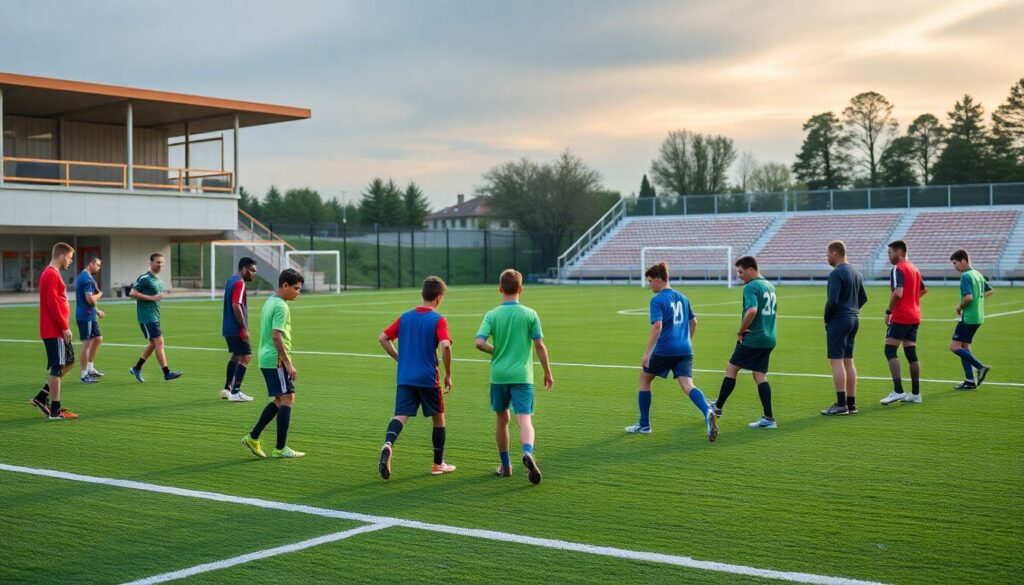
If you select an academy, then prioritise licensed coaches, clear age-group progression, links to a senior team and a transparent balance between school and training. Avoid programs that promise instant stardom or focus only on showcases without real competition.
How can international fans watch Turkish basketball legally?
Rights vary by season and region. If you live outside Turkey, then check official league pages, major sports broadcasters and club announcements to see where to watch turkish basketball league online or specific EuroLeague home games.
Are basketball tours and camps in Turkey useful for development?
If a tour combines practices with local coaches, games against Turkish youth teams and cultural activities, then it can accelerate learning and motivation. Purely touristic camps with few structured sessions add less basketball value.
What role do sponsors play in Turkish basketball stability?
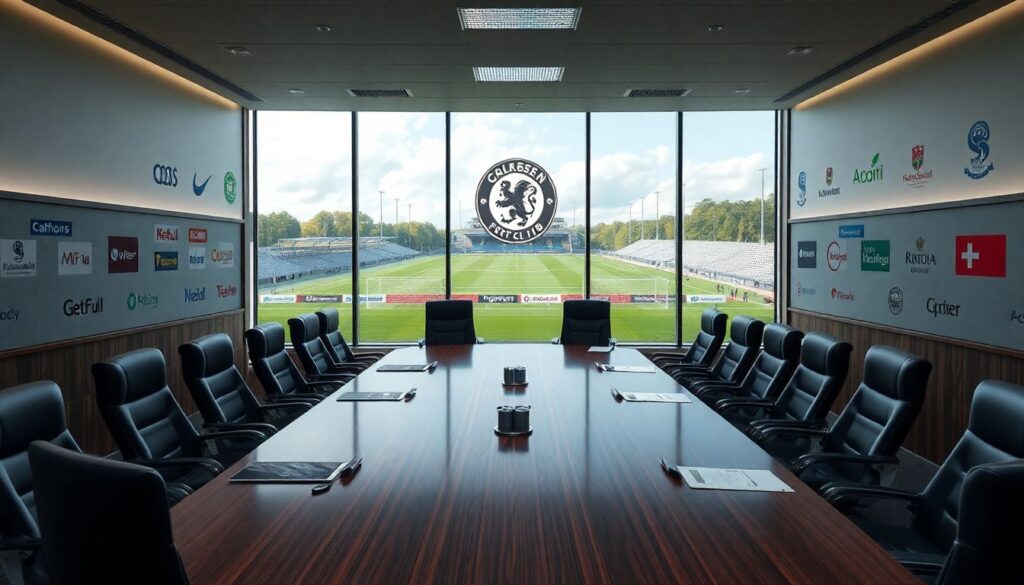
Sponsors fund rosters, infrastructure and youth projects. If a club has multiple long-term partners and diversified income, then it can ride out bad seasons more safely than teams relying on one main backer.
How can coaches in Turkey progress their careers?
If a coach completes federation licences, gains experience in youth and assistant roles, and learns English for European opportunities, then they increase their chances of moving to higher divisions or international positions.