
Analytics and big data in the sports industry let Turkish clubs and federations move from intuition to evidence-based decisions: tracking athlete loads, predicting injuries, pricing tickets dynamically, and personalising fan engagement. To start safely, define business questions, centralise clean data, choose simple sports performance analytics software, then extend with specialised sports analytics services or sports data consulting firms.
Critical Insights Overview
- Analytics only creates value when tied to clear performance, commercial, or talent objectives; tools alone do not deliver impact.
- Start small with reliable data sources (tracking, medical, ticketing) before exploring advanced big data in sports industry use cases.
- Build lightweight governance early: data ownership, access rights, and simple documentation for repeatable workflows.
- Combine internal analysts with external sports data analytics companies for complex models, systems integration, and training.
- Prioritise athlete privacy, consent, and legal compliance; performance data is sensitive and must be handled accordingly.
- Measure success with a compact KPI set for sporting, medical, and commercial outcomes rather than dozens of vanity metrics.
State of Sports Analytics in Turkey: Infrastructure and Stakeholders
Sports analytics in Turkey is moving rapidly from basic statistics to integrated decision-support systems. Professional football and basketball lead adoption, but volleyball, handball, and individual sports are catching up, driven by international competition and broadcasting requirements. Adoption levels vary widely between Istanbul “big clubs”, Anatolian teams, and federations.
For mid-tier Turkish clubs, analytics is especially suitable when you want to optimise limited budgets, support local talent development, or negotiate better sponsorship and media rights. It is less suitable if your organisation lacks basic digital records (training logs, medical files, ticketing data) or has no internal champion to own the project.
Key stakeholders typically include:
- Sporting leadership: head coach, performance director, academy director.
- Medical and performance staff: team doctor, physiotherapists, S&C coaches.
- Business side: marketing, ticketing, sponsorship, and media departments.
- Technology partners: internal IT, external sports analytics services, data vendors.
Case snapshot (Süper Lig club): One club started with a small analytics cell inside the performance department, using GPS and wellness questionnaires to reduce soft-tissue injuries. After two seasons of consistent workflows, they extended the team to cover opponent scouting and ticket pricing, and partnered with sports data analytics companies for custom models.
Mini-template: stakeholder map
- Sporting KPIs owner → role + name + weekly meeting time.
- Medical & load data owner → role + data systems used.
- Commercial data owner → ticketing, CRM, sponsorship contacts.
- IT / data infrastructure owner → servers, cloud, integrations.
- External partners → sports data consulting firms, software vendors.
Preparation checklist for Turkish organisations
- Define two to three strategic priorities: e.g., reduce injuries, improve academy promotion rate, grow matchday revenue.
- Assign a cross-functional lead group (sporting, medical, commercial, IT) with clear meeting cadence.
- Audit your current tools: GPS, heart-rate systems, video platforms, ERP, ticketing, CRM, spreadsheets.
Data Sources and Collection Methods Used by Turkish Clubs
Modern Turkish clubs rely on a mix of tracking technologies, video, medical systems, and business platforms. The aim is not to collect everything, but to establish a small, reliable “core spine” of data that can be linked across performance and business questions.
Common sources and methods include:
- On-field tracking: GPS vests, optical camera systems, RFID or local positioning in indoor sports.
- Video analysis: match and training video tagged by event type, location, player, and tactical context.
- Medical and wellness: EMR systems, injury logs, RPE scales, daily wellness surveys, sleep and recovery questionnaires.
- Academy and scouting: player histories, match reports, trial notes, testing results.
- Commercial: ticketing platforms, online store, sponsorship inventory, and CRM logs.
At this stage, many clubs benefit from basic integration help by sports data consulting firms to connect these sources safely and to define standard operating procedures for staff.
Case snapshot (TBL basketball team): A basketball team began by consolidating play-by-play data, shot locations, and physical testing into a single database. Simple reports about shot quality, lineup combinations, and fatigue indicators supported coaching decisions without requiring complex models.
Mini-template: essential data fields to capture
- Session-level: date, type (match/training), duration, surface, weather, competition level.
- Player-level: ID, position, squad/age group, minutes played, role in game model.
- Load metrics: total distance, high-speed distance, accelerations/decelerations, jumps, peak speed, RPE.
- Health: injury type, onset date, return-to-play date, exposure (minutes, sessions).
- Commercial: match ID, attendance, ticket type, price, channel, campaign tag.
Preparation checklist for data foundations
- Choose one central storage location (database, data warehouse, or even structured spreadsheets) with backups.
- Standardise player IDs, match IDs, and session IDs across all systems to enable linking.
- Document data collection procedures for staff: when, by whom, using which devices or forms.
Performance Analytics: From GPS Tracking to Injury Prediction
Before building models, clubs should prepare with a focused, safe setup. This reduces the risk of misinterpretation, data loss, or privacy issues and aligns expectations with coaches and players.
Preparation checklist before rolling out performance analytics
- Secure written approval from leadership and inform players about what will be measured and why.
- Start with a limited scope: a single team or age group, and a short list of load and wellness metrics.
- Ensure devices are calibrated, battery charging is routine, and data upload responsibilities are clear.
- Define simple reporting cadence: e.g., pre-training list of at-risk players, weekly summary to coaches.
-
Define questions and select safe metrics
Align with coaches and medical staff on a few clear questions: e.g., “How can we reduce soft-tissue injuries?” or “How can we manage congested fixtures?” Select non-invasive workload and wellness metrics that are simple to explain and interpret.- Avoid collecting highly sensitive biometrics unless medically required and legally justified.
- Agree in advance how metrics influence training loads, rotations, and return-to-play decisions.
-
Set up reliable GPS and monitoring workflows
Configure GPS or indoor tracking systems, ensure every player has a unique device, and design standard pre- and post-training routines. Combine data from sports performance analytics software with basic wellness questionnaires.- Check device placement, firmware versions, and pitch calibration regularly.
- Upload and validate data immediately after each session to avoid missing records.
-
Build baseline profiles and thresholds
Collect several weeks of data to establish individual player baselines for load metrics and wellness responses. Work with analysts or external sports analytics services to detect normal ranges and safe variation bands.- Use rolling averages and simple z-scores to flag deviations.
- Validate early flags with coaches and medical staff before taking strong actions.
-
Develop simple risk and readiness indicators
Combine load, exposure, and wellness into a small set of traffic-light style indicators: low, medium, high risk or readiness. Keep the underlying logic transparent to avoid mistrust among staff and players.- Start with rule-based thresholds; add more advanced models only after processes are stable.
- Document how alerts translate into practical decisions (recovery, rotation, modified training).
-
Iterate into predictive and tactical models
Once data quality and decision workflows are stable, explore more advanced models: injury prediction, tactical pattern recognition, and opponent analysis. Consider partnering with specialised sports data analytics companies for robust modelling and validation.- Pilot new models on historical data before using them in live decision-making.
- Review model performance periodically and retire models that no longer add value.
Case snapshot (women’s volleyball club): A club started by tracking jump counts, landing impacts, and subjective fatigue. Within one season they adjusted training volumes, reduced overload in critical weeks, and coordinated closely with medical staff. Only later did they test basic predictive models for overuse injuries.
Mini-template: core performance KPIs
- Availability: percentage of sessions/matches each player is fully available.
- Load management: ratio of high-intensity work to match demands, week-to-week load changes.
- Performance output: key position-specific stats (xG, assists, blocks, receptions, efficiency).
- Injury risk: number of red-flag sessions, spikes in load beyond safe thresholds.
Commercial Impact: Fan Engagement, Sponsorship and Media Rights

Analytics does not only influence performance; it also shapes how Turkish clubs interact with fans, price tickets, and package sponsorship and media rights. Here, big data in sports industry contexts often means blending stadium, digital, and broadcast behaviours to create a unified picture of the fan.
Clubs often use CRM systems, campaign tools, and third-party fan platforms integrated with sports performance analytics software outputs, for example to build player-centric marketing assets or post-match content. External sports data consulting firms can help align commercial use cases with available data and legal constraints.
Case snapshot (Anatolian multi-sport club): By linking ticketing, merchandising, and social metrics, the club discovered high-value fan segments around academy graduates. They targeted these segments with specific offers and storytelling, resulting in higher renewal and secondary sales.
Mini-template: commercial analytics KPIs
- Fan value: average revenue per fan by segment (matchgoing, digital-only, families, tourists).
- Engagement: open/click rates, video completion, social interactions per content type.
- Conversion: ticket purchase rate by campaign, channel, and timing.
- Sponsorship: impressions, engagement, and attributed leads per sponsor asset.
- Media: audience retention by minute, device, and competition type.
Checklist to validate commercial analytics impact
- Each campaign or initiative has a clear hypothesis and success metric defined in advance.
- Fan segments are based on observable behaviour, not only demographics or intuition.
- Ticket pricing rules account for opponent, day, time, and recent team performance.
- Sponsorship reports include both exposure counts and contextual quality (e.g., highlight moments).
- Media content decisions are informed by audience drop-off and repeat-view analysis.
- Data from sports analytics services and internal systems is consistent and documented.
- Commercial insights are presented in dashboards that non-technical staff can interpret safely.
Regulatory, Ethical and Privacy Challenges in Turkish Sports Data
Performance and fan data in Turkey falls under personal data protection rules and must be handled carefully. Players and fans expect transparency, security, and fair use. Missteps can damage trust, create legal exposure, and undermine the benefits of analytics projects.
Case snapshot (privacy-first academy project): One academy implemented clear data consent forms for families, limited access to medical and performance data, and anonymised reports for broader staff use. The result was higher acceptance of monitoring technologies and fewer internal conflicts.
Mini-template: basic policy topics
- Purpose: why data is collected, who benefits, and how decisions are made.
- Access: which roles can view which data types (medical, load, commercial, scouting).
- Retention: how long different data types are stored and when they are anonymised or deleted.
- Sharing: conditions for sharing with partners, sponsors, or sports data analytics companies.
Frequent mistakes to avoid
- Collecting more sensitive data than needed for clearly defined performance or medical purposes.
- Using wearable or app data for contract or disciplinary decisions without transparent policies.
- Sharing identifiable performance or medical data with sponsors or media partners.
- Granting broad system access to staff who do not need detailed player or fan information.
- Storing data without encryption, access logs, or basic cybersecurity hygiene.
- Failing to inform players and staff in clear language about what is collected and how it is used.
- Ignoring local legal advice when signing contracts with foreign sports data analytics companies.
- Not including data clauses in agreements with vendors, stadium operators, or broadcast partners.
Implementing Analytics: Practical Roadmap for Clubs and Federations
Implementation paths depend on budget, ambitions, and existing expertise. Turkish organisations should choose an approach that is sustainable, safe, and aligned with their strategic horizon rather than copying global giants directly.
Case snapshot (national federation): A federation first standardised match and player data collection across leagues. Next, it launched centralised dashboards for clubs and coaches, then collaborated with universities and sports data consulting firms for deeper research on talent pipelines and competition formats.
Mini-template: roadmap phases
- Phase 1: digital basics and data hygiene (consistent IDs, central storage, minimal KPIs).
- Phase 2: integrated performance and commercial reporting with clear workflows.
- Phase 3: predictive models, fan personalisation, and strategic competition design.
Alternative implementation strategies
-
Lean internal team with selective outsourcing
Build a small analytics unit inside the club or federation, focusing on performance and coach-facing insights. Outsource specialised tasks like infrastructure setup or advanced modelling to trusted sports data consulting firms.- Best when you want tight integration with coaching and long-term capability building.
- Requires stable staffing and support from leadership.
-
Vendor-driven, software-first approach
Adopt ready-made sports performance analytics software and commercial platforms that cover common use cases: tracking, video, CRM, ticketing. Rely on vendor support for onboarding and training, with minimal custom development.- Best when resources are limited and speed matters more than customisation.
- Important to negotiate data ownership and export rights upfront.
-
Federation- or league-led shared services
For smaller clubs, central bodies can negotiate collective deals with sports analytics services and provide standard tools and training, reducing costs and complexity.- Best when many organisations share similar needs and lack internal analysts.
- Requires clear governance on data access, privacy, and competitive neutrality.
-
Academic and innovation partnerships
Collaborate with universities, research labs, and startups on pilot projects using big data in sports industry contexts, such as talent identification or injury research.- Best when exploring cutting-edge ideas with limited budgets.
- Needs good planning to convert research outputs into practical club workflows.
Common Practitioner Questions and Quick Answers
How can a mid-size Turkish club start with analytics on a low budget?
Begin with structured spreadsheets, consistent IDs, and a few priority KPIs for performance and injuries. Use affordable or existing tools (tracking, video, ticketing) and free visualisation software. When the workflow is stable, consider upgrading to dedicated sports performance analytics software.
When should we bring in external sports data consulting firms?
Bring them in when you face integration challenges, need robust predictive models, or want independent advice on vendor selection. Keep strategic ownership internal: define business questions yourselves and ensure knowledge transfer during the project.
How do we convince coaches and players to trust analytics?
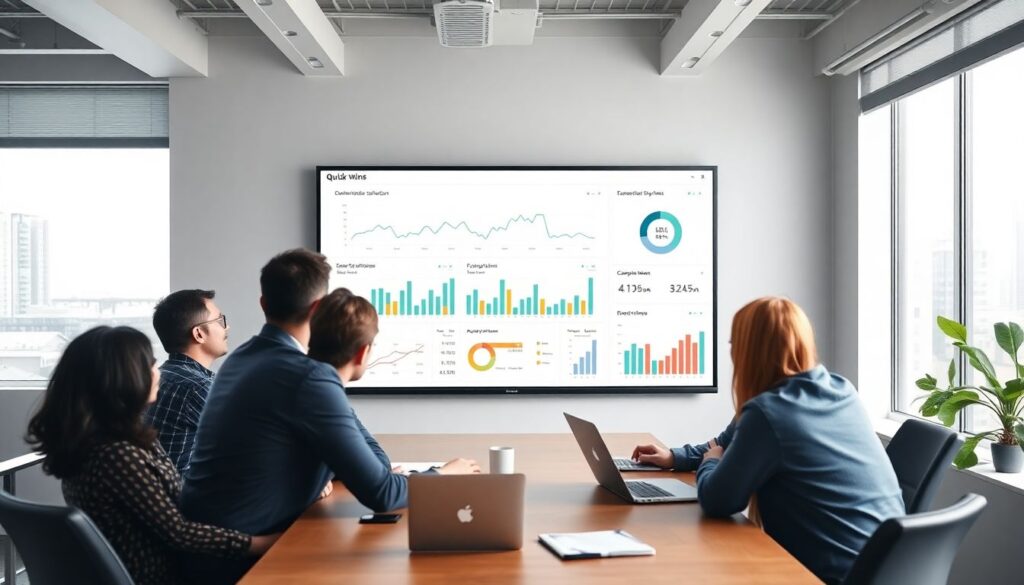
Start with questions they care about, provide simple, clear visuals, and show small wins quickly. Involve them in metric selection, avoid “black-box” tools, and be transparent about how data will and will not be used.
What is a safe first step towards injury prediction?
Focus on consistent data collection for load, exposure, and injuries over time. Use simple risk flags based on thresholds before moving to complex models. Validate every alert with medical and coaching staff and avoid over-relying on algorithms.
How can analytics improve our sponsorship deals?
Track which assets and content deliver measurable engagement and conversions for each sponsor. Use this evidence to design tailored packages and justify pricing. Providing clear, data-driven reports helps retain partners and attract new ones.
Do we need a dedicated data warehouse from day one?
No. Many clubs can start with well-structured spreadsheets or basic databases as long as IDs are consistent and backups exist. A dedicated data warehouse is useful when you integrate multiple systems and need automated, scalable reporting.
How do we choose between different sports data analytics companies?
Assess their track record in similar sports and markets, data protection practices, and ability to work with your staff. Run a small pilot project with clear goals and timelines before committing to a larger, long-term contract.