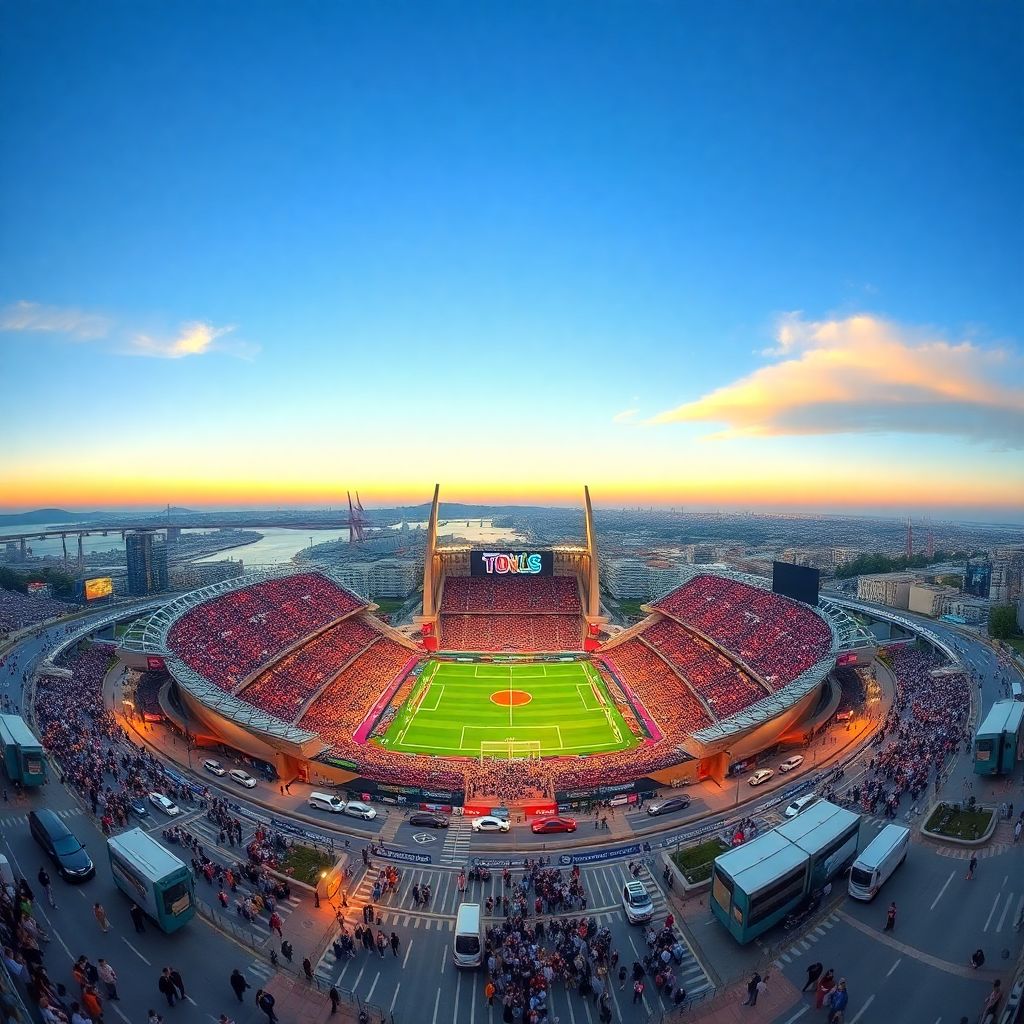
Istanbul became a global hub for major sports events by combining upgraded venues, transport and hospitality with proactive bidding, strong public-private partnerships and fan-focused tourism products. To leverage this model, event planners should align with city strategies, use existing stadium and urban infrastructure, and design risk-aware operations that work for both local communities and international visitors.
Strategic summary for event planners
- Use Istanbul as a blueprint: link venue upgrades, mobility and hospitality to a clear multi‑year event strategy instead of one‑off games.
- Structure funding around blended public-private models, securing long‑term venue use and community access from day one.
- Prioritise transport, crowd flow and accommodation planning as early as the venue selection stage.
- Design bids around regulatory compliance, transparent governance and measurable legacy outcomes, not just spectacle.
- Build demand through tourism products like Istanbul sports tourism packages and curated fan experiences beyond match day.
- Mitigate risk with conservative timelines, scalable infrastructure and contingency plans for security, weather and political shifts.
From Byzantium to Bidding: Istanbul’s sports evolution
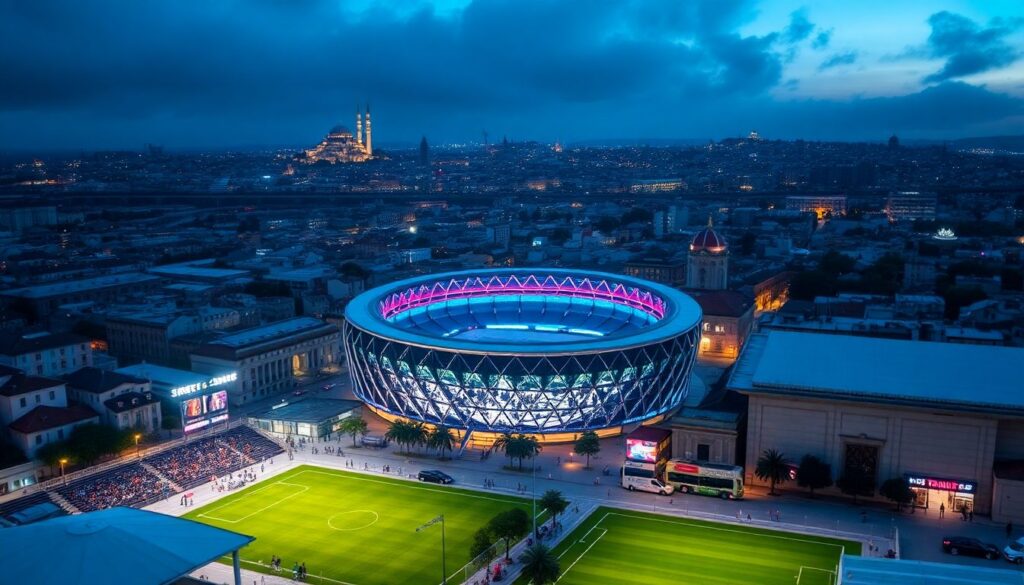
Using Istanbul as a model makes sense if you plan recurring or multi‑sport events that rely on existing urban infrastructure rather than greenfield builds. The city’s evolution shows how to layer modern arenas, fan zones and city branding onto a dense, historic metropolis without stopping daily life.
However, this approach is not ideal if your event requires fully controlled, isolated environments (for example, closed campuses) or if local governance is fragmented and unable to coordinate transport, policing and city services. In such cases, a smaller, more contained host city model may be safer.
The city’s journey from legacy stadiums to hosting major football matches in Istanbul 2024 and global tournaments underlines three lessons for planners:
- Upgrade existing venues gradually instead of betting on one mega‑project.
- Align sports investments with broader tourism and branding strategies.
- Build institutional know‑how via repeated mid‑scale events before bidding for global flagships.
Funding mechanisms and public-private investment strategies
To replicate Istanbul’s funding logic, you need access to three clusters of tools: public funding, private capital, and mixed instruments tied to long‑term venue and land value.
- Public budget and grants – National and municipal budgets, lotteries or tourism funds earmarked for infrastructure and security. These should cover non‑commercial assets such as basic transport links, public realm and crowd safety upgrades.
- Private investment and sponsorships – Club investments, naming rights, commercial leases around stadium districts and long‑term sponsorship packages. These are best used for revenue‑generating zones: VIP areas, retail, hospitality and technology layers.
- Public-private partnerships – Long‑term concession models where private partners build or upgrade venues and operate them under clear performance standards. To stay risk‑aware, ensure transparent tendering, capped public guarantees and independent oversight.
- Tourism and ticketing revenue – Bundled offers that combine sports events Istanbul tickets with hotels, local transport and cultural attractions. Direct part of this income into a ring‑fenced events and maintenance fund.
- Non‑cash support – In‑kind contributions such as simplified permitting, marketing support and use of public land. These reduce upfront cash needs while still unlocking solid private interest.
Venue ecosystem: stadiums, arenas and adaptable facilities
Before following Istanbul’s path, consider these key risks and constraints:
- Over‑reliance on one flagship stadium can create bottlenecks and single points of failure.
- Under‑used venues outside peak season can drain public budgets and erode support.
- Poor neighbourhood integration can trigger resistance from residents and businesses.
- Insufficient accessibility planning can exclude fans with disabilities or limited budgets.
- Unrealistic construction timelines can damage your event’s credibility and finances.
Use the following safe, stepwise process to build a resilient venue ecosystem inspired by Istanbul’s mix of football grounds, arenas, parks and waterfront spaces.
- Map and classify existing and potential venues – Start with a full inventory of stadiums, arenas, university facilities and public parks that can host events of different scales.
- Note seating capacity, accessibility, nearby transport and neighbourhood sensitivities.
- Include iconic venues that can host best stadium tours in Istanbul style experiences for visitors between events.
- Prioritise upgrades over new builds – Where possible, plan phased renovations instead of new stadiums.
- Target critical systems first: safety, pitch or court quality, lighting and evacuation routes.
- Design upgrades so venues can host both major football matches in Istanbul 2024 style fixtures and smaller community events.
- Layer flexible, multi‑use spaces – Add temporary or modular structures that can scale up or down.
- Use demountable stands, tents and fan zones to avoid permanent over‑capacity.
- Plan for quick turnarounds between a match, concert or mass participation race.
- Integrate venues into transport corridors – Connect each venue with robust, redundant transport options.
- Ensure at least two independent routes: rail or metro plus buses or ferries.
- Protect local streets with controlled access plans and clear wayfinding.
- Design for tourism and non‑event days – Build year‑round programming into your business model.
- Create guided tour products similar to the best stadium tours in Istanbul, including museums, pitch‑side access and merchandising.
- Integrate cafes, gyms or community services to stabilise off‑season revenue.
- Test operations with pilot events – Before any global event, run controlled pilots.
- Start with local league games, youth tournaments or cultural festivals.
- Capture data on crowd flow, concession times and emergency scenarios and adjust safely.
Operational backbone: transport, logistics and accommodation
Use this concise checklist to verify that your operational backbone is robust enough to support Istanbul‑style event clusters.
- Transport plans provide multiple modes (metro, bus, taxi, ferry) and redundancy if one line fails.
- Peak‑time crowd modelling includes separate flows for players, VIPs, media and general spectators.
- Park‑and‑ride and remote screening options reduce pressure on inner‑city streets.
- Clear integration with airports and intercity rail ensures smooth arrivals and departures.
- Accommodation mapping balances major chains and local hotels, with contingency for last‑minute demand.
- Contracts cover catering, waste management and cleaning with surge clauses for extended match days.
- Medical and emergency services have pre‑agreed routes, field hospitals and multilingual protocols.
- Digital tools or apps give visitors real‑time updates on transport, queues and safety notices.
- Operators are trained on inclusive service for families, disabled fans and international guests.
- Post‑event debriefs are scheduled with transport and hotel partners within days of each event.
Institutional frameworks: bids, regulation and legacy assurance
When modelling your governance and bid structures on Istanbul’s experience, avoid these common pitfalls.
- Submitting bids without a single accountable body to coordinate city, national and sports federations.
- Underestimating regulatory lead times for security, broadcasting, visas and airspace restrictions.
- Promising venue upgrades or new builds on unrealistically short timelines.
- Failing to hard‑wire legacy uses of facilities, leaving communities with costly empty stadiums.
- Ignoring neighbourhood engagement, which can lead to protests or legal challenges.
- Over‑centralising decisions and excluding local clubs and event operators who know daily realities.
- Neglecting environmental standards, such as transport emissions or waste, which can damage the event brand.
- Leaving data governance and privacy for ticketing, biometrics and apps as an afterthought.
- Not running independent financial stress tests on worst‑case scenarios.
Demand generation: marketing, partnerships and fan experience
If you cannot yet deliver the full Istanbul‑scale model, there are safer, phased alternatives that still build momentum.
- City‑break sports weekends – Partner with tourism boards and clubs to offer curated packages that combine sports events Istanbul tickets with museum access, food tours and public transport cards. This works well while your venue and transport network are still being upgraded.
- Signature mass‑participation races – Use a flagship run or ride, inspired by Istanbul marathon registration 2024 campaigns, to test road closures, volunteer programmes and sponsorship demand before moving towards multi‑sport festivals.
- Themed sports tourism trails – Develop itineraries across several cities that echo Istanbul sports tourism packages, linking training centres, historic stadiums and waterfront activities. This is suitable when you lack a single mega‑stadium but have multiple mid‑scale assets.
- Hybrid digital‑physical fan festivals – Set up central fan zones with screenings, e‑sports and cultural programming to complement live games. This option reduces pressure on stadium capacity while still building an international fan economy.
Practical questions from event organizers
How can I safely scale from local games to international tournaments?
Follow a phased approach: improve one venue, run mid‑scale events, then expand to multi‑venue formats. At each step, conduct independent safety reviews, stress‑test transport and update emergency plans before increasing capacity or international exposure.
What is the most risk‑aware way to finance new sports facilities?
Prioritise phased renovations funded by a mix of public support and private revenue streams like naming rights and hospitality. Avoid heavy upfront borrowing based solely on optimistic attendance forecasts, and always plan realistic non‑event uses before construction starts.
How early should I involve transport and security agencies?
Bring them in during initial feasibility, not after winning a bid. Early engagement lets you adjust event concepts to realistic capacities, negotiate temporary measures and build joint exercises that reduce operational surprises close to event day.
How do I make stadium tours and fan zones financially sustainable?
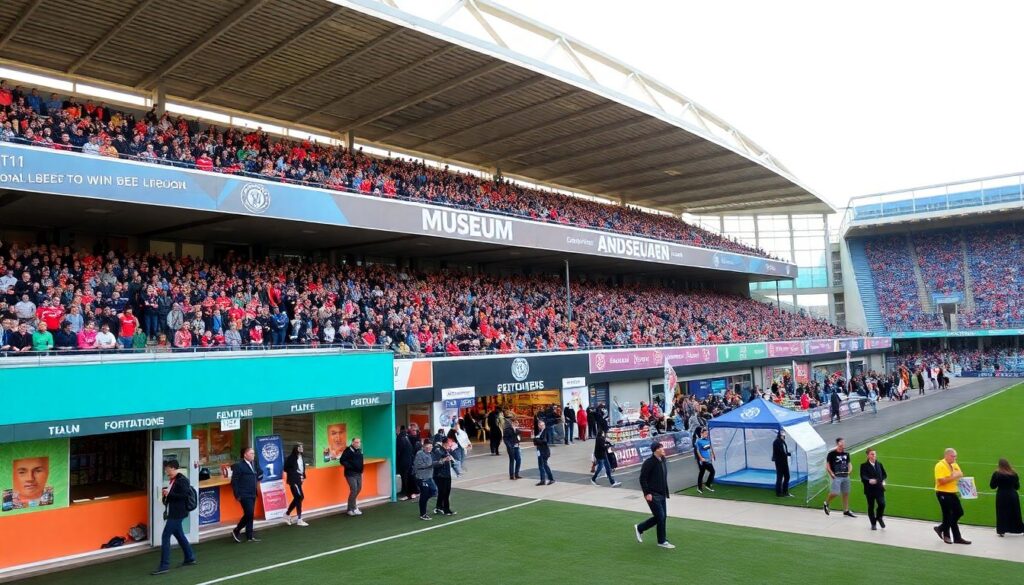
Bundle tours with club museums, merchandising and local attractions, and operate year‑round. Design fan zones with modular infrastructure so you can scale up for big matches and reduce footprint during quieter periods without locking in high fixed costs.
What is a safe way to approach legacy planning?
Define community uses, rental models and governance structures before committing to any major build. Require every large investment to pass a legacy checklist that covers local access, running costs, environmental impact and integration with schools or clubs.
How can I attract international visitors without overloading the city?
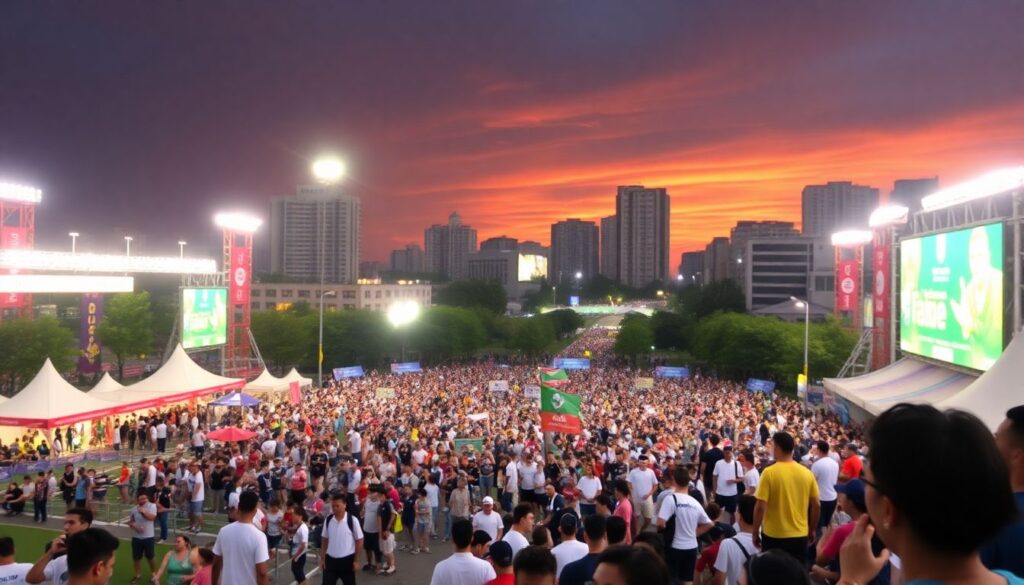
Use timed ticketing, dispersed fan zones and partnerships with multiple districts rather than concentrating all activities around one stadium. Promote longer stays with off‑peak activities so arrivals and departures are spread out and more manageable.
Where do marathon and mass‑participation events fit in a wider strategy?
They are effective, lower‑risk testbeds for road management, volunteer coordination and sponsor activation. Use campaigns similar to Istanbul marathon registration 2024 to build databases, refine communication channels and learn how residents respond to large‑scale street closures.