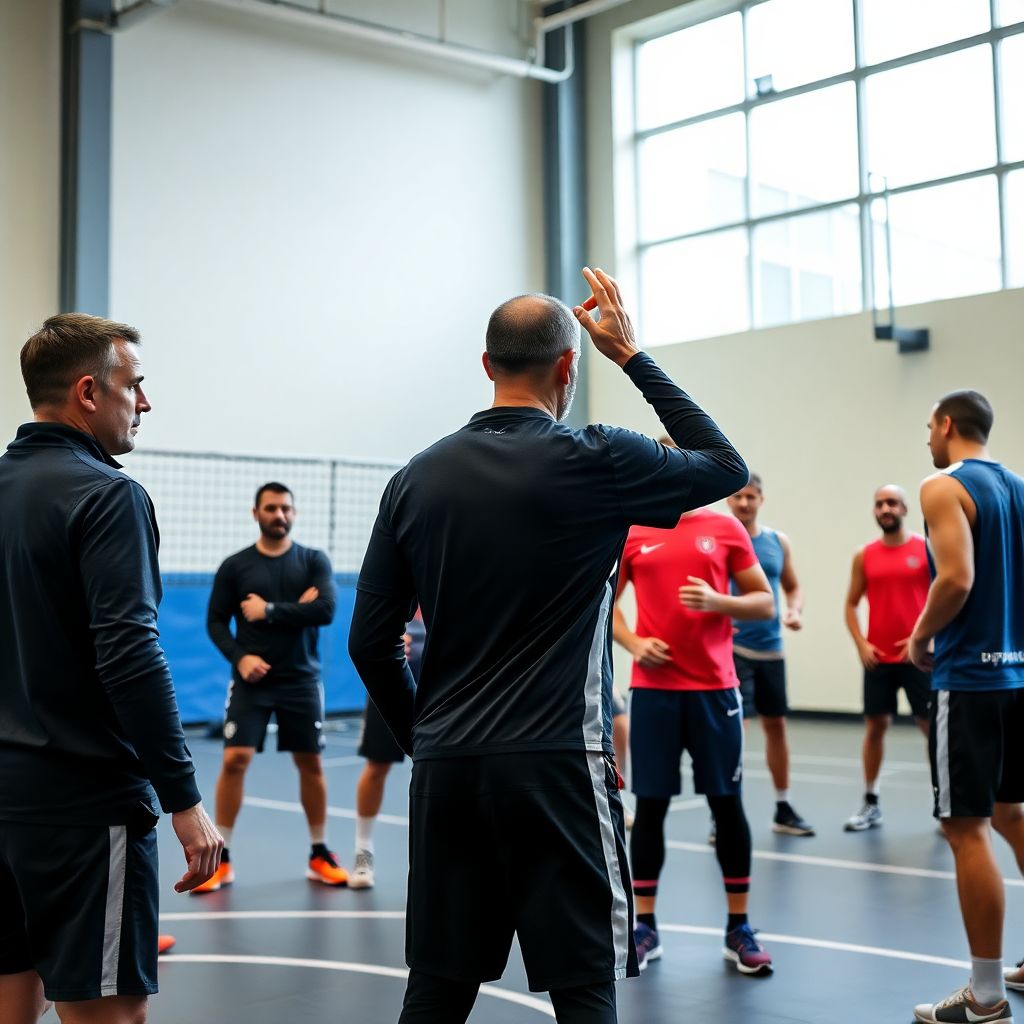
Injury prevention for volleyball and basketball hinges on structured screening, targeted warm-ups, strength and power training, and strict load control. Elite Turkish trainers emphasise simple, repeatable routines: joint mobility checks, volleyball injury prevention exercises and basketball ankle and knee injury prevention drills, plus recovery habits that fit local schedules, facilities and competition calendars.
Core Injury-Prevention Principles from Elite Turkish Coaches
- Start every sports injury prevention training program with basic movement screening and individual risk profiling.
- Use short, progressive warm-ups that prime the nervous system, not just raise body temperature.
- Prioritise hip, core and calf strength to protect knees and ankles on Turkish indoor courts.
- Drill safe landing, cutting and deceleration mechanics under fatigue, not only when players are fresh.
- Anchor the weekly plan around sleep, simple nutrition rules and low-cost recovery options.
- Use clear return-to-play criteria and gradual on-court load increases after every injury.
Pre-Season Screening and Individual Risk Profiling
Pre-season screening builds the foundation for a safe and effective sports injury prevention training program. It suits youth and adult court athletes who train at least twice per week and is especially relevant before dense league schedules or tournaments.
Baseline: Who Should and Should Not Be Screened
- Recommended:
- Volleyball and basketball players with more than one training per week.
- Athletes with previous ankle sprains, knee pain, or low back discomfort.
- Players moving up a competition level (e.g., from amateur to semi-professional).
- Defer screening and refer to a doctor:
- Players with recent trauma (suspected fracture, ligament tear, concussion).
- Significant swelling, locking, or giving-way in knee or ankle.
- Unexplained night pain, fever, or systemic symptoms.
Quick Screening Items for Court Athletes
- Single-leg balance (eyes open, 20-30 seconds) on each leg.
- Bodyweight squat: knees track over toes, no pain or major collapse.
- Single-leg calf raise: compare repetitions left vs right.
- Single-leg hop in place: soft, quiet landings without wobbling.
- Simple jump-and-land: athlete lands in a stable, knee-over-toe position.
From Baseline to Individual Risk Profile
- Volleyball focus:
- Look for knee valgus and trunk collapse on block and spike landing patterns.
- Note asymmetries in take-off and landing between dominant and non-dominant legs.
- Basketball focus:
- Check change-of-direction quality and ankle stability on lateral cuts.
- Track history of ankle sprains to structure basketball ankle and knee injury prevention drills.
Red Flags: When to Seek Online or In-Person Help
- Persistent pain during or after basic movements despite rest.
- Repeated giving-way of ankle or knee in simple drills.
- Big left-right strength or balance differences that do not improve over 2-3 weeks.
- Lack of access to local experts: consider online sports physiotherapy for athletes for structured guidance.
Warm-Up Protocols: Dynamic Activation and Neuromuscular Priming
Effective warm-ups blend mobility, activation and neuromuscular drills while staying short and repeatable. Below is a practical framework used by many an elite athletic performance and injury prevention coach in Turkey.
Baseline Requirements and Simple Equipment
- Flat indoor court space (baseline to free-throw line or service area).
- Optional: mini-bands, light resistance bands, and small cones.
- Timer or clock to keep warm-up within 10-15 minutes.
- Pre-planned exercise list for volleyball and basketball so athletes know the routine.
Core Warm-Up Structure for Court Sports
- Phase 1 – General pulse (2-4 minutes):
- Light jog, side shuffles, backward jog.
- Low skips and carioca to open hips.
- Phase 2 – Mobility and activation (4-6 minutes):
- Dynamic leg swings, lunges with rotation, ankle circles.
- Mini-band walks (lateral and diagonal), glute bridges, calf raises.
- Phase 3 – Neuromuscular priming (4-6 minutes):
- Low-to-medium intensity jumps and quick-feet ladder or cone drills.
- Short acceleration and deceleration runs with emphasis on posture.
Volleyball and Basketball-Specific Inserts
- Volleyball:
- Approach jumps with strict landing technique.
- Block jumps with two- and one-step approaches.
- Basketball:
- Defensive slides into controlled stops and turns.
- Short close-out runs, then balanced contest position.
Warm-Up Red Flags
- Players sweating heavily but still feeling stiff or uncoordinated.
- Rushed warm-ups shorter than 5 minutes before intense scrimmage.
- Static stretching only, without activation or speed of movement.
- Frequent ankle rolls or knee discomfort during simple warm-up drills.
Strength, Power and Load Management for Court Athletes
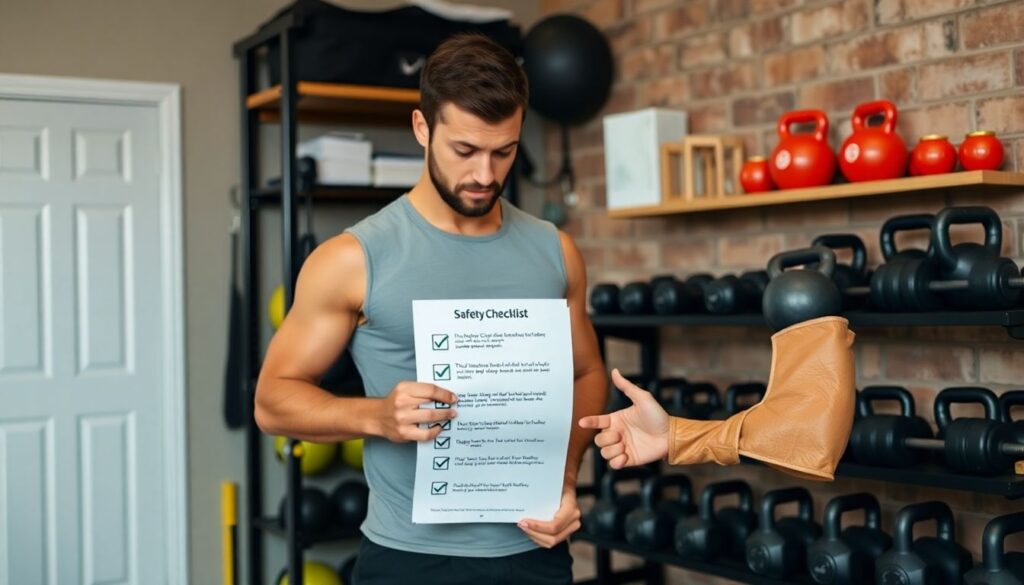
Before implementing the step-by-step strength protocol, complete this short preparation checklist to ensure safety and clarity.
- Confirm no acute injuries or unexplained joint swelling.
- Choose 2-3 non-consecutive strength days per week in-season.
- Ensure access to basic equipment: dumbbells or kettlebells, barbell if possible, boxes or sturdy steps.
- Define clear training loads (RPE or simple sets and reps) and track in a notebook or app.
- Plan harder strength days away from games or heavy scrimmage when possible.
- Build Fundamental Lower-Body Strength – Prioritise safe, stable patterns before heavy loads. Start with bodyweight, then add resistance as technique improves.
- Core exercises: squat variations, hip hinge (Romanian deadlift), split squat or lunge.
- Target: 2-3 sets of 8-12 controlled reps, 2-3 times per week in pre-season.
- Develop Hip and Core Stability for Knee Protection – Strong glutes and trunk reduce knee valgus and control landing forces.
- Exercises: side-lying leg raises, clamshells, glute bridges, plank and side plank.
- Progression: mini-band lateral walks and single-leg bridges as control improves.
- Reinforce Ankle and Calf Strength – Critical for both volleyball injury prevention exercises and basketball ankle and knee injury prevention routines.
- Exercises: double- then single-leg calf raises, seated calf raises, towel curls for foot muscles.
- Progression: calf raises off a step, then with added weight and tempo control.
- Add Safe Power and Plyometric Progressions – Introduce power only after athletes control landings and basic strength.
- Start: low pogo jumps, small squat jumps, lateral line hops.
- Progress: box jumps up (step down), approach jumps, multi-direction hops.
- Rule: quality stops the set; no noisy, uncontrolled landings.
- Integrate Basketball and Volleyball-Specific Patterns – Blend strength with sport positions and tasks.
- Volleyball: loaded step-ups mimicking approach, band-resisted arm swings with stable trunk.
- Basketball: split squats from a defensive stance, band-resisted lateral shuffles.
- Monitor and Adjust Training Load – Load management keeps gains without overuse.
- Track: sessions per week, sets per exercise, and subjective fatigue (simple 1-10 scale).
- Reduce volume by 30-50% in congested game weeks, keep a few key strength movements.
- Increase only one variable at a time: sets, reps, or intensity.
- Identify Overload and Recovery Red Flags – Early detection avoids bigger injuries.
- Persistent joint pain, morning stiffness lasting more than 30 minutes, or declining jump height.
- Sleep problems, irritability, or repeated minor strains across the squad.
- If present, cut loads for 7-10 days and consider consulting online sports physiotherapy for athletes.
Landing, Cutting and Deceleration Drills to Lower ACL and Ankle Risk
Use this checklist to evaluate whether landing and cutting drills are producing safer mechanics for volleyball and basketball players.
- Knees stay aligned over the middle of the foot on most landings, without collapsing inward.
- Landings are quiet and controlled, with visible hip and knee flexion absorbing impact.
- Players can stick a single-leg landing for at least 2 seconds without major wobbling.
- Basketball athletes decelerate from a sprint to a stop within a safe distance, without sliding or excessive trunk lean.
- Volleyball athletes show similar landing mechanics on both dominant and non-dominant legs after an approach jump.
- Cuts are planned and unplanned (reactive), yet knees remain stable and posture stays tall.
- Fatigued repetitions still show decent mechanics; quality does not collapse instantly under tiredness.
- No repeated reports of knee giving-way or sharp ankle pain during or after drill blocks.
- Coaches can clearly see and cue simple corrections: “knees out”, “soft land”, “hips back”.
- Video from the side and front shows progressive improvement in alignment over several weeks.
Recovery Strategies: Sleep, Nutrition and Practical Modalities
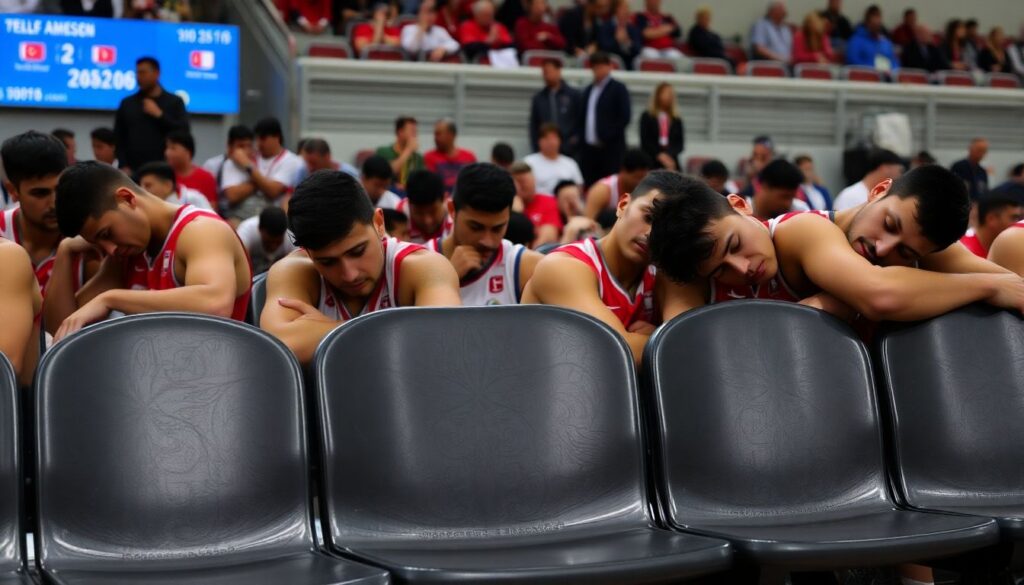
Recovery mistakes slowly erode the benefits of a well-designed sports injury prevention training program. The list below highlights frequent, realistic issues seen in Turkish volleyball and basketball environments.
- Too little sleep on game and travel days, with no planned catch-up strategy.
- Skipping post-training meals or relying mainly on fast food after late practices.
- Assuming expensive gadgets replace basic habits like hydration and regular bedtimes.
- Overusing ice or painkillers instead of adjusting training loads and addressing root causes.
- Ignoring calf, hip and trunk stiffness until it limits jumping or sprinting mechanics.
- Doing long, static stretches before explosive work instead of reserving them for separate recovery sessions.
- Making big changes in nutrition or supplementation just before tournaments.
- Not coordinating recovery plans between club, school and national-team commitments.
- Failing to educate athletes on simple, low-cost options like walking, light cycling and mobility flows on off-days.
Return-to-Play Pathways and On-Court Load Modifications
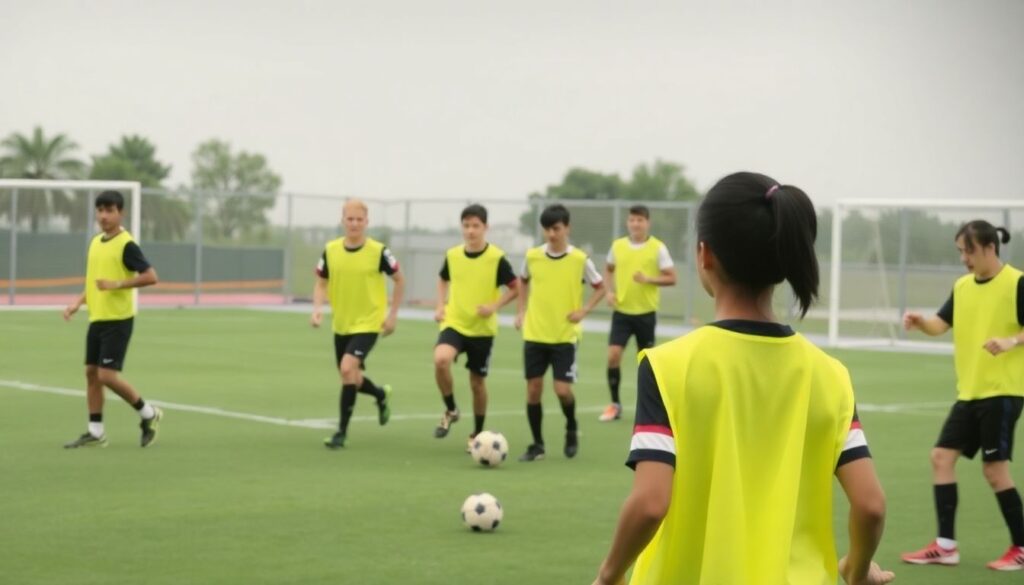
When full training is not yet possible, use these alternative pathways and load-modification strategies to keep progress safe.
- Modified practice groups:
- Separate players returning from injury into a “yellow” group with reduced jumping, cutting or contact.
- Emphasise skill work at lower intensity plus targeted volleyball injury prevention exercises or basketball control drills.
- Conditioning substitutions:
- Replace full-court scrimmage with bike, elliptical or pool sessions for athletes not yet ready for impact.
- Use interval formats that mimic game demands without joint loading.
- Position and role adjustments:
- In volleyball, temporarily shift an athlete to a role with less front-row jumping while strength and landing control recover.
- In basketball, limit minutes or avoid back-to-back games while gradually rebuilding tolerance.
- Hybrid online-offline guidance:
- Combine local coaching with periodic check-ins from an elite athletic performance and injury prevention coach via telehealth.
- Use online sports physiotherapy for athletes to refine criteria for progressing jumping, cutting and contact.
Coach Toolkit: Practical Troubleshooting and Common Concerns
How many days per week should we run an injury-prevention block?
For most teams, 2-3 short sessions per week integrated into warm-ups are realistic. In pre-season you can add a separate 15-20 minute block, then maintain with shorter, high-quality doses in-season.
Can I use the same program for volleyball and basketball players?
The core structure can be identical, but you should adjust the jumping, landing and cutting drills to mirror each sport. Keep the same principles while changing angles, distances and typical positions.
What if I do not have access to a gym or weight room?
Focus on bodyweight strength, calf work, landing mechanics and basic conditioning. Use backpacks, water bottles or resistance bands as external load, and progress through tempo, angles and single-leg variations.
How quickly should I progress plyometric intensity?
Wait until athletes demonstrate quiet, controlled landings in low-level jumps for at least two weeks. Then increase only one factor at a time: height, distance, or number of contacts, while monitoring soreness and technique.
When should I involve a physiotherapist or sports doctor?
Seek professional input if pain limits normal practice, if joints swell after sessions, or if performance suddenly drops without obvious cause. Remote options such as online sports physiotherapy for athletes can complement local medical care.
Do youth players need different injury-prevention work?
The principles are similar, but volume and intensity must be lower and technique-focused. Emphasise fun, coordination and simple strength patterns while avoiding heavy loads or extreme fatigue.
How can I keep athletes consistent with these routines?
Integrate key elements into every warm-up, track a few simple metrics, and keep sessions short. Explain how prevention helps them play more, not less, and celebrate streaks of pain-free weeks and full attendance.