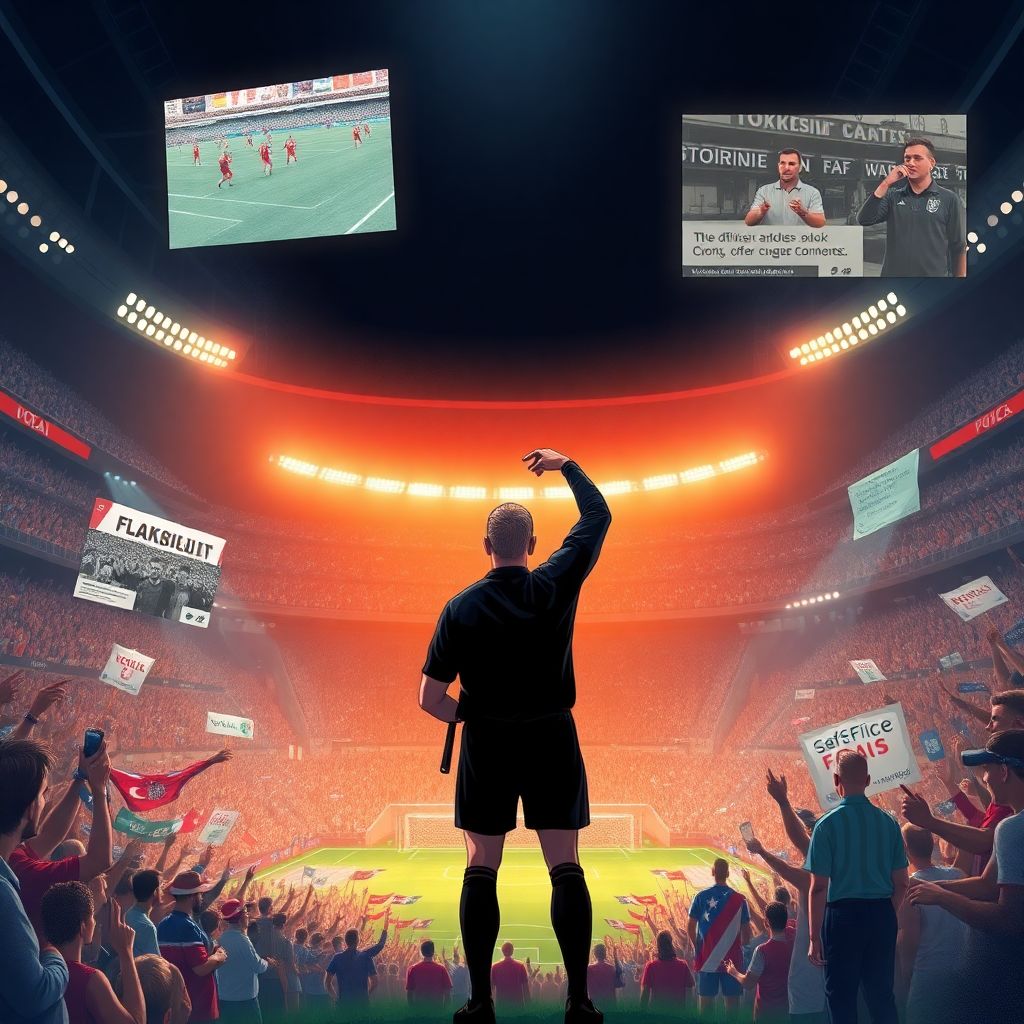
Behind the Whistle: Why Turkish Referees Live Under a Microscope
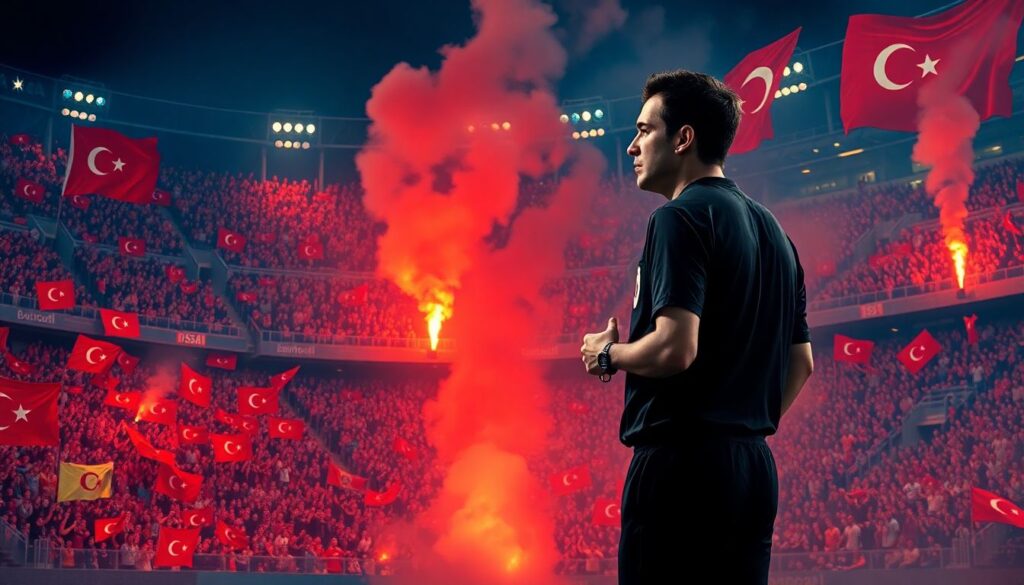
When people talk about Turkish football, they usually jump straight to the big clubs, crazy atmospheres and European nights. But if you zoom in a bit, you’ll see another story quietly shaping every season: the reality of being a referee in this ecosystem. The last few years, and especially after Turkish Super Lig referee controversies 2024 hit global headlines, have turned the whistle into a lightning rod. Social media clips, slowed down replays, and endless studio debates mean every call is dissected in real time. Referees aren’t just judging the game anymore; they’re also managing narratives, reputations and, frankly, their own mental health in a league where football is a social identity, not just weekend entertainment.
At the same time, this intense focus is pushing Turkish refereeing into a new era. What used to be a mostly local conversation has become part of a global debate about technology, integrity and transparency in football. Fans are more informed, players are more demanding and clubs are extremely vocal, which together creates a permanent pressure cooker. The upside? It’s forcing institutions to modernise training, introduce clearer communication about decisions and, slowly but surely, bring in more data and sports science. The downside is obvious: one mistake, or even just one debatable call, can follow a referee for years, shaping careers in a way that was unthinkable a decade ago.
The Weight of the Whistle: Pressure in 2026
If you want to understand the pressure on football referees in Turkey analysis has to start with context. Stadiums are emotional spaces, and in Turkey that intensity is multiplied. Referees still arrive under police escort to some fixtures. A marginal offside or a soft penalty is no longer just a decision; it’s a club statement, a trending hashtag, sometimes even a political talking point. Younger officials scroll through their phones after games and see their names in memes, conspiracy threads and fan-made “investigations”. That digital echo chamber extends the match far beyond ninety minutes, turning what should be performance feedback into a kind of public trial.
The paradox is that many referees are better prepared than ever. Fitness levels are closely monitored, decision-making is reviewed frame by frame, and mentoring programs pair emerging officials with experienced ones. Yet the emotional load is heavier because there is nowhere to hide. Even when a referee is technically right, fans often judge by outcome, not process: if their team lost, the ref is wrong. That gap between objective assessment and emotional perception is where burnout quietly grows. Without strong institutional backing and psychological support, the profession becomes a survival exercise rather than a craft.
Technology, VAR and the New Kind of Controversy
When VAR arrived, many people assumed it would “solve” arguments. In Turkey it did the opposite: it changed the type of argument. Now, VAR decisions Turkish league scandals segments dominate talk shows, where pundits zoom in on freeze-frames and question not just the laws of the game but the motives of the officials in the booth. Instead of “the referee didn’t see it”, the question has become “how could they see all those angles and still give that?”. The expectation of near-perfection has made good decisions feel normal and rare mistakes feel unforgivable.
The modern referee is no longer just a person on the pitch but part of a small decision-making team intertwined with technology. That should, in theory, distribute responsibility. In practice, the referee’s name still appears in the headline, and the human face of VAR backlash is often the on-field official. Learning to work with technology, explain it to players on the pitch and stay calm when the stadium screen delays the restart is now a core skill. The game is the same, but the rhythm and psychology of decision-making have changed radically.
Dark Clouds: Allegations, Trust and Reputation
Let’s talk about the elephant in the room: match fixing allegations Turkish referees face almost every season in one form or another. Most of these accusations never move beyond fan anger or media speculation, but they leave a scar. Once a referee’s name is tied to a high-profile controversy, future performances are often interpreted through that lens. A perfectly normal decision in a later match is seen as “proof” of a pattern. Trust, once damaged, is hard to restore in a culture where football carries huge economic and emotional stakes.
This creates a vicious circle. The more trust erodes, the more every decision is loaded with suspicion, and the harder it is for referees to work freely. It also complicates their development: instead of focusing on reading the game or improving positioning, some find themselves thinking defensively—“how will this look in the media?” rather than “what is the correct call?”. Breaking this loop requires more than disciplinary committees; it demands open communication from the federation, consistent explanations of decisions and, crucially, a willingness to admit honest mistakes without destroying careers.
Inspiring Examples: Human Stories Behind the Badge
Despite all this, there are quietly inspiring examples of referees in Turkish leagues who have learned to thrive under scrutiny. A few senior officials, especially those who have handled heated derbies and then gone on to FIFA lists, have become informal role models. They share how they built rituals to manage stress: pre-match mental rehearsals, clear communication plans with assistant referees, and even simple habits like debriefing with a mentor within 24 hours after a big game. Their message to younger colleagues is consistent: you will make mistakes, but your identity can’t be reduced to a single decision or a viral clip.
One striking trend since 2023 has been the emergence of referees willing to speak more openly, within the limits of regulations, about their experiences. In workshops and private forums, they talk about fear, self-doubt and the moment they considered quitting. Hearing that even top-level officials have felt like walking away can be oddly empowering for newcomers. It normalises struggle. And in a landscape dominated by loud criticism, these honest stories act as quiet counterweights, proving that resilience is not an abstract virtue but a set of daily, sometimes painful choices.
How Referees Can Grow in This Environment
Development today goes far beyond knowing the Laws of the Game. Modern referees in Turkey who want to progress have to treat themselves almost like high-performance athletes and crisis communicators combined. That means regular video self-analysis, not just of big decisions but of soft skills: body language with angry players, tone of voice with captains, and how quickly they reset after a mistake. Tracking these elements over a season gives a clearer picture than relying on memory or emotions after a match.
Equally important is building a support network. Quiet conversations with fellow referees who understand the environment can prevent isolation. Engaging with experienced assessors as partners, not judges, turns feedback into a shared problem-solving process. Some of the most promising younger officials are those who seek input proactively, ask “what would you do in this scenario?” and then test new approaches on lower-pressure games before applying them in the Super Lig. In 2026, the path upward belongs to those who treat development as a long-term project, not a set of quick fixes.
Successful Projects Changing the Culture
Behind the scenes, there have been a few success stories that rarely reach mainstream headlines but are reshaping the landscape. Pilot programs combining fitness, decision-training and psychological preparation for elite referees have started to show results in the consistency of performances in high-stakes matches. When these projects integrate data from GPS tracking, sprint counts and heart-rate responses during critical decisions, they help tailor training to each referee’s stress patterns rather than applying generic drills. That’s a quiet revolution.
Another promising area is structured mentoring. Pairing rising referees with experienced ones over multiple seasons—rather than just for one-off seminars—creates continuity. The most effective pairings are those where mentors share real-case dilemmas, including games where they performed poorly and had to rebuild credibility. This honesty breaks the myth of the “perfect referee” and replaces it with a more realistic, sustainable model of growth. These projects don’t eliminate controversy, but they raise the overall professional standard, which is the most credible response to chronic criticism.
Mindset and Mental Health: The New Priority

Perhaps the clearest modern trend is the recognition that technical knowledge alone is not enough; mental resilience is now non-negotiable. Here, sports psychology services for football referees Turkey has been slowly expanding, though still not at the scale you’d expect given the pressure. Where these services are embedded, you see referees learning concrete tools: breathing techniques before big calls, routines to “park” criticism after reading match reports, and mental frameworks to separate performance feedback from personal worth.
Normalising psychological support is crucial. It shifts the narrative from “if you see a psychologist, you’re weak” to “if you don’t, you’re unprepared”. The referees who embrace this mindset talk differently about pressure: they don’t pretend it doesn’t exist; they acknowledge it and then discuss strategies. Over time, that attitude can influence how whole referee groups think, making it easier for newcomers to ask for help early rather than waiting until they’re on the edge of burnout or walking away from the game entirely.
Learning Resources for the Next Generation
For young referees looking ahead to 2030 rather than just the next weekend, the smartest move is to build a broad learning ecosystem. That starts with official federation courses, but it shouldn’t end there. Many top officials deepen their understanding of the game by watching matches with a notebook, pausing to predict decisions before the referee makes them and then comparing. This simple habit trains anticipation and pattern recognition, which are crucial under pressure.
Beyond that, modern referees benefit from studying communication, conflict resolution and even basic media literacy. Knowing how narratives form online, how clips are edited and how bias works in audiences doesn’t change the rules, but it prepares referees for the environment their decisions will live in. Add in periodic workshops on new VAR protocols, fitness updates and peer-led case discussions, and you get something close to a living, evolving curriculum. In a landscape where controversy will never fully disappear, continuous learning is the most realistic insurance policy.
Looking Ahead: Turning Controversy into Progress
Refereeing in Turkey will probably never be quiet, and that’s not entirely a bad thing. The same passion that fuels heated debates also keeps the game alive. The challenge for the coming years is to channel that intensity into constructive pressure: better training, more transparency about decisions and stronger support structures when mistakes inevitably happen. Turkish football doesn’t need flawless referees—it needs human ones who are prepared, protected and allowed to grow.
If there’s a hopeful message behind all the noise, it’s this: every era of controversy has pushed the system to adapt. The current one, amplified by technology and social media, is forcing a deeper conversation about how we treat the people behind the whistle. If institutions, clubs, media and fans choose to engage with that honestly, then the scandals of the mid-2020s may look, in hindsight, less like a crisis and more like the difficult but necessary transition into a more modern, resilient refereeing culture.