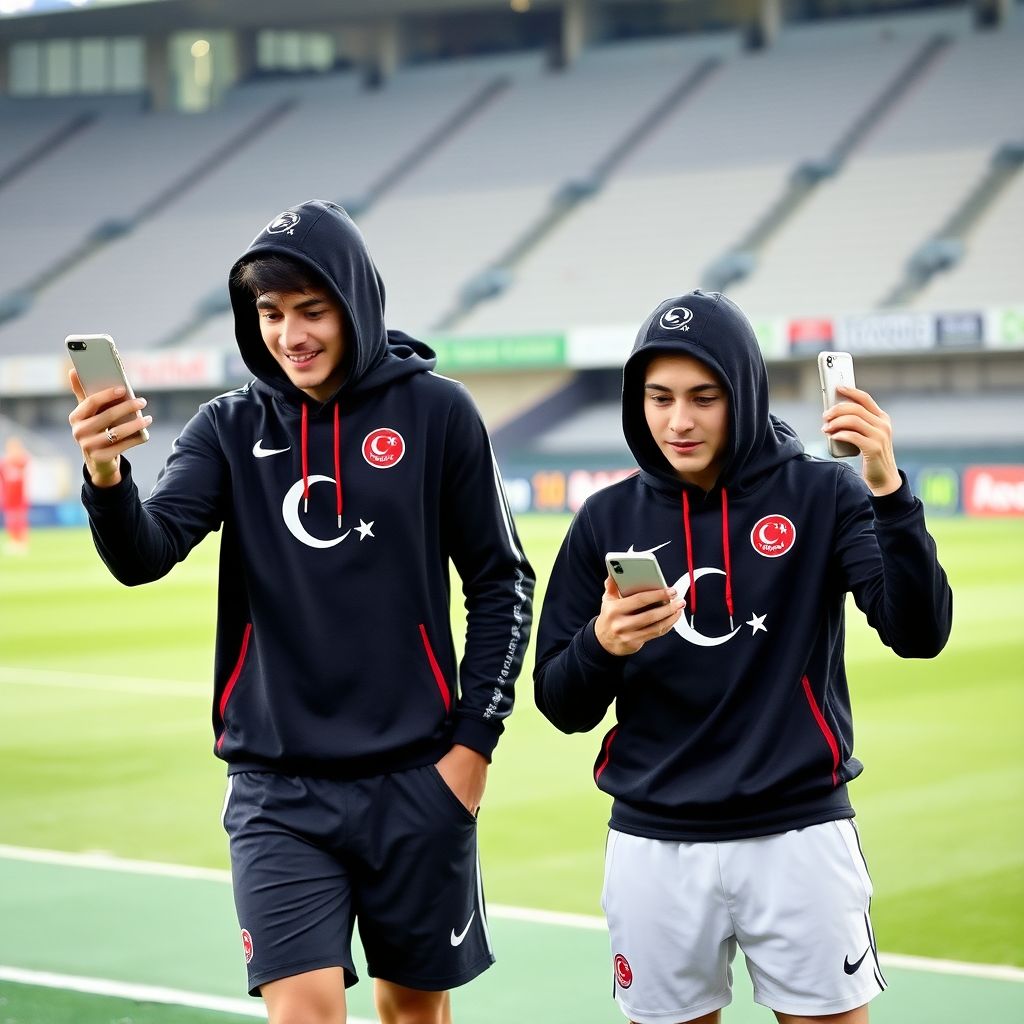
Turkish athletes can build strong personal brands online by understanding local fan culture, choosing the right platforms, and posting consistent, authentic content in Turkish and English. Prioritise safety, contracts, and federation rules, then layer on storytelling, collaborations, and sponsorships. Start small, track what works, and protect your long‑term sports career first.
Core Strategies at a Glance
- Define a clear identity: who you are beyond the pitch or court, and what you stand for in Turkish sports culture.
- Design a simple, repeatable social media strategy for professional athletes that fits your weekly training and match schedule.
- Focus on Instagram and TikTok first; expand to YouTube once your content rhythm and message are stable.
- Use safe, brand‑friendly content pillars: performance, behind‑the‑scenes, values, community, and partnerships.
- Document every sponsorship and gifted product; align with sports influencer marketing in Turkey rules and your federation.
- Prepare a crisis plan before problems appear: monitoring, response templates, and trusted legal/PR contacts.
Understanding the Turkish Fanbase: Demographics and Motivations
Building a powerful online identity starts with understanding who follows Turkish athletes on social media and why they care. In Turkey, fans often support both the club and the individual athlete, and emotional connection, loyalty, and authenticity matter as much as performance.
This approach is ideal if you:
- Are a professional or semi‑professional athlete in Turkey aiming to turn visibility into long‑term opportunities.
- Already post occasionally and want a structured framework for how to build an athlete personal brand online.
- Are ready to be consistent for months, not just during big tournaments or derbies.
- Are comfortable mixing Turkish and English content to reach both local and international audiences.
It may not be the right moment to push personal branding if you:
- Are under strict club, academy, or federation media rules that heavily limit social media activity.
- Are dealing with ongoing legal, disciplinary, or medical issues where public visibility may increase risk.
- Struggle with online harassment and currently do not have emotional support or moderation help.
- Are close to a major transfer or contract negotiation and your agent advises low public exposure for a period.
When in doubt, align your branding activity with your club’s media department and your agent. A stable career path is more valuable than short‑term followers.
Crafting an Authentic Personal Narrative for Turkish Audiences
Before optimising posts and hashtags, build a narrative that is honest, simple, and sustainable. Turkish fans react quickly to anything that looks fake, overly commercial, or disconnected from real performance.
You will need:
- Clear positioning
- Describe yourself in one sentence: sport, club, role, and one personal trait (for example, disciplined, creative, humorous).
- List 3-5 values you want associated with your name (teamwork, humility, hard work, community, etc.).
- Story foundations
- Origins: where you grew up in Turkey and how local culture shaped you.
- Struggles: injuries, financial challenges, or balancing school and sport-shared carefully and respectfully.
- Highlights: key matches, call‑ups, tournaments, or milestones.
- Content pillars (recurring themes for your posts)
- Training & preparation: drills, gym, recovery, nutrition (without revealing sensitive tactical details).
- Match days: pre‑game routines, controlled locker‑room moments, respectful celebrations.
- Life off the field: family, hobbies, education, community work.
- Mentorship: tips for young athletes in Turkey who follow you as a role model.
- Visual identity basics
- Consistent colours that align with either your club or your personal taste (but avoid rival club colours in sensitive contexts).
- Simple templates for quotes, announcements, and sponsor shout‑outs using mobile‑friendly design apps.
- One profile photo per platform, updated only when your look changes significantly.
Mini case example: A young basketball player in Istanbul defines three pillars-game preparation, street‑basketball culture, and university life. She posts short clips of shooting drills, local court scenes, and study sessions. Over time, university fans, youth players, and local brands recognise her as a grounded, hard‑working student‑athlete.
Platform Playbook: Choosing Between Instagram, TikTok and YouTube
Before following the step‑by‑step playbook, consider these key risks and limitations:
- Club or federation policies may restrict filming in locker rooms, training facilities, or with teammates.
- Sponsorship posts can create conflicts with club sponsors if not approved in advance.
- Over‑sharing locations can increase safety risks for you and your family.
- Unfiltered live streams may capture offensive comments or behaviour that damages your reputation.
Use the following safe sequence to choose and structure your presence on each platform.
- Clarify your main objective
Decide what matters most in the next season.- If you want to attract clubs and agents, focus on performance highlights and professionalism.
- If you want to increase fan engagement, use interactive stories, Q&A, and community posts.
- If you want sponsorships, show brand‑safe lifestyles and stable posting habits.
- Prioritise Instagram for controlled visibility
Personal branding for athletes on Instagram is usually the safest starting point in Turkey.- Use Feed for key photos, announcements, and polished videos.
- Use Stories for daily updates, polls, and links.
- Use Reels for short, dynamic clips: skills, celebrations, fan moments.
- Keep a professional bio in Turkish and English with club, position, and contact email (often your agent’s).
- Use TikTok for reach, but set strict boundaries
TikTok can boost discovery for turkish athletes on social media, especially younger audiences.- Focus on skills, training, and fun but respectful trends.
- Avoid controversial sounds, political jokes, and pranks that might be misinterpreted.
- Disable or closely moderate comments if harassment becomes an issue.
- Develop YouTube only when you can be consistent
YouTube works best once your routine is stable.- Post longer training breakdowns, vlogs from camps, and educational content for young athletes.
- Plan content series (for example, “Season Journey” episodes) instead of random uploads.
- Use copyright‑safe music and get permission before filming teammates or staff.
- Align platforms into one personal brand system
Make platforms support each other rather than compete.- Post a polished highlight on Instagram, a fun behind‑the‑scenes cut on TikTok, and a full breakdown on YouTube.
- Use the same core message, colours, and tone everywhere.
- Review monthly: which platform brings genuine interactions, not just views?
- Set safe posting and privacy rules
Protect yourself, your club, and your family.- Do not post your real‑time home location or school details.
- Blur plates and avoid showing minors without parental permission.
- Pause before posting after emotional matches or conflicts; review with a trusted person if unsure.
Content Formats that Convert: Stories, Live Streams, and Short Clips
Use this checklist to evaluate whether your content formats are working and safe.
- Each weekly content plan includes at least one training or performance‑related post across your main platform.
- Stories are used for light, temporary moments; anything sensitive or controversial is kept out of Stories and Lives.
- Live streams are scheduled, not spontaneous, with a clear theme (Q&A, recovery session, game review) and time limit.
- Short clips highlight one clear action or emotion (a skill, a celebration, a fan interaction) instead of mixing many ideas.
- Captions are written in simple Turkish with optional English summaries for international followers.
- Music, chants, and TV footage in your clips respect copyright and broadcasting rules.
- Collaborations (with teammates, other sports, or creators) are pre‑agreed and do not reveal tactical or locker‑room secrets.
- Every sponsorship mention is clearly labelled and fits naturally into your usual content style.
- Comment sections are monitored; abusive comments are removed or reported, and you avoid arguing publicly.
- Your content from away games avoids sensitive political or cultural references in host cities or countries.
Monetization and Sponsorship: Negotiation Tactics and Compliance
When sports influencer marketing in Turkey becomes part of your income, common mistakes can damage both your reputation and club relationships. Avoid these pitfalls.
- Accepting sponsorships without written agreements that define deliverables, timelines, payment, and content approvals.
- Promoting brands that conflict with your club’s official sponsors, federation regulations, or betting/age‑restricted categories.
- Underpricing or overpricing your posts because you do not consult your agent or benchmark similar athletes’ deals.
- Allowing brands to control your tone completely, resulting in posts that feel fake to your Turkish followers.
- Posting undisclosed ads, gifted products, or affiliate links that may violate advertising rules or platform policies.
- Signing long‑term exclusive deals that limit future opportunities with bigger national or international brands.
- Ignoring tax obligations for income from online activities, creating legal and financial risk later in your career.
- Sharing screenshots of negotiations or payments, which may break confidentiality and scare away serious partners.
- Letting friends or informal managers handle deals without basic contract knowledge or legal review.
Mini case example: A footballer in the Turkish second division starts promoting local restaurants in exchange for free meals. After consulting his agent, he moves to written agreements, clarifies posting schedules, and ensures there are no conflicts with club sponsors. His content stays natural-match‑day meals, recovery food-so fans accept the ads.
Reputation Risk Management: Crisis Response and Cultural Sensitivity
Even with careful planning, mistakes, misunderstandings, or targeted attacks can happen. Besides reacting online, consider these alternative approaches and when they make sense.
- Low‑profile mode with offline focus
Temporarily reduce posting to basic updates only and invest energy into training and performance. This is useful after a controversial match, fan conflict, or emotional outburst, giving time for the situation to calm before you share more personal content. - Club‑led communication strategy
Let your club or federation’s media and legal team lead public responses. Appropriate when incidents involve match‑fixing rumours, disciplinary actions, or issues covered by official investigations, where a personal statement might make things worse. - Third‑party professional support
Engage a PR consultant or media‑savvy agent to shape messages and prepare interviews. This fits high‑profile athletes, national team members, or anyone facing intense media attention after viral incidents or sensitive cultural topics. - Community‑building over self‑defence
Instead of arguing with critics, organise positive initiatives-charity events, youth clinics, or joint posts with respected veterans. This route works well in Turkey, where genuine community contribution often repairs image more effectively than long explanations.
Quick Answers to Practical Concerns
How often should a professional athlete in Turkey post on social media?
Start with a realistic rhythm you can maintain around training and travel, for example a few posts per week plus light Stories. Consistency matters more than high volume; it is better to show up regularly than to disappear for months after intense posting bursts.
Which platform should I prioritise if I have limited time?
If you must choose one, Instagram usually offers the best balance of control, reach, and brand safety for Turkish athletes. You can then repurpose key clips to TikTok and later expand into YouTube when you have more editing capacity.
How can I protect myself from online abuse and trolls?
Use comment filters and block functions, avoid reading abusive messages on match days, and ask a trusted person to help moderate. Do not respond emotionally; if threats appear, document them and inform your club, federation, or legal support.
Is it necessary to hire a manager or agent for my online branding?

Not always. At early stages, you can manage basic posting yourself. Once brands approach you or you gain national‑level visibility, involving a knowledgeable agent or lawyer for contracts and sponsorships is highly recommended.
What content is risky to post from the locker room or team bus?
Avoid showing tactical boards, heated arguments, injured teammates, or private jokes that could be seen as disrespectful. When in doubt, ask your coach or media officer before posting anything from inside team‑only spaces.
Can I mix humour and memes with serious performance content?

Yes, as long as the humour is respectful, not political or discriminatory, and does not target specific rivals or groups. Keep your core image as a serious professional, with jokes and memes as a lighter side of your personality.
How do I start monetising without harming my image?
Begin with a small number of brands that fit your real lifestyle-equipment, nutrition, local services-and integrate them naturally into your usual content. Always disclose partnerships and avoid products that contradict your values or your club’s regulations.