Why Turkish Sports Can’t Ignore Tech and Data Anymore
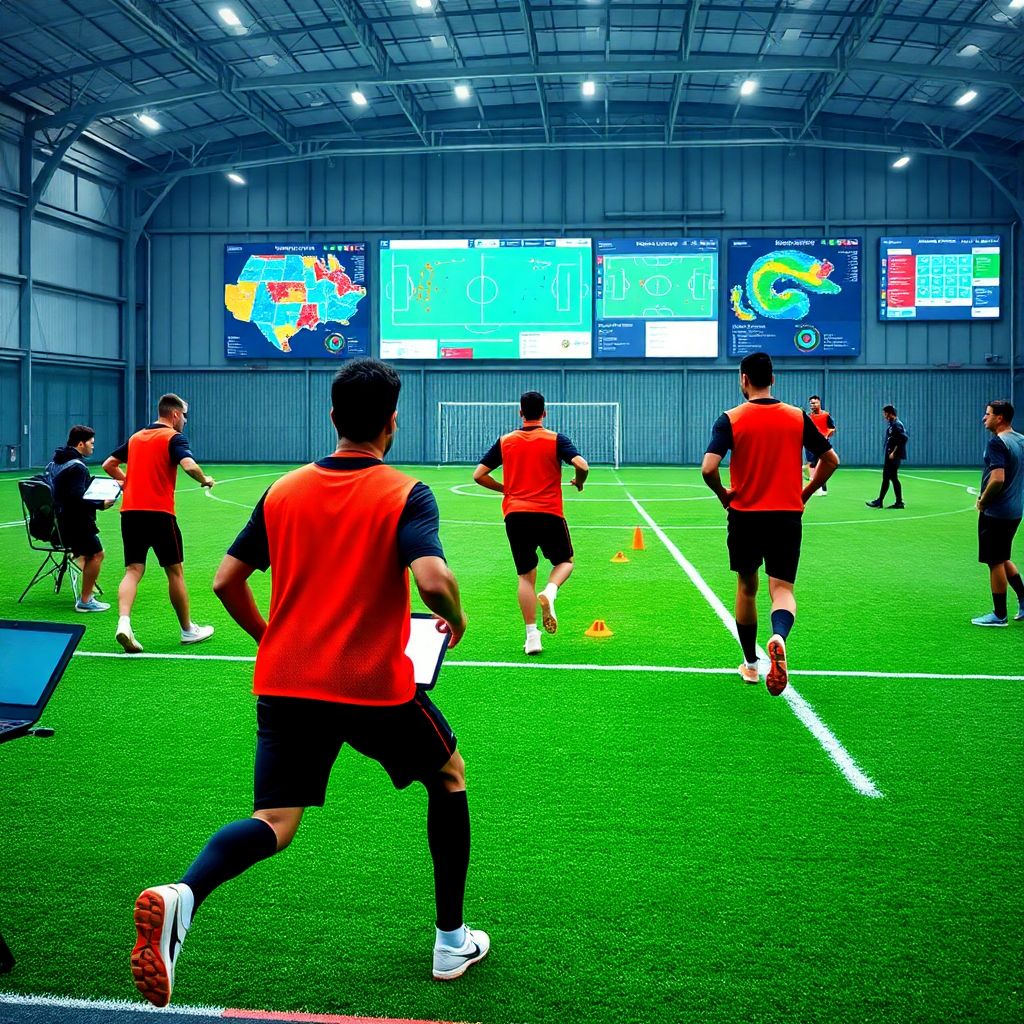
Walk into any modern training center in Istanbul, Ankara, or Trabzon today and you’ll notice something beyond cones and balls: tablets, GPS vests, camera rigs, and analysts staring at dashboards. Turkish sports are in the middle of a quiet revolution, and it’s driven by technology and data analytics.
This isn’t just a trend copied from the Premier League or the NBA. It’s becoming a survival strategy for clubs that want to stay competitive, attract talent, and make smarter financial decisions in a tough market.
The New Backbone: From Gut Feeling to Data-Backed Decisions
For decades, Turkish coaches and scouts relied heavily on intuition and experience. That’s not disappearing, but the balance is shifting. Now, decisions about tactics, recruitment, and player development are increasingly supported by numbers, visualizations, and predictive models.
In practical terms, this means:
– GPS trackers to measure player load in training
– Video analysis to dissect positioning and decision-making
– Injury-risk models based on fatigue, biomechanics, and historical data
– Scouting platforms that flag undervalued players in lower leagues
Many clubs now work with sports data analytics companies in Turkey that specialize in cleaning, modeling, and visualizing performance data. Instead of a single analyst drowning in Excel, clubs can tap into ready-made tools and experienced data teams.
Different Approaches Turkish Clubs Are Taking
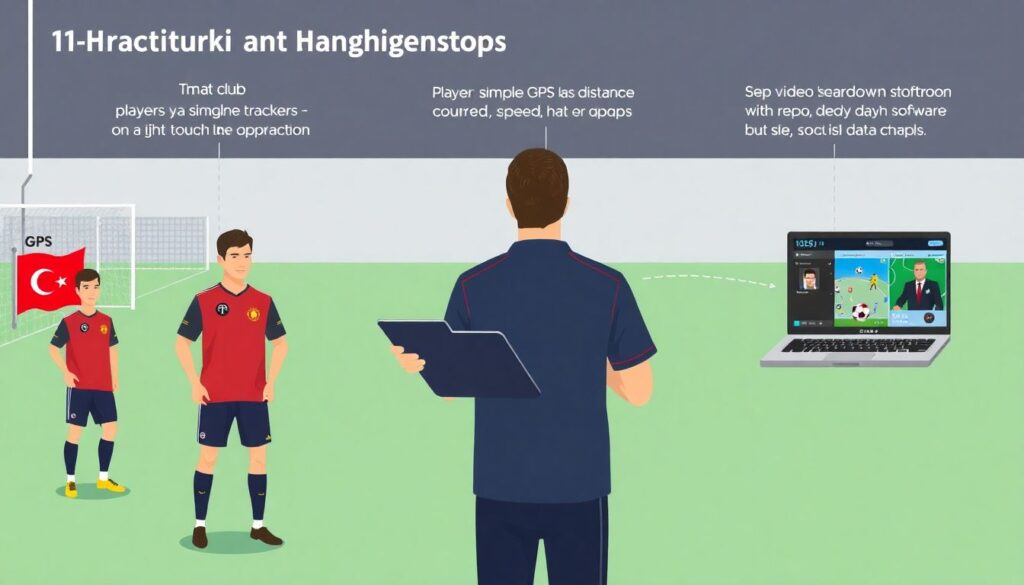
There isn’t just one “right” way to bring tech into Turkish sports. In reality, we see three main approaches—and many clubs combine them.
1. “Light touch” tools only
Smaller clubs often start with basic GPS trackers and simple video breakdown software. They collect a few key metrics: distance covered, high-intensity sprints, heart rate. It’s inexpensive and low-pressure, but also limited.
2. In-house analytics departments
Bigger football and basketball clubs build internal teams of analysts and data engineers. They buy or build custom platforms, integrate match data, training data, medical records, and even fan engagement stats. Control is high, but so are costs and the need for long-term planning.
3. Hybrid model with external partners
Many organizations outsource the heavy lifting to specialized providers offering Turkish sports clubs data analysis services. Club staff focus on applying insights; the partner handles infrastructure, models, and upgrades. This is becoming the most popular model because it scales more easily and reduces tech risk.
How These Approaches Compare in Real Life
Here’s the core trade-off: control vs. complexity.
– A simple, tool-only setup is easy to start, but you quickly hit a ceiling.
– Full in-house builds maximize customization, but require stable budgets, strategic patience, and good hiring.
– Hybrid setups offer speed and flexibility, but demand clear contracts and alignment so you aren’t locked into a tool that doesn’t fit your culture.
Expert tip that comes up again and again from performance directors:
> “Start with the questions you want to answer, not with the technology you want to buy.”
If you don’t know what decisions you want to improve (injury prevention, scouting, tactics, fan engagement), you’ll end up with impressive dashboards that nobody uses.
Pros and Cons of Sports Technology in the Turkish Context
Let’s be honest: technology isn’t a magic wand. It brings real advantages, but also new headaches.
Key Benefits Clubs Are Actually Seeing
1. Better performance and tactical clarity
Coaches can back up their game plans with real evidence: where pressing works, which zones are weak, how substitution patterns affect xG and defensive stability. It moves debates from “I feel” to “Here’s what the data shows.”
2. Injury reduction and smarter workload management
Load monitoring has become standard. When players’ metrics spike or their movement patterns change, medical and performance staff can react early. Even a 5–10% drop in soft-tissue injuries is a huge financial and sporting win.
3. More efficient scouting and recruitment
Instead of watching hundreds of full games, scouts can pre-filter prospects with data. This is critical for Turkish clubs that need to buy low and sell high. Analytics helps find players whose underlying numbers are stronger than their reputation.
4. Transparency for owners and boards
With clear KPIs, executives can see whether a project is on track: youth academy success rates, transfer ROI, match performance trends. It turns the conversation from emotion to evidence.
Real Drawbacks You Shouldn’t Ignore
On the flip side, there are some real downsides:
– Cost and hidden complexity
Hardware, software, licenses, maintenance, training—it adds up. If you’re looking to buy sports performance analytics software Turkey-based vendors might be cheaper than global giants, but integration costs and staff time are often underestimated.
– Data overload and “analysis paralysis”
Collecting everything is easy. Turning it into 2–3 clear, actionable messages per week is hard. Many coaches complain about receiving 50-page reports when they just need three clear insights before the next match.
– Resistance from staff and players
Some seasoned coaches feel threatened or controlled by data. Players may worry that each training is becoming a test instead of a learning process. Culture issues can kill even the best system.
– Quality and consistency of data
Bad data is worse than no data. Different stadiums, camera angles, or tracking systems can generate inconsistent information. Without standards, your models can mislead you.
Expert recommendation from a sports scientist working with multiple Super Lig teams:
> “If you can’t turn your data into one slide for the head coach and two practical drills for tomorrow’s training, you’re doing too much or the wrong kind of analysis.”
How to Choose the Right Tech Stack for Your Club
It’s easy to buy shiny tools. It’s much harder to build a setup that actually helps you win more games or grow your academy output. Here’s a straightforward path.
Step-by-Step Selection Strategy
1. Define your top 3 strategic goals
Are you trying to:
– Reduce injuries?
– Develop and sell more academy players?
– Improve pressing efficiency and defensive stability?
– Professionalize scouting beyond Turkey’s top two leagues?
Rank these. They’ll guide everything that follows.
2. Map what you already have
List existing tools, staff skills, and workflows. You may already have video platforms or GPS units that are underused. Sometimes you need better education, not more technology.
3. Pick the minimum viable toolset
Start small and focused:
– A video + tagging platform integrated with physical metrics
– A load monitoring system connecting GPS/heart-rate to wellness questionnaires
– A central data hub (even a well-structured database) so nothing is siloed
4. Choose partners, not just products
When you look at sports technology solutions for football clubs in Turkey, pay attention to support, onboarding, and the ability to customize. A mid-level tool with great support is often more valuable than a top-tier tool that your staff can’t really use.
5. Set evaluation checkpoints
After 3, 6, and 12 months, ask:
– What has actually changed in our daily routine?
– What decisions are now faster or better?
– What are coaches and players complaining about?
If the system doesn’t change behavior, it won’t change results.
Local vs Global: Where to Look for Vendors
When clubs decide to buy sports performance analytics software Turkey-based providers can be an advantage: local support, understanding of league specifics, and usually better pricing than big international brands.
At the same time, global platforms may offer more mature features, especially for multi-sport clubs or those playing regularly in European competitions. The smart move for many Turkish organizations is a mix: local providers for implementation and league-specific data, international ones for advanced modeling or cross-league scouting.
This is why the ecosystem of sports data analytics companies in Turkey has grown so fast—they bridge that gap between global tech and local reality.
Best Practices from Experts Working Inside Turkish Clubs

Let’s condense what performance directors, analysts, and coaches consistently recommend into a short, actionable list.
Five Expert Rules to Avoid Common Mistakes
1. Don’t try to impress, try to integrate
If your reports aren’t shaping training design, recovery protocols, or scouting shortlists, they’re decoration. Always ask: “Where does this insight live in our weekly workflow?”
2. Build trust with coaches first
Sit with the head coach and assistants, watch how they work, learn their language, and adapt your visuals to that. Data projects fail most often because the relationship with the coaching staff is weak.
3. Educate players in simple language
Show each player three metrics that matter to their role. Explain what “good” looks like for them. Connect numbers to video clips, so the link between data and behavior is clear.
4. Start with repeatable routines
Same post-match report format. Same training load review. Same pre-game tactical pack. Predictability helps staff and players trust and use the system.
5. Measure the impact of analytics itself
Track: change in injury days, academy graduates’ minutes, transfer profits, or tactical KPIs over time. This is how you prove value to the board and secure long-term investment.
Where the Market Is Heading by 2026
Looking ahead to 2026, several trends are already visible in the Turkish landscape.
1. From Raw Stats to Real-Time, On-Pitch Feedback
Wearables and optical tracking are moving from “after-match” analysis toward live decision support. Coaches receive real-time alerts about fatigue, sprint balance between lines, and pressing intensity. The challenge will be teaching staff how to use these prompts without becoming overwhelmed during games.
2. Integrated Youth Development Platforms
By 2026, expect more clubs to track their academy players from age 14 with unified platforms: growth, training load, technical assessments, game metrics, and psychological profiles all in one place. This helps:
– Spot late bloomers
– Tailor development plans
– Justify promotion decisions with data-backed arguments
It also makes Turkish talents more visible and credible in the international transfer market.
3. AI-Assisted Video and Scouting
Instead of manually tagging every action, AI tools will automatically detect events, classify patterns, and even suggest comparable players in other leagues. For clubs with tight budgets, this means you can act like a big recruitment department with only a few people.
This change is creating fertile ground for some of the best sports technology startups in Turkey, many of which focus on computer vision, automated tagging, and predictive scouting models tailored to local conditions.
4. Club-Wide Data Culture, Not Just “The Analytics Guy”
We’re moving from a world where each club has “the analyst in the corner” to a model where:
– Coaches use dashboards daily
– Medical teams share injury-risk flags in real time
– Academy directors track pathway KPIs
– Executives monitor financial and sporting data side by side
To support this, more organizations will subscribe to Turkish sports clubs data analysis services that include training, workshops, and ongoing support, not just software access.
5. Compliance, Privacy, and Player Contracts

As data becomes more personal and more powerful, contracts will evolve. Players will negotiate over data usage, image rights tied to advanced stats, and access after they leave a club. By 2026, legal literacy around performance data will be a competitive advantage, not a luxury.
Final Thoughts: Building a Future-Proof Turkish Sports Club
Technology and data analytics are no longer optional for ambitious Turkish clubs—they’re part of the basic toolkit. But the winners won’t be those who spend the most; they’ll be the ones who align their tech with their identity and goals.
If you work inside a club, your next moves should be clear:
1. Define the key problems you want to solve.
2. Choose a focused set of tools and trustworthy partners.
3. Embed insights into daily routines, from training sessions to transfer meetings.
4. Invest in people: education, trust, and communication.
5. Review and refine your system every season.
In other words: let data amplify your football brain, not replace it. The future of Turkish sports belongs to organizations that can combine the intuition of experienced coaches with the precision of modern analytics—and that future is arriving faster than most people realize.