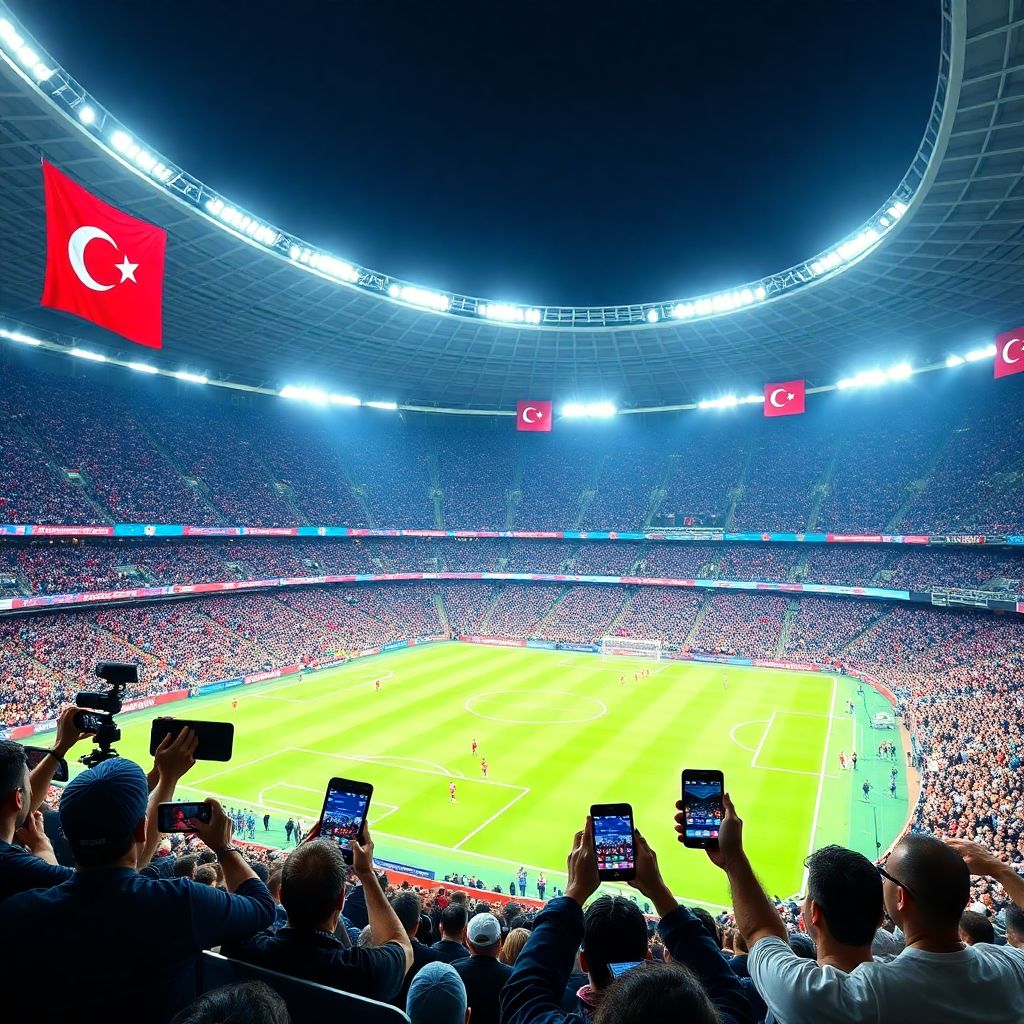
The business of sports in Turkey is driven by three levers: sponsorships, media rights and digital fan engagement. To act effectively, map your club or brand assets, price them with simple benchmarks, understand the Turkish football TV rights market structure, and test digital fan engagement platforms Turkey fans already use daily.
Quick strategic takeaways on Turkey’s sports market
- Treat sports sponsorship deals in Turkey as multi-asset bundles (jersey, IP, digital, hospitality), not just logo placement.
- In the Turkish football TV rights market, long-term visibility matters more than chasing the last unit of fee.
- Use sports marketing agencies in Turkey mainly for local relationships, sales bandwidth and contract execution.
- Prioritise digital fan engagement platforms Turkey audiences know (WhatsApp, YouTube, Instagram, local OTT) over building complex apps first.
- Always connect brand KPIs (awareness, leads, sales) with clear rights (exposure, data, activations) in contracts.
- If you ask how to invest in Turkish sports business, start with minority, low-CAPEX assets: sponsorships, content, licensing.
Debunking common myths about Turkey’s sports commercial ecosystem

Turkey’s sports business is often seen as chaotic, politically driven and impossible to forecast. In practice, it is a structured ecosystem with clear money flows: sponsorships, central and club TV rights, matchday, betting partnerships and rapidly growing digital content revenues.
Another myth is that only big Istanbul clubs can make money. While the "Big Three" still capture most attention, regional clubs, women’s teams, volleyball and basketball properties attract focused brands looking for lower entry costs, clearer storytelling and less cluttered exposure.
A third misconception is that deals are "all about connections". Relationships matter, but contracts, deliverables and reporting now increasingly resemble European standards. Brands expect media valuations, digital metrics and proof of impact; properties that cannot structure and track this leave money on the table.
Finally, many investors assume regulations make everything unpredictable. In reality, most instability comes from informal deals and weak governance. Clear contracts, realistic FX clauses and independent audits significantly reduce risk for clubs, leagues and brands operating in Turkey.
Sponsorship landscape: brands, categories and valuation frameworks
To navigate sports sponsorship deals in Turkey, think in assets, categories and a simple, repeatable valuation logic.
- Map your sponsorship inventory
List jersey/kit positions, training wear, stadium naming, category exclusivities, LED boards, press backdrops, social media content, database access, hospitality and grassroots/CSR rights. Make sure each asset is described in a way a non-sports marketer can understand. - Segment by category and conflict rules
Define which sectors you can sell separately (banking, betting, telco, FMCG, automotive, airlines, tech, e-commerce, payments). Write down conflict rules (e.g. one bank only) before negotiations to protect integrity and pricing. - Anchor value with simple benchmarks
Start with three anchors: 1) media exposure value versus classic advertising, 2) cost-per-fan reached (stadium plus digital audience), 3) competitive set (similar clubs or leagues). Do not overcomplicate: use ranges and link higher tiers to stronger deliverables. - Build tiered packages
Create 3-5 package levels (e.g. main, co, official partner tiers, plus digital-only and regional tiers). Each package should combine visibility, rights to use IP, digital content and at least one concrete lead/sales mechanic such as promo codes, co-branded landing pages or in-stadium activations. - Protect value with clear deliverables
In every contract define what the partner receives (impressions, posts, events, appearances), how often and who is responsible. Tie make-goods and renewals to specific metrics rather than vague "brand exposure" language. - Use agencies with a defined role
When you work with sports marketing agencies in Turkey, lock in their mandate: pure sales, full commercial outsourcing, or project-based campaigns. Clarify commission structure, territory, reporting standards and who owns long-term brand relationships.
Broadcast and streaming: structuring TV deals and digital rights in Turkey
Media rights are the financial backbone of the system, especially for football. Understanding typical scenarios in the Turkish football TV rights market helps you negotiate from a stronger position.
- Central league-wide TV deals
Top football and basketball leagues usually centralise live domestic rights. Revenues are then shared through agreed formulas. For clubs, the focus is on transparency of distribution, minimum guarantees and payment schedules more than on headline deal size. - Club-controlled non-live and international rights
Clubs may retain some rights: delayed matches, documentaries, behind-the-scenes content, overseas friendlies. Package these separately for international broadcasters, OTT platforms or club-owned channels, with clear windows (live, replay, archive) and territories. - Digital clips and highlights
Short-form clips for social media and platforms like YouTube, Instagram and TikTok can be sold as separate bundles or retained to build your own channels. Define clip length, exclusivity and monetisation rules to avoid conflicts with main broadcasters. - Streaming and OTT experiments
Lower divisions, women’s leagues and niche sports can test direct-to-consumer OTT. Start with simple pay-per-view or subscription models instead of fully custom tech. Focus on reliability, local payment options and a basic CRM layer over fancy features. - Betting and data rights
Official data and low-latency feeds are monetised with betting companies. Contracts should clearly separate betting data from media coverage and ensure compliance with Turkish regulation and league integrity rules. - FX, indexation and performance clauses
Because of currency volatility, negotiate mechanisms for indexation or partial FX linkage. Add performance triggers: audience thresholds, distribution obligations, or potential sublicensing paths that protect both sides across the contract period.
Digital fan engagement: platforms, metrics and revenue models
Digital is where Turkish fans spend most of their time and where clubs and leagues can grow fast with low CAPEX, especially through digital fan engagement platforms Turkey fans already use.
Core advantages of digital fan engagement
- Scalable audience reach across social media, messaging apps, club sites, OTT and gaming without being limited by stadium capacity.
- Direct data collection through registrations, newsletters, prediction games, fantasy leagues and loyalty programmes.
- Always-on communication with fans via content, push notifications and live shows, not just on matchdays.
- Flexible monetisation options including ads, sponsorship inventory, subscriptions, micro-payments and e-commerce.
- Lower production costs for social-first content compared to traditional TV formats.
Limitations and practical watch-outs
- Platform dependency risk when most reach sits on third-party algorithms; mitigate by building owned channels and email databases.
- Content fatigue if publishing volume is high but creative quality and relevance for fans are low.
- Fragmented analytics across multiple platforms, making it harder to prove value to sponsors without unified reporting.
- Limited internal skills in many clubs to run data-driven campaigns, paid media and marketing automation.
- Monetisation lag where follower numbers grow but no clear pathway exists to convert attention into revenue.
Regulatory, cultural and economic drivers of sports monetization
Several persistent mistakes and myths slow down the monetisation of sport in Turkey.
- Ignoring advertising and betting rules
Some clubs assume any sponsor "with money" is acceptable. In reality, restrictions on alcohol, betting and certain financial products are strict. Failing to check regulations risks fines, contract cancellation and reputational damage. - Underestimating cultural loyalty
Many brands treat Turkish fans as generic consumers. Local rivalries, regional identity and family traditions shape buying behaviour. Campaigns that do not respect these nuances often underperform, even with strong media exposure. - Short-term cash focus
Clubs under financial pressure sell rights too cheaply or for too long. Trading long-term shirt or naming rights for short-term relief can block future growth and reduce strategic flexibility. - Weak governance and reporting
Some properties cannot provide proper invoices, audience data or proof-of-delivery. This limits access to larger, international brands that require compliance, ESG alignment and documented results. - FX and macro-economic blindness
Ignoring currency and inflation dynamics creates conflict between clubs and foreign partners. Contracts should address currency, payment timeline and potential re-balancing in clear, mutually understandable language. - Over-reliance on one revenue stream
Leagues that depend almost entirely on TV money or single-name sponsors are exposed to renegotiation risk. Diversifying into digital, licensing, international tours and merchandising stabilises incomes.
Practical case studies: successful club, league and brand collaborations

The most useful way to see how to invest in Turkish sports business is to look at simple, repeatable patterns rather than unique mega-deals.
Case 1: Regional club and national FMCG brand
A mid-table Anatolian football club wanted to grow commercial income without losing local identity. It approached a national FMCG company with strong distribution in the region.
- The club mapped assets: front-of-shirt space, LED minutes, local retail appearances, co-branded content, in-store POS and a loyalty mechanic for regional fans.
- The brand received exclusive rights in its category, product placement in club content and in-stadium sampling rights on key matchdays.
- Success metric: uplift in regional sales and increased display visibility at local retailers, tracked through a simple before/after comparison and retailer feedback.
Case 2: Basketball club and digital ticketing/fintech partner
A top-flight basketball club wanted more direct fan data and better cash management for matchdays.
- The club signed a naming and payment partnership with a fintech company, integrating branded digital ticketing and a club-themed prepaid card.
- Fans earned small rewards for using the card at the arena and selected online merchants, boosting card usage and data capture.
- Both sides shared anonymised insights: time of purchase, attendance frequency and merchandise baskets, allowing smarter scheduling and targeted offers.
Case 3: League-driven digital content hub
A national league with modest TV fees developed its own highlight and archive platform instead of waiting for a better central deal.
- Clubs agreed to centralise short-form digital rights while keeping some local content freedoms.
- The league launched a simple multilingual website and app featuring highlights, behind-the-scenes clips and archive matches.
- New digital inventory attracted sponsors who were priced out of TV but wanted consistent visibility and measurable engagement.
Practical answers to recurring industry questions
How should a mid-size Turkish club prioritise commercial actions in the next 12 months?
First audit your assets, contracts and digital channels. Then repackage sponsorship inventory into clear tiers, fix basic CRM for ticketing and email, and set up simple reporting for partners. Focus on two or three scalable projects instead of many small, unstructured activities.
What is the most common mistake in sports sponsorship deals in Turkey?
The biggest mistake is selling logos without activation rights or measurable KPIs. Brands need fan access, data and content opportunities. Contracts that focus only on visibility rarely renew at the same value, even if exposure numbers look strong on paper.
How can a brand new to sport test the Turkish market with limited budget?
Start with digital-led campaigns around one club, league or athlete. Use social content, promo codes and co-branded landing pages to measure leads or sales. Avoid long-term, high-fee commitments before you see real response from your core customer segments.
Where do digital fan engagement platforms Turkey clubs use fit into sponsorship plans?
They should be part of core inventory, not an afterthought. Include posts, stories, branded content series, prediction games and data capture mechanics in sponsorship packages. Define minimum impressions or engagement targets and agree on how performance will be reported.
What should international investors know before asking how to invest in Turkish sports business?
They should understand legal structures, federation and league rules, and typical deal durations. Minority positions in commercial rights, content production or facilities are often more flexible than direct club ownership, with clearer exit options and lower operational risk.
Do I really need sports marketing agencies in Turkey if my brand has a global sports team?
Global expertise is useful, but local agencies add relationships, cultural nuance and execution power. Use them selectively for sales, PR, event operations and regulatory guidance while keeping strategic control and final approval inside your organisation.
How will changes in the Turkish football TV rights market affect smaller clubs?
Any shift in central rights value or distribution formulas directly impacts club budgets. Smaller clubs should use this as a trigger to strengthen local sponsorships, matchday experiences and digital revenue so they are less dependent on TV money alone.