
Why Turkish track stars train differently – and what you can copy
If you watch Turkish sprinters and jumpers warming up at a meet in Istanbul or Ankara, you’ll notice something subtle: they mix classic European periodization with very pragmatic, almost minimalist, decisions. Their coaches often come from Soviet, Balkan or Mediterranean schools, but they’ve adapted those concepts to crowded city tracks, limited budgets and weather that swings from coastal humidity to dry plateau winters. That blend makes a Turkish track and field training program a surprisingly realistic model for ambitious amateurs: it’s structured, data‑driven and tough, yet flexible enough to survive real life, not just lab conditions. The goal of this guide is to walk you, step by step, through how those routines look in practice – and how to borrow them safely without breaking your body in month one.
Step 1: Assess yourself like a national‑team coach
Before a single interval is run, Turkish national coaches start with diagnostics, not heroics. They’ll time 30 m sprints, measure vertical jump, test mobility in the hips and ankles, and take a brutally honest look at body composition. For you, that doesn’t require a lab, but it does mean dropping the ego. Time your 30 m and 150 m from a standing start, note your average sleep, and take basic measurements like waist and resting heart rate. When a coach in Bursa designs a professional sprinter training routine Turkey style, they don’t copy what Ramil Guliyev does this year; they design what he can handle this month. The common amateur error is skipping this audit, grabbing a “pro” workout online, and then wondering why the hamstring goes on strike by week three.
Case study: The late‑starter 400 m runner
A real‑world example: a 27‑year‑old office worker from Izmir wanted to move from casual 10K races into the 400 m, inspired by Turkish quarter‑milers he’d seen on TV. Initial tests showed decent endurance but painfully weak acceleration and poor ankle stiffness. Instead of tossing him into brutal lactic sessions, his coach built a six‑week block around short accelerations, basic plyometrics and general strength, keeping total weekly sprint volume under 400 m. Only once his 30 m time dropped and he could land and take off cleanly on low hurdles did they add proper 300–350 m repetitions. Lesson for you: if you’re changing events or coming from distance running, expect an “adaptation semester” where the main goal is teaching your tissues to tolerate speed, not chasing fancy times on rep two of a workout.
Step 2: Designing a week like a Turkish pro
When you look at how elite Turkish sprinters and jumpers structure their weeks, you see clear themes: speed days, strength days and low‑intensity “glue” days, all anchored around one or two key sessions. A typical Turkish track and field training program for a 100/200 m athlete in the pre‑competition phase might feature two acceleration or max‑velocity sessions, two heavy but focused gym sessions, one special endurance workout and two recovery days with mobility, drills and easy strides. Importantly, they rarely stack intensity back‑to‑back; heavy squats won’t sit beside flying 60s, because coaches learned the hard way that the nervous system has a finite credit limit. As an amateur, you should borrow that spacing logic before you copy any specific set or rep scheme; how your week breathes will determine whether you progress or simply accumulate fatigue disguised as toughness.
Sample weekly structure inspired by Turkish sprinters
Imagine you’re a 200 m‑focused recreational athlete training five days per week. A coach familiar with the professional sprinter training routine Turkey model might plan Monday for block starts and short accelerations up to 40 m, paired with upper‑body strength. Tuesday becomes a tempo and mobility day with relaxed 100–150 m runs, trunk stability and soft‑tissue work. Wednesday could host a heavier gym session with squats, Romanian deadlifts and single‑leg exercises, while Thursday is reserved for max‑velocity runs like flying 30s from a long buildup. Friday shifts to special endurance, for example 2–3 × 150 m at around 95% with full recovery. Weekend days alternate between full rest and gentle active recovery. The key principle is contrast: hard versus easy, neural demand versus muscular load, never asking the same system to peak two days in a row.
Typical mistakes when copying pro plans
A huge trap seen by coaches working with online coaching Turkish track and field athletes is the “cut and paste disaster.” Athletes grab a screenshot of a national team session on social media – say, 5 × 300 m at near‑race pace – and run it all‑out with no seasonal build‑up, no prior speed work and no micro‑progression. Another recurring error is stuffing the week with more “quality” than recovery, forgetting that the pros often nap between sessions and have access to physio support. If you’re juggling a job or studies, your overall stress budget is lower; you must consciously reduce weekly high‑intensity sprint volume or weights, not squeeze them into late evenings. Remember that when Turkish pros look fresh in February, it’s not because they are genetically invincible; it’s because a lot of potential hero workouts were deliberately skipped or dialed down in November.
Step 3: Strength and power – how Turkish athletes lift

Walk into a weight room used by Turkish sprinters, and you won’t see bodybuilding chaos; you’ll see a short menu of lifts done with almost obsessive precision. The Turkish athlete workout and diet plan often starts from the barbell: squats for general strength, Olympic lift variations for power, and unilateral exercises for stability. A 100 m specialist might focus on deep back squats early in the year, then shift to trap‑bar deadlifts and jump squats as the season approaches. Sessions are usually under an hour, with longer rests and low rep counts, because the intent is to improve rate of force development, not chase a pump. For you, the message is simple: pick five to seven key movements, progress them gradually, and avoid the “everything day” where you turn strength work into a random fitness class disguised as elite training.
Case study: Injury‑prone long jumper
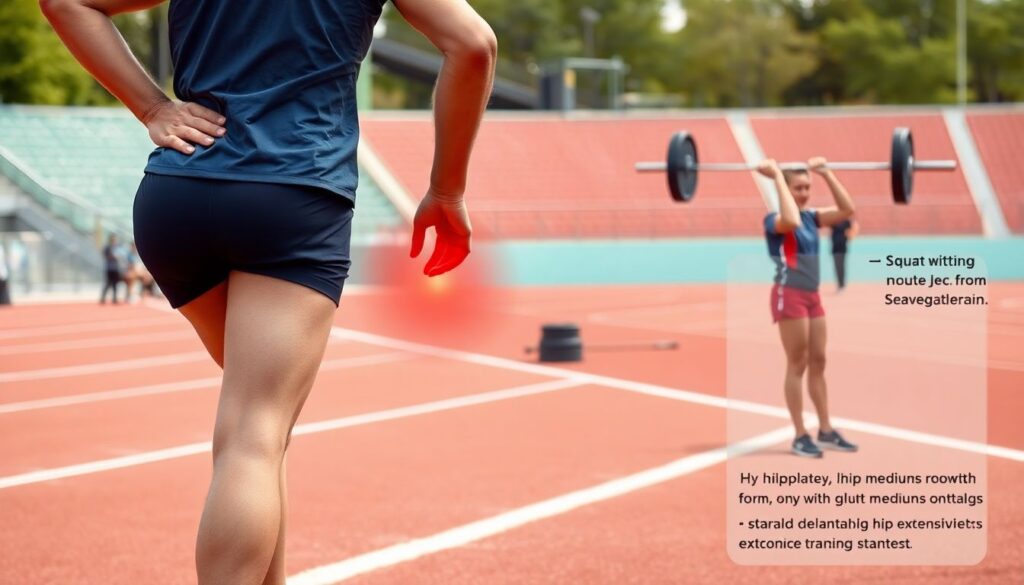
Consider a national‑level Turkish long jumper who struggled with chronic knee pain and recurring hamstring strains. Her coach realized that the problem wasn’t only in plyometric volume; it was a strength imbalance. She could squat heavy but had poor hip hinge capacity and weak glute medius control. They rebuilt her plan around Romanian deadlifts, single‑leg hip thrusts, lateral lunges and low‑dose, high‑quality plyometrics like bounds on grass. Track run‑ups were reduced temporarily, while gym frequency went from two to three shorter, more focused sessions. Within six months, her jump distances improved and her physio visits dropped dramatically. If you’re a jumper or multi‑event athlete, the takeaway is that strength training should be targeted, not decorative: you’re fixing specific mechanical leaks, not just “getting stronger” in the abstract.
Step 4: Nutrition – the quiet engine of Turkish performance
Elite Turkish sprinters rarely follow extreme diets; instead, they rely on consistent, culturally familiar foods paired with evidence‑based sports nutrition. A typical day for a 400 m hurdler might begin with eggs, whole‑grain bread, olives and tomatoes, followed by a mid‑morning snack of yogurt and fruit. Pre‑training meals emphasize easy‑to‑digest carbs like rice or potatoes with moderate lean protein such as chicken or fish. After hard sessions, many will use whey shakes, then a full meal within two hours. In practice, a Turkish athlete workout and diet plan balances macronutrients but respects personal preference; forcing a sprinter from Trabzon to live on bland Western meal‑prep boxes often backfires. For you, the main principle is consistency: regular meals, enough total calories to support training, and a clear rule that hard sessions are bracketed by carbohydrates and protein rather than skipped breakfasts and late‑night fast food.
Supplements, realities – and where people actually shop
In the Turkish system, supplements are seen as tools, not magic shortcuts. Basic items like whey protein, vitamin D, omega‑3s and sometimes creatine are common, particularly in winter when outdoor training volume is high. Before major meets, some athletes fine‑tune caffeine intake for performance, but they test doses in training to avoid jitters or stomach issues. Many amateurs look to buy Turkish sports nutrition for runners online, attracted by local brands that are cheaper yet tailored to regional taste preferences and regulations. If you go this route, verify third‑party testing and anti‑doping compliance, especially if you compete in federated events. The worst mistake isn’t skipping a trendy supplement; it’s grabbing unverified products that risk contamination. Think like a national‑team staffer: boring but certified beats flashy and questionable every single time.
Case study: The under‑fueled middle‑distance runner

A 1500 m specialist from Ankara kept fading in the final lap despite strong workouts. Blood tests eventually showed low iron and borderline low energy availability. Her diet looked “clean” but under‑caloried; she often trained morning and evening on little more than tea, simit and a light salad. The performance fix was not a complicated macro algorithm but simply increasing total calories, especially around sessions, and boosting iron‑rich foods along with a monitored supplement. Within three months her repeat 400 m intervals improved and menstrual cycle regularity returned. For recreational athletes chasing fast times, this is a blunt reminder: being lean is not the same as being ready. If your mood, sleep and training quality are declining, eat more, not less, and consider basic blood work rather than assuming you just need tougher intervals.
Step 5: Recovery, lifestyle and the “invisible” training
One of the least glamorous yet most disciplined aspects of Turkish elite training is how seriously they treat non‑track hours. Athletes are encouraged to keep consistent sleep schedules, limit late‑night screen time and reduce unnecessary travel during heavy blocks. Many national‑level performers still study or work part‑time, so coaches design workloads that respect commute times and exam seasons. Contrast this with many amateurs who train like pros but live like partygoers; the mismatch usually surfaces as chronic niggles and plateaus. If you want to emulate the pros, start with simple rules: eight hours in bed, no intense late‑night debates with your phone, and at least one truly easy day each week where you resist the urge to cram “extra cardio.” Recovery isn’t the absence of effort; it’s the active protection of future performance.
Practical recovery strategies copied from Turkish squads
At high‑performance centers in Turkey, you’ll see a lot of low‑tech tools used systematically. Foam rolling is done after, not before, heavy sprint sessions, with focus on calves, quads and glutes. Static stretching is kept short and never aggressive right before maximal efforts, to avoid blunting power, whereas longer sessions are moved to separate recovery blocks. Cold exposure might be used after competitions but rarely after every training day; coaches know that overusing ice baths may interfere with adaptation. Physiotherapy and massage are reserved for specific issues or key phases, not just as a default daily ritual. As a recreational athlete, your version could be a 10–15 minute cooldown sequence and one longer mobility session per week, plus the discipline to see a qualified therapist early, rather than waiting until a mild twinge becomes a forced two‑month layoff.
Step 6: Getting guidance – and when remote coaching makes sense
Not everyone has access to a high‑level coach at a local club, and Turkish athletes know this as well; many come from smaller cities and only later reach big training hubs. This has fueled a steady rise in online coaching Turkish track and field athletes, where national‑level coaches or experienced trainers review video, prescribe individualized plans and adjust workloads based on feedback. If you’re serious about sprinting or jumping, a remote coach can be a pragmatic bridge between random internet plans and full‑time camp life. The key is honest communication: sharing your real schedule, stress levels, and even phone‑captured clips of your starts or gym technique. Without that, even the best coach is guessing. For beginners, a three‑ to six‑month block of guided training is often enough to learn correct mechanics and basic periodization before transitioning to more independent practice.
Beginner tips to apply Turkish pro lessons safely
If you’re just starting to “train like a pro,” think subtraction before addition. First, strip away junk volume: endless medium‑hard runs or mindless circuits that leave you tired but not faster. Replace them with two purposeful sprint sessions and two strength sessions per week, with clear targets such as improving 30 m time or increasing your squat with proper form. Second, align your nutrition with training days: more carbs and calories on hard days, slightly less on rest days, rather than rigid daily sameness. Third, track three simple metrics: sleep duration, perceived soreness and session quality. When two of the three trend down, pull back before injury forces you to. The beauty of modeling your routine on Turkish elites is that their system was built under constraints; it assumes imperfect conditions, which makes it ideal for real lives, not just professional ones.
Bringing it all together – your personal “pro” blueprint
To adopt the essence of a Turkish track and field training program, you don’t need a stadium with a view of the Bosphorus; you need structure, honesty and patience. Start with a baseline assessment and a modest week that alternates hard and easy days. Add focused strength work that addresses your event demands, then layer in nutrition that supports rather than sabotages your efforts. Borrow recovery habits, not just highlight‑reel workouts, and consider at least temporary guidance from a coach who understands sprint mechanics and load management. Whether your goal is to run a sharper 100 m, jump farther in masters competitions or simply feel what “training like a pro” actually means, the Turkish model shows that high performance is less about secret sessions and more about coherent routines repeated over months. Commit to that, and your results will look a lot less like guesswork and a lot more like progression.