Why Turkey’s Paralympic heroes deserve your attention
Most people can name a few Olympic stars, but very few could tell you even one of the powerful Turkish Paralympic athletes stories that shaped modern sport in the country. Yet these athletes have rebuilt their lives after accidents, illnesses or war injuries and still found the energy to chase medals. If you only followed headlines after Tokyo, you probably missed the quiet revolution before the turkey paralympic team 2024 started forming. Let’s walk through real cases, compare support approaches and tech, and figure out how you personally can make a difference.
Hidden champions: real cases that rarely make the news
Take swimmer Sümeyye Boyacı. Born without arms, she first learned balance by watching how fish move, then turned that observation into a training method with her coach in Eskişehir. She went from struggling to find a pool that would even accept her to becoming a Paralympic finalist and world medalist. Another case is Abdullah Öztürk, who runs a tiny repair shop and still finds time to train in a modest Ankara gym, eventually winning gold in para table tennis. Stories like theirs show how talent grows despite, not because of, the system.
Team sports vs individual sports: two paths to the Paralympics
There’s a sharp contrast between the Turkish women’s goalball team and solo athletes like Boyacı. Goalball, where visually impaired players track a ball by sound, gets centralized support: shared coaches, regular training camps, group psychology sessions. This team structure spreads pressure and builds confidence; no one is left to negotiate access to halls or equipment alone. Individual athletes, by comparison, often juggle school or jobs, therapy and sponsor hunting, learning media communication on their own. Both paths can produce medals, but the emotional and financial load is very different.
Comparing grassroots and elite training approaches
Grassroots clubs in cities like Konya or Gaziantep usually work with minimal equipment and a volunteer coach who does everything: talent scouting, paperwork, even transport home. The upside is a family-like environment and flexible training adjusted to each impairment. National camps, however, add structured periodization, sports science, nutritionists and video analysis. Young athletes often describe the first camp with the turkey paralympic team 2024 as a cultural shock: strict schedules, performance reviews, data-driven feedback. For long‑term success, the real challenge is blending local warmth with high‑performance discipline rather than choosing one model.
Technology in Turkish Paralympic sport: promise and pitfalls
Modern prosthetics, racing wheelchairs and smart sensors are transforming training, but access is uneven. In Istanbul and Ankara, you’ll see carbon-fiber running blades and motion‑capture systems; in smaller towns, athletes might still train with worn‑out chairs and improvised ramps. Some para sprinters report gaining seconds after switching to lighter prostheses, but also complain about constant maintenance costs and limited local technicians. For visually impaired judokas, simple tools like tactile mats and audio beacons can matter more than flashy devices, proving that appropriate tech is often better than expensive tech.
Pros and cons of the new performance technologies
High‑end prosthetics and wheelchairs boost speed and stability and can reduce overuse injuries in shoulders and hips. They also help athletes feel “competition ready” psychologically, which is huge. On the negative side, prices can exceed an annual salary, and not all devices are covered by public insurance. Athletes from modest backgrounds sometimes depend on short‑term sponsors, which means a broken carbon frame can end a season. In classification‑sensitive sports, there’s also ongoing debate about how far tech should go before it creates unfair advantages rather than merely compensating impairment.
Media and storytelling: why we still don’t know these names
You’ll find hours of football analysis on Turkish TV, yet barely a few minutes about Istanbul or Konya‑based Paralympians preparing for Paris. A documentary about turkish paralympic athletes is still more likely to be a one‑off festival project than a prime‑time series. This lack of sustained coverage means kids with disabilities rarely see someone “like them” on screen wearing national colors. Coaches say that when a short YouTube feature appears, local clubs suddenly get calls from parents asking about training options, which proves visibility directly affects participation.
Practical cases: how different support strategies play out
One instructive example is the women’s goalball team, which moved from sporadic camps to a continuous program with regular analyst feedback and mental coaching. Result: gold at Tokyo and a new generation of girls joining regional clubs. Contrast that with a promising wheelchair racer from Eastern Turkey who trains mostly on roads because there’s no track, relies on family money for travel, and shares videos online hoping for sponsors. Both are talented, but the structured pathway clearly delivers more stable performance and less burnout, underlining the value of long‑term planning.
How to choose the “right” tech and training mix
If you’re an athlete or coach, it’s tempting to chase the newest gadget. Instead, the smarter move is to start with a brutally honest needs analysis: sport, classification, typical injuries, travel conditions and local repair options. For a developing para powerlifter in Kayseri, investing in a stable bench and regular physio might outperform buying a fancy sensor bar. For a visually impaired runner, a well‑trained guide and safe track time can matter more than GPS wearables. The rule of thumb: prioritize reliability, repairability and comfort over marketing hype or looks.
Step‑by‑step recommendations for young athletes and families
1. Start local: visit nearby clubs, meet coaches, and watch at least one full training session before committing.
2. Document progress: simple phone videos and training logs help you spot improvements and convince sponsors later.
3. Build a support circle: involve teachers, physiotherapists and family early so training schedules don’t clash with school or work.
4. Test tech before buying: borrow or rent wheelchairs or prosthetics during camps when possible, and ask older athletes what actually lasts.
5. Follow competitions: tracking turkish paralympic athletes stories online makes it easier to set realistic goals and understand pathways.
How fans can genuinely support Turkish Paralympians
You don’t need to be a coach or physio to help. Buying paralympic games turkey tickets for Paris qualifiers or future events in the region sends a clear signal to broadcasters and sponsors that there is real interest. Online, you can amplify interviews and race clips so search results fill up with athletes’ names, not just generic news. When clubs organize small tournaments in local halls, simply showing up, clapping, and tagging athletes on social media can be surprisingly motivating, especially for youngsters who are still shy about their disabilities.
Donations, sponsorship and long‑term impact
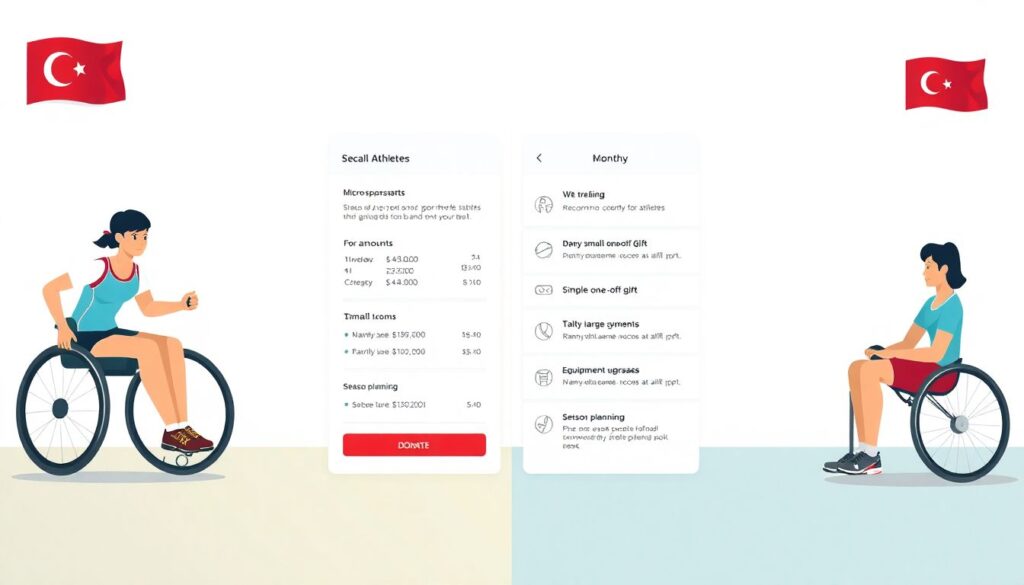
Financial support matters, but how you structure it matters even more. One‑off gifts help with travel, yet recurring micro‑sponsorships let athletes plan seasons, rehab and equipment upgrades. Many federations and NGOs now list options to support turkish paralympic athletes donations via monthly payments, corporate packages or crowdfunding. Before donating, check whether the program covers coaching education and medical follow‑up, not just medals and flights. Sustainable funding designs reduce the constant stress of “Will I afford next season?” and let athletes focus on performance and education in parallel.
Looking ahead: trends shaping Turkish Paralympic sport by 2026
By 2026, expect three big shifts. First, more mixed‑reality training: virtual race simulations for wheelchair athletes and smart glasses offering audio cues for visually impaired runners during practice. Second, broader inclusion in school PE classes, where basic goalball or seated volleyball will appear not as “special” but as standard options. Third, rising visibility: streaming platforms are already experimenting with series that feel like an ongoing documentary about turkish paralympic athletes rather than a one‑time special. Combined, these trends can move Paralympians from the margins of Turkish sport into the mainstream conversation.