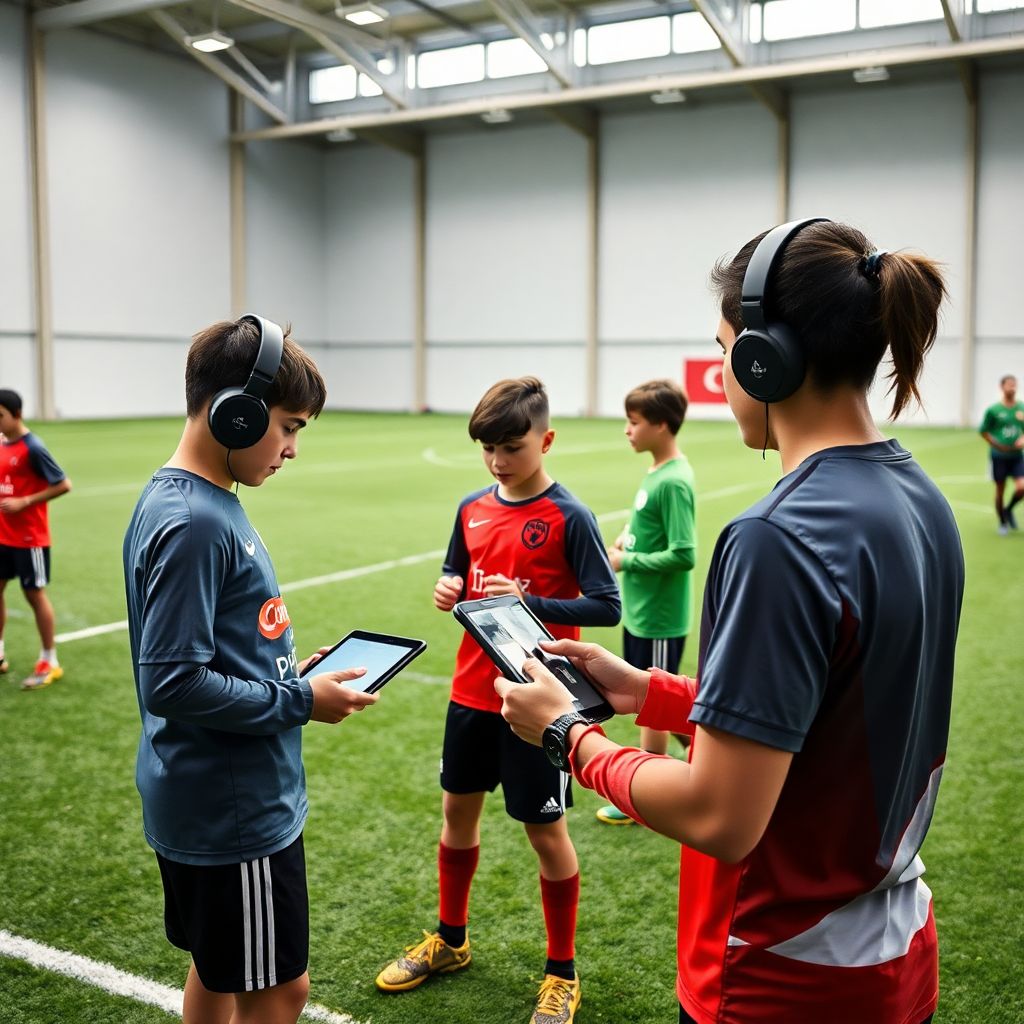
Youth academies in Turkey can produce the next football superstars if they combine a clear technical curriculum, evidence-based sports science, strong scouting inside Turkey, and realistic pathways into professional clubs. Success requires structured planning, measurable KPIs, and safe, age-appropriate workloads for both local players and international students.
Core Preconditions for Academy Success
- Define a written game model and age-by-age curriculum before opening regular training groups.
- Secure safe, full-size pitches and indoor options that meet Turkish federation standards.
- Build formal links with at least one professional club for trials and talent exchange.
- Implement basic sports science support: screening, load monitoring, and return-to-play rules.
- Set transparent selection criteria for Turkey football academy trials 2025 and beyond.
- Use data (minutes, training attendance, learning goals) to drive promotion decisions.
- Ensure clear communication in Turkish and English for football academies in Turkey for international students.
Designing a Technical Curriculum for Youth Development
This approach fits academies that aim to compete with the best youth football academy in Turkey, not just run hobby sessions. It is not ideal if you lack stable pitch access, long-term coaching staff, or if parents expect instant professional contracts.
Curriculum Prep-Checklist (First 30-60 Days)
- Decide core playing style (possession, high pressing, transition focus) appropriate to Turkish league realities.
- Segment age groups (e.g., 8-10, 11-13, 14-16, 17-19) and define clear learning priorities for each.
- Align training load with school hours and exam periods in Turkey to avoid burnout.
- Choose one primary methodology (e.g., game-based training) and train all coaches in it.
- Prepare simple written session templates and safety rules for every age group.
Sample Curriculum Structure by Age Band
- U8-U10: Love the Ball and the Game – Focus on basic ball mastery, 1v1, coordination, and fun; avoid heavy tactics and high-intensity conditioning.
- U11-U13: Individual Skills Under Pressure – Introduce position-neutral roles, small-sided games, and safe speed/agility work.
- U14-U16: Team Concepts and Physical Foundations – Implement team principles (pressing, build-up), simple gym work, and video feedback.
- U17-U19: Professional Habits – Position-specific roles, match analysis, nutrition education, and exposure to pro training environments.
Technical Planning Table: Priorities, Resources, KPIs
| Age Band | Main Technical Focus | Key Resources | Relative Cost | Priority Timeline | Example KPIs |
|---|---|---|---|---|---|
| U8-U10 | Ball mastery, coordination, enjoyment | Small goals, cones, light balls | Low | First 1-3 months | Training attendance, basic juggling progress, smiles/engagement |
| U11-U13 | 1v1, first touch, decision-making | Video-capable phone, small-sided pitch lines | Low-Medium | Months 2-6 | Successful 1v1 actions in games, turnover rate in build-up |
| U14-U16 | Team tactics, safe strength basics | Gym corner, tactics board, GPS or running apps | Medium | Months 4-12 | Pressing triggers executed, passes into final third per match |
| U17-U19 | Position-specific roles, pro habits | Full match video, analysis software (or simple tags) | Medium-High | Months 6-24 | Minutes in senior squads, training promotion, pro trial invitations |
Scouting and Recruitment: Finding Raw Talent in Turkey
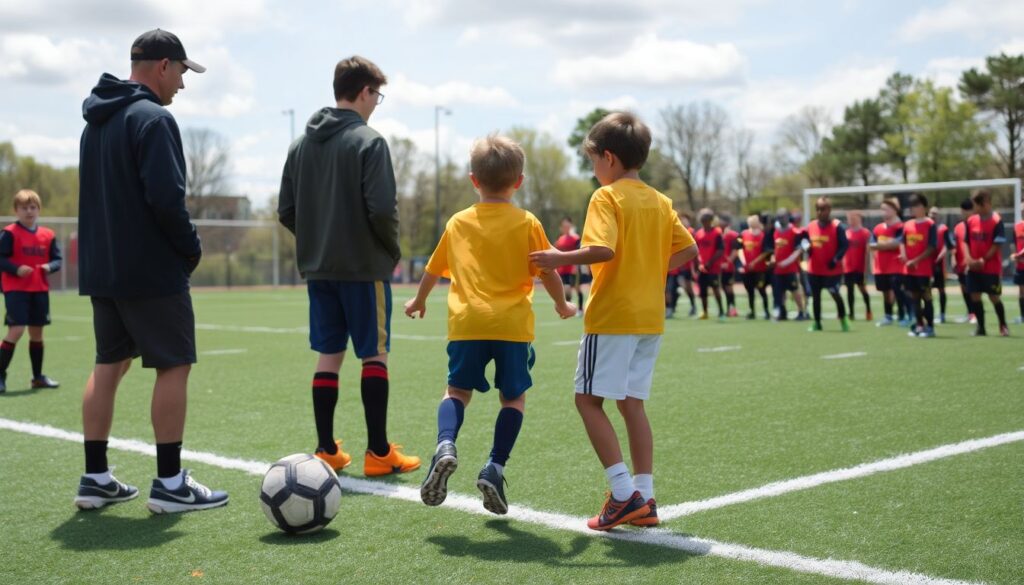
To support a serious pathway, you need a structured approach to scouting rather than waiting for parents to call. Avoid mass open trials without safety staff, clear selection criteria, or follow-up plans.
Scouting Requirements and Tools
- Regional coverage plan – Map key districts in Istanbul, Ankara, Izmir and regional hubs where school and amateur football is strong.
- Club and school relationships – Agreements with local amateur clubs, schools, and municipal facilities to observe matches safely.
- Data capture tools – Simple scouting forms (digital or paper), video clips, and basic physical test logs.
- Legal and ethical compliance – Consent forms, safeguarding policies, and adherence to Turkish federation rules for minors.
- International access – Clear process and visa-friendly timelines for football academies in Turkey for international students.
Practical Steps to Run Safe and Effective Trials
- Limit group size and ensure medical cover for all Turkey football academy trials 2025 and future events.
- Separate age groups and clearly mark entry, warm-up, trial, and cool-down areas.
- Use objective criteria: speed tests, simple technical drills, small-sided games with clear observation points.
- Communicate decisions respectfully, with feedback and alternative options where possible.
Scouting and Recruitment Resource Table
| Component | Resource / Tool | Relative Cost | Priority Level | Short-Term Action (0-3 months) | Ongoing KPI |
|---|---|---|---|---|---|
| Local scouting network | Part-time scouts, coach referrals | Medium | High | Identify 3-5 trusted contacts per region | Number of scouted players who pass second assessment |
| Trial events | Structured trial days, safety staff | Medium | High | Run one safe trial per main age group | Attendance vs. offers made, injury incidents (target zero) |
| International recruitment | Online application page, English support | Low-Medium | Medium | Publish clear “how to join a football academy in Turkey” guide | Applications from abroad, conversion to enrolments |
| Data management | Spreadsheet or simple database | Low | Medium | Create standard player profile template | Profiles updated after every evaluation cycle |
Coaching Staff: Building a Philosophy and Career Pathways
A strong coaching structure is the safest and most sustainable way to approach professional soccer training camps in Turkey and year-round development. Avoid hiring only ex-players without youth coaching education or depending on one “star coach”.
Coach Structure Prep-Checklist (Before First Season)
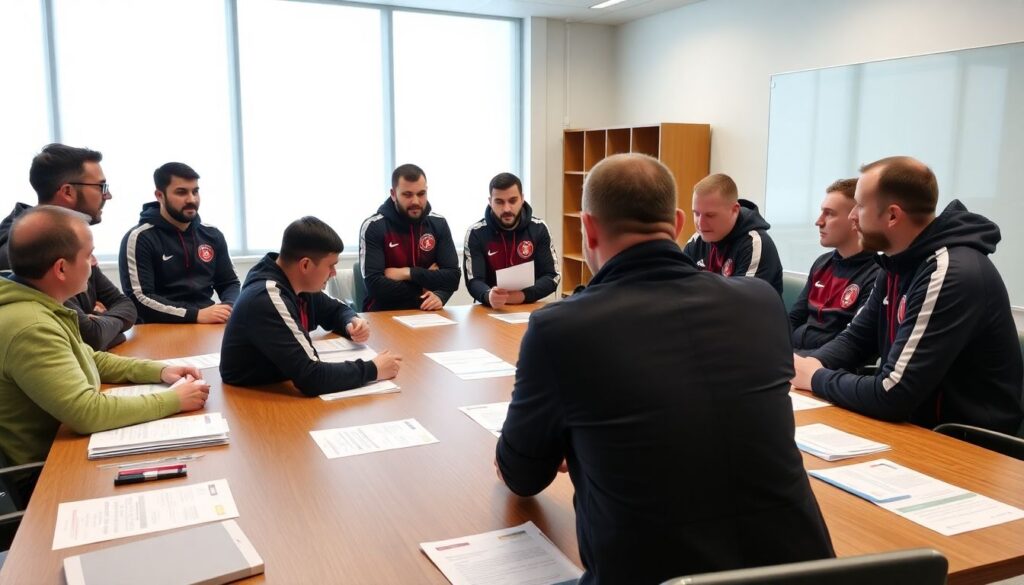
- Define one written football philosophy that suits Turkish competition conditions and your player profile.
- Clarify job descriptions: head of academy, age-group leads, assistants, goalkeeper coach, fitness coach.
- Check federation licenses and background checks for all staff working with minors.
- Set internal education calendar (workshops, match analysis meetings) every 4-6 weeks.
- Design safe workload rules: maximum weekly sessions per age, mandatory rest days.
Step-by-Step: Building and Managing the Coaching Team
-
Define Your Game Model and Values
Write down how your teams should attack, defend, and behave off the pitch. Use simple language that U12 players can understand, and make it the base for all training sessions.
- Include principles like pressing intensity, playing from the back, and counter-attacks.
- Add behaviour standards: punctuality, respect, social media conduct.
-
Hire Safely and Systematically
Create a checklist for every coaching candidate: license level, experience with youth, references, and background checks. Prioritise coaches who can teach and communicate, not just those with big playing careers.
- Always verify previous clubs and roles.
- Meet candidates in person and observe them running a session.
-
Assign Clear Roles by Age and Specialty
Allocate each coach to an age band and define where they lead, assist, or support. Avoid constant reshuffling that confuses players and parents.
- Have one coordinator per phase (foundation, youth, professional transition).
- Ensure one dedicated goalkeeper coach covers all squads safely.
-
Create a Safe, Standard Session Framework
Build a standard 60-90 minute session template with warm-up, technical work, game-based practice, and cool-down. Include safety checks (pitch, weather, equipment) before every session.
- Keep contact levels age-appropriate and monitored.
- Document any injuries and adapt following sessions.
-
Implement Continuous Coach Development
Schedule internal workshops for video analysis, new drills, and safeguarding updates. Encourage Turkish and international course participation, and require coaches to share key learnings with the group.
- Review 1-2 training sessions per month per coach.
- Give feedback focused on player learning and safety.
-
Build Career Pathways and Retention Plans
Show coaches how they can progress from youth teams to higher age groups or pro roles. Stable staff reduces risk and improves development outcomes for players.
- Set yearly reviews with clear targets.
- Connect with pro clubs in Turkey for coach exchange opportunities.
Coaching Resources and Priority Table
| Area | Resource | Relative Cost | Priority | Timeline | Example KPIs |
|---|---|---|---|---|---|
| Coach hiring | Licensed youth coaches | Medium-High | High | Complete before official training starts | Coach-to-player ratio, retention over season |
| Education | Workshops, course support | Medium | Medium | Every 2-3 months | Sessions observed, improvements agreed |
| Session framework | Shared session library | Low | High | Set up within first month | Sessions aligned with curriculum, injury rate |
| Pathways | Internal promotion plan | Low | Medium | Define in first season | Coach turnover rate, satisfaction in reviews |
Facilities, Sports Science and Injury Prevention
Facilities and sports science should protect players first, then optimise performance. Avoid overloading young athletes with professional-level workloads without medical and recovery support.
Safety and Readiness Checklist
- All pitches are flat, well-lit, and inspected before sessions; emergency exits are clear.
- Weather protocols are defined: heat, cold, and air-quality thresholds for cancelling or modifying training.
- Medical support is available during high-intensity sessions and match days, with first-aid kits fully stocked.
- Basic screening is done at the start of every season (injury history, movement patterns, simple fitness checks).
- Workload per age is limited, with at least one full rest day per week and planned lighter weeks during exams.
- Return-to-play rules after injury are written and respected by coaches, players, and parents.
- Hydration and nutrition education sessions are provided at least once per season.
- Indoor alternatives are secured for winter in regions with poor pitch conditions.
- Gym work is always supervised, with technique taught before adding load.
- All staff understand and can apply concussion and head-injury guidelines.
Facilities and Sports Science Planning Table
| Component | Minimum Requirement | Relative Cost | Priority | Timeline | Monitoring Indicator |
|---|---|---|---|---|---|
| Pitches | At least one safe full-size and one small-sided pitch | High | Critical | Before player intake | Number of pitch-related incidents (aim for zero) |
| Medical support | First-aid kits, trained staff, clinic partnership | Medium | High | Within first month | Response time to injuries, documented reports |
| Screening | Pre-season checks for all players | Low-Medium | High | Every pre-season | Completion rate of screenings, flagged risk cases |
| Gym area | Safe space with age-appropriate equipment | Medium | Medium | Within 3-6 months | Supervision ratio, technique quality observations |
| Recovery & education | Stretching area, workshops for players/parents | Low | Medium | Workshops each half-season | Workshop attendance, injury recurrence |
Competition Structure and International Exposure
Game experience and exposure must support development rather than chase short-term trophies. Overloading tournaments and travel can increase injury risk and burnout.
Common Planning Mistakes to Avoid
- Scheduling too many matches per week for young age groups without adequate recovery time.
- Chasing high-level tournaments before players are technically prepared, leading to heavy defeats and low confidence.
- Using international tours just for marketing instead of targeted learning against specific playing styles.
- Ignoring local leagues and school competitions that offer affordable, regular games.
- Failing to prepare parents and players for the costs, rules, and cultural aspects of trips abroad.
- Not aligning competition style (for example, build-up vs. long ball) with your training curriculum.
- Inviting too many trialists into official matches, disrupting team cohesion and clear evaluation.
- Exposing very young players to overnight travel and late kick-offs on a regular basis.
- Over-promising scouts and pro-club presence at events, creating unrealistic expectations.
- Skipping video capture and post-match reviews, so learnings from big games are lost.
Competition and Exposure Planning Table
| Level | Competition Type | Relative Cost | Strategic Purpose | Recommended Frequency | Example KPIs |
|---|---|---|---|---|---|
| Local | Municipal and school leagues | Low | Regular game rhythm, low travel load | Weekly in-season | Minutes played per squad member, rotation balance |
| Regional | Academy leagues, friendly matches | Low-Medium | Testing style vs. strong Turkish opponents | Twice per month | Performance vs. benchmarks, learning goals achieved |
| National | Elite youth tournaments in Turkey | Medium-High | Exposure to scouts, pressure handling | Selected events per age band | Scouting interest, player behaviour under pressure |
| International | Overseas tournaments or hosted camps | High | Learning from different styles, marketing | 1-2 per season for older age groups | Player feedback, training transfer after trips |
Measuring Progress: Metrics, Data and Transition to Pro Teams
Not every academy will directly place players into top European leagues, but you can still create strong development pathways in Turkey.
Alternative Pathways and When to Use Them
-
Partnerships with Local Professional Clubs
Ideal if you lack your own senior team. Your academy focuses on development, while partner clubs provide trials and match minutes. Track promotions, minutes played, and feedback from partner coaches.
-
Academic-Football Dual Pathway
Best when parents value education strongly or players are late developers. Build relationships with schools and universities that support training schedules and offer sports scholarships.
-
Bridge Programs and Professional Soccer Training Camps in Turkey
Useful for U17-U19 players who are close but not yet ready for pro contracts. Run intensive but safe blocks focused on match demands, video analysis, and mental preparation.
-
International Placement with Partner Academies
Consider this for motivated players with strong language skills and family support. Cooperate with foreign academies and clearly explain expectations, costs, and cultural adaptation needs.
Data and KPI Tracking Table
| Area | Key Metrics | Tools | Relative Cost | Review Frequency | Decision Use |
|---|---|---|---|---|---|
| Individual development | Training attendance, position-specific targets, coach ratings | Spreadsheet, simple evaluation forms | Low | Monthly | Promotion between squads, extra support plans |
| Team performance | Goals, chances created, defensive actions, style adherence | Match video, stats notes | Low-Medium | Every 3-5 matches | Curriculum adjustments, tactical focus |
| Health and safety | Injuries, training loads, missed sessions from fatigue | Medical logs, wellness check-ins | Low | Weekly | Workload changes, prevention programs |
| Pathway outcomes | Trials, contracts, scholarships, retention | Academy database | Low | Seasonally | Partnership evaluations, marketing messaging |
Common Practitioner Concerns and Quick Solutions
How do we safely run open trials for young players?
Limit group sizes, ensure medical cover, and separate age groups with clear schedules. Use simple drills and small-sided games that minimise risky contact, and always brief staff on emergency procedures.
What is a realistic first-season goal for a new youth academy in Turkey?
Focus on safe operations, consistent training, and clear communication with families. Track attendance, injury rates, and basic skill improvements rather than only match results.
How can international students join our academy in Turkey?
Publish a clear “how to join a football academy in Turkey” guide in English, including visa, accommodation, and education options. Offer online assessments and video reviews before asking families to travel.
Do we need expensive technology to track player progress?
No. Start with simple attendance logs, coach evaluations, and basic match statistics. Add more advanced tools later once staff can use the data effectively.
How often should youth teams travel abroad for tournaments?
For most age groups, once per season or every second season is enough. Prioritise player safety, realistic opponents, and learning experiences over frequent trips.
Can weekend training camps replace a full academy program?
Weekend or short professional soccer training camps in Turkey can complement, but not replace, long-term daily development. Use them for focused topics or selection, not as the only training structure.
What is the biggest risk when trying to become the best youth football academy in Turkey?
The main risk is chasing short-term trophies and aggressive marketing instead of safe, consistent player development. Protect player health and education first, and let results follow.