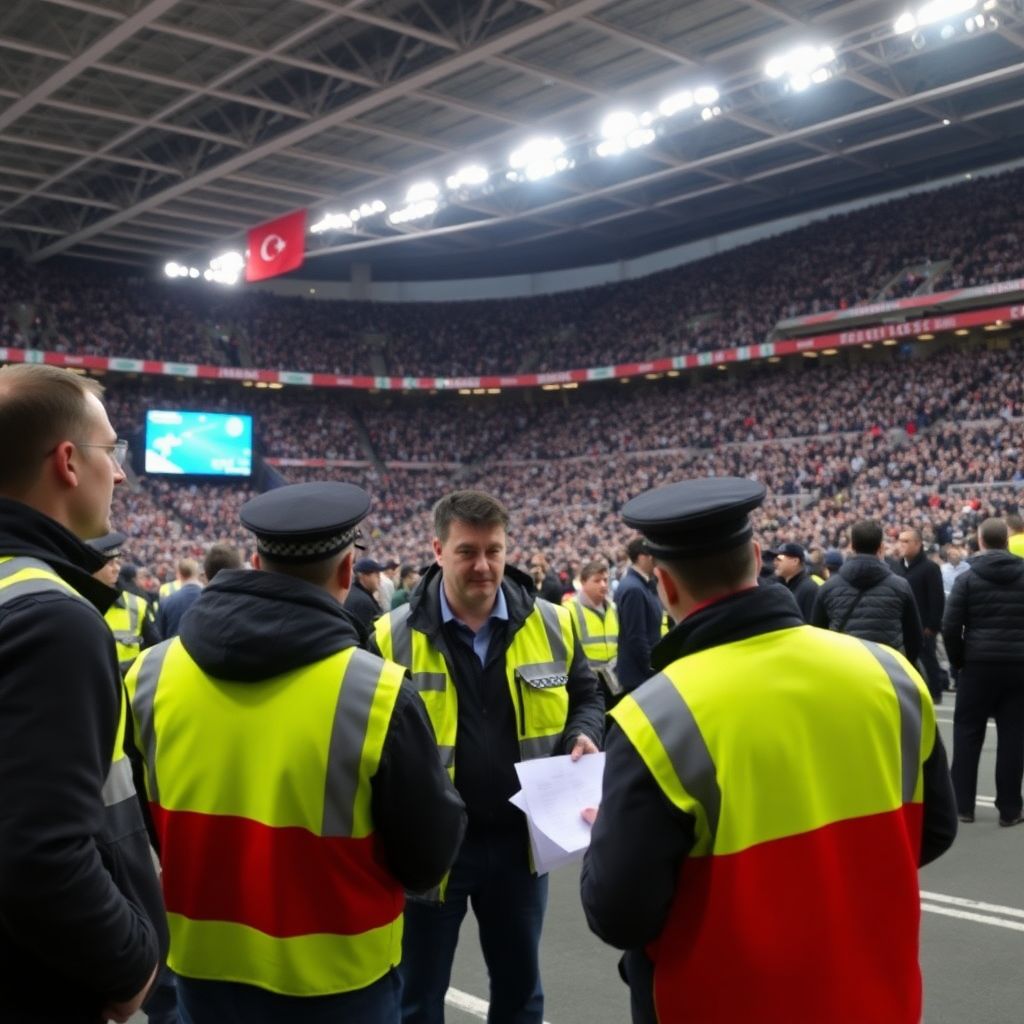
To run major sports events in Turkey safely and impressively, you need early coordination with venue, city authorities, police, and technical providers. Map venue access, design transport and security plans, test power and connectivity, and rehearse emergency and medical protocols. Use measurable timelines, clear role ownership, and Turkey-specific vendor options.
Operational Snapshot: Critical Preparations
- Lock event date, venue, and match schedule with federation and stadium at least three to six months ahead.
- Secure written approvals from municipality, police, and fire authorities before ticket sales go live.
- Freeze site layout, access routes, and load-in plan no later than T-60 days.
- Confirm transport, team accommodation, and VIP logistics with contracted suppliers by T-45 days.
- Finalize security plan, staffing, and screening equipment with sports event security services Turkey wide by T-30 days.
- Execute full technical and power test, plus medical and evacuation drill, in the venue at least one week before the event.
- Set up real-time command structure (venue control room) with clear decision-making hierarchy on match day.
Venue Logistics: Site Layout, Access Routes, and Load-In/Out
Detailed venue logistics planning is essential for international matches, European competitions, and large domestic derbies in Istanbul, Ankara, and Izmir. It suits organisers working with a stadium or arena that already has basic infrastructure and an experienced operations team.
It is not ideal to attempt a complex build if you are working with a temporary venue, have limited control over surrounding roads or parking, or lack support from a sports event management company Turkey based with local permitting experience.
- T-90 to T-60 days – Site survey (Venue Operations Lead): Walk all stands, concourses, VIP areas, media zones, and service corridors. Mark all potential bottlenecks, emergency exits, and loading bays.
- Access zoning plan (Safety Officer + Stadium Manager): Define and colour-code zones for players, officials, media, VIPs, general spectators, and staff. Produce a one-page access map for every stakeholder group.
- Vehicle and bus routes (Traffic Coordinator): Agree dedicated entry and exit routes for team buses, OB vans, and deliveries with the municipality traffic department and police.
- Load-in schedule (Production Manager): Build a slot-based timetable for staging, LED, catering, retail, and broadcast using the fewest possible overlapping movements.
- Back-of-house allocation (Logistics Manager): Assign secure rooms for doping control, referees, VAR, broadcast, storage, and staff breaks. Label doors and corridors clearly in Turkish and English.
- Signage and wayfinding (Event Designer): Order durable, weather-proof signage for gates, blocks, toilets, prayer rooms, first aid, and exits. Include gate numbers on all turkey football match tickets 2025 artwork.
- Load-out and reinstatement (Venue Ops + Cleaning Lead): Pre-plan dismantling sequence and handover criteria, including pitch protection removal and waste removal deadlines.
Transport and Accommodation: Managing Teams, Officials, and Fans
Transport and accommodation in Turkey must account for city traffic, limited parking near central stadiums, and fluctuating hotel availability, especially in Istanbul and coastal cities during holiday seasons.
- Stakeholder matrix (Logistics Coordinator, T-90 days): List teams, referees, VIPs, media, staff, and fan groups with expected arrival/departure windows and special needs.
- Hotel contracting (Accommodation Manager, T-75 days): Hold room blocks near venue or main transport hubs. For international matches, coordinate with team liaison officers for federation-approved hotels.
- Team and officials’ transport (Team Liaison, T-60 days): Secure dedicated buses, backup vehicles, and police escort procedures if required by authorities.
- Fan travel guidance (Communications Lead, T-45 days): Publish clear instructions on metro, Marmaray, tram, ferries, and park-and-ride options on your website and ticketing pages where fans buy tickets major sports events Istanbul wide.
- Parking allocation (Venue Ops, T-30 days): Allocate separate, clearly signed parking for teams, VIPs, media, staff, and limited disabled spectators; coordinate with municipal police for street closures.
- Corporate hospitality flows (Hospitality Manager, T-30 days): For corporate hospitality packages sports events Turkey organisers sell, define dedicated drop-off points, reception desks, and guided walking routes to lounges and seats.
- Contingency for disruptions (Risk Manager, T-21 days): Prepare alternative routes and buffer times for known risk periods such as rush hours, demonstrations, or bad weather forecasts.
Security Architecture: Threat Assessment, Access Control, and Screening
Before detailing the step-by-step security process, confirm these preparation items:
- Nominate a single Security Director with authority over all guards and screening decisions.
- Secure written coordination protocol with local police and, where applicable, gendarmerie.
- Confirm maximum capacity and sector allocations with stadium management.
- Book screening equipment (walk-through metal detectors, handhelds) and ensure adequate power.
- Align prohibited items list with local law and federation regulations.
-
Conduct a structured threat and risk assessment
Security Director and Risk Manager review historical incidents, rivalry intensity, VIP presence, and political context for the fixture.
- Meet police intelligence officers to align on current risk level.
- Classify match risk (low/medium/high) and document assumptions.
-
Design the security perimeter and checkpoint layout
Draw three rings: outer (public space), middle (ticket check and search), and inner (stadium entrances and internal sectors).
- Place first ticket inspection and bag search in the middle ring to reduce pressure at turnstiles.
- Ensure emergency vehicles can bypass all checkpoints at any time.
-
Define access control rules and credentials
Map who can enter which zones and at what times: players, officials, media, staff, VIPs, contractors, and deliveries.
- Create colour-coded accreditation badges that match your zone map.
- Train guards to challenge anyone without visible accreditation in restricted zones.
-
Plan screening procedures for spectators and staff
In cooperation with sports event security services Turkey based providers, establish consistent pat-down and bag-check protocols.
- Set separate lanes for families, VIPs, and away supporters where appropriate.
- Post clear signage showing prohibited items in Turkish and English before queues form.
-
Staffing levels and deployment schedule
Calculate guard numbers per gate based on expected peak flow and opening times.
- Open gates early enough to spread arrivals, especially for high-risk derbies.
- Position supervisors at each critical junction and sector separation line.
-
Establish command, communication, and escalation paths
Set up a central control room with CCTV, radio base, and direct lines to police, medical, and fire services.
- Agree radio call signs, plain language, and channel allocation before match day.
- Define who can order gate closures, sector isolation, or evacuation.
-
Run a pre-event security and steward briefing
On match day or the day before, gather all supervisors and brief them on risks, procedures, and communication rules.
- Walk key routes physically: away fans’ path, VIP arrival line, and emergency exits.
- Remind all staff of respectful, non-confrontational behaviour towards spectators.
Crowd Management and Spectator Flow: Ticketing, Seating, and Queues
Use this checklist to validate that spectator handling is ready and safe:
- All ticket categories, blocks, and gates match exactly between ticketing system, printed/QR tickets, and stadium signage.
- Gate opening times are published with turkey football match tickets 2025 confirmation emails and on official channels.
- Away fans have a clearly separated route, holding area, and sector with its own toilets and concessions.
- Turnstiles and handheld scanners are tested with live data at least once before event day.
- Stewards are assigned per block with clear briefs for seating assistance and basic conflict de-escalation.
- Queuing areas outside gates are physically organised using barriers, with space left for emergency vehicles and pedestrian crossing.
- Alcohol and pyrotechnic policies are visible on websites and local signage, and staff know enforcement steps.
- Accessible seating, ramps, lifts, and toilets are mapped and communicated to disabled spectators in advance.
- Post-event egress routes are protected from vehicle traffic and, where needed, staggered by sector release.
- A simple lost-children and lost-persons procedure is briefed to all staff, with a single reunification point.
Technical Production and Broadcast: Power, Connectivity, and Stagecraft
Common pitfalls in Turkey’s major stadiums and arenas often relate to overconfidence in existing infrastructure and underestimating peak load or redundancy needs. Use this list to avoid recurring mistakes:
- No true power redundancy: Relying only on venue mains without tested generators and UPS for critical systems like lighting, PA, and broadcast.
- Late coordination with broadcasters: Inviting TV crews without pre-agreed camera positions, cable routes, and commentary positions.
- Underestimating connectivity demand: Ignoring high data usage from media, VAR, and spectator devices; not coordinating with major telecom operators for temporary boosts.
- Clashing show elements with sporting protocol: Planning pyrotechnics, light shows, or live music that conflict with federation timing or safety rules.
- Poor sightline checks: Installing stages, LED trucks, or hospitality decks that block spectator or camera views.
- Incomplete audio coverage: Failing to test PA intelligibility in concourses, toilets, and exterior queuing areas, which are critical for safety messages.
- No rehearsal of ceremony cues: Skipping full run-throughs for opening ceremonies, anthems, and trophy presentations with timing synchronized to broadcasters.
- Unmanaged cabling and trip hazards: Allowing exposed runs across walkways rather than using cable ramps, overhead rigging, or alternative routes.
Emergency Response and Medical Readiness: Protocols and Drills
There are several structured ways to organise medical and emergency response, depending on event scale and budget. These alternatives can be mixed, but choose one as your backbone and adapt carefully.
-
Venue-led model with reinforced in-house team:
Use the stadium’s existing medical and safety structure, supplemented by additional doctors, paramedics, and stewards for larger crowds. Suitable for domestic league matches and smaller cups where venue staff already know local procedures. -
Integrated city services command:
Build a joint operations plan where ambulance service, local hospitals, fire brigade, police, and venue control room operate under one unified incident command. Appropriate for high-risk derbies and international matches in major cities. -
Specialist contractor-led medical operations:
Contract a dedicated event medical provider to design, staff, and run all first-aid points, response teams, and on-site clinics. Works well when you lack internal experience or when federations require a minimum medical standard with documented protocols. -
Hybrid model for multi-venue tournaments:
For tournaments or multi-day events across several cities, set central standards and guidelines, then let each venue choose venue-led or contractor-led delivery under a shared reporting and audit structure.
Organiser Questions: Rapid Answers
When should I involve local authorities for a major sports event in Turkey?
Engage municipality, police, and emergency services as soon as a venue and provisional date are agreed. For higher-risk football matches, coordinate formal planning meetings several months in advance to align on capacity, routes, and security expectations.
Do I need a local agency or can I run everything from abroad?
You can run strategic planning from abroad, but a local sports event management company Turkey based, or at least a strong local operations lead, is highly recommended to handle permits, vendor negotiations, and cultural nuances.
How early should ticket sales start for big matches in Istanbul?
Start only after safety and capacity plans are approved and ticket categories are locked with the venue. Ensure that your ticketing partner can handle high demand when fans rush to buy tickets major sports events Istanbul wide.
What documentation is critical for security and safety compliance?
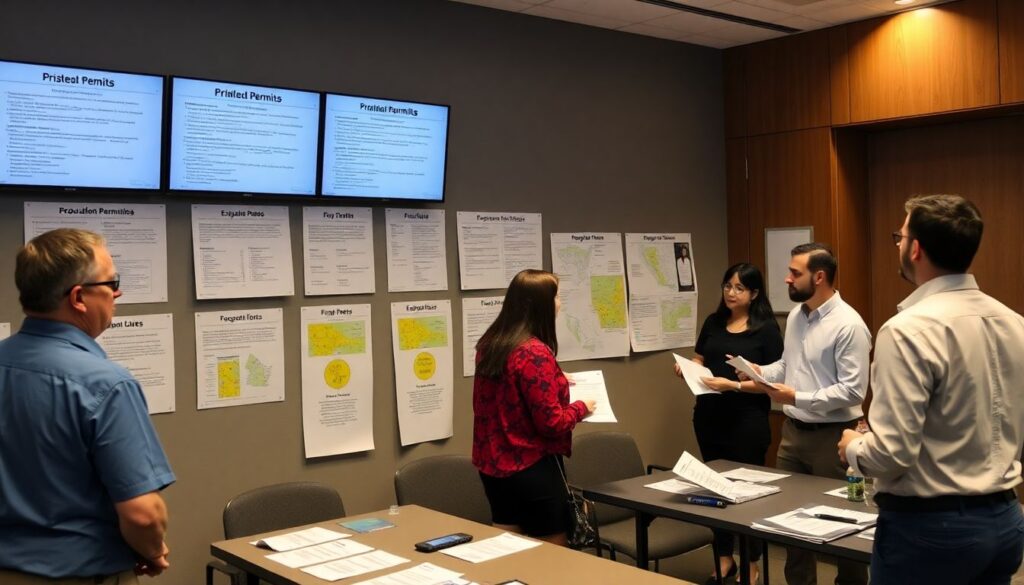
Maintain written risk assessments, security and stewarding plans, medical and evacuation procedures, venue capacity certificates, and all permits or approvals from local authorities. Keep copies in the control room and share summaries with key stakeholders.
How can I make corporate hospitality run smoothly?
Design separate arrival, check-in, catering, and seating flows for VIPs and sponsors. Coordinate with catering, security, and ticketing teams so that corporate hospitality packages sports events Turkey offers are clearly signposted and adequately staffed.
What is the minimum rehearsal I should run before match day?
At a minimum, run a technical test for power, PA, and connectivity, plus a table-top exercise for emergency scenarios with key decision-makers. For larger events, add a partial or full rehearsal for ceremonies and team movements.
How do I choose between different medical operation models?
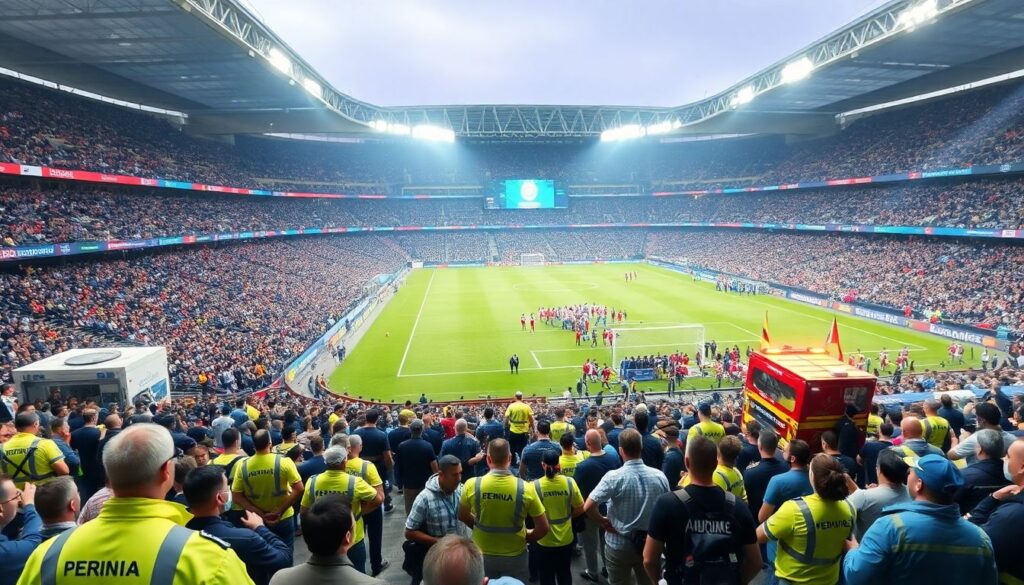
Base your choice on crowd size, risk profile, venue capabilities, and budget. For high-risk or international matches, favour integrated city services or specialist contractor models to guarantee robust clinical coverage.