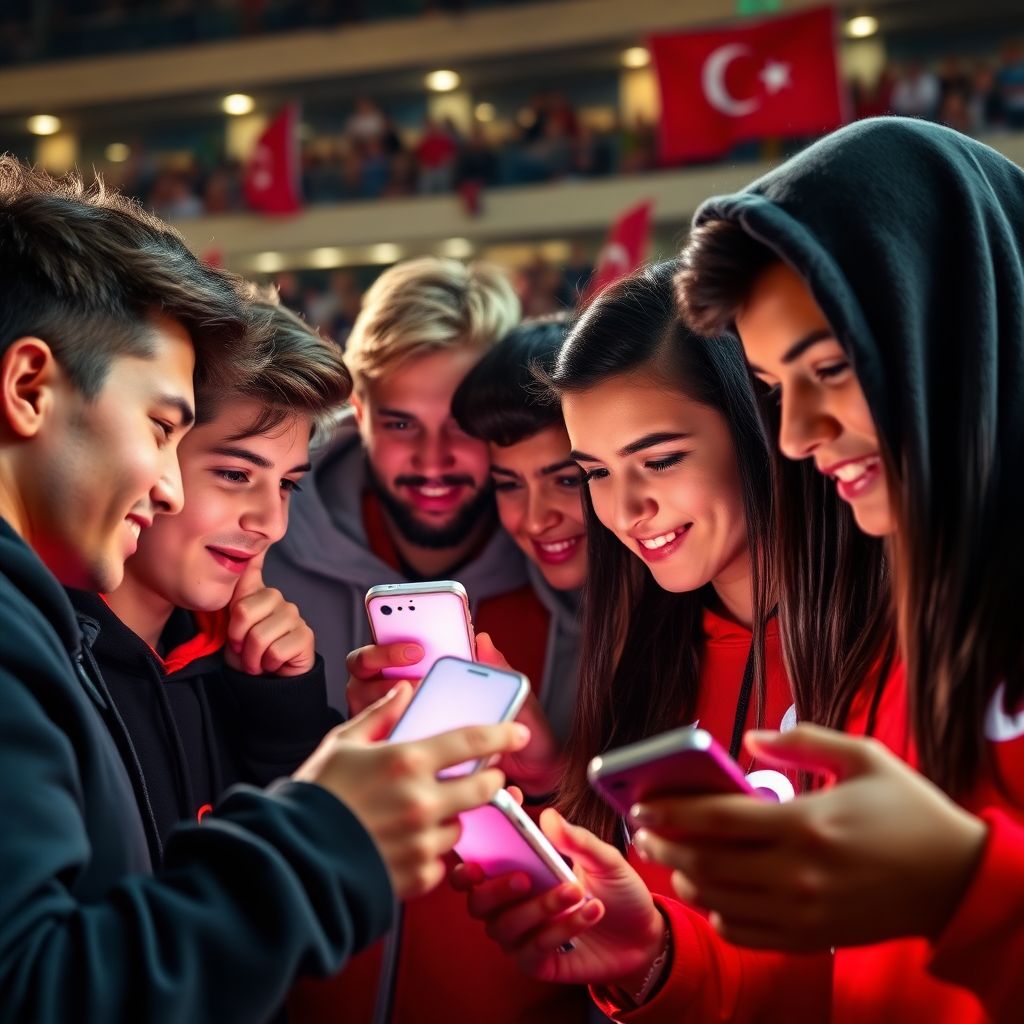
Social media is shifting sports fandom from passive watching to constant, two-way interaction. Turkish and global fans now follow matches through live clips, memes, influencer commentary and sports streaming platforms, not just TV. This creates always-on fan communities, direct-to-fan revenue, faster crises, and new power for clubs, athletes and creators.
Core shifts in fan behavior driven by social platforms
- From 90‑minute match focus to 24/7 micro-moments: clips, memes, chats and live rooms before, during and after games.
- From local fan groups to global online communities mixing supporters from Istanbul, Europe, the Middle East and beyond.
- From one-way TV commentary to direct interaction with athletes, clubs and independent creators.
- From formal news to real-time updates via best apps for live sports scores, fan accounts and insiders.
- From only stadium and TV monetization to digital models: memberships, creator content, and social-led ticketing and merch.
- From club-controlled narratives to fan-driven storylines, with higher reputational and moderation risks.
Myths about social media’s influence on sports fandom – debunked

Social media’s impact on fandom is often misunderstood. It does not simply “steal attention” from stadiums or TV; it rewires how, when and where fans engage. Instead of replacing traditional fandom in Turkey and worldwide, it layers new behaviors on top of old habits.
Myth 1: “Real fans only go to the stadium; online fans are plastic.” In reality, for many young supporters in Turkey, digital is the main entry point: they first meet a club through YouTube compilations, TikTok edits or live football streaming Turkey services, and then upgrade into match attenders, members or paying subscribers.
Myth 2: “Social media kills loyalty; people just follow star players.” Loyalty is fragmenting, not dying. A fan can be a lifelong Galatasaray supporter and still follow international stars, foreign clubs and meme pages. For marketers, this means planning journeys that accept multi-club attention instead of trying to enforce exclusivity.
Myth 3: “Content is everything; tactics and results matter less now.” Performance still drives the spikes: derby wins, signings and controversies. Social media amplifies those moments but cannot sustain interest without real competition. Clubs, leagues and even a social media sports marketing agency must align digital calendars with the actual football calendar, not treat them separately.
How online communities redefine fan identity in Turkey and beyond
Online communities turn fandom into a daily social habit rather than a once-a-week broadcast event. For Turkish clubs and global brands, the practical question is: how do you design spaces where fans want to come back every day?
-
From neighborhood groups to platform-based tribes.
WhatsApp groups, Discord servers and Twitter/X lists replace the old kahvehane for match talk. Fans in Ankara, Berlin and Dubai can now debate lineups together, which makes fan identity less local but more intense. -
Fan roles diversify inside communities.
Some members create tactical threads, others produce memes, others organize away trips or coordinate choreography. Smart clubs identify these roles and quietly support them with early info, visuals or access. -
Cross-border identities become normal.
Turkish fans follow European and South American clubs through sports streaming platforms and multilingual social accounts. This hybrid identity changes expectations: they compare Turkish club content with global best practices, pushing everyone’s quality up. -
Micro-communities form around niches.
Women’s football, youth teams, futsal and even data-analytics fandoms gather in separate channels. Instead of one generic “fan page”, build dedicated spaces and content for these verticals to make fans feel seen. -
Community feedback loops shape decisions.
Ticket pricing, stadium music, merchandising and even transfer narratives are now debated in public. Clubs that listen and explain their reasoning earn trust; clubs that ignore online communities face organized boycotts or negative campaigns. -
Creators act as informal community leaders.
Independent podcasts, YouTubers and Twitter/X analysts often have more credibility than official channels. Partner with them early, invite them to training or press events, and align on community standards rather than trying to control them.
New engagement formats: short video, live streaming, and meme culture
Attention is shifting from long, polished content to fast, native formats. To keep up, think in “formats first”, not “platforms first”. Below are typical scenarios and concrete moves you can make.
-
Short vertical video for daily touchpoints.
Use 10-30 second clips for goals, skills, reactions and behind-the-scenes snippets. Optimize them for TikTok, Instagram Reels and YouTube Shorts. Add local flavor for Turkey (chants, stadium sounds, commentary) so they travel beyond your own followers. -
Live streaming to extend matchday.
Even when rights restrict in-game footage, you can host pre-match and post-match live streams with ex-players, creators and fans. Coordinate with sports streaming platforms where possible, and use watch-along formats on YouTube or Twitch to capture second-screen audiences. -
Meme culture to humanize the brand.
Memes, reaction images and humorous quotes help clubs and players feel closer to fans, but they must respect rivals and avoid political or social triggers. Build a lightweight “red line” list so your social team knows what is off-limits in Turkish and global contexts. -
Second-screen experiences during matches.
Many fans follow games via TV plus best apps for live sports scores. Complement that with live text commentary, polls, tactical explainers and fan Q&A on Twitter/X, Instagram Stories or YouTube Community posts to keep them in your ecosystem. -
Story-based series and recurring shows.
Weekly series (“Training Ground Tuesday”, “Tactics Lab”, “Away Day Diaries”) create habits. They also offer consistent inventory for sponsors, making it easier to sell integrated packages than one-off posts. -
Player-driven formats.
Let athletes run occasional takeovers, Q&As or watch parties on club channels. Provide simple guidelines, but keep it loose enough that their personality shines; this is the main reason fans tune in at all.
Direct-to-fan economics: monetization, ticketing and creator revenue
Digital fandom only becomes sustainable when it turns into direct value. In Turkey and worldwide, that means connecting audience, data and payments without always relying on intermediaries like TV broadcasters or big tech platforms.
Advantages of direct-to-fan models
- Higher margins and control. Selling tickets, memberships or experiences straight to fans reduces dependency on third parties and allows you to bundle products creatively (e.g., match tickets plus digital content access).
- Stronger data for decision-making. Owning email lists, app logins and purchase history lets clubs predict demand, adjust pricing and test offers in specific cities or age groups.
- New digital inventory. Exclusive behind-the-scenes series, tactical breakdowns, archived matches and meet-and-greet streams can be sold as subscriptions or one-offs.
- Creator partnerships that actually pay. Instead of just sending free shirts, share revenue from affiliate links to buy sports fan merchandise online or from co-branded live shows.
- Global reach for Turkish properties. Diaspora fans can join paid communities, buy digital collectibles or get priority access to away tickets without being in the country.
Constraints and challenges to watch
- Platform dependency risk. When your whole model sits on one social network, any algorithm change or ban can hit revenue overnight. Always keep a route back to owned channels such as apps, email and websites.
- Fragmented payment habits. Not all fans are comfortable with subscriptions or international cards. Offer local methods, installments where legal, and lower-priced digital-only options.
- Rights and territory limits. For live sport, broadcasting rights restrict what you can sell directly. Coordinate with rights holders for add-on products (alternate commentary, behind-the-scenes, fan cams) rather than copying the core TV product.
- Creator burnout and fairness. Top creators around big clubs may feel exploited if all value flows to the club. Publish clear revenue-share structures and give them non-monetary benefits like access or co-branding.
- Operational complexity. Handling support tickets, refunds and fraud checks is harder than selling sponsorship logos. Start narrow (one membership or digital pass) and expand step by step.
Club, athlete and league strategies for platform-native fan growth

Growth on social platforms is not just “post more content”. It requires clear roles, realistic expectations and good partners. Avoid these common mistakes and myths that slow Turkish and global sports brands down.
-
Believing that follower count equals business impact.
Massive vanity metrics without ticket sales, merch or sponsor uplift are distracting. Tie every major content initiative to one of three goals: sell (tickets, memberships, merch), engage (retention, time spent) or protect (reputation, crisis response). -
Copy-pasting European club strategies without localization.
What works for a Premier League giant may fail for Anatolian clubs. Translate not just language but culture: local slang, fan chants, music and rivalries. Use social listening to see how your own fans actually talk. -
Underusing specialized partners.
Many rights holders try to do everything in-house but lack creative and data skills. A good social media sports marketing agency can handle campaign design, creator outreach and performance reporting while the club focuses on access and approvals. -
Ignoring mobile-first behavior.
Fans discover you via TikTok, Instagram and sports streaming platforms on phones, not desktop sites. Design content that makes sense muted, in vertical format and in the first two seconds, then connect it to a frictionless mobile purchase or signup flow. -
Slow crisis and rumor management.
Transfer speculation, disciplinary news and boardroom politics move fast. Prepare pre-approved response templates and escalation paths so you can reply within minutes instead of hours when narratives go wrong. -
Leaving athletes alone to “figure it out”.
Players are personal media brands. Provide training, basic content kits, and simple rules (what not to post) plus a support contact. Align their channels with club or league campaigns instead of treating them as a risk.
Privacy, moderation and regulatory risks shaping modern fandom
As fan interaction moves online, legal and ethical risks grow. Turkish and global stakeholders must balance openness with protection, especially for minors and vulnerable groups. Here is a concise case-style illustration to guide practical decisions.
Mini-case: Moderating a heated derby live chat
Imagine a Süper Lig club hosting a YouTube watch-along for a high-tension derby. The stream includes influencers, ex-players and a live chat open to all subscribers. Attendance skyrockets, but so do insults, match-fixing accusations and targeted harassment of players and referees.
- The club sets three visible rules before the stream: no hate speech, no doxxing, no threats of violence.
- They assign two moderators plus a simple “escalation ladder”: time-out → temporary ban → permanent ban, depending on offense.
- They use slow-mode and keyword filters (slurs, personal data markers) to reduce toxic content before it appears.
- For serious threats, they screenshot, store timestamps and cooperate with platform safety teams and, if needed, Turkish authorities.
- After the match, they publish a short recap statement summarizing fan sentiment but also reminding everyone of community standards and legal boundaries.
This type of light but clear governance is now part of core fan strategy, not a side issue. The same logic applies to handling personal data for ticketing, apps, and campaigns to buy sports fan merchandise online, which must respect privacy laws and platform rules.
Concise practical answers about evolving fan interaction
How exactly is social media changing day-to-day fan habits?
Fans now follow clubs continuously, not just on matchday. They watch clips, join debates, follow creators and use best apps for live sports scores alongside live football streaming Turkey broadcasts. This creates many more touchpoints to inform, sell and manage reputation.
What should Turkish clubs prioritize first: more content or better data?
Start with better data, then scale content. Ensure ticketing, membership, app and newsletter systems capture consented data you can actually use. Only then invest heavily in content that directs people towards those owned channels.
How can smaller clubs compete with global giants on social media?
Focus on authenticity and access, not production budget. Show real dressing-room moments, training-ground stories and local culture. Partner with niche creators and use targeted ads around your city rather than trying to win global reach contests.
Where do streaming and TV fit with social platforms?
TV and sports streaming platforms still host the main match experience, while social media handles discovery, conversation and extra value. Use pre- and post-game shows, fan cams and watch-alongs to link broadcasts with ongoing community activity.
How can athletes safely grow their own brands online?
Define a simple content lane (training, lifestyle, community work), agree on do-not-post topics, and coordinate major announcements with clubs and agents. Use a small team or agency for editing and scheduling so players can focus on performance.
What practical steps help convert engagement into revenue?
Create clear paths from content to action: trackable links for tickets, bundles with merch, members-only digital content and referral codes for creators. Test small, measure which posts drive real sales, then double down on those formats.
When should a club or league bring in a marketing agency?
Bring in a social media sports marketing agency when internal teams lack time, creative capacity or analytics skills. Keep strategy and final approvals in-house, but outsource campaign execution, creator coordination and performance optimization.