From Quiet Outsider to Confident Contender
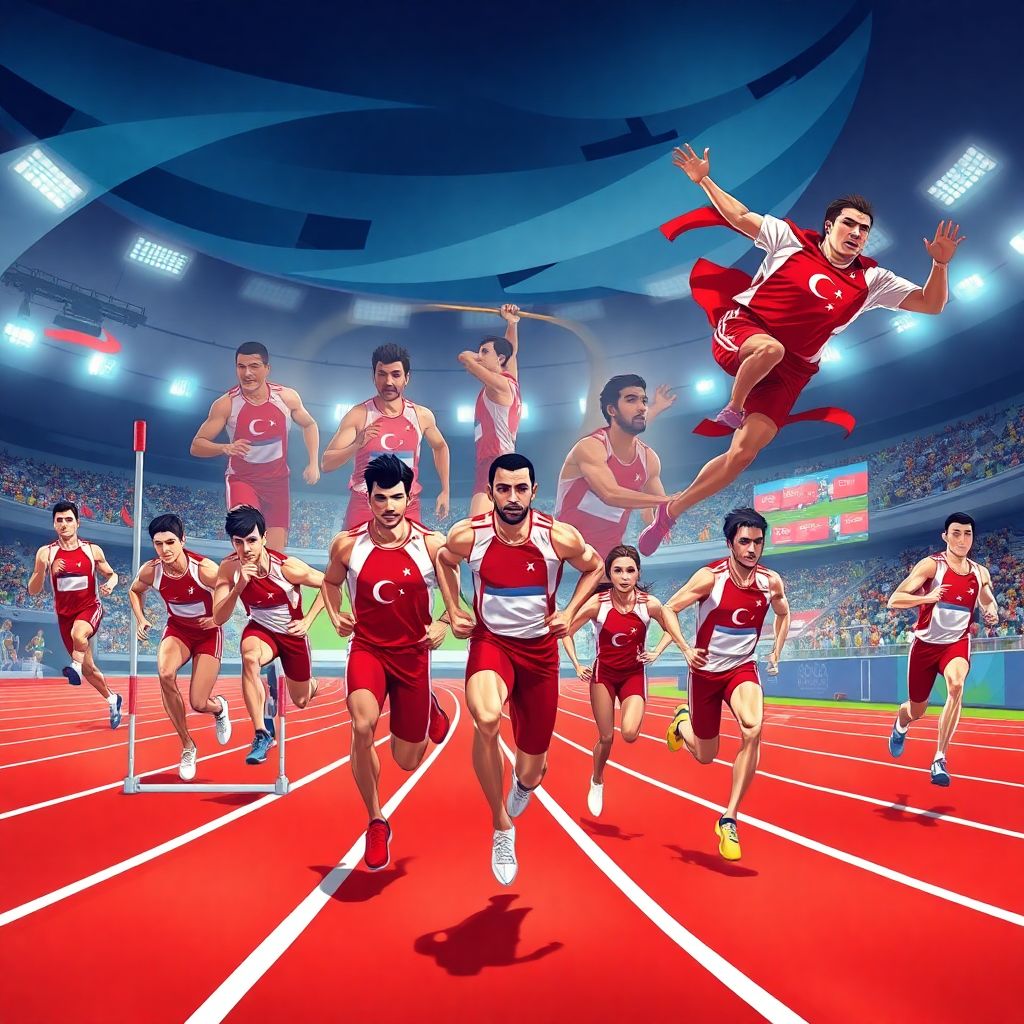
If you look at world athletics in 2026, Turkey is no longer that “occasional finalist” country it used to be. Over the last fifteen–двадцать years Turkish track and field has slipped out of the shadows, built real depth, and started to put athletes into global conversations, not just lanes. This rise didn’t happen overnight: it’s the result of patient investment, smarter coaching, and a new generation that grew up believing a Turkish sprinter, jumper or thrower can line up next to anyone and actually fight for medals instead of just “gaining experience”. When people talk about Turkish athletics stars 2025, they’re not joking around; they’re reacting to a genuine shift that has been building since the late 2000s and is finally visible on Diamond League podiums, at junior championships and in Olympic heats that now routinely feature Turkish vests in the middle rather than on the outside.
How We Got Here: A Short, Honest History
Back in the 1990s and early 2000s, Turkey’s track and field story was largely about isolated talents and middle‑distance flashes. Names like Süreyya Ayhan showed what was possible, but there wasn’t a coherent system behind them, and the sport struggled with inconsistency and, at times, doping scandals that damaged trust. The federation often focused more on participation than performance, and facilities outside a few big cities lagged behind Europe. The turning point came in the mid‑2010s, when a more systematic approach emerged: modern tracks spread into regional centers, foreign coaches arrived, high‑performance camps were set up, and Turkish athletes began to appear regularly in European finals. The rise of sprinter Ramil Guliyev, who became world champion over 200 m in 2017, and hurdler Yasmani Copello, an Olympic 400 m hurdles medalist, gave young athletes visible proof that a Turkish vest could win on the biggest stages. From there, the mindset quietly changed: instead of dreaming only about football, kids started to picture starting blocks, sand pits and throwing circles as gateways to real careers.
Inspiring Examples: Faces of the New Turkish Athletics
Sprinters, Hurdlers and the New Speed Culture
The old stereotype said that Turks were “built for wrestling, not sprinting”. That idea looks pretty outdated in 2026. Guliyev broke the mental barrier, but the real story now is the breadth of up and coming Turkish sprinters and runners who are coming through the junior and U23 levels with solid, clean progressions rather than one‑off miracle seasons. You see 100 m and 200 m specialists regularly dipping under historical national records, relay teams rehearsing baton changes like clockwork, and hurdlers who can hold technique through the final barriers instead of fading under pressure. For young sprinters watching international meets on TV, the sight of a Turkish jersey in an outside lane is no longer a surprise; it’s almost expected. That visibility matters: it tells every teenager on a dusty school track that their stride pattern or block start could actually carry them into the global mix if they persist and plug into the right training group.
Jumpers and Throwers Building a Technical Legacy
If you want to see how much the technical side of Turkish athletics has matured, look at the jumps and throws. Athletes like Tuğba Danışmaz in the triple jump and Eda Tuğsuz in the javelin have shown that Turkey can produce technically refined, mentally strong competitors who stand up in European and world finals. Instead of relying on raw power, new‑generation coaches emphasize biomechanics, video analysis and careful periodization; they treat a long‑jump board or javelin runway like a lab. This has led to a wave of national records and, more importantly, to stability: Turkish jumpers now appear consistently in qualification rounds, not just sporadically when everything aligns. For younger athletes, these role models demystify the idea that “technical events are for other nations”. When you see the best Turkish track and field athletes calmly executing in big stadiums, you begin to believe that the same discipline—perfecting your approach, your take‑off angle, your hip position on landing—can carry you beyond local meets and into a profession.
Middle‑ and Long‑Distance Toughness
On the distance side, Turkish athletics has leaned on a long tradition of endurance sports, but it has gradually modernized its approach. High‑altitude camps in Eastern Anatolia and abroad, smarter nutrition plans and more data‑driven training have replaced the old “just run more kilometers” mentality. Athletes who once might have disappeared after a promising junior season are now being guided through sensible step‑ups in volume and intensity. Even without predicting specific results, you can already sense that Turkish distance runners are no longer intimidated by East African and European powerhouses; they plan their races, respond to surges and show resilience in championship heats. For young runners, the lesson is simple: toughness is good, but toughness plus smart planning is what allows you to finish your last lap fast and keep improving season after season, instead of burning out by your early twenties.
Olympic Spotlight: From Long Shots to Realistic Threats
Paris 2024 as a Psychological Breakthrough
By the time Paris arrived, the narrative around Turkey had already changed. Pundits who once ignored the country began to include it in previews, and conversations about Turkey athletics team Paris 2024 odds circulated not just among fans but also in betting markets and expert panels. Regardless of what the final medal table showed, the key psychological shift was that Turkish athletes were spoken about as potential finalists and dark‑horse medalists across multiple events, not just in one or two specialties. That kind of respect affects everything: sponsors take more interest, federations feel justified investing in long‑term projects, and young athletes see the Olympic Games as a realistic target rather than a distant fantasy. Watching Turkish Olympic athletes to watch this season highlighted on international broadcasts—interviews, warm‑up shots, pre‑race graphics—quietly rewires the mind of an entire generation following along from living rooms and training camps across the country.
Building on 2025: Momentum into 2026 and Beyond
The 2025 season, with its world and continental championships, served as a bridge between the Paris cycle and whatever comes next. Media coverage around Turkish athletics stars 2025 focused less on “one‑off miracles” and more on continuity: could the same athletes return to finals, improve personal bests, and stay healthy? That focus on sustainability is exactly what a maturing system needs. In 2026, the conversation is less about proving that Turkey belongs and more about sharpening the details: perfecting relay chemistry, developing a deeper bench in technical events, and ensuring that promising juniors are not rushed too fast. For anyone entering the sport now, this is a valuable moment: you’re stepping into a structure that already believes in its own potential, but still has enough room for new names to write the next chapter.
Practical Lessons: What Athletes and Coaches Can Learn
Five Actionable Principles from Turkey’s Rise
1. Build systems, not heroes.
The early Turkish breakthroughs were mostly about individuals, but sustained progress came when clubs, universities and regional centers started working together. If you’re a coach or club official, don’t just chase the next prodigy; build a pathway with clear development steps from youth to elite level, so every talented kid knows what comes next and doesn’t vanish after one good season.
2. Invest in coaching education first.
Shiny tracks and gyms help, but what really changed outcomes was the quality of coaching. Turkey brought in experienced foreign specialists, sent local coaches to study abroad, and encouraged knowledge‑sharing workshops instead of keeping methods secret. If you want real progress, prioritize certifications, mentorship and constant learning for coaches; a well‑educated coach can turn any basic facility into a high‑performance environment over time.
3. Normalize international exposure early.
A big factor in the confidence of up and coming Turkish sprinters and runners has been early exposure to European youth competitions and training camps abroad. Racing against stronger opponents at 16 or 17 teaches pacing, tactics and mental resilience long before the senior stage. If you manage a program, allocate budget for at least a few international meets each year; the experience often matters more than another local medal.
4. Treat data and recovery as non‑negotiable.
The newer generation of the best Turkish track and field athletes uses GPS, lactate tests, jump metrics and sleep tracking not as fancy add‑ons, but as standard tools. Equally important, they schedule recovery blocks, physiotherapy and mental‑skills sessions as firmly as hard workouts. If you’re an athlete, start tracking your training load, wellness and sleep, and be willing to adjust; improvement over multiple seasons always beats a single unsustainable peak.
5. Tell your stories—locally and globally.
One subtle reason Turkish athletics has risen is that athletes and clubs have become more visible on social media, in local news and on streaming broadcasts. That visibility helps attract sponsors, draw kids into the sport and create pride around local heroes. As a coach or athlete, treat communication as part of your job: share your process, highlight your team, and show the behind‑the‑scenes work that makes performance possible. Authentic stories inspire the next wave more than any slogan ever could.
Successful Projects Driving the Transformation
High‑Performance Centers and Regional Hubs
One of the most effective strategies in Turkey’s rise has been the creation of dedicated high‑performance centers that act as magnets for talent and knowledge. These are not just fancier stadiums; they’re places where sports science labs, recovery facilities and specialist coaches all live under the same roof. Athletes can get biomechanical analysis in the morning, a strength session at midday and physiotherapy in the afternoon without leaving the complex. Around these hubs, smaller regional clubs plug into shared training camps, testing clinics and seminars. This networked model has raised the floor of performance: even athletes from modest backgrounds or remote areas can access top‑level expertise at key points in their development. If you’re designing a system in another country or region, this approach—central excellence connected to local passion—is a proven template.
School and University Integration
Another underrated success story has been the gradual integration of athletics into schools and universities. Instead of seeing track and field as a niche after‑school activity, more institutions now offer structured programs with qualified coaches, proper competition calendars and links to national championships. Student‑athletes can pursue degrees while training seriously, which reduces the pressure to “quit sport and get a real job” at 18 or 19. Scholarship schemes, shared facilities and collaboration between university labs and national‑team coaches have also improved testing, injury prevention and nutrition advice. This dual‑career model keeps more talented athletes in the sport long enough for them to reach their peak years, and it offers a safety net for those who don’t quite make it to the top, preserving their connection to athletics as future coaches, officials or administrators.
Club Reform and Professionalization
Traditional Turkish sports clubs, many of them anchored in football, used to treat athletics as a side project. Over the last decade, some have flipped that script by professionalizing their track and field sections: hiring performance directors, building year‑round support teams and setting measurable goals beyond just winning domestic titles. These clubs negotiate better competition schedules for their athletes, coordinate with national‑team coaches and maintain medical and support staff who understand long‑term development, not just short bursts of form. The result is a more stable environment where athletes aren’t left alone to manage over‑racing, travel logistics or sponsorships. For other organizations, the lesson is clear: treat athletics as a core property with its own strategy, and the performance dividends will follow.
How to Grow With the Wave: Recommendations for the Next Generation
For Young Athletes: Turning Inspiration into Daily Habits
Watching international finals and scrolling through clips of Turkish medal contenders is motivating, but what really changes your trajectory is what happens day after day on your local track. Start by clarifying your event focus early—sprints, jumps, throws, or distance—while still keeping some variety in your training at a young age. Seek out the most qualified coach you can reasonably access, not just the nearest one; a good technical eye in your teenage years can save you from injuries and bad habits later. Take ownership of the small details: warm‑ups, cooldowns, hydration, sleep and honest training logs. If you dream of joining the Turkey athletics team one day, remember that the athletes you admire didn’t just have talent; they built consistency. Treat every practice as another brick in a long wall rather than a random workout, and you’ll be surprised how much progress you can squeeze out of two or three focused years.
For Coaches: Coaching People, Not Just Techniques
As Turkish athletics grows, coaches are no longer just drill‑sergeants or stopwatch holders; they’re mentors, planners and sometimes even amateur psychologists. To truly contribute to this rise, stay curious: attend clinics, watch webinars, and study how top international programs structure their macrocycles and microcycles. But beyond the science, invest time in understanding your athletes as people—their school pressures, family situations, fears and motivations. The best coaches in Turkey’s new wave are the ones who know when to push and when to pull back, who can adjust a training plan after a bad exam week, or help an athlete reset mentally after a rough meet. Over time, that trust yields performances that rigid, one‑size‑fits‑all plans can never unlock.
For Parents and Supporters: Creating a Sustainable Environment
Parents often underestimate how much influence they have on an athlete’s long‑term development. Supporting a child in athletics is not about shouting split times from the stands or demanding medals; it’s about providing emotional stability, reasonable expectations and logistical help. Ask coaches how you can assist without interfering, make sure school and training schedules are balanced, and encourage your child to value process over immediate results. When the inevitable setbacks come—injuries, plateaus, failed qualification attempts—resist the urge to panic or push them to quit. Instead, frame those moments as normal parts of a long journey. In a country where sport is often equated with instant glory, that calm, patient approach can be the difference between a burned‑out 17‑year‑old and a mature 23‑year‑old ready to compete at European level.
Resources and Learning Paths for Future Champions
Where Athletes Can Learn Beyond the Track
In 2026, information is no longer the bottleneck; the challenge is choosing good sources and applying them wisely. Start with official federation channels, where you can access coaching manuals, competition calendars and anti‑doping education. Many of Turkey’s leading coaches and athletes now share training insights, recovery tips and race analyses on social media and in podcasts—follow them, but remember that what works for an elite 400 m hurdler peaking for a global final may not suit a 15‑year‑old just starting out. Look for online courses in strength and conditioning, sports nutrition and mental skills tailored to youth athletes. When possible, attend in‑person clinics and camps; a single weekend with a knowledgeable coach correcting your block starts or approach steps can save you months of trial and error.
Educational Tracks for Coaches and Practitioners
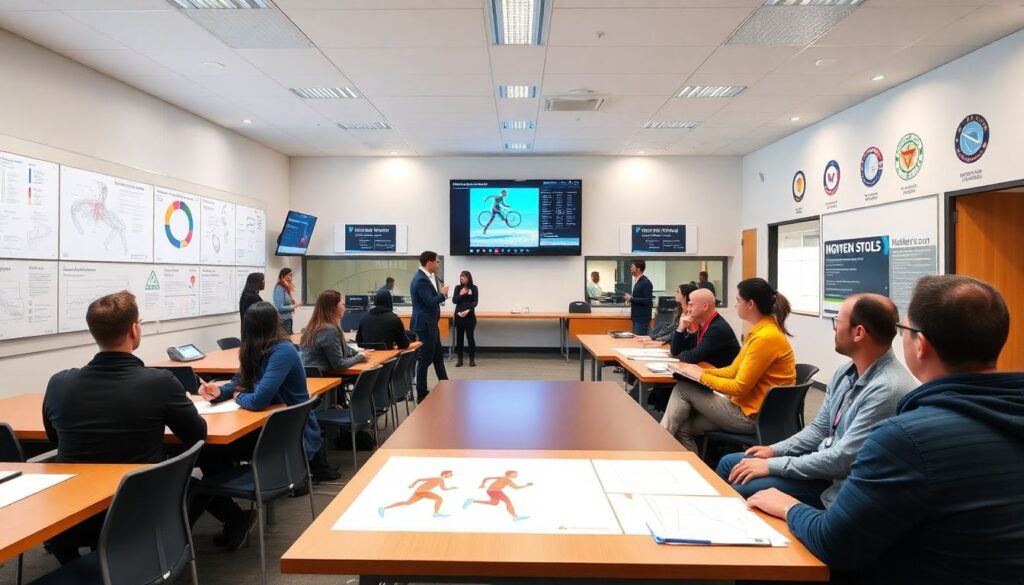
For coaches and support staff, the learning landscape is richer than ever. University programs in sports science, kinesiology and physiotherapy provide strong theoretical foundations, while federation licensing courses add practical layers specific to track and field. International governing bodies regularly publish free or low‑cost materials on everything from sprint mechanics to endurance periodization, which can be studied in your own time and then tested on the track. Collaboration is key: form local coaching circles where you can exchange training plans, discuss case studies of injured or plateaued athletes and even visit each other’s sessions. The more transparent you are about what works and what doesn’t, the faster the overall level will climb.
Staying Grounded While Aiming High
Finally, remember that the global rise of Turkish athletics is both an opportunity and a responsibility. The spotlight can create pressure to chase quick results, cut corners or compare yourself constantly with others. Resist that temptation. Use the success of today’s elite as evidence that long‑term, honest work pays off, not as a reason to skip steps. Whether you’re trying to break into a national relay pool, qualify for a continental championship, or simply become the best version of yourself, anchor your plans in health, education and integrity. If you do that, you’re not just riding the wave of Turkish athletics—you’re helping shape where it goes next, and you might just become one of the Turkish Olympic athletes to watch this season in whatever year your moment arrives.