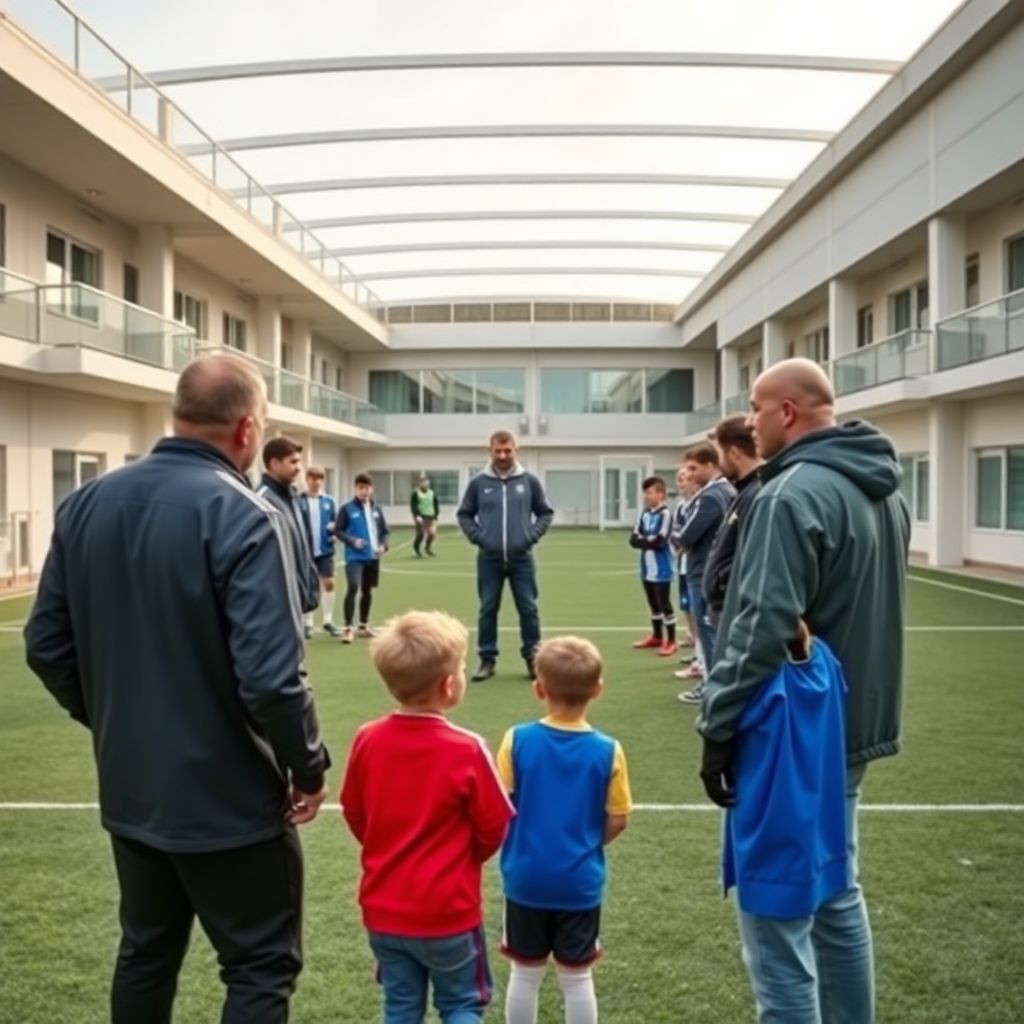
Turkish football academies are shifting from basic club schools to integrated performance ecosystems combining scouting, sports science, education and clear pro pathways. For coaches and parents in Turkey (and abroad), the priority is safe, age-appropriate development: structured training plans, injury prevention, transparent contracts and realistic options beyond elite professional careers.
Outcomes Driving Turkey’s Next Generation of Footballers
- Clearer pathways from grassroots to professional squads, including reserve teams, loans and structured Turkey football academy trials 2024.
- More consistent technical and tactical standards across regions, reducing gaps between big-city clubs and smaller provinces.
- Better integration of education, language and support services, especially in Turkish football academies for international students.
- Data-informed training loads, recovery and injury prevention, lowering overuse and long-term health risks.
- Stronger safeguarding, with written policies on playing time, transfers, contracts and parental involvement.
- Use of short, intensive professional soccer training camps in Turkey as safe testing grounds for players and coaches.
Evolution of Turkish Academy Models: From Local Clubs to Professional Centers
Modern Turkish academies have grown from loosely organized local clubs into structured performance centers linked to professional teams. This evolution affects how the best football academies in Turkey for youth players are designed and managed.
These systems are suitable when:
- You want a long-term pathway (5-10 years) from grassroots to professional or semi-professional football.
- The player can balance school commitments with training and travel demands.
- The academy has transparent selection criteria, documented schedules and clear communication with families.
- There is qualified staff for technical work, conditioning, psychological support and academic coordination.
They are not ideal when:
- Parents expect guaranteed professional contracts instead of development opportunities.
- Players are pushed into full-time training too early, harming school progress or mental health.
- Travel and accommodation costs create financial stress for the family.
- The academy cannot show written safeguarding, insurance and medical support policies.
For many families, a mixed model works best: local club participation, targeted Turkey football academy trials 2024, plus short professional soccer training camps in Turkey during school holidays.
Scouting and Recruitment: Metrics, Regional Networks and Untapped Talent Pools
Building a safe, effective academy pipeline begins with structured scouting and recruitment. Knowing how to join a football academy in Turkey starts with understanding what academies actually look for and what tools staff need.
Core requirements and tools for a robust, ethical scouting system include:
- Clear age profiles and positional needs
- Define age bands (e.g., U10, U12, U14, U16, U19) with position priorities rather than collecting random talents.
- Agree on minimum physical, technical and psychological indicators for each band.
- Standardized evaluation metrics
- Technical: first touch, passing accuracy, ball-striking, 1v1 ability (attack/defence).
- Tactical: spacing, awareness, decision speed, positioning in and out of possession.
- Physical: speed, agility, repeated efforts; safe, non-invasive tests overseen by medical staff.
- Mental: resilience, coachability, teamwork, basic self-control under pressure.
- Regional scouting networks
- Assign scouts to specific districts, school leagues and local tournaments, including rural areas.
- Partner with PE teachers and local clubs to identify late developers and multi-sport athletes.
- Use simple shared databases (spreadsheets or dedicated software) to log observations and follow-ups.
- Transparent trial processes
- Publish dates, locations and requirements for Turkey football academy trials 2024 well in advance.
- Limit daily trial loads to protect health: reasonable minutes per player, adequate warm-up and cool-down.
- Give written feedback or at least standardized result categories (selected, monitor, not selected).
- Policies for Turkish football academies for international students
- Clarify visa, residence, schooling and language expectations before selection.
- Provide translation for key documents (contracts, medical forms, school reports).
- Ensure extra safeguarding measures for minors living away from parents.
- Ethical safeguards in recruitment
- Written rules on agents, intermediaries and any financial relationships with families.
- No promises of professional contracts; focus communication on development and education.
- Age verification procedures to prevent abuse and unfair competition.
Coaching Frameworks: Technical Progressions and Tactical Education for Youth
Before implementing a detailed coaching framework, it is essential to understand key risks and how to reduce them:
- Overtraining and burnout: too many sessions or matches per week without rest slows progress and increases injury risk.
- Early specialization: forcing a position or one-footed play too early limits long-term development.
- Unsafe drills: excessive heading, maximum-sprint duels or contact drills without proper warm-up raise concussion and injury risk.
- Poor load management in growth spurts: ignoring pain in knees, heels or back during rapid growth can lead to chronic issues.
- Psychological pressure: constant comparison with peers or professional idols can damage confidence and enjoyment.
The following step-by-step model offers a safe, structured way to build coaching programs in Turkish academies.
- Define age-specific objectives and safe weekly loads
Start by agreeing on what each age group should learn technically, tactically and physically, and how much training is safe.
- U8-U10: coordination, ball mastery, basic 1v1, fun games, simple rules.
- U11-U13: position-neutral skills, basic team shapes (e.g., 7v7), decision making in small-sided games.
- U14-U16: positional play, pressing concepts, set pieces, individual role responsibilities.
- U17-U19: game models, opponent analysis, role under different formations.
- Check with medical staff to limit weekly minutes and ensure at least one full rest day.
- Design a technical progression across the season
Structure training blocks that revisit core skills with increasing complexity while protecting players from repetitive strain.
- Block 1: first touch and ball protection (1-2 touches, various body surfaces) under low pressure.
- Block 2: passing and receiving in triangles and diamonds with directional objectives.
- Block 3: finishing from different angles and distances with controlled contact drills.
- Block 4: 1v1, 2v2 and overload situations (3v2, 4v3) focusing on decision speed.
- Alternate high-intensity technical days with lighter tactical or recovery-focused sessions.
- Embed tactical learning through game-like practices
Replace static drills with small-sided formats that encourage decision making and communication.
- Use 3v3 to teach pressing triggers, 4v4+3 for playing between lines, and 8v8 for basic team structure.
- Introduce simple tactical themes per week (e.g., building from the back, counter-pressing after loss).
- End most sessions with a conditioned game that reinforces the weekly theme safely.
- Plan safe seasonal periodization with clear peaks
Align technical and tactical goals with competition calendars, holidays and professional soccer training camps in Turkey.
- Pre-season: gradually increase intensity; avoid sudden spikes that lead to muscle strains.
- In-season: maintain key skills with shorter, sharper sessions; track match loads carefully.
- Mid-season break: use lighter work and optional camps focusing on technique and recovery.
- Off-season: emphasize injury prevention, flexibility and multi-sport activities for younger ages.
- Monitor individual progress with simple, repeatable tests
Introduce periodic checks that are safe, age-appropriate and non-invasive.
- Technical: timed slalom dribble, passing accuracy to targets, finishing from laid-off passes.
- Tactical: video clips with questions about options, linking training with match situations.
- Physical: short sprints, agility runs, submaximal endurance tests designed with medical input.
- Mental: short self-reflection forms on confidence, role clarity and enjoyment.
- Create feedback loops with players and parents
Maintain transparent communication to prevent misunderstandings and reduce pressure.
- Schedule short, regular meetings to discuss goals and realistic pathways.
- Provide written summaries instead of verbal promises about future selection or contracts.
- Offer guidance on rest, nutrition and school priorities, especially for boarders and international students.
- Integrate safety protocols into every session
Make safety non-negotiable and visible in practice planning.
- Mandatory warm-up and cool-down with dynamic and mobility work.
- Strict rules on heading for younger age groups, following current medical guidelines.
- Immediate removal from training for suspected concussion or severe pain.
- Emergency procedures and contacts printed and accessible at all facilities.
Physical Preparation: Strength, Conditioning, Recovery and Injury Risk Management

Use this checklist to verify if your academy’s physical program is safe, age-appropriate and aligned with long-term development.
- Qualified strength and conditioning coach oversees all physical work, not just the head coach.
- Written age-specific guidelines on weekly training and match loads exist and are shared with parents.
- Warm-up protocols (including dynamic mobility and activation) are followed before every session and game.
- Contact intensity (tackles, duels) and sprint volumes are monitored, especially after growth spurts or injuries.
- Heading limits are clearly defined for younger age groups, and alternative drills are used when needed.
- Basic strength work focuses on bodyweight, technique and posture before adding external loads.
- Players have at least one full day without football per week and scheduled lighter weeks during the season.
- Injury records are kept and reviewed regularly to identify patterns and adjust training content.
- Access to medical support (doctor, physiotherapist) is clearly organized for matches, training and emergencies.
- Hydration, sleep and simple nutrition guidelines are explained to players and families in understandable language.
Holistic Development: Education, Psychological Support and Social Safeguards
Common mistakes in Turkish football academies can damage long-term outcomes even when training quality is high.
- Allowing football to dominate at the expense of school, leading to limited career options if a pro contract never arrives.
- Ignoring stress signs: mood changes, sleep problems, loss of enjoyment, or fear of mistakes.
- Using fear-based coaching (shouting, public humiliation) rather than constructive feedback.
- Leaving international students or boarders without adequate language and cultural support.
- Failing to provide clear rules about social media, agents and trial invitations from other clubs.
- Not educating families about realistic probabilities of professional careers and alternative pathways.
- Signing contracts without independent legal review or without ensuring parents understand key clauses.
- Overemphasizing early results (league tables, trophies) instead of long-term development metrics.
- Not having written safeguarding and complaint procedures visible to players and parents.
- Neglecting female players or mixed-gender participation where appropriate, limiting the talent pool.
Professional Pathways: Reserve Teams, Loan Systems and International Transfers
Not every talented academy player will go directly into a Super Lig first team. Alternatives can still support meaningful careers in and around football.
- University and school-based programs – Combine higher education with competitive football, keeping doors open in coaching, sports science or other professions. This is particularly valuable for those leaving the best football academies in Turkey for youth players without a pro contract.
- Lower-division and semi-professional clubs – Offer real playing time for late developers who need minutes more than status. Loans from big academies to such clubs can be more beneficial than sitting on a bench in a top team.
- International scholarships and exchange programs – For strong students and players, coordinated moves to foreign schools or colleges can provide both education and sport, especially for Turkish football academies for international students who may return home with broader experience.
- Non-playing roles in football – Scouting, analysis, physical preparation, referee pathways and administration; academies can introduce basic courses or mentoring to show that staying in football does not only mean being a professional player.
Practical Questions Coaches, Parents and Administrators Raise
How can a family safely approach how to join a football academy in Turkey?
Research the academy’s license, coaching qualifications and safeguarding policies, then visit in person. Avoid any organisation demanding large upfront payments or guaranteeing professional contracts. Ensure training volume fits the child’s age, school schedule and commuting time.
What makes professional soccer training camps in Turkey useful instead of risky?
They are useful when clearly time-limited, supervised by qualified staff and integrated into a broader yearly plan. Check medical cover, training loads and rest days; a good camp complements club training rather than trying to replace it.
Are Turkish football academies for international students safe for minors living away from home?
They can be safe if there is verified accommodation, supervised transport, language support and clear guardianship arrangements. Parents should ask for written policies, references from other international families and regular reporting routines before committing.
How often should youth players train in the best football academies in Turkey for youth players?
Frequency depends on age and growth stage, but every schedule must include at least one full rest day and varied intensity across the week. Quality, planning and recovery are more important than simply adding more sessions.
What should we check before attending Turkey football academy trials 2024?
Confirm who is organising the trial, which clubs are officially involved, medical provisions on-site and whether selection criteria are written down. Plan a proper warm-up, bring water and set expectations with the player that selection is not guaranteed.
How can academies protect players from burnout and overuse injuries?
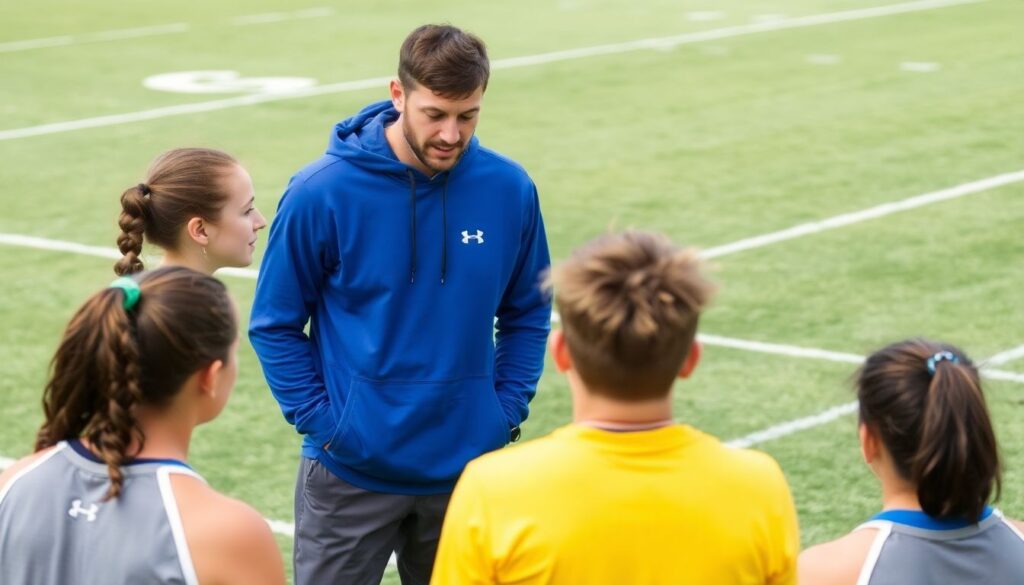
By tracking weekly loads, limiting back-to-back intense days, enforcing rest weeks and adjusting work during growth spurts. Open communication about pain or fatigue, without fear of losing a place, is essential.
When is it time to consider an alternative pathway outside elite academies?
If a player consistently struggles with pressure, falls behind academically or receives repeated, clear feedback that top-level progression is unlikely, it is wise to explore school programs, lower divisions or university pathways early, not at the last minute.