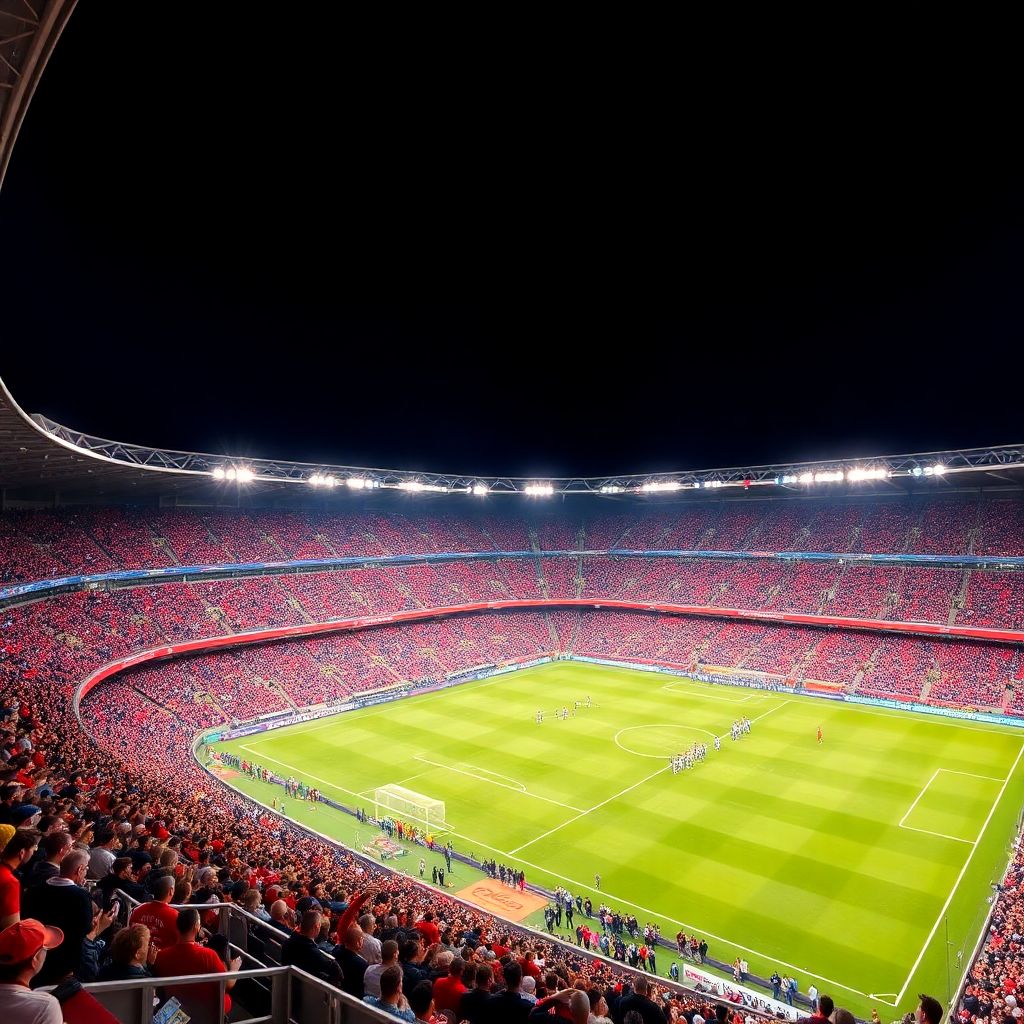
Iconic Turkish stadiums and arenas blend steep stands, intense fan culture and modern engineering to create extremely loud, immersive football experiences. Their architecture evolved from simple open grounds to enclosed multipurpose venues. Understanding layout, acoustics and operations helps visitors, tour planners and clubs use these spaces safely, efficiently and emotionally.
Snapshot: Defining Features of Turkey’s Premier Stadiums
- Steep, compact bowls that keep fans close to the pitch and amplify crowd sound.
- Hybrid of traditional club identity with contemporary roofs, facades and lighting.
- Fan culture driven by songs, choreographies and derby rituals across the Turkish Super Lig.
- Mixed-use design: football, concerts, ceremonies and corporate events in the same arena.
- Security and access systems tuned for high-intensity derbies and European nights.
- Strong link to urban fabric: transport hubs, waterfronts and dense city districts.
- Growing role in turkey football stadium tour packages and wider sports tourism.
Architectural Evolution: Ottoman Roots to Contemporary Arena Design
Turkish stadium architecture grew from basic municipal pitches into highly specialized arenas integrated with city life. Early grounds often followed the natural terrain, with simple stands and minimal separation between fans and players. The experience depended more on the crowd than on the built form itself.
As football professionalised, clubs and municipalities shifted toward enclosed bowls with complete seating, distinctive club colours and clear circulation. Architectural identity became a strategic tool: arches, rooflines and exterior lighting started to signal whether a venue belonged to Galatasaray, Beşiktaş, Fenerbahçe or another club.
Contemporary arenas in Istanbul and Anatolian cities emphasise three priorities: all-weather comfort under extensive roofing, unobstructed sightlines from every seat and compact footprints compatible with dense urban neighbourhoods. This created the foundation for today’s demand for istanbul stadium tickets galatasaray besiktas fenerbahce matches from both locals and international visitors.
Parallel to football, multi-use indoor arenas emerged for basketball, volleyball and concerts, yet they share the same DNA: tight seating bowls, clear acoustical strategy and circulation systems built around rapid entry and exit during peak events.
Engineering and Materials: Roofs, Facades and Structural Solutions
-
Roof engineering for coverage and noise control
Modern Turkish stadiums typically use cantilever or truss-based roofs to cover almost all seats while leaving the pitch open to light and air. Steel and lightweight composite panels reduce structural weight, while roof geometry is tuned to reflect chants back toward the stands. -
Facade systems expressing club identity
Facades combine glass, metal mesh, perforated panels and LED bands. These skins allow ventilation while hosting dynamic lighting in club colours, making derby nights and European fixtures immediately visible on the city skyline. -
Bowl geometry and sightlines
Structural frames support tiers designed with careful rake angles so all seats have clear views without columns. The compact bowl also shortens the distance between fans and the pitch, intensifying pressure on visiting teams and referees. -
Vibration and load management
Turkish fan culture involves constant jumping, coordinated clapping and synchronized movements. Structural engineers model dynamic loads to ensure stands remain comfortable and safe during the loudest derby moments and continental games. -
Access cores and circulation rings
Concrete cores, ramps and concourse rings distribute people horizontally and vertically. Turnstile lines, vomitories and stairs are spaced to empty the stadium quickly after final whistle while avoiding bottlenecks before kick-off. -
Hybrid pitches and support systems
Many elite stadiums combine natural grass with synthetic reinforcement, under-soil systems and advanced irrigation. This engineering supports heavy seasonal use, including league games, cups, international fixtures and occasional non-football events.
Atmosphere Mechanics: Crowd Dynamics, Acoustics and Fan Culture
Atmosphere in Turkish stadiums results from a deliberate interaction between architectural form and supporter behaviour. Designed acoustics, visual lines and circulation patterns channel the energy of ultras, families and neutral visitors into a single intense performance.
-
High-stress derbies
vip match tickets turkish super lig big derby games concentrate emotion inside a compact bowl. Steep tiers, full roofing and continuous chanting raise sound pressure and psychological impact. Operationally, this requires strict segregation lines and polished emergency protocols. -
European and national team nights
International fixtures bring mixed audiences and different singing traditions. The stadium’s sound-reflective roof and bowl keep atmosphere vibrant even when local ultras share stands with visiting fans and families. -
Domestic league matches with variable demand
Weekday games or fixtures against smaller opponents may not sell out. Many clubs respond with family blocks, community initiatives and turkey sports travel packages iconic arenas that combine match tickets with guided experiences. -
Concerts and non-football events
Stage placement, temporary acoustic panels and floor seating convert football configurations into concert modes. The same geometry that amplifies chants helps music events, while floor protection systems preserve the pitch. -
Fan choreography and visual identity
Railings, safe-standing areas in some sectors and carefully coordinated stewarding enable large choreographies and banner displays. The stadium becomes a three-dimensional canvas, reinforcing club identity far beyond the pitch action.
Mini-Scenarios: Using Turkish Stadiums in Real Life
- International fan weekend: A visitor books turkey football stadium tour packages that include behind-the-scenes access, training sessions and museum entries, then adds istanbul stadium tickets galatasaray besiktas fenerbahce for match day. Steep stands and choreographies deliver the intense atmosphere they came for.
- Corporate hospitality: A company invites clients to a derby, choosing indoor lounges placed just above the lower tier. They experience the sound and colour of the stands while retaining controlled catering, climate and networking space.
- Sports travel agency product: An agency designs turkey sports travel packages iconic arenas that link Istanbul, Konya and the Black Sea region, using night trains and domestic flights. Each stop features a stadium tour plus a local match, creating a continuous narrative of Turkish football culture.
- Club-operated non-match event: A club hosts a product launch on the pitch, using stadium screens, LED facades and sound system. Logistics teams rely on match-day circulation schemes to bring vehicles and staff onto the field without damaging key surfaces.
Iconic Venues in Detail: Atatürk Olympic, Vodafone Park, Şükrü Saracoğlu, Konya Büyükşehir, Medical Park, Başakşehir Fatih Terim
Each major Turkish stadium balances unique strengths with practical constraints. Understanding these trade-offs helps fans pick the right venue for a visit and helps operators match events to the place that fits them best.
Strengths and Opportunities of Leading Stadiums
- Atatürk Olympic Stadium: National symbolism, adaptable event formats and a scale that suits big finals, ceremonies and large concerts.
- Vodafone Park: Intimate bowl with strong acoustics, central urban setting and visual connection to the Bosphorus, highly attractive for premium visitors.
- Şükrü Saracoğlu Stadium: Deep-rooted Fenerbahçe culture, intense derby atmosphere and strong community attachment across the Asian side of Istanbul.
- Konya Büyükşehir Stadium: Modern design benchmark for Anatolian cities, with efficient access and multi-purpose planning for regional events.
- Medical Park Stadium: Coastal identity, strong club branding and a concentrated crowd presence suited to emotionally charged games.
- Başakşehir Fatih Terim Stadium: Compact, efficient layout, relatively easier local access and suitability for controlled, family-friendly match experiences.
Constraints, Trade-Offs and Practical Limitations
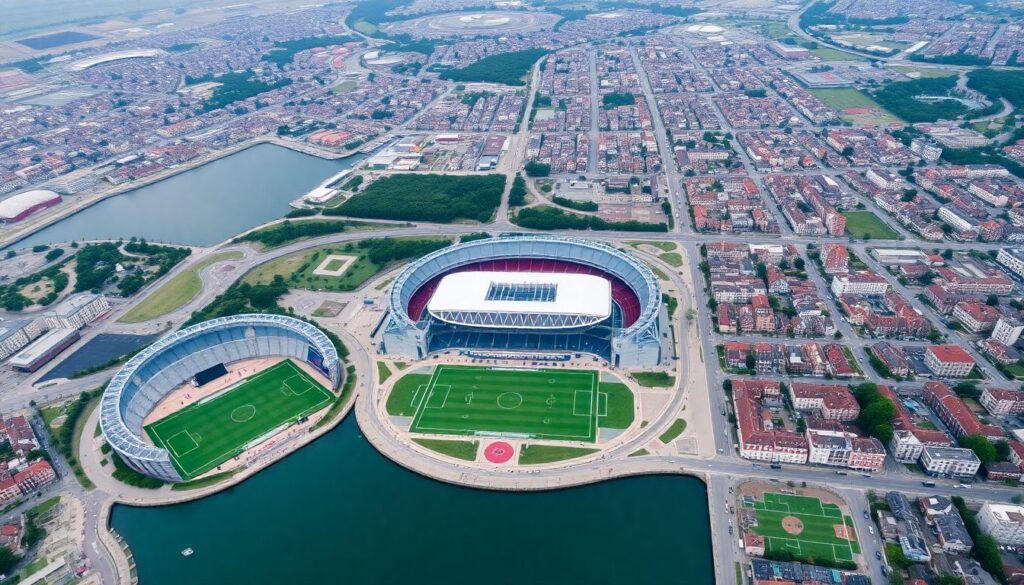
- Large national venues can feel distant from the pitch for some visitors and may require longer walks and transfers from city centres.
- Central waterfront stadiums face strict noise, traffic and urban heritage considerations, affecting concert scheduling and late-night events.
- Neighbourhood-based grounds must manage access roads, parking and crowd flows through residential streets, especially on derby days.
- Regions with strong winter weather or coastal winds need careful event timing and roofing strategies to guarantee spectator comfort.
- Smaller, compact stadiums may have fewer hospitality lounges and conference facilities, limiting certain types of non-football events.
Historic Matches and Moments That Shaped Turkish Football Memory
Some beliefs about Turkish stadium history are inaccurate or oversimplified. Clarifying these myths gives a more realistic understanding of how venues influence football culture and tourism.
-
Myth: atmosphere comes only from fans, not from architecture
In reality, roof form, seat rake and material choice strongly shape how noise builds and moves. Without architectural support, even passionate supporters struggle to create the same intensity. -
Myth: all derbies are equally safe or risky
Safety depends more on planning, segregation layouts, transport management and stewarding quality than on the rivalry itself. Well-prepared operators can host high-tension games with controlled risk. -
Myth: historic stadiums must be preserved exactly as they were
Many beloved venues have evolved through renovations, partial rebuilds and capacity changes. Memory comes from experiences, not only from a fixed physical form, so upgrades can actually strengthen long-term attachment. -
Myth: tourism degrades local fan culture
Thoughtfully designed turkey football stadium tour packages can educate visitors about traditions and codes of conduct, reinforcing rather than diluting local identity and generating extra revenue for clubs. -
Myth: only match days matter
Museums, megastores, daily tours and community projects mean that stadiums already operate as year-round urban anchors, shaping memories beyond major finals and derbies.
Operational Practice: Safety, Accessibility, Event Logistics and Legacy Use
Operating Turkish stadiums is a continuous balancing act between intense passion, urban constraints and long-term economic sustainability. Effective practice focuses on predictable routines, clear responsibilities and data-driven adjustments from match to match.
Mini-Case: Planning a High-Profile Derby Night
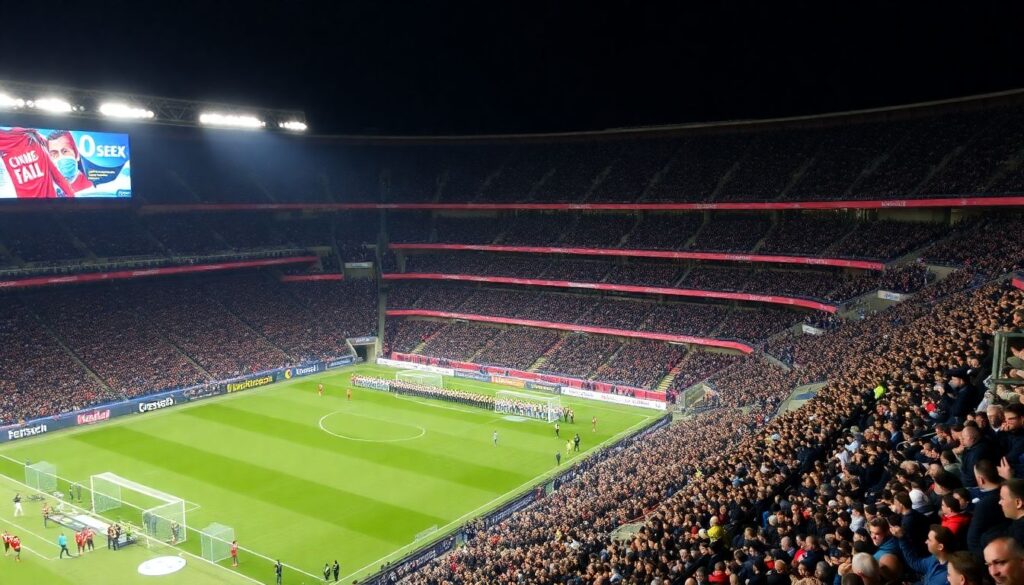
Consider a club preparing for a high-demand derby in Istanbul:
- Pre-event design check: The operations team confirms segregation lines, buffer zones and emergency routes on each concourse ring and in all stair cores.
- Ticketing and access strategy: Sales channels highlight vip match tickets turkish super lig big derby options, family sectors and away-fan allocations. Turnstiles are grouped to keep rival fans apart from the transport node onward.
- Transport and accommodation coordination: Club and city authorities align shuttle services, metro timing and taxi stands. Communication materials recommend best hotels near istanbul football stadiums for visitors, including clear walking routes and time estimates.
- In-stadium operations: Stewards, medical teams and security units deploy according to a zone map. Control room staff monitor CCTV, sound levels and crowd density, adjusting gate openings and announcements as necessary.
- Legacy and non-match use: The same stadium later hosts smaller community games, conferences and tours. Spaces designed for media and VIPs transform into seminar rooms, while concourses host exhibitions for broader audiences.
Practical Questions for Visitors and Event Planners
How far in advance should I buy tickets for major Istanbul derbies?
For high-demand games, especially derbies, try to secure istanbul stadium tickets galatasaray besiktas fenerbahce as soon as they are officially released. Allocations for international fans and hospitality areas may sell out quickly.
What is the best way to combine stadium visits with wider travel in Turkey?
Look for turkey sports travel packages iconic arenas that link multiple cities by rail or air and include stadium tours, museums and at least one live match. This spreads risk of postponements and maximises exposure to different fan cultures.
Are guided tours available on non-match days?
Most major stadiums offer structured tours covering dressing rooms, player tunnels, pitch-side areas and club museums. turkey football stadium tour packages often stack several venues across a long weekend, making logistics easier for visitors.
How should I choose accommodation near a stadium?
Search for best hotels near istanbul football stadiums that balance walking distance with metro or bus access. On derby days, some closest streets may be closed, so proximity to public transport can be more useful than being directly next door.
What do event planners need to know about acoustics and sound limits?
Turkish arenas are highly reverberant, so concerts and ceremonies should use carefully tuned sound systems and consult local regulations on noise and curfew. Test events or rehearsals inside the empty bowl help adjust levels before doors open.
Can corporate groups access VIP areas without buying match tickets?
Many clubs rent lounges, boxes and press rooms on non-match days for meetings or product launches. For games themselves, corporate clients usually need hospitality or vip match tickets turkish super lig big derby packages that bundle seating with catering.
What are key safety practices for large events in these stadiums?
Essential practices include clear sector signage, robust steward training, segregated access routes for rival supporters and regular drills with emergency services. Event plans should be documented, rehearsed and updated after each major fixture.