Mental health in professional sports: why it’s finally taken seriously
The conversation about mental health in professional sports moved from whispers to press‑conference headlines over the last decade, and by 2026 it’s clear this wasn’t a “trend” but a structural shift. Big names openly talk about panic attacks before finals, depressive crashes after injuries, or the emotional hangover of early retirement. Fans are less shocked, sponsors are more careful, and clubs finally start budgeting not only for physios and nutritionists but also for a sports psychologist for professional athletes. The core reason is simple: ignoring mental health costs wins, careers and, sometimes, lives. When a striker freezes during penalties or a swimmer can’t sleep before races, no amount of gym work fixes that. Mental fitness is now treated as another performance variable, just like VO₂ max or recovery time, and the teams who accept that tend to stay competitive longer and lose fewer athletes to sudden “mysterious” drops in form.
Turkish athletes: between family pride, public pressure and changing norms
For Turkish athletes, the mental side of the game often starts at home. Many grow up with a strong sense of family duty and national pride: wearing the national jersey is seen almost as a sacred mission. That lifts people up, but it also adds a layer of pressure that can be brutal when something goes wrong. Miss a penalty in a derby, fall on the beam at Europeans, or get knocked out in the first round at the Olympics, and the criticism in Turkish media and social networks can feel endless. Until recently, many players coped with this by “keeping it in the locker room”, talking only with teammates or coaches, if at all. Today more Turkish pros quietly, and sometimes publicly, turn to mental health services for athletes. Club doctors invite consultants, federations bring in external experts for camps, and some stars work privately with specialists abroad to avoid attention. The stigma hasn’t disappeared, but it’s steadily losing ground because results speak louder than prejudice.
Team sports in Turkey: the cauldron of football and basketball
Football and basketball in Turkey are pressure cookers: packed stadiums, 24/7 sports TV, and fan cultures where your performance becomes a moral question. A defender’s mistake in a derby of the Big Three is dissected on talk shows, memes and morning radio. Under that spotlight, anxiety, insomnia and anger issues are common, especially among younger players. Historically, clubs relied on veteran captains and “tough love” coaches to keep things under control, sometimes with the help of a club doctor prescribing sleep meds or painkillers. Since about the early 2020s, bigger clubs started adding structured sports mental coaching for elite athletes into their support staff. The more progressive setups combine regular one‑to‑one sessions, group workshops on communication and resilience, and crisis protocols after traumatic events like serious injuries or fan violence. Players describe it less as “therapy” and more as having another coach, one who trains their reactions instead of their legs. The approach is slowly spreading to women’s teams and youth academies as well, which may be the most important change for the next generation.
Turkish individual sports: lonely victories, lonely breakdowns

In sports like wrestling, taekwondo, weightlifting, gymnastics or individual athletics events, Turkish stars often become national heroes overnight after a medal, then fade from public attention just as quickly. Between competitions, they might train in relatively isolated centers or abroad, away from family, language and familiar culture. That combination of hero status and isolation is fertile ground for anxiety and depression. Many athletes from these disciplines describe struggling most not at the Olympics themselves, but in the months after: motivation crashes, questions like “What now?”, and fear of never hitting that level again. In response, some federations have quietly built internal networks with psychologists who join training camps and international trips. Others encourage athletes to seek online therapy for sports performance anxiety, especially when they’re abroad for long periods. This remote option reduces the fear of being seen entering a therapist’s office and lets them keep continuity of care while constantly on the road. It’s still uneven—some programs are just a hotline and a poster on the wall—but the move toward structured mental support is visible.
Global stories: what the world is doing differently
Globally, the mental health landscape in sport looks like a patchwork: some leagues and countries are far ahead, others are just getting started. In North America, many professional leagues now bake mental health requirements into team operations—mandatory education sessions, confidential access to clinicians, and at least one mental health professional attached to each franchise. European football, under pressure from high‑profile breakdowns and burnout cases, increasingly funds league‑wide counseling and crisis response systems. Meanwhile, certain regions in Asia and South America still lean heavily on traditional attitudes of silence and toughness, though even there, stars speaking out are slowly changing the tone. When Turkish athletes join foreign clubs or universities, they often discover these more formal systems and bring expectations back home: they start to ask, “Why don’t we have this?” or “Why do I need to hide that I see a psychologist?” This cross‑pollination is one of the reasons progress accelerates: best practices spread through locker‑room conversations, not only via policy documents.
Comparing different approaches to mental support
If you zoom out, you can see three big models emerging worldwide. The first is the medical model: mental health is handled mainly by doctors and clinical psychologists, typically after a crisis—panic attacks, substance issues, severe depression. It’s effective for acute problems but often arrives too late. The second is the performance model, which focuses on mindset skills: visualization, focus, self‑talk, routines. It’s usually integrated into coaching and appeals to athletes because it feels directly linked to winning. The third is the holistic model, which tries to weave mental health into everything: coaching style, rest policies, media management, even contract structures. Compared to the first two, it demands more organizational change but tends to prevent problems instead of constantly trying to fix them. Turkish and global clubs are gradually shifting from purely medical or purely performance‑oriented approaches toward this more holistic setup, though progress depends heavily on budget, culture and leadership.
Technology in mental health: powerful, useful, but not magic
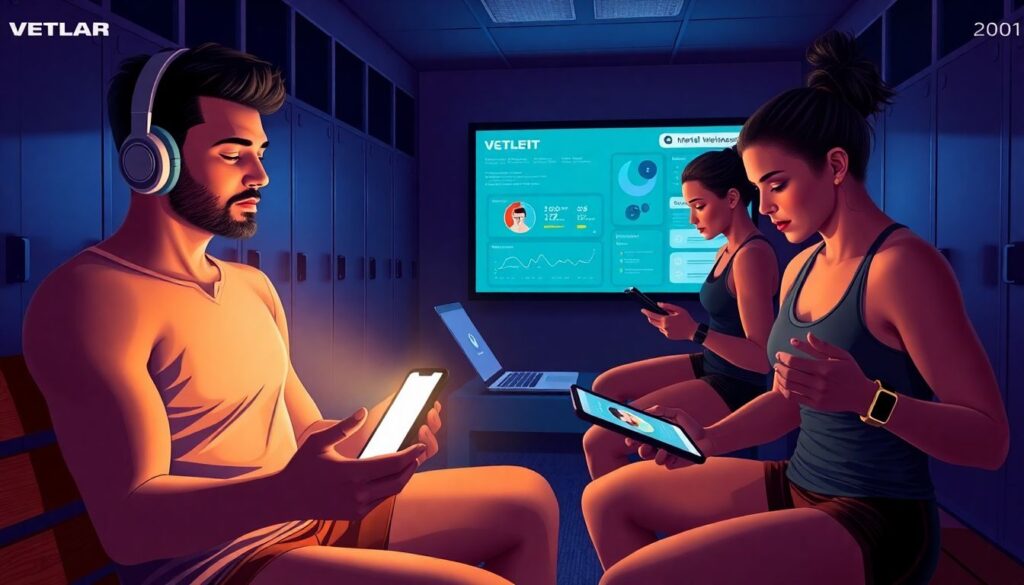
By 2026, mental health apps and platforms are woven into everyday life for many athletes. Meditation apps, digital mood journals, sleep trackers and AI chatbots are issued almost like training gear. The plus side is clear: tech can give athletes private, immediate tools at 2 a.m. in a hotel room before a decisive match. Online systems can connect a player in Istanbul with a therapist in London or a Turkish‑speaking specialist in Berlin. For clubs and federations, technology allows large‑scale screening for stress or risk factors in ways that a single psychologist could never manage. The downside is equally real. Generic apps rarely understand the extreme context of elite sport; they might treat overtraining signs as “great dedication” rather than a warning signal. Data privacy is another minefield: athletes worry that whatever they type into an app might show up in contract negotiations or selection decisions. Some tools create an illusion of support—colorful dashboards and weekly emails—without providing real, deep help when a person is in serious trouble. The most effective setups use tech as a supplement, not a replacement, for human relationships and expertise.
Pros and cons of online therapy and digital tools
Remote support is one of the biggest shifts in athlete care. Properly set up, online therapy can be a lifeline for athletes who travel constantly, play in foreign leagues, or fear being recognized going into a clinic. It lowers the barrier to that first conversation and makes consistent sessions more realistic during long seasons. Platforms specializing in sport know how to handle schedule chaos and competitive peaks. However, online formats aren’t perfect for everyone. Some athletes find it harder to open up on a screen, especially about trauma or complex personal histories. Internet connectivity, time‑zone differences and lack of a private place to talk can disrupt continuity. Also, not all practitioners who advertise themselves online understand sporting culture, which can lead to well‑intentioned but tone‑deaf advice. The sweet spot is combining structured in‑person support at club or federation level with flexible remote options, including online therapy for sports performance anxiety during high‑pressure periods like playoffs, qualifiers or major championships.
Strategies that actually help: from crisis to day‑to‑day habits
One of the clearest lessons from both Turkish and global stories is that mental skills must be trained long before a crisis. Athletes who only call for help at the moment of a breakdown often need months just to stabilize, let alone to rebuild peak performance. Teams that treat mental training as a routine part of practice—like stretching or video analysis—see fewer severe crashes and faster recovery when adversity hits. Effective programs teach athletes to recognize early warning signs: disrupted sleep, unusually strong irritability, loss of joy in the game, or obsessive scrolling through social media comments. They invest time in communication training so that captains and coaches know how to respond when someone says, “I’m not okay.” They include family and partners where appropriate, because the support system outside the stadium often determines whether an athlete can sustain change. This practical, training‑like approach fits well with athletes’ existing mindset: they understand reps, drills and long‑term development.
Working with specialists: who does what?
The term “sports psychologist” gets used loosely, but in reality there are several roles. A sports psychologist for professional athletes with clinical training can diagnose and treat conditions like depression, anxiety disorders or trauma‑related problems. Performance psychologists focus more on concentration, confidence, routines and coping with pressure. Mental skills coaches, sometimes with backgrounds in coaching or education rather than psychology, help athletes apply tools like goal‑setting, visualization and competition preparation. In a strong system, these roles cooperate rather than compete. For example, an athlete returning from a major injury might see a clinical psychologist for fear of re‑injury and low mood, while simultaneously working with a performance expert on confidence in contact drills. In Turkey, as in many countries, titles and qualifications can be confusing, so athletes benefit from asking directly about a professional’s training and experience with elite sport instead of trusting brand labels alone.
Choosing the right mental health support: practical guidelines
The explosion of options makes selection harder, not easier. To avoid getting lost in the noise, athletes and coaches can use a simple checklist when choosing mental health services for athletes. The goal is not to find the “perfect” expert or system, but to build a support structure that is safe, effective and sustainable across a long career. It should respect privacy, cultural background, personal values and the specific demands of each sport. Below is a straightforward process that works both for Turkish clubs and for individuals playing abroad.
- Start with clarity about needs. Are you dealing mainly with mood issues, sleep problems, trauma after an injury or career‑ending cut, or do you want to sharpen focus and confidence? Clinical problems (like panic attacks or severe depression) require licensed mental health professionals, while performance plateaus might be addressed by sports mental coaching for elite athletes. Write down your priorities before contacting anyone; it will save time and prevent misunderstandings about what you expect from the collaboration.
- Check qualifications and experience in sport. Ask any potential specialist where they trained, what licenses they hold, and how many years they’ve worked specifically with professional or national‑team athletes. Someone might be outstanding with teenagers or corporate clients yet unfamiliar with the ruthless schedule and public visibility of pro sport. Don’t hesitate to request anonymized examples of similar cases they’ve handled, such as helping a player return from long‑term injury or supporting an athlete through Olympic qualifying pressure.
- Assess confidentiality and boundaries. Especially in team settings, it must be crystal clear what information stays between the athlete and therapist and what can be shared with coaches or management. Make sure contracts and internal policies reflect this, not just verbal promises. If you’re using digital tools, verify what happens to data: who owns it, how long it’s stored, and whether it can be accessed during negotiations, transfers or disciplinary procedures.
- Consider cultural fit and communication style. For Turkish athletes, language and cultural nuance are important. Being able to switch between talking about family expectations, military service obligations or social media criticism in Turkish, and discussing evidence‑based methods in an international context, can be crucial. Schedule an initial meeting (online or in person) to see whether you feel understood, not judged, and whether the specialist can explain concepts without jargon.
- Evaluate integration with training and life. Effective athlete burnout prevention programs don’t live in isolation from the rest of the schedule; they are aligned with training loads, travel plans and competition periods. Check whether the specialist is open to coordinating with coaches, physios and nutritionists, within agreed confidentiality limits. Ideally, mental support should flex: more intense around key competitions, lighter during off‑season, with options for quick check‑ins after tough games or public controversies.
Burnout, retirement and life after the final whistle
Among both Turkish and global athletes, burnout has become a central concern. It rarely appears out of nowhere; more often it’s the endpoint of years of chronic overload, unspoken dissatisfaction, and a narrow identity tied only to results. Young prospects in football academies or gymnastics halls might train like professionals while still of school age, with little time for broader education or social life. When they reach the senior level, the body may still handle it, but the mind begins to send signals: cynicism, emotional numbness, or fantasies about quitting mid‑season. Well‑designed athlete burnout prevention programs now address this full arc: managing training volume, teaching time‑off as a performance tool, supporting dual careers (study or vocational training), and preparing athletes psychologically for retirement. In Turkey, where many families expect sport to be a long‑term financial solution, talking honestly about “after sport” can be uncomfortable, yet athletes who plan that transition early tend to cope far better with its emotional and practical realities.
Trends and technologies shaping 2026
The year 2026 marks a phase where mental health is no longer a niche add‑on in pro sport but a competitive differentiator. One clear trend is integration: mental specialists are sitting in regular staff meetings, not only being called in emergency situations. Clubs and federations build “mental performance units” combining psychologists, data analysts and coaches. Wearables don’t just track heart rate and sleep; they estimate stress load over time, helping staff adjust travel, training and media commitments. Another trend is personalization: instead of one mandatory workshop for the whole team, athletes receive individualized mental plans aligned with their roles, personalities and life circumstances. Globally, more collective agreements between leagues and players’ unions explicitly mention mental health rights and responsibilities, framing support not as a luxury but as part of safe working conditions. In Turkey, the conversation is catching up: media coverage increasingly includes psychological angles, and some sponsors now fund mental health initiatives as part of their social responsibility and brand image.
AI, data and the future of mental support in sport
Artificial intelligence is gradually moving from generic wellness apps into elite sports environments. Systems analyze patterns in training logs, sleep data, travel schedules and even publicly available social‑media activity to flag moments when an athlete might be at elevated psychological risk. This doesn’t replace human care, but it can prompt timely check‑ins before things escalate. AI tools also help with education: interactive modules, available in multiple languages including Turkish, simulate high‑pressure scenarios and guide athletes through coping strategies. At the same time, ethical concerns are front and center: athletes and regulators worry about surveillance, misuse of sensitive data, and algorithmic bias. The likely direction over the next five years is a set of clearer rules—written with athlete input—about what can be monitored, who can see what, and how insights may or may not influence selection, contracts or disciplinary actions. Responsible use of AI could make mental support more proactive; irresponsible use could deepen mistrust and stigma.
Forecast: where mental health in pro sports is heading after 2026
Looking beyond 2026, several shifts seem highly probable. First, mental health will become a core metric in high‑performance planning. Just as clubs track muscle injuries throughout a season, they will monitor psychological load, adjusting calendars and expectations accordingly. Second, education will move earlier: youth academies in Turkey and worldwide will include structured mental skills and emotional literacy as standard, making the next generation more comfortable seeking help. Third, the boundary between performance and well‑being support will blur, as athletes realize that the same tools helping them handle penalty shootouts also help them navigate relationships, finances and post‑career transitions. Online and hybrid formats will keep expanding, especially for cross‑border careers, but they will be anchored in strong ethical and professional standards rather than quick commercial solutions. Finally, more former athletes will retrain as mental health professionals or mentors, bringing credibility and understanding that no textbook can fully provide.
What this means for Turkish and global athletes now
For athletes competing in 2026, the message is both challenging and hopeful. The bar keeps rising: competition is fiercer, schedules denser, public scrutiny harsher. At the same time, the resources to cope with this reality are richer than ever—if you use them deliberately. Building a mental support team is no longer a sign that something is “wrong”; it’s simply part of being a modern professional. Turkish athletes, standing at the crossroads of local traditions and global standards, have a unique opportunity to shape how mental health is talked about and handled across the region. By demanding serious, well‑qualified support, protecting their own privacy, and speaking honestly about struggles and successes, they can help ensure that the next generation inherits a sporting culture where strength includes the courage to ask for help, and where peak performance and psychological well‑being reinforce, rather than undermine, each other.