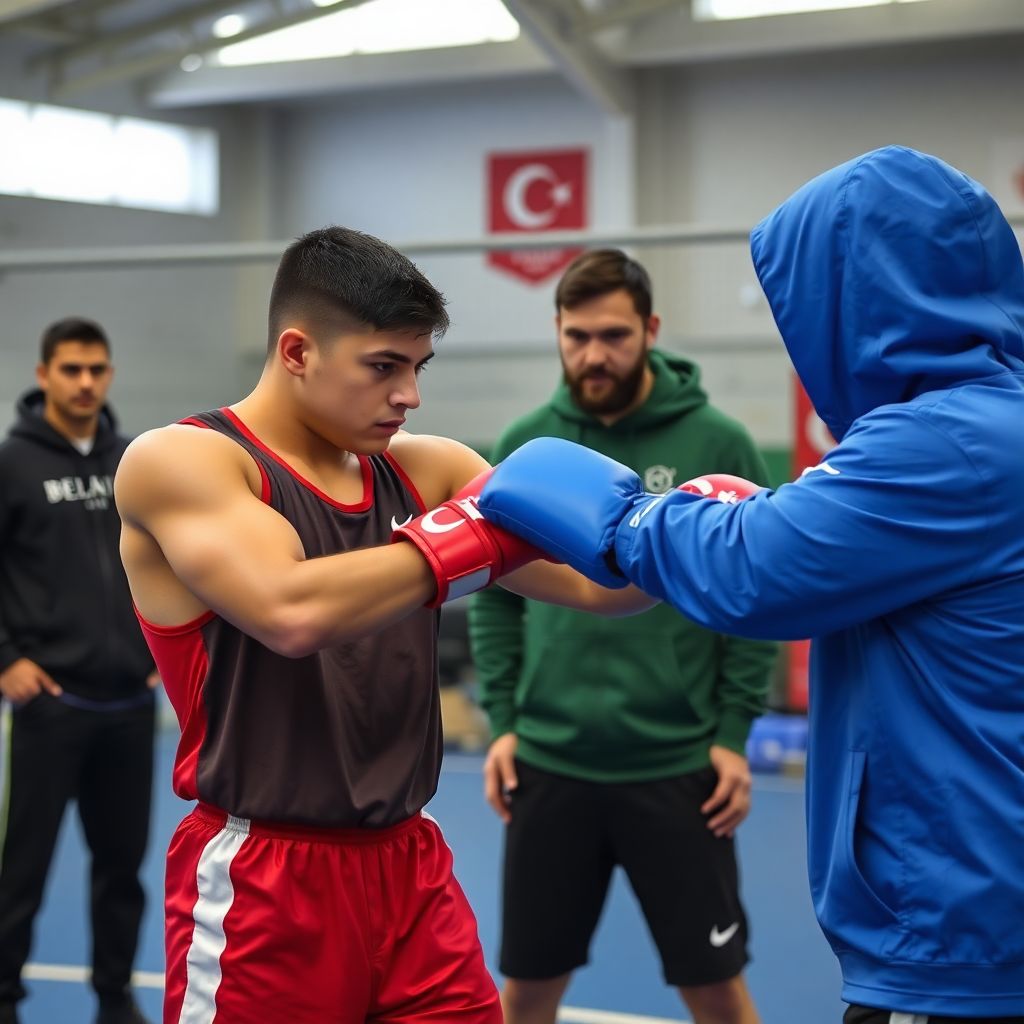
Turkey’s next-generation Olympians are strongest in combat sports, selected athletics events, and a few technical disciplines where depth and coaching already exist. To follow them effectively, track who from the Turkey Olympic athletes 2024 roster is staying in form, how they qualify, and which events statistically deliver repeat finals and medal chances.
Debunking Common Myths About Turkey’s Olympic Prospects
- Myth: Turkey only wins in wrestling. Reality: taekwondo, boxing, and selected athletics and team sports have produced finalists and champions, making the best Turkish athletes to watch at next Olympics spread across multiple disciplines.
- Myth: If a star missed medals in 2024, they are “finished”. Reality: many athletes peak in their late twenties; what matters is trajectory, health, and adaptation of training cycles, not a single Games result.
- Myth: Qualification is just a coach’s decision. Reality: almost all sports use published international criteria and ranking systems; understanding the qualification roadmap is essential to judge realistic odds on Turkish athletes next Olympic Games.
- Myth: Only big-budget nations can use sports science. Reality: targeted investment in a few hubs, good data sharing, and collaboration with universities can close part of the gap even without massive funding.
- Myth: Fans cannot influence performance. Reality: fan attention drives federation priorities, sponsorship, and media coverage; buying official gear and choosing informed travel plans can shift resources toward the most promising programs.
Turkey’s Most Promising Disciplines: Where Medals Are Likeliest
For the coming Olympic cycle, Turkey’s most promising disciplines are those with a track record of Olympic or world-level podiums and stable development systems. In practice this means combat sports, specific athletics events, and selected indoor and team sports where Turkish athletes already appear regularly in major finals.
Combat sports remain the backbone. Wrestling, taekwondo, and boxing combine strong local traditions, deep domestic competition, and experienced coaching. These are the areas where Turkish athletes most often translate continental titles into world medals and where the probability of at least reaching quarterfinals or semifinals is consistently high.
In athletics, strength is narrower but real. Middle-distance running, race walking, and some field events have athletes who can reach global championship finals when healthy. For fans who were following the Turkey Olympic athletes 2024 roster, it makes sense to continue tracking those athletes who were close to finals, not only those who already won medals.
Beyond these, there are emerging opportunities in sports like gymnastics, women’s basketball, and volleyball, depending on the age profile of current squads. Medals are harder here, but stable appearances in top international leagues and European competitions indicate that a breakthrough at the next Games is plausible, especially for cohesive teams with the same core roster over multiple seasons.
Profiles of Emerging Athletes: Biomechanics, Results and Trajectories
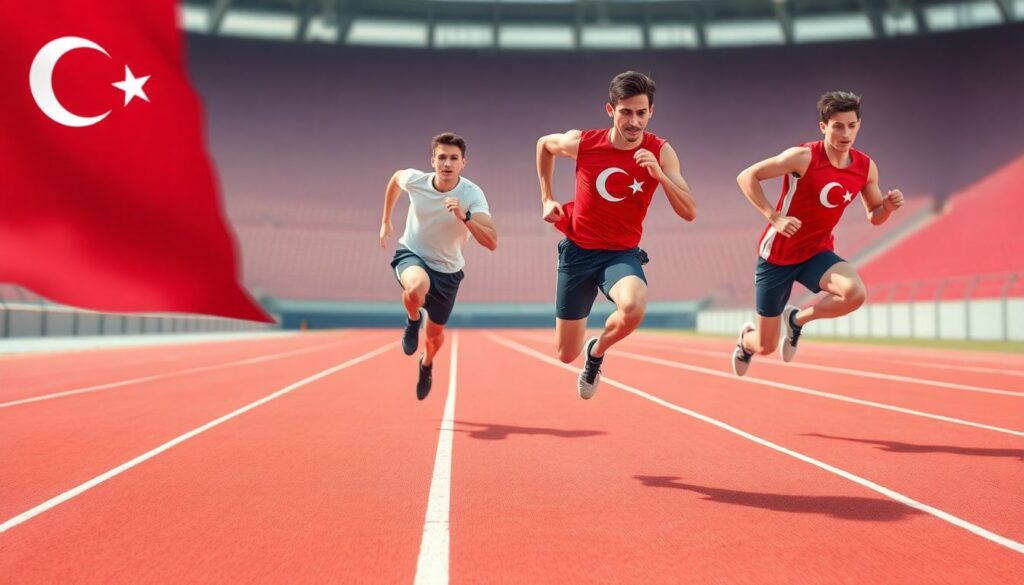
Looking at promising athletes through mechanics and simple timelines helps fans evaluate who is most likely to convert potential into Olympic success. Focus on these practical, observable elements when judging the best Turkish athletes to watch at next Olympics:
- Movement efficiency and technique under pressure
Check if an athlete’s technique stays stable in late rounds or final attempts. In combat sports, this shows as balanced stance and clean entries even when fatigued. In athletics or gymnastics, look for consistent rhythm and posture from start to finish. - Injury history and robustness
Follow patterns: long gaps in competition, frequent withdrawals, or repeated issues in the same joint or muscle group. Robust athletes usually have minor issues but return quickly and maintain form across whole seasons. - Year-on-year performance trend
Rather than one big personal best, look for steady improvement. For Olympic cycles, the most reliable medal contenders are those who regularly reach continental finals, then move into world-level semifinals or finals within a few seasons. - Competitiveness against top-10 athletes
Study how they perform at major events, not only domestic ones. Close matches or small margins against world-class opponents, even in defeat, show that their ceiling is high once they refine tactics and gain experience. - Adaptation to rule and format changes
Turkish athletes who adjust quickly to new scoring, qualification, or equipment rules tend to survive late selection filters. Watch how they modify strategies from one season to the next when regulations or qualification paths change. - Support structure around the athlete
Look at who coaches them, which club or training center they use, and whether they have stable physio, conditioning, and psychological support. That environment often predicts who can handle the extra stress of the Olympic stage.
Qualification Roadmap: How Turkish Athletes Secure Olympic Slots
Understanding qualification makes it easier to read news about rankings and to interpret the true odds on Turkish athletes next Olympic Games. Most Turkish Olympians earn their place through a mix of direct qualification events, world rankings, and continental quotas managed by international federations.
- Direct qualification at world championships
In wrestling, boxing, and many athletics events, specific placements at world championships or designated qualifiers give athletes an automatic Olympic quota. Here, the priority is hitting peak form at exactly those tournaments, even if it means skipping minor events. - Ranking-based qualification
Sports such as taekwondo, tennis, and some cycling and swimming events rely heavily on world ranking lists. Turkish athletes must plan a calendar that balances scoring enough points with avoiding burnout, choosing competitions with strong but manageable fields. - Continental qualification tournaments
Europe-wide qualifiers are crucial for Turkish athletes in combat sports and team disciplines. These events often offer a limited number of spots but against familiar rivals. Performance here can rescue an athlete who had an inconsistent world season. - Team qualification leading to individual slots
In sports like basketball, volleyball, or gymnastics, whole teams qualify via continental championships or global tournaments. Once a team is in, national federations select individual players based on form, fitness, and tactical fit, often narrowing from a long training camp list. - Host and universality places (when relevant)
These are limited and generally used to promote participation in underrepresented sports. For Turkey, they are less central than in smaller delegations, but federations still need to understand the options and deadlines to avoid missing any opportunity for extra representation.
Preparation Ecosystem: Coaching, Facilities and Sports Science in Turkey
Turkey’s preparation ecosystem for Olympic sports is a mix of strong traditional coaching in long-established disciplines and growing investment in modern facilities, sports science, and international partnerships. To assess potential, it helps to separate what currently works well from the main structural constraints.
Current strengths supporting Olympic preparation
- Deep coaching knowledge and competitive depth in wrestling, taekwondo, and boxing through strong club systems and regional training centers.
- Upgraded indoor arenas, gyms, and recovery facilities in major cities, which provide year-round training for national teams and academies.
- Active collaboration with foreign coaches and training camps abroad, exposing Turkish athletes to international styles and competition routines.
- Growing use of basic sports science tools such as video analysis, GPS or motion tracking in selected programs, especially for elite squads.
- Increasing attention from media and fans, which encourages federations to invest more consistently in high-potential disciplines.
Ongoing limitations that still slow progress
- Uneven access to high-level facilities between big-city clubs and regional centers, making talent identification and retention harder outside established hubs.
- Limited integration of data, with performance, medical, and training information often stored separately instead of in a unified monitoring system.
- Short-term planning driven by the next Olympics rather than long-term athlete development pipelines starting from youth categories.
- Funding pressure on smaller federations, meaning promising athletes in less popular sports may lack enough high-quality international exposure.
- Insufficient structured education for coaches in modern recovery methods, mental skills, and injury-prevention strategies.
Evidence-Based Medal Forecasts: Rankings, Form and Statistical Outlook
Realistic medal forecasts start from simple, verifiable facts: how often Turkish athletes reach major finals, where they sit in world rankings, and whether their performance trend over the last seasons is stable or improving. Avoid predictions based purely on emotional impressions or single highlight performances.
- Focusing only on past medalists
Many fans follow only those who medaled in the previous Games. A better method is to track anyone who consistently reaches top positions at European and world level, even if they narrowly missed medals in 2024. - Ignoring event depth and global competition
Some events have a very concentrated group of dominant nations, while others are more open. Evidence-based forecasts consider how many genuine medal contenders exist worldwide in a discipline before assuming a clear opportunity. - Overrating domestic results
National championships can be misleading when the global standard is much higher. Use domestic dominance as a basic filter, then check how the same athlete performs at Diamond League meetings, world cups, or world championships. - Not adjusting for age and career phase
Younger athletes with rapid improvement may overtake older stars even without prior Olympic experience. At the same time, experienced athletes often keep a high baseline level, as seen among veterans from the Turkey Olympic athletes 2024 roster who still perform well in major tours. - Reading betting odds as pure truth
Market odds on Turkish athletes next Olympic Games can be interesting, but they react to media narratives. Use them as one more input alongside rankings and recent head-to-head records, not as the final word.
Risks and Constraints: Injuries, Funding, and Geopolitical Variables
Every Olympic cycle includes risks: injuries, inconsistent funding, and changing international contexts. Fans and analysts should factor these into expectations and support rather than treat them as excuses after the fact.
Consider this simple illustrative case. A promising Turkish taekwondo athlete rises from national youth champion to European medalist within a few years. Their federation plans a qualification route built around ranking points, sending them to carefully chosen world events. Mid-cycle, the athlete suffers a moderate knee injury, missing several tournaments.
With reduced ranking, qualification now depends on a strong performance at a single continental qualifier. The athlete’s team adjusts preparation: more controlled sparring, increased focus on strength and stability, and closer coordination with medical staff. Fans continue to follow them, buying official Turkish Olympic team merchandise buy online to show support and maintaining interest on social media.
If the athlete qualifies and performs well at the Games, the story draws more attention to structured preparation and risk management. Travel agencies respond by promoting targeted Turkey Olympic games travel packages 2028 built around the most attractive events and athletes, creating a clearer link between informed fan behaviour and the long-term health of Turkey’s Olympic programs.
Clarifying Practical Doubts for Supporters and Analysts
How can I quickly identify the most realistic Turkish medal hopes?
Track athletes who regularly reach European and world finals in the last few seasons, especially in wrestling, taekwondo, boxing, and selected athletics and team events. Cross-check their recent health status and competition schedule instead of relying only on past Olympic medals.
What should I watch during competitions to judge an athlete’s true level?
Focus on technique under fatigue, decision-making in critical moments, and consistency across rounds or matches. Athletes who maintain form and composure against top international rivals are the best Turkish athletes to watch at next Olympics, even if they do not win every event now.
Where do I find reliable information about Turkish Olympic qualification paths?
Use official international federation websites and the Turkish Olympic Committee updates. These explain how each sport uses world championships, rankings, and continental qualifiers. Avoid relying on rumours or social media alone when assessing who can realistically qualify.
How can fans support athletes beyond just watching the Games?
Follow athletes on verified channels, share credible news, and engage respectfully online. Buying official gear through trusted outlets when you see Turkish Olympic team merchandise buy online helps generate resources, while attending key qualifiers creates a stronger competitive atmosphere.
Is it worth planning travel around likely Turkish medal events?
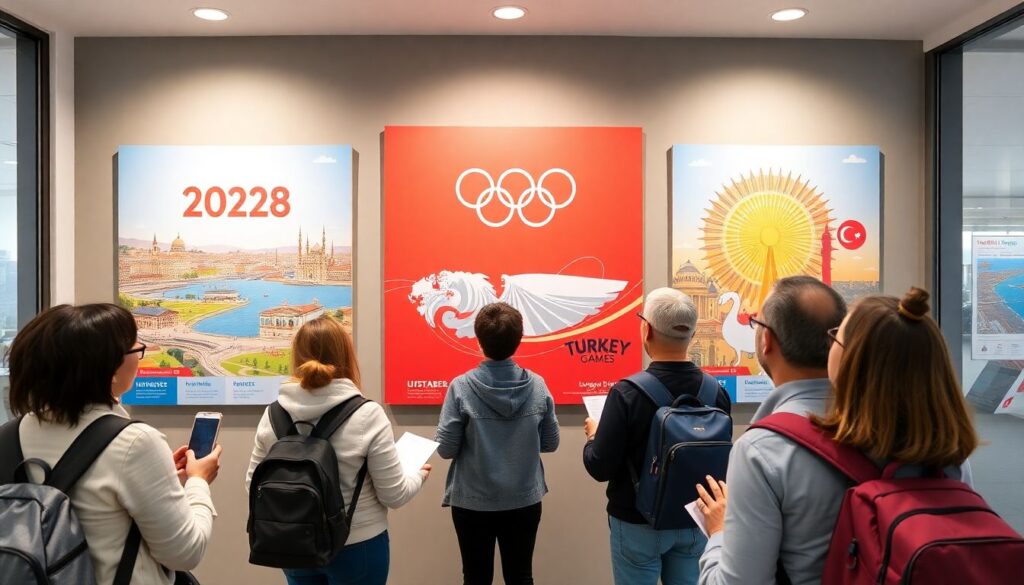
Yes, if you understand the schedule and qualification system. Travel agencies already experiment with Turkey Olympic games travel packages 2028 focusing on sports where Turkish athletes are strongest. Plan around events with a history of Turkish finalists to increase your chances of seeing historic performances.
How should I interpret betting and prediction markets for Turkish athletes?
Treat odds on Turkish athletes next Olympic Games as one data point. Compare them with world rankings, recent results at major tournaments, and expert analysis. Sudden swings often reflect news or hype more than fundamental changes in performance level.
Why do some stars from the 2024 roster skip competitions before the next Games?
Athletes from the Turkey Olympic athletes 2024 roster may strategically skip smaller events to manage injuries and training loads. This is normal high-performance planning aimed at peaking at qualifiers and the Games themselves, not a sign of losing motivation.