From İstiklal to the Olympic Track: Why Turkish Athletics Is Suddenly Everywhere
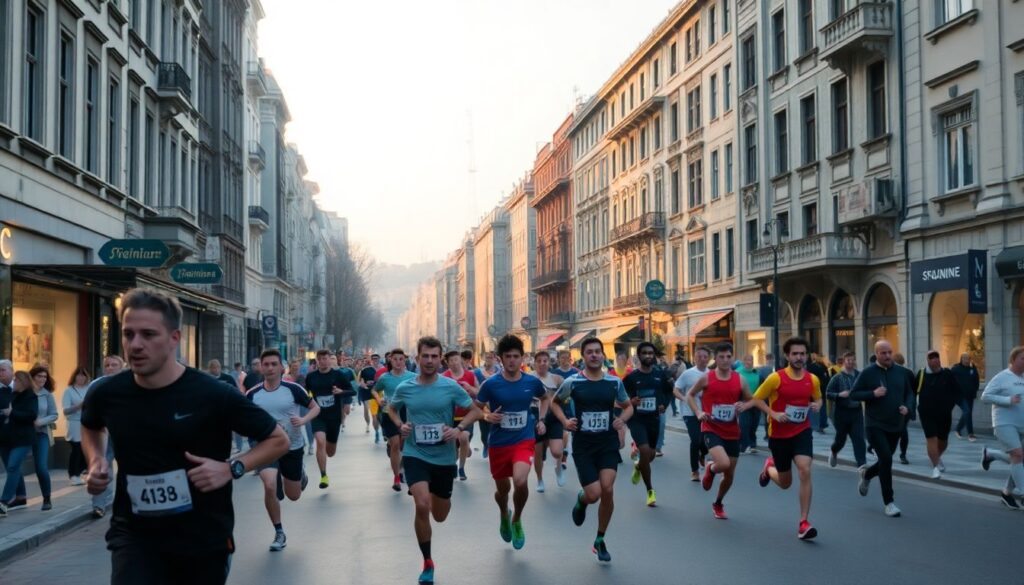
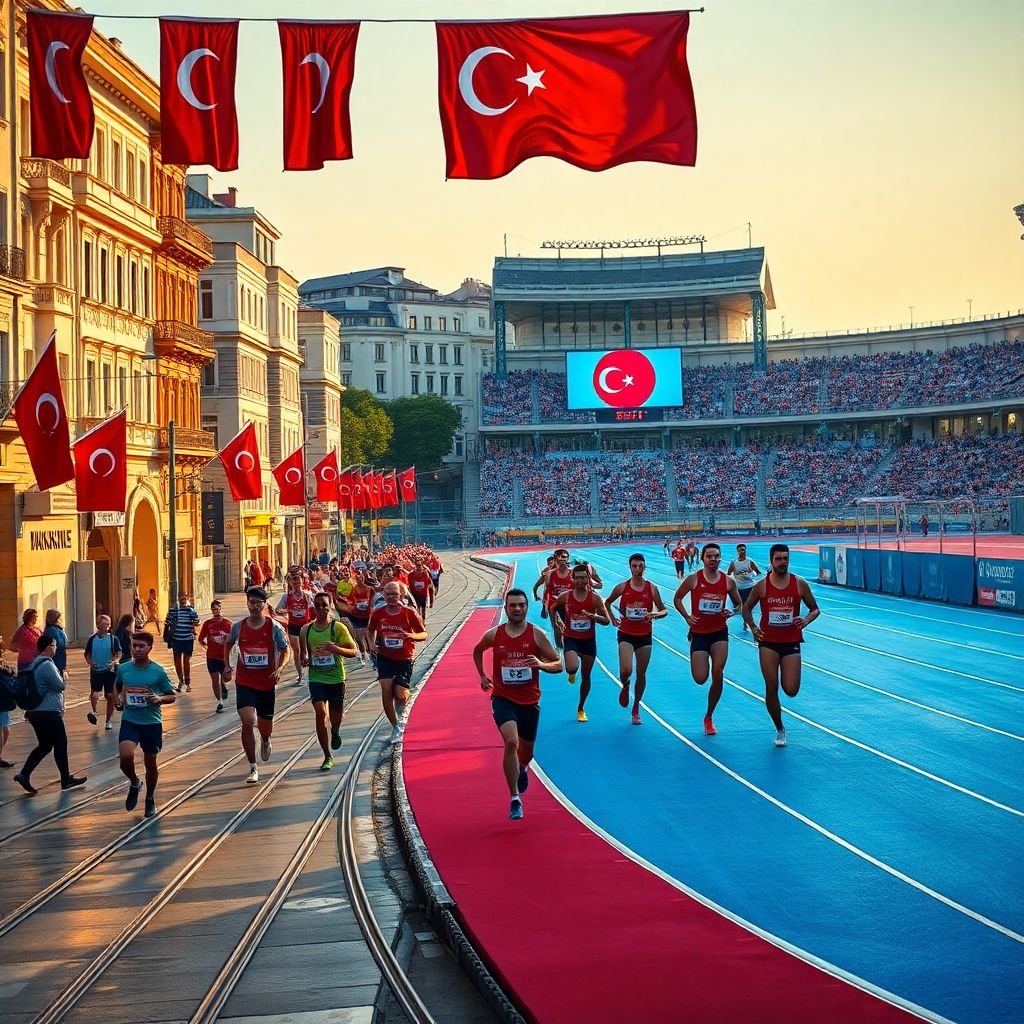
Walk down İstiklal Caddesi early on a Sunday and you’ll see something that barely existed 20 years ago: packs of runners in club jerseys weaving through tourists, people doing intervals up the side streets, kids in spikes heading to morning practice. That same energy has now spilled onto the world stage, where turkey olympic athletes 2024 are not just “happy to qualify” but openly targeting finals and medals. The rise looks sudden from the outside, yet it’s the result of a surprisingly systematic—sometimes chaotic, often creative—rebuild of an athletics culture that was for decades stuck between nostalgia and underfunding.
From village fields to stadium lanes: a compressed history
Turkish athletics history and records usually start with the 1930s and 1940s, when the young republic tried to use sport as a soft-power tool. In reality, the earliest track meets were closer to rural festivals than high-performance events: improvised cinder tracks, hand-timed sprints, long jump pits dug on the day. Still, by the 1950s athletes like Ruhi Sarıalp (bronze in triple jump at London 1948) showed that technical events could work even with limited infrastructure. The problem was continuity. Outside a few military and police clubs, there was no stable talent pipeline, so results came in waves and disappeared just as fast as they appeared.
The long plateau: when talent met bureaucracy
From the 1970s to the early 2000s, Turkey had enough raw talent to produce the best turkish track and field athletes in Europe on a good day, but the system kept tripping over itself. Coaching was heavily influenced by old Soviet-style volume training: huge mileage, limited periodization, minimal sports science. Many promising juniors burned out before 22. Record books barely moved; national records in some events stood untouched for decades. Worse, federation decision-making was slow and highly centralized, so by the time equipment orders, training camps or international race entries were approved, the season window was often gone. The few athletes who broke through did it almost in spite of the environment, relying on personal sponsors or studying abroad to get better coaching.
The turning point: when policy, money and culture finally aligned
Three levers that quietly changed everything
The recent rise didn’t come from a single “miracle program” but from three interacting levers. First, infrastructure: between roughly 2010 and 2023, Turkey built or upgraded more than a dozen all-weather tracks plus indoor arenas in Istanbul and elsewhere, replacing dusty ovals with surfaces that actually allow high-speed work and reliable biomechanical analysis. Second, scholarship routes: universities began to fight for athletes, offering tuition plus structured training schedules instead of treating sport as a side hobby. Third, targeted federation funding: altitude camps in Erzurum and international competition tours became predictable rather than one-off favors, giving athletes a real annual plan. When those three pieces clicked, personal bests started to fall with almost suspicious regularity, and turkey olympics medals track and field stopped sounding like a fantasy in most events.
Imported expertise, local identity
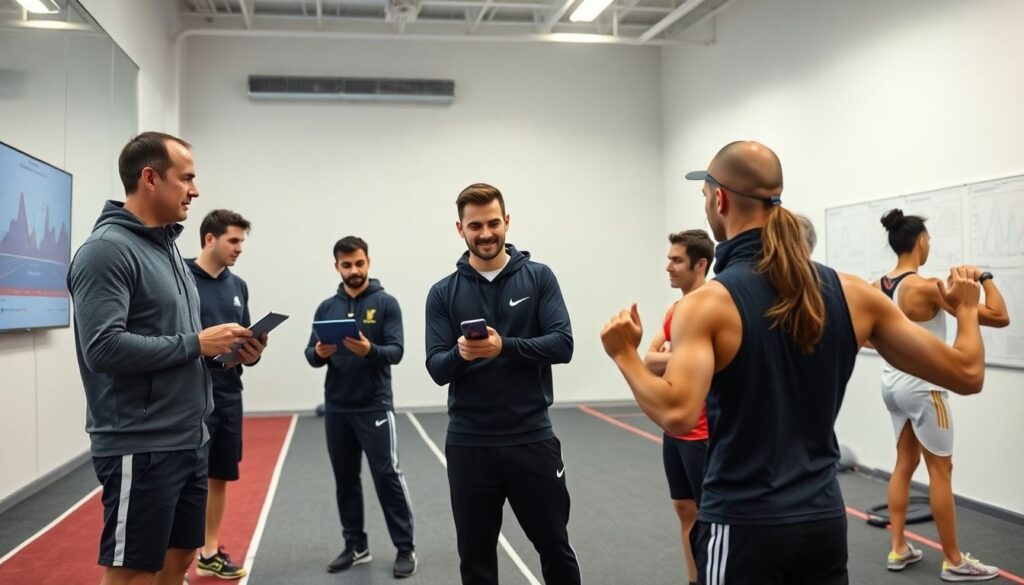
There’s a sensitive but important point: foreign expertise. Turkey didn’t just grow its own coaching tree; it actively recruited experienced sprint, middle-distance and jumps coaches from Europe and Africa. That brought modern periodization, GPS-based workload tracking and more nuanced strength and conditioning. At the same time, there was a conscious push not to lose the “Turkish way” of competing: aggression in tactical races, comfort with heat and travel, and an almost football-like fan culture. The best part is that many of these imported coaches now mentor Turkish assistants, creating a second generation of homegrown experts who think in VO₂ max curves and lactate thresholds but still know what it means to race in Mersin in August at 36°C.
Inside the training shift: how today’s athletes are actually working
From “run more” to “train smarter”
For decades, training diaries were basically mileage logs. Now, a top Turkish 1500 m runner’s week might include polarized intensity distribution (around 70–80% low intensity, 15–20% threshold, 5–10% very high intensity) mapped with heart-rate and blood lactate. Instead of guesswork, sessions run at 95–100% of vVO₂max are precisely controlled, and gym work includes force–velocity profiling rather than random circuit training. That’s a big reason the time gap to world level has shrunk from 8–10 seconds over 1500 m in the early 2000s to less than 3–4 seconds for the best turkish track and field athletes today. It’s not just “more effort”; it’s better allocation of stress and recovery within a tightly periodized macrocycle.
Technical block: VO₂ max vs. race performance
– VO₂ max (maximal oxygen uptake) sets an upper ceiling, but race performance is more tightly linked to running economy and lactate threshold.
– In practice, Turkish coaches now track 3 key markers: vVO₂max (velocity at VO₂ max), pace at 4 mmol/L lactate, and ground contact time in speed sessions.
– A 1500 m specialist might have VO₂ max in the 70–80 ml/kg/min range, but the critical gains come from improving speed at threshold by 3–4 seconds per lap over a season, not just pushing VO₂ max higher.
Data in spikes: how technology reached the track
If you look at turkish national athletics team news these days, you’ll see more mentions of GPS, force plates and motion-analysis labs than ever. Istanbul and Ankara training centers now run periodic biomechanical screenings: sprint starts filmed at 240 fps, jump take-offs analyzed for knee angle and vertical ground reaction force, and even hurdle clearance measured frame by frame. Some leading groups also use simple but powerful tech like contact mats for plyometrics and wearable sensors for hamstring load. Not every club has that budget, of course, but the elite squad does—and trickle-down knowledge means even smaller groups copy the concepts with low-cost tools like phone apps and timing gates. The gap is no longer “science vs. no science”; it’s now about how creatively each coach implements the same basic principles.
Key personalities: faces and turning points behind the numbers
From individual stars to a critical mass of contenders
Individual heroes matter because they reset expectations. When the first wave of internationally known names started placing in European and World finals, it shifted how young athletes thought about limits. Sprinters, for instance, no longer see 10.20 for 100 m as a “dream barrier” but as a reasonable target. In the field events, modern Turkish jumpers and throwers are competing consistently in Diamond League meets, which would have been unthinkable thirty years ago outside the odd wild card. These athletes don’t operate as lone wolves anymore; they train in groups of 6–10 high-performance peers, sharing pacemakers, physios and training camps. That group effect matters: performance research repeatedly shows that training “in a fast group” can be worth several tenths in sprints and multiple seconds in distance events purely through pacing and competitive stimulus.
Technical block: the “group effect” in performance
– Repeated studies in middle-distance running show that athletes training in groups close to their level improve race times 1–3% faster per season than isolated athletes.
– Mechanisms: improved pace control, psychological arousal, and better adherence to training plans (social accountability).
– Turkey’s shift to centralized training hubs magnifies this: a group of 5 athletes at 3:38–3:40 for 1500 m will often drag each other under 3:37 in one season if health is maintained.
Women’s events: quiet revolution, big upside
One underreported part of turkish athletics history and records is how fast women’s performances have improved since around 2010. Once facilities and coaching became more accessible, women started closing historic gaps to European standards. You can see this in the steady fall of national records in events like 400 m hurdles, pole vault, and longer distances. The real story is pipeline depth: youth and U23 squads in women’s sprints and jumps are now 3–4 athletes deep per event at a respectable European level, instead of a single standout. For a country that once sent one or two women per championship, this is a structural shift. It also changes locker-room culture; being a female athlete in track and field now feels normal, not exceptional, which reduces dropout rates at the exact ages where many potential elites used to quit.
Turkey at the Olympics: from participation to impact
Reading the 2024 moment correctly
Looking at turkey olympic athletes 2024, the key upgrade is not just the number of qualifiers but the distribution across disciplines: sprints, middle distance, throws, jumps, relays. In previous cycles, Turkey tended to concentrate its hopes in one or two events. Now you see multiple realistic shots at finals across the board, plus relay teams that can make it out of heats. Historically, turkey olympics medals track and field are rare; athletics has never been the “safe” medal farm that wrestling or weightlifting were. Yet reaching 4–6 finals in one Games fundamentally changes how the sport is seen domestically. Sponsors follow visibility, and kids tend to join sports where they see countrymen in prime-time slots, not just in early morning heats. In other words, the 2024 cycle isn’t just about medals; it’s about shifting athletics from niche to mainstream in the national sports psyche.
What counts as success now?
An underrated cultural change is the internal definition of success. For many years, simply qualifying for the Olympics was celebrated almost as a career peak. Now, elite groups talk in performance metrics: making semifinals as a baseline, hitting World Athletics ranking points, and planning multiple championship cycles instead of a “one shot and out” approach. Coaches design quadrennial plans where an athlete peaks at 26–28 instead of crushing them at 20 with overscheduling. That doesn’t guarantee podiums, but it does increase the density of athletes sitting close to world-class standards, which long term is what actually drives nations onto medal tables. In a way, the most important Olympic target for Turkey is not a single medal, but maintaining enough top-16 finishes to justify sustained investment past whatever political or media cycle is in fashion.
Unconventional levers: where Turkey can jump ahead instead of just catching up
Rethinking talent ID: from football rejects to dual-sport hybrids
Most countries still identify track talent via school meets or club trials. Turkey has a bolder opportunity: systematically scouting from the vast pool of football, basketball and even combat-sport athletes who don’t quite make pro level. Instead of treating them as “burnt prospects,” they could be fast-tracked into speed or power events. A winger with 10.7 hand-timed 100 m at 17 might never get a Super Lig contract, but he could become a 400 m hurdler with proper technical coaching. The same goes for basketball forwards transitioning to high jump or triple jump. A structured “second career” program with clear windows—say, 16–20 years old—and measurable transfer tests (flying 30 m time, countermovement jump, basic coordination drills) could produce small but explosive waves of athletes without waiting for the slow school-sports system to fully modernize.
Technical block: practical tests for cross-over athletes
– Flying 30 m with electronic timing: elite sprint potential typically under 3.10 s for men, 3.30 s for women.
– Standing long jump: over 2.80 m for men, 2.40 m for women as a crude power benchmark.
– Basic rhythm and coordination tests (hurdle walkovers, lateral jumps) to filter for technical events.
– If 2–3% of screened football/basketball academy dropouts meet these markers annually, that’s dozens of viable track prospects per year nationwide.
Turning cities into labs: urban endurance ecosystems
Another non-standard angle is urban design. Instead of seeing Istanbul’s chaos as a training obstacle, it can be treated as a living laboratory for endurance sports. Imagine dedicated “performance corridors” mapped for gradient, air quality and surface, where endurance groups can run tempo sessions without constant interruptions. Add to that strategically located micro-hubs: small containers or kiosks along these routes with ice baths, basic physio tools and secure storage, open to registered clubs. This costs a fraction of a new stadium but dramatically improves training quality in the environments where runners actually live. For middle-distance and road athletes who already do most of their volume off-track, this kind of city integration could give Turkey a tactical edge over nations that focus solely on traditional stadium infrastructure.
Managing the dark side: ethics, health and system stability
Why “fast now at any cost” is a trap
When a country experiences a rapid rise in results, the temptation is always to push harder, cut corners and chase short-term medals. Yet sustainable success in athletics requires obsessive attention to health: controlled training load, smart return-to-play protocols, and a crystal-clear stance on anti-doping. Sports science teams around the world now talk about “injury burden” as seriously as personal bests, and Turkey is no exception. A sprinter losing 40 training days per season to hamstring issues is not a medal threat, regardless of talent. Establishing national consensus guidelines for annual competition volumes, minimum off-season durations, and objective medical clearance for juniors could prevent repeating mistakes seen in other fast-rising nations that peaked hard and then collapsed under bans and injuries.
Building trust: transparent communication as a performance tool
There’s also the media angle. Modern fans follow turkish national athletics team news not only for results, but for behind-the-scenes context: training camps, injuries, comeback stories. Transparency actually stabilizes performance programs. When injuries, withdrawals or sudden breakthroughs are explained rationally—with training data, schedules and medical input—rumors lose power, and athletes feel less pressured to hide problems. Clear federation communication, including periodic technical reports written in accessible language, could both educate fans and protect athletes from unrealistic expectations. In the long run, a fanbase that understands the difference between a peak year and a rebuilding year is an asset, not a byproduct.
What needs to happen next: turning momentum into a lasting system
Coaches as the real “high-performance infrastructure”
Stadiums matter, but coaches multiply. If Turkey wants this rise to last, the next frontier is aggressive coaching development: funded internships with world-class groups abroad, mandatory continuing education every Olympic cycle, and clear career ladders so that the best minds don’t leave for unrelated jobs at 35. It’s also crucial to formalize knowledge that currently lives only in private group chats and training logs. Recording, anonymizing and analyzing several seasons of training data for the top 50 athletes, then turning that into open-source coaching manuals and case studies, would put Turkey among the few nations that treat coaching as a scientific and collaborative discipline rather than a guarded “secret recipe.”
Athletes as co-designers, not just executors
Finally, there’s a cultural shift that could push Turkey from “strong participant” to genuine powerhouse: involving athletes more directly in system design. That doesn’t mean letting them write their own workouts, but it does mean structured feedback on federation calendars, travel logistics, camp locations and even competition priorities. Listening to a 1500 m runner explain why a particular circuit meet is more valuable for ranking points than a politically popular but low-level domestic race might sound mundane, yet these micro-decisions add up to macro-performance. The most resilient high-performance systems in the world treat elite athletes as informed partners, not as replaceable units. For a country whose sporting identity grew out of noisy, participatory football culture, this kind of dialogue should feel natural rather than revolutionary.
From İstiklal to the world: a new kind of Turkish sports story
Seen from afar, the rise of Turkish athletics can look like another “late modernizer” catching up with the usual powers. Up close, it’s a more interesting story about how a football-obsessed country learned to value seconds and centimeters as much as goals, and how everyday runners on İstiklal and in neighborhood parks connect, indirectly but tangibly, to spikes on Olympic tracks. The next decade will show whether Turkey turns this momentum into a robust, self-correcting system or settles for a few bright Olympic cycles. The ingredients—facilities, coaching brains, athlete depth and a growing fan base—are already on the table. What happens now depends on whether the sport can stay curious, experimental and honest enough to keep evolving long after the first big medals arrive.