The New Face of Turkish Beach Volleyball
From Side Courts to Center Stage
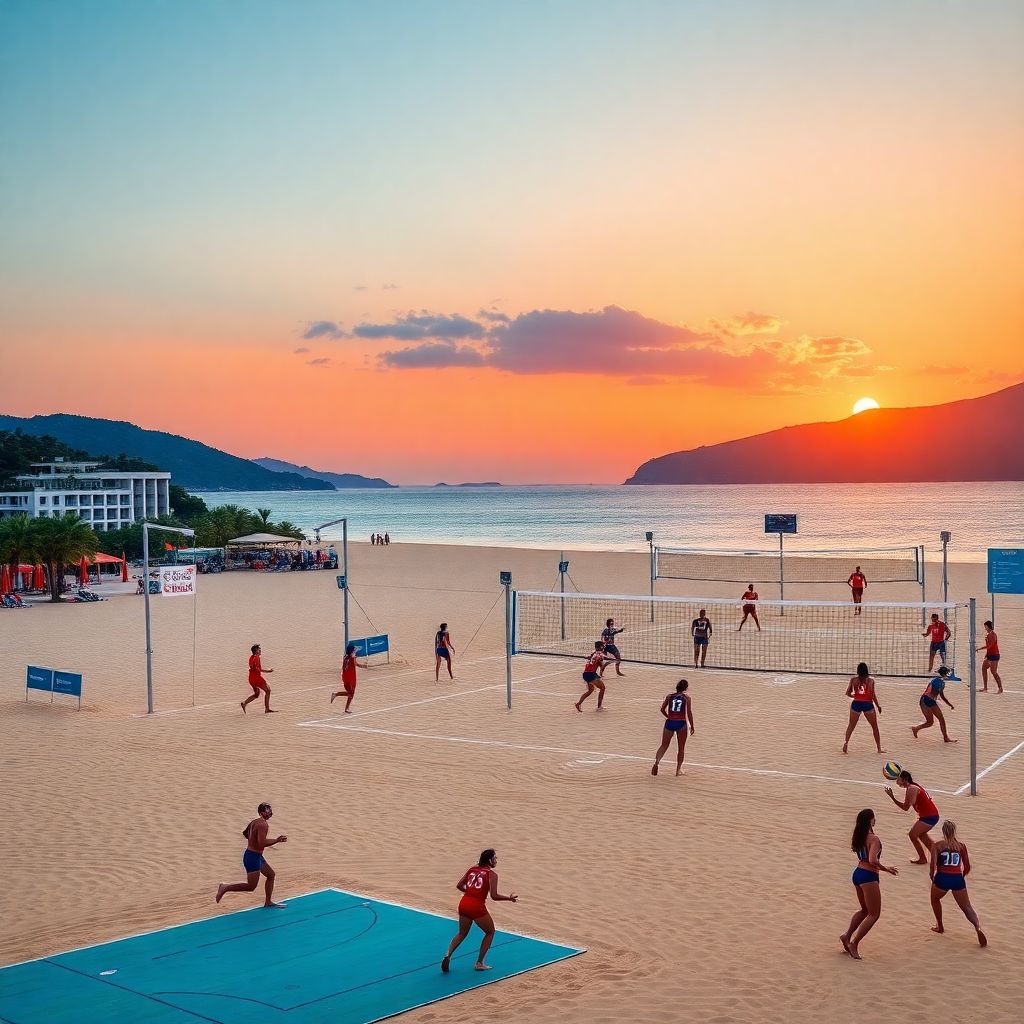
Just ten years ago, beach volleyball in Turkey was a side attraction, squeezed between sunbeds and beach bars. Now it’s turning into a reason to travel on its own. Players from Europe and the Middle East are actively booking beach volleyball holidays Turkey style, where the main event isn’t the all‑inclusive buffet but a packed schedule of drills, scrimmages and sunset games. This shift happened because local municipalities and hotel chains finally saw numbers: full flights, longer stays and off‑season arrivals. As a result, more beaches get permanent courts, lights for night matches and certified coaches, while small coastal towns compete to host FIVB‑calibre events instead of just generic summer festivals.
Comparing Approaches to Beach Volleyball Tourism
Resort‑Centered vs Local‑Community Spots
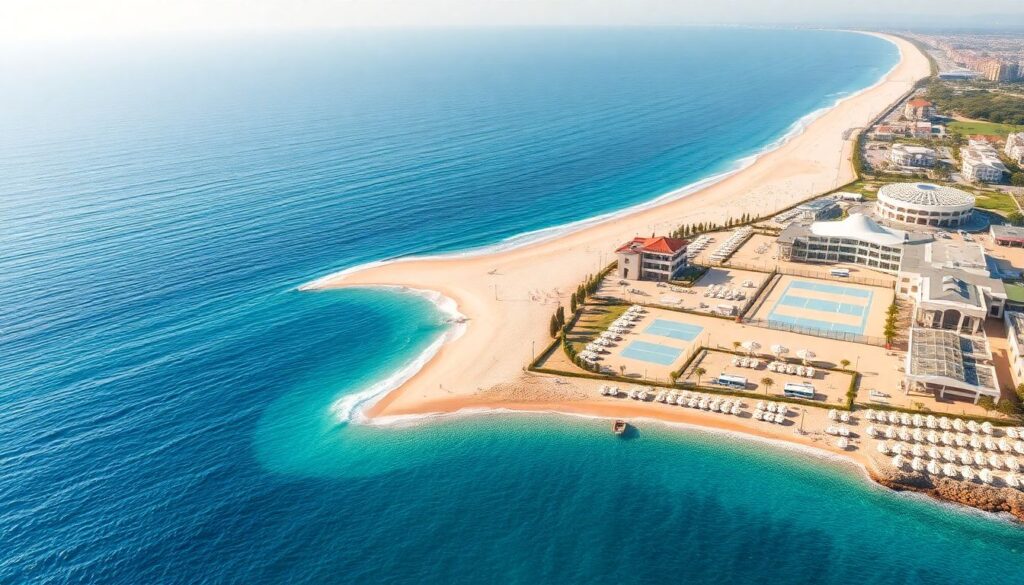
Two distinct models are forming along the coast. On one side you have polished antalya beach volleyball resorts, where everything is integrated: courts, gym, physio, nutrition, analytics and airport transfers. This “one‑invoice” model is ideal for clubs and corporate groups that want predictable quality and minimal logistics. On the other side are community‑driven beaches—Alanya, Mersin, smaller coves near Kaş—where local clubs maintain courts and run open sessions. Here you get more authentic contact with Turkish players, flexible pricing and street‑level culture, but less predictability in equipment and scheduling. For serious athletes the resort model reduces friction, while community beaches can be better for long stays, improvisation and mixed‑level play.
Camps, Tournaments and Tailor‑Made Trips
Another split appears in how trips are structured. Classic beach volleyball camps Turkey wide focus on intensive training blocks: two sessions a day, video breakdowns and optional strength work. They’re run by ex‑pros who standardize programs across dates and venues. Parallel to that, agencies are building custom mediterranean coast turkey beach sports packages, combining volleyball with diving, trail running or yoga. That hybrid format attracts couples and mixed groups where not everyone is a hardcore player. For competitive athletes, pure camps deliver more repetition and clear progress metrics; for advanced amateurs or families, mixed packages lower the risk of “volleyball burnout” and make the trip easier to sell to non‑players. The market is gradually segmenting, and operators that try to please everyone often end up with shallow offerings.
Technology on the Sand: Pros and Cons
Tracking Performance and Smart Courts
Tech has quietly reached the shoreline. Top turkey mediterranean beach hotels with sports facilities now offer radar for serve speed, jump‑height sensors and portable cameras linked to instant replay screens. The upside is obvious: players finally get hard data instead of vague coaching cues like “jump higher” or “swing faster.” Over a week you can see quantifiable gains, which justifies travel costs for clubs with tight budgets. The downside is that sand is messy: sensors misread in bright sun, cameras overheat, and maintaining calibrated systems on a salty, windy beach is expensive. Many smaller venues buy gadgets for marketing photos and then leave them half‑working. The tech truly pays off only where there’s staff trained to interpret data and integrate it into daily coaching, not just press “record.”
Digital Platforms, Streaming and Training Apps
Off the court, digitalization changes how players choose where to go. Camps that stream key sessions or host online Q&A build trust long before anyone books a flight. In 2026, most serious Turkish organizers run bilingual apps or platforms where you can see coach bios, level requirements, sample drills and live availability. The benefits are transparency and community: groups form on Discord or WhatsApp months ahead, people arrange shared rooms and even set training goals together. But there’s a catch: smaller local clubs struggle to keep up with the content race and visibility algorithms, even if their coaching is excellent. As a result, travelers may overvalue places with slick marketing and underestimate low‑profile beaches that actually offer better sparring and more court time per euro. Critical reading of reviews and direct communication with organizers become essential filters.
How to Choose Your Ideal Spot
Practical Criteria for Players and Fans
With so many options along the Mediterranean, choosing a location can feel overwhelming. Instead of chasing the loudest Instagram account, it helps to run through a clear checklist that matches your level, goals and budget. For most people, the right beach is where court quality, coaching, climate and off‑court life align, not just where the biggest names show up once a year. To keep the decision grounded, use a simple, structured approach and be honest about how serious you are about training versus vacationing.
1. Define your primary goal: skill progress, competition prep or social fun.
2. Check coach‑to‑player ratios and minimum skill requirements.
3. Ask for a sample weekly schedule, including rest and recovery options.
4. Confirm court maintenance standards and equipment quality (balls, lights, nets).
5. Evaluate access: flight options, transfer time, medical support nearby.
This type of filter quickly narrows dozens of potential spots down to a manageable shortlist that actually fits your expectations.
Trends and Forecast for 2026 and Beyond
What’s Shaping the Next Five Years

By 2026, beach volleyball in Turkey has clearly moved from experiment to strategic pillar of coastal tourism. The next phase will likely be about specialization and season expansion. Expect more winter and shoulder‑season events as operators add heated pools, covered sand domes next to beaches and partnerships with indoor arenas for bad‑weather days. Environmental pressure will also grow: sand protection policies, restrictions on temporary structures and stricter noise rules will push organizers to design smarter, lighter events instead of massive one‑off festivals. On the sporting side, regional leagues linking Turkish, Greek and Balkan coasts are already in pilot talks, which could turn the Mediterranean into a connected competition circuit. If that materializes, Turkey’s hidden gems—small bays with two or three world‑class courts—may become regular stops for semi‑pro players chasing ranking points, and the line between “holiday” and “season preparation” will blur even further.