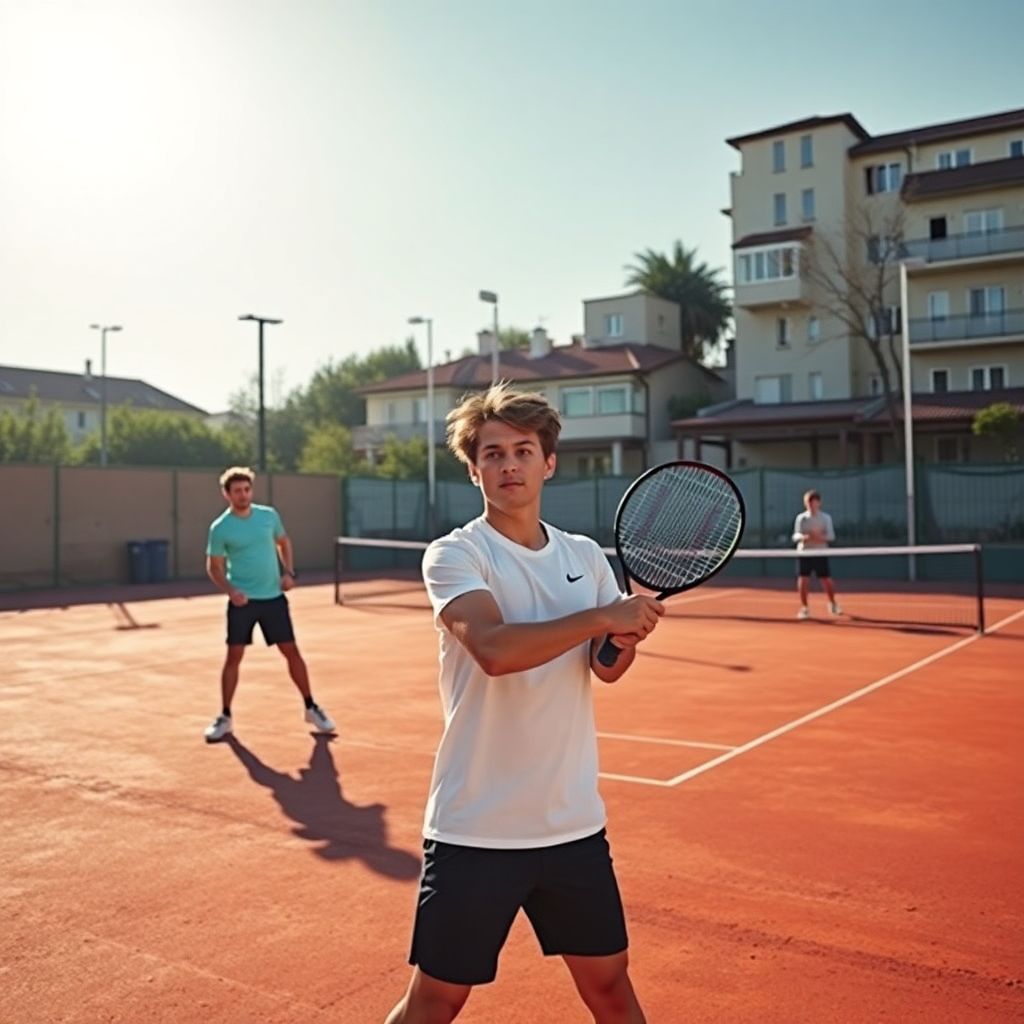
Turkish players tend to excel most on clay because local clubs and tennis academies in Turkey with clay courts dominate the infrastructure, the climate allows long clay seasons, and junior calendars prioritize it. Hard courts are increasingly important for transition to pro tours, while grass remains niche for short blocks and specific game styles.
Surface Performance Snapshot for Turkish Players
- Clay dominates domestic training volume, so most juniors develop a baseline-heavy, high-spin style.
- Hard courts are essential for players targeting international ITF and ATP/WTA events.
- Grass is a short, specialist season; Turkish players rarely grow up on it.
- Budget, especially tennis court construction cost per square meter, pushes many clubs toward hard courts.
- Injury profiles differ: clay stresses endurance, hard courts load joints, grass challenges stability.
- Surface choice should depend on long-term game identity, not only on current national tournament supply.
Historical Development of Tennis in Turkey and Its Impact on Surface Exposure
When comparing clay, grass, or hard court for Turkish players, history shows why clay usually feels more natural and successful.
- Club traditions: Many older coastal and city clubs invested early in clay, building a culture of long rallies and endurance-based tennis.
- Climate fit: Hot, dry summers and mild shoulder seasons make outdoor clay practical for long periods, while grass is hard to maintain consistently.
- Construction economics: Because tennis court construction cost per square meter can be high for natural grass and indoor complexes, clubs often pick either classic clay or lower-maintenance hard courts.
- Coaching lineage: Coaches who were trained on European clay tend to replicate those methods, further strengthening clay dominance.
- Domestic tournament structure: Junior and adult calendars in Turkey historically feature more clay events, so competitive experience accumulates there.
- Facility upgrades: Newer private centers often add hard courts to align with international schedules, slowly rebalancing clay vs hard exposure.
- Limited grass tradition: Lack of grass-specific know-how, maintenance staff, and budget means grass remains mostly a showcase surface, not a development base.
- Club maintenance capacity: Clubs without enough staff or clay court maintenance equipment for clubs often shift some courts to acrylic hard to reduce daily workload.
Biomechanical and Tactical Traits That Favor Clay, Grass or Hard Courts
The comparison below links surface type to biomechanics, tactics, and calendar planning for Turkish players.
| Variant | Best suited for | Advantages | Drawbacks | When to choose |
|---|---|---|---|---|
| Clay courts | Baseline players with heavy topspin, good endurance, and patience in constructing points. | Encourages point building, improves movement efficiency, lower direct joint impact, ideal for junior development; strong fit with many tennis academies in Turkey with clay courts. | Requires intensive daily care; sliding demands specific footwork; transition to faster courts can be challenging if over-specialized. | Primary surface for U10-U16 in Turkey, for players targeting European clay swings, and when focusing on tactical development and rally tolerance. |
| Hard courts | All-court players with solid first-strike patterns, aggressive returns, and compact swings. | Balanced bounce and speed; great preparation for most ITF/ATP/WTA events; less daily maintenance than clay; supports efficient coaching blocks. | Higher cumulative load on knees, hips, and lower back; can punish poor landing mechanics; hot Turkish summers increase surface temperature. | Key transition surface for ambitious juniors, for pre-season blocks before hard-court tours, and where clubs lack full clay infrastructure. |
| Grass courts | Players with strong serves, precise slices, early contact, and confident net play. | Rewards aggressive, short-point tennis; sharpens serve +1 patterns and volleys; useful for diversifying skill set. | Short season; technically demanding for movement; very high maintenance needs; limited access in Turkey. | Short preparation phases before international grass events; occasional weeks for variety and to expand tactical options. |
From a practical coaching angle, hard court vs clay court tennis advantages must be weighed carefully: clay is superior for learning patience and spin, whereas hard courts better simulate the average professional tournament environment.
Training Infrastructure, Climate and Seasonal Access to Different Surfaces
Surface choice in Turkey is strongly shaped by facility realities and local climate patterns.
- If you train mainly in big cities (Istanbul, Ankara, Izmir), then expect easier access to both clay and hard; plan your macrocycle with roughly equal blocks once fundamentals on clay are solid.
- If your club has only clay courts and limited budget, then prioritize long-term clay development, but schedule periodic training camps on hard at regional centers to avoid a performance gap.
- If your club is considering a new build or resurfacing, then factor in tennis court construction cost per square meter plus local maintenance expertise: when high, a small mix of clay and hard is often better than one expensive grass show court.
- If your region has very hot, dry summers, then early mornings and late evenings on clay are ideal, while indoor or shaded hard courts become critical during mid-day heat.
- If indoor facilities are limited in winter, then hard courts under a balloon or simple cover provide more playable hours than outdoor clay; adjust your tactical emphasis toward flatter shots and aggressive returns in these months.
- If the club lacks professional clay court maintenance equipment for clubs, then avoid overbuilding clay that will deteriorate; a few high-quality clay courts plus robust hard courts serve player development better.
Statistical Case Studies: Match Records and Player Profiles by Surface
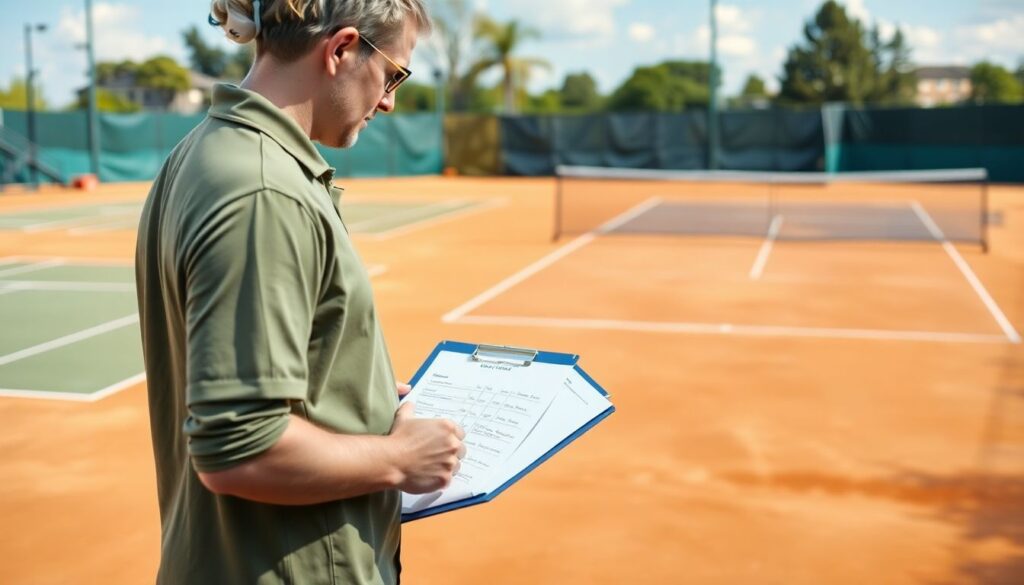
Even without detailed numbers, coaches can use a simple evidence-based checklist to decide a player’s main surface pathway.
- Track win-loss records separately for clay, hard, and any grass events across at least one full season.
- Note how points are won: forced errors, unforced errors, winners, and rally length patterns per surface.
- Assess physical response: soreness after matches, recurring pain areas, and recovery time differences between clay and hard.
- Compare performance at home vs away tournaments to see if local surface familiarity is skewing results.
- Identify which surface best supports the player’s long-term game identity (e.g., aggressive baseline vs counterpunching vs all-court).
- Align training volume: dedicate the most weekly hours to the surface where the player’s potential and tour goals intersect, not necessarily the current win percentage.
- Re-evaluate every six months to adjust the emphasis as technical skills and physical qualities evolve.
Coaching Practices and Skill Drills Tailored to Each Court Type
Certain coaching habits slow Turkish players’ progress when switching among clay, grass, and hard courts.
- Focusing only on clay-based patterns in academies that primarily feature clay, instead of deliberately planning hard-court transfer drills.
- Ignoring footwear specificity and not recommending the best tennis shoes for clay courts or appropriate sole patterns for hard and grass surfaces.
- Running identical movement drills on all courts without adjusting for slide mechanics on clay or lower traction on grass.
- Overloading players with maximum-intensity hard-court sessions immediately after long clay blocks, increasing joint stress.
- Skipping dedicated net-play and slice blocks, which reduces potential benefits of occasional grass-court exposure.
- Underestimating the learning curve for serve and return on faster courts and not scheduling enough repetition volume there.
- Failing to coordinate with club management on scheduling, leading to players constantly switching surfaces within the same training day.
- Neglecting to simulate tournament conditions (balls, match timing, scoring pressure) on each surface type, limiting transfer from practice to competition.
- Teaching generic tactics instead of surface-specific patterns such as high, heavy cross-court on clay or first-strike inside-out forehands on hard.
Decision-path Recommendations: Choosing a Development Route by Surface
The decision-path below translates these comparisons into a simple, coach-friendly tree.
- If the player is U14 and mostly trains at tennis academies in Turkey with clay courts, make clay the primary surface, with structured hard-court camps two to four times per year.
- If the player’s game is naturally aggressive with strong serve and return, increase hard-court exposure and use clay blocks to deepen defense and physical resilience.
- If the player shows chronic joint or back discomfort on hard, shift more training to clay, refine landing mechanics, and limit back-to-back hard-court tournament weeks.
- If the player aims at international events that include grass weeks, organize short, intensive grass blocks to practice low contacts, slice, and net approaches.
- If club resources are limited and travel is difficult, build the training model around the dominant local surface, then use video analysis and occasional camps to cover gaps.
Practically, clay is usually best for early and mid-stage development of Turkish players, hard courts are best for preparing serious competitors for the global schedule, and grass is best as a short, targeted phase for players with aggressive, forward-oriented games who will actually compete on it.
Practical Questions Coaches and Players Ask About Surface Choice
Which surface should a Turkish junior under 14 prioritize?
Most should prioritize clay because it builds movement, spin, and tactical patience, and it matches the majority of domestic events. Complement this with planned hard-court blocks to avoid over-specialization.
When does it make sense to invest more in hard-court training?
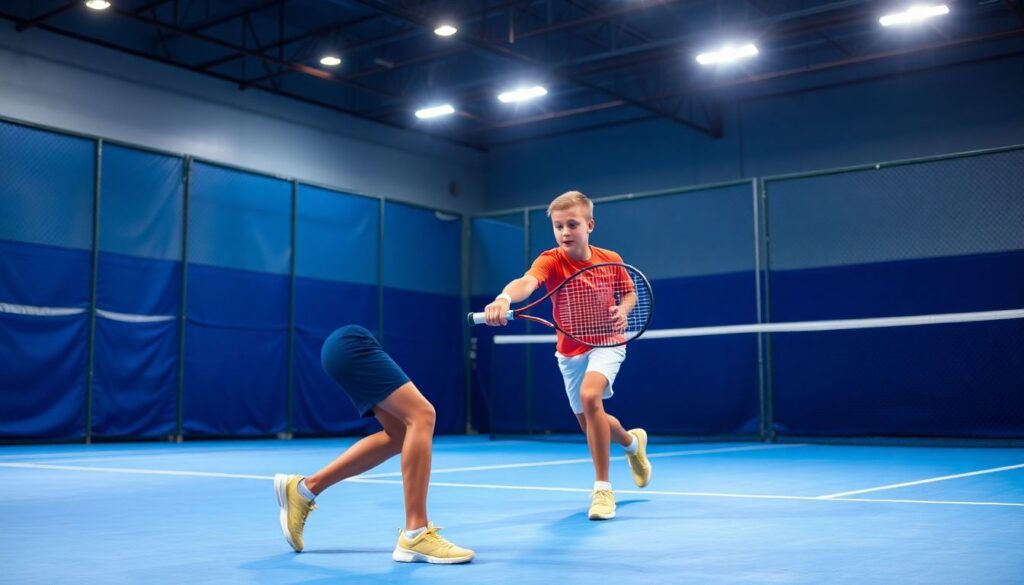
Increase hard-court volume once the player regularly competes in ITF events or targets scholarships and professional pathways, as most key tournaments are played on hard.
Is grass worth considering if there are no local grass courts?
Yes, but only for players who will actually play grass tournaments. In that case, plan short, intensive preparation blocks abroad or at rare domestic venues offering grass.
How should footwear change between clay and hard courts?
Use clay-specific herringbone soles or the best tennis shoes for clay courts on clay for controlled sliding, and more durable, supportive outsoles on hard courts to handle abrasion and impact.
How can a small club choose surfaces when budget is tight?
Calculate realistic tennis court construction cost per square meter including maintenance. Often, a mix of a few well-maintained clay courts plus several hard courts is more sustainable than attempting grass.
How do I protect players from injury when transitioning from clay to hard?
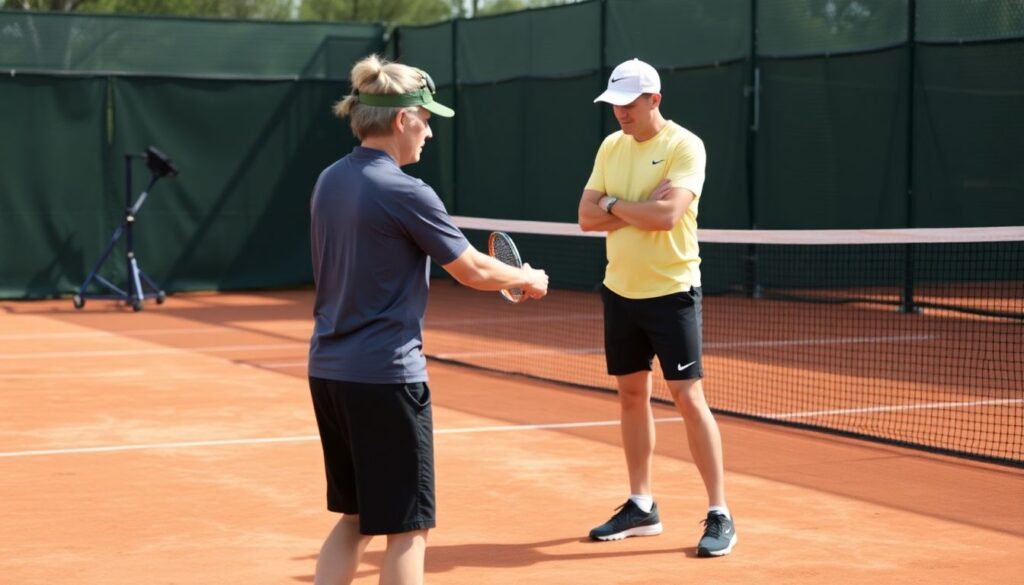
Gradually ramp up hard-court load, emphasize strength and landing mechanics, reduce volume of long baseline drills early, and monitor joints and back closely for the first weeks.
What if a player’s results are good on clay but poor on hard?
Identify which patterns fail on hard, then design specific drills to shorten swings, improve serve and return, and adapt court positioning. Do not abandon hard courts if long-term goals include international competition.