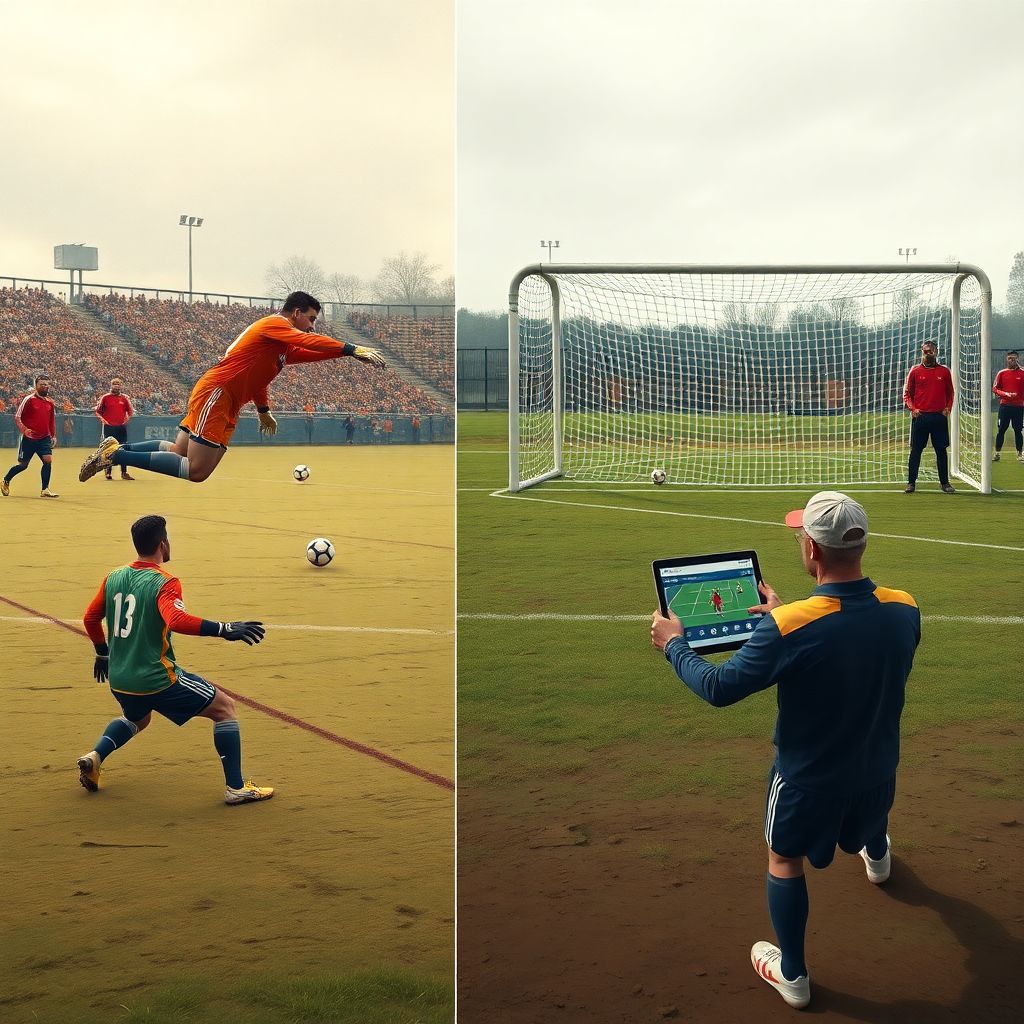
Turkish goalkeeping has changed so much that a keeper from the 90s would hardly recognize today’s role. Where once everything revolved around raw reflexes and dramatic dives, now coaches talk more about angles, scanning, passing options and timing of movement. To understand how to grow in this environment, it helps to walk step by step through this evolution: from reaction-based shot‑stoppers to modern, positionally intelligent playmakers in gloves. Along the way you’ll see where typical mistakes come from, how experts suggest correcting them, and what a beginner actually needs to focus on to avoid getting lost in the flood of drills and buzzwords that surround modern goalkeeping in Turkey.
Step 1: From instinctive shot‑stoppers to structured technique
Early generations of Turkish goalkeepers built their game on courage, athleticism and intuition. Training was mostly about facing hundreds of shots, diving until your hips burned and hoping that repetition would polish your instincts. Expert coaches now admit that this approach created spectacular reflex saves but also unstable careers: good nights followed by disastrous ones, especially under pressure in European matches. The first big shift came when foreign specialists arrived and local staff started analysing body shape, set position and hand placement. If you are just starting, resist the urge to rely only on “natural talent”. Build a repeatable basic stance, consistent footwork patterns and controlled dives before chasing highlight‑reel saves.
Step 2: Positioning as the new superpower
Modern Turkish goalkeeping is defined by where you stand one second before the shot, not only by how fast you fly afterward. Analytical coaches began using video to show keepers that a tiny step forward or a half‑step to the side often decides everything. Professional goalkeeper academies in Istanbul now run dedicated positioning blocks where young players freeze the action, call out the ideal spot, then move there before the ball is even played. Experts warn that beginners often over‑attack the ball, ending up too close to the striker, or retreat all the way to the line. A practical rule is to imagine connecting the posts with a rope and always staying on that line, adjusting depth based on the distance to the ball. Simpler ideas like this are far more effective than memorising complicated theory.
Step 3: From line‑keeper to eleventh outfield player
As Turkish clubs adopted higher defensive lines and more pressing, goalkeepers had to leave their comfort zone and act almost like sweepers. Suddenly it was not enough to guard the goal; you had to cover the space behind your defenders, offer a passing option under pressure and start attacks with calm distribution. Veteran coaches say the biggest shock for older keepers was not running out for through balls, but dealing with the fear of making a mistake forty metres from goal. To adapt, goalkeeper training camps in Turkey began adding game‑based scenarios: receiving back‑passes, playing one‑touch to the full‑back, or clipping diagonals to the winger. If you are new, avoid the trap of blasting every back‑pass long. Start by mastering a clean first touch and a relaxed pass into midfield during low‑intensity exercises, then gradually add pressure and speed.
Step 4: Integrating technology and online learning

One of the most useful changes for young Turkish keepers is access to structured knowledge. Instead of depending on a single club coach, you can learn from Turkish goalkeeper coaching courses online that break down every micro‑skill: catching techniques, set position against different shot distances, or decision‑making on crosses. Experienced instructors emphasise that technology is a tool, not a shortcut. Watching ten highlight compilations will not replace focused, repeated work on basic movements. A common mistake is copying the style of a famous European star whose physical attributes and league context are totally different from yours. Use online content to understand principles, then adapt them with the help of a local specialist who knows your body type, match level and club environment; this combination accelerates progress without creating bad habits.
Step 5: Equipment evolution and smart choices
Another underestimated part of this evolution is gear. Older generations in Turkey often played with heavy, poorly gripping gloves and bouncy balls on hard pitches, which pushed them toward punching and reactive saves. Today, the best goalkeeper gloves for Turkish league conditions focus on strong grip in varied weather, finger protection balanced with flexibility and cuts that suit more agile, mobile styles. Experts caution beginners against obsessing over expensive models without understanding fit. Too big and you lose control on clean catches; too tight and your hands fatigue and technique deteriorates. When possible, test different palm types during wet and dry sessions, ask your coach to film you, then review how securely you handle crosses and low shots. Let the footage, not the marketing, tell you whether your equipment actually improves your performance.
Step 6: Learning inside specialised academies
With the role becoming more complex, professional goalkeeper academies in Istanbul and other big cities started offering structured, age‑specific pathways. Their philosophy shifted from “train like a pro from day one” to building layers: first coordination and fall technique, then handling and footwork, and only later advanced tactical positioning and playing under pressure. Experienced academy directors warn that parents and young players often demand early spectacular drills, like flying top‑corner saves, just for social media clips. That rush skips essential foundations and increases injury risk. If you enrol in such a program, look for careful warm‑ups, progressive difficulty, and coaches who explain why a drill matters in real matches. A good session leaves you mentally clearer about decisions, not just physically exhausted.
Step 7: Club environment and personalised coaching
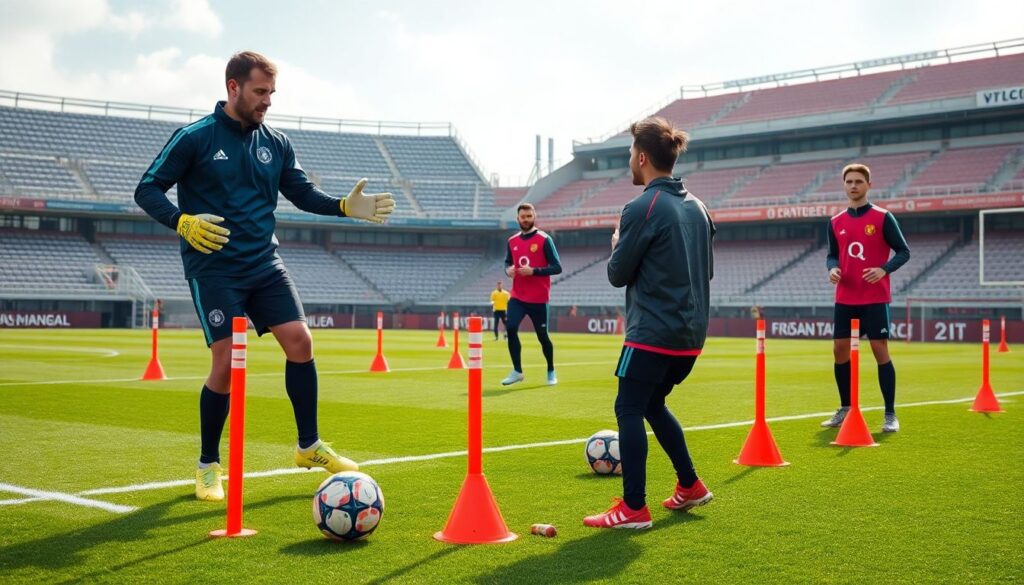
At competitive levels, clubs increasingly try to hire Turkish goalkeeper coach for clubs who can bridge academy methods with first‑team reality. These specialists design individual plans tailored to each keeper’s strengths, whether it’s explosiveness, communication or distribution. However, even the best coach cannot help if you treat sessions as isolated events. Experts repeatedly point out a recurring mistake: keepers switch technique every time a new coach arrives, instead of building a stable core and just adding refinements. As a player, take ownership. Keep a simple training journal, note what works, track your save types in matches, then discuss patterns with your coach. This collaborative attitude turns coaching from one‑way instruction into a real partnership, mirroring how top professionals manage their development.
Step 8: Practical tips for beginners in modern Turkish goalkeeping
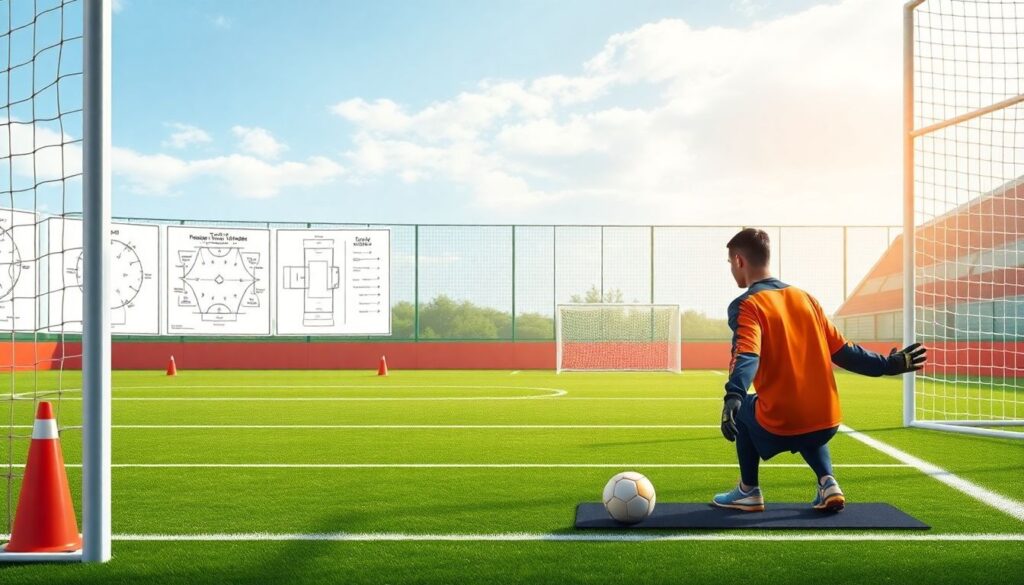
For someone just stepping into goal, the modern demands can feel overwhelming: positioning diagrams, build‑up schemes, conditioning plans. Seasoned Turkish experts suggest narrowing your focus to three pillars for the first year. First, stability: perfect your basic set position, controlled landings and ball security on simple shots. Second, vision: get used to scanning the field before every action, even in training, so reading the game becomes automatic. Third, communication: learn clear, short commands in Turkish that your defenders understand under stress. Avoid the temptation to chase advanced “pro drills” you see from elite clubs before you can reliably perform simpler tasks. Better to be excellent at basics than average at everything; this mindset reflects exactly how goalkeeping has evolved from flashy reflexes toward quiet, reliable positioning.