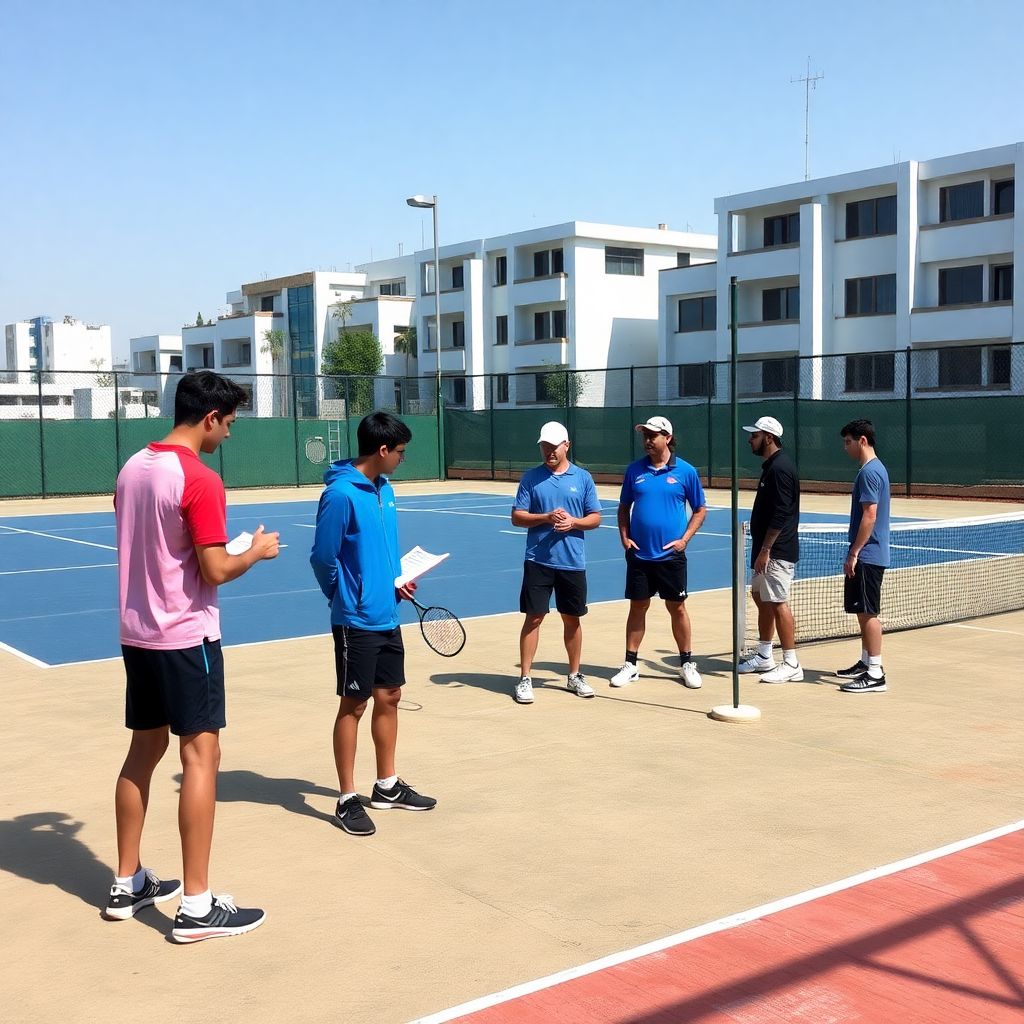
Turkish tennis development is constrained less by talent and more by systemic gaps: uneven infrastructure, fragile junior pathways, limited high-performance coaching, and unstable financing. Preventing long-term damage means fixing basics quickly: regional planning, real performance benchmarks, integrated education, and better use of existing clubs, tennis academies in Turkey, and training camps.
Debunking Persistent Myths About Turkish Tennis Development
- Myth: "We just need one superstar to change everything." Reality: sustainable progress comes from broad, well-structured junior tennis programs in Turkey, not a single Grand Slam miracle.
- Myth: "Courts equal development." Reality: without professional tennis coaching Turkey will only produce recreational players, no matter how many hard courts are built.
- Myth: "Foreign camps will fix our level." Reality: short overseas trips matter less than year-round planning, quality sparring, and daily monitoring at home clubs and academies.
- Myth: "Resorts mean high performance." Reality: even the best tennis resorts in Turkey mainly target tourists; performance players need periodised training blocks, not holiday schedules.
- Myth: "Federation funding alone is enough." Reality: a healthy system blends federation support, club economics, sponsors, and family investment in a predictable structure.
- Myth: "Talented kids will succeed anyway." Reality: without structured transitions between age groups, many top 12U and 14U players simply disappear from the pathway.
Historical Evolution: From Local Clubs to National Ambitions
Tennis development in Turkey has moved from a club-based, almost entirely recreational model to a more ambitious, performance-oriented system targeting Grand Slam qualification and stable rankings. The core definition today: a coordinated pathway from mini-tennis to professional tours, supported by facilities, coaching, competition, and education.
Initially, development meant a few private clubs in big cities running local leagues and summer courses. There was limited connection between promising juniors and a clear professional route. As tennis academies in Turkey started to appear, the idea of systematic high-volume training, team support, and international exposure became more realistic, but still uneven across regions.
Now the vision includes:
- Broad participation at primary-school level, especially in public schools.
- Regional performance centres feeding national squads.
- Structured cooperation between clubs, academies, and the federation for calendar planning, selection, and funding.
- Clear expectations for players and parents at each stage: what "good" looks like at 10, 14, 18, and pro levels.
Defining the scope correctly is crucial. Development is not just buying balls and racquets; it is also about regulations, coach education, talent retention, and realistic investment. Confusing "activity" (many tournaments, many projects) with "development" (measurable improvement in level and rankings) remains a frequent strategic error.
Infrastructure Reality: Courts, Academies and Regional Disparities
Infrastructure is the visible part of Turkish tennis, but it hides major regional differences. Understanding how it actually works helps avoid costly mistakes when planning new venues or programs.
- Court distribution and surface mix
Urban centres (Istanbul, Ankara, Izmir, Antalya) concentrate most courts, indoor facilities, and clay/hard variations. Many smaller cities rely on a few multi-sport complexes, which limits training volume in winter and diversity of surfaces needed for international play. - Role of clubs vs academies
Traditional clubs often prioritise social members, while dedicated tennis academies in Turkey focus on performance groups. A common mistake is expecting a social club to act like a high-performance centre without changing staff, budget, and daily schedule. - Seasonal pull of resorts and camps
Antalya and coastal regions host some of the best tennis resorts in Turkey, plus many tennis training camps Turkey advertises to foreigners. For Turkish juniors this can be a double-edged sword: high-quality sparring is available, but training may be organised around tourism, not annual performance plans. - Indoor access and climate constraints
Regions with harsh winters often lack adequate indoor courts. Juniors lose months of proper training, then rush into match play in spring unprepared. A quick prevention step is to pre-plan indoor blocks in other regions or partner facilities instead of accepting "winter off" as normal. - Facility management and utilisation
Many centres operate at low utilisation during school hours, then overload courts in the evening. Smart scheduling with schools and municipalities can turn empty daytime slots into structured junior sessions at low cost, instead of building new under-used courts. - Quality of supporting infrastructure
Gym space, medical support, video analysis rooms, and study areas are often ignored. This leads to overuse injuries and academic stress. Prevent this by planning a "whole-day" environment: training, rehab, and homework in one location where possible.
| Region / Setting | Age Focus | Main Resources | Typical Gaps | Fast Prevention Tactics |
|---|---|---|---|---|
| Big-city clubs (Istanbul, Ankara) | 10-18 | Multiple courts, group programs, local tournaments | Overcrowded groups, little individual planning | Cap group sizes, design written yearly plans, rotate coaches across squads |
| Performance academies / camps (Antalya, Izmir) | 12-23 | High training volume, foreign opponents, fitness staff | Short-term camp mentality, weak school integration | Link every camp to clear goals, partner with online schools, track progress |
| Smaller cities and public facilities | 7-14 | Basic courts, PE teachers, municipal support | Few qualified coaches, limited competition | Remote coach education, regular visits by regional coaches, cluster tournaments |
Talent Pathways: Identifying and Retaining Junior Prospects
Talent pathways describe how a beginner in Turkey moves step by step towards international competition. Without clear stages and selection criteria, even strong juniors drift away. Early identification is important, but retention through stressful teenage years is even more critical.
- School and entry-level programs
Many talented kids first touch a racquet through school PE or municipal projects. The frequent error is not tracking them after the initial term. Fast prevention: run simple testing days twice a year and directly connect selected kids to local junior tennis programs in Turkey. - Club squads and early competition (8U-10U)
Here the risk is overcompeting and undertraining. Parents are pushed into travelling every weekend. Prevent burnout by setting limits: defined maximum tournaments per term, basic technical checklists, and at least one "rest month" per year from official events. - Transition to regional and national level (12U-14U)
Promising players often sit between local and national level with no clear plan. They attend occasional tennis training camps Turkey offers but lack consistent quality at home. Prevention: make an annual schedule mixing local events, regional camps, and 2-3 targeted international tournaments, with written goals for each block. - Balancing school and performance (15U-18U)
Dropout risk peaks here. Academic pressure, social life, and rising tennis costs collide. Families and coaches must design realistic school plans (flexible schools, online options) and adjust training volume around exam seasons instead of forcing "normal" school on a non-normal lifestyle. - Entry into pro levels (ITF, ATP, WTA)
Players frequently jump into too many international events too fast, burning finances and confidence. A better approach: dominate national level first, then add a limited, well-chosen international calendar. Each tour block should have defined ranking and performance targets, debriefed after every trip. - Using resorts and academies strategically
The best tennis resorts in Turkey and high-level academies are powerful tools only when integrated into the yearly plan. Avoid "random camp" syndrome; select camps based on surface, timing before key tournaments, and quality of sparring partners.
Coaching, Sports Science and Education Gaps
Even with good infrastructure, development fails if coaching and support systems do not match international standards. Turkey has many enthusiastic coaches, but the system still struggles to integrate sports science and coach education into daily practice.
Strengths and Practical Advantages
- Growing pool of coaches exposed to international methods via tournaments, online courses, and professional tennis coaching Turkey provides in key centres.
- Established culture of long training hours and strong work ethic, especially within competitive academies.
- Access to sports science knowledge through universities and private clinics, particularly in major cities.
- Relatively low cost of court time and coaching compared with many Western European countries, which can support higher training volumes.
Limitations, Common Errors and Fast Fixes
- One-size-fits-all training plans
Many programs use the same drills for 9-year-olds and 17-year-olds. Prevention: create age-specific periodisation templates and require every performance coach to individualise them for each player. - Neglect of physical development stages
Growth spurts are often ignored, leading to overuse injuries. Quick fix: regular height/weight tracking, simple movement screenings twice a year, and automatic volume reduction during peak growth phases. - Minimal integration of sports science
Data from fitness tests or match statistics is rarely used. Prevention: start small-track serve percentages, unforced errors, and simple fitness metrics every quarter and discuss them in coach-player-parent meetings. - Coach isolation and weak mentoring
Coaches work alone in their clubs, repeating the same patterns. Fast fix: regional coach meetings, session exchanges, and short internships at stronger centres, especially where professional tennis coaching Turkey is already world-level. - Limited parent education
Parents overreact to short-term results. Prevention: mandatory orientation sessions explaining development stages, realistic timelines, and financial planning before families join performance groups. - Academic planning as an afterthought
Study loads are adjusted late, when grades already drop. Fix: design education strategies at 12-13, not at 16-17; explore flexible schools and online programs early.
Financing the Pipeline: Federation, Sponsors and Club Economics
Money does not guarantee success, but poor financial structures almost always guarantee failure. In Turkey, tennis relies on a mix of family budgets, clubs, academies, the federation, municipalities, and occasional sponsors. Misunderstanding how these pieces fit creates avoidable stress and dropouts.
- Error: Treating parents as passive payers
Families fund most costs but rarely receive tools for budgeting and decision-making. Prevention: provide sample annual budgets per performance level and honest explanations of likely future costs at each age. - Myth: "Federation will cover everything if you are good"
This belief leads to disappointment and conflict. Clarify early: federation support is selective and partial. Players still need planned family and sponsor contributions, even in national teams. - Error: Overbuilding facilities without sustainable plans
Municipalities or investors build complexes without long-term business models, then cut programs when losses appear. Prevention: tie new projects to realistic participation forecasts, mixed-use plans (public, schools, events), and transparent financial reporting. - Myth: "Sponsors appear automatically with results"
Results help, but sponsorships come from networking and professional communication. Young players and academies should learn basic sports marketing: building profiles, presenting proposals, and delivering value, not just asking for money. - Error: Ignoring travel and education costs in planning
Families invest in equipment and lessons, then discover that international travel and alternative schooling cost more than expected. Prevention: include travel, medical, and education adjustments in any long-term financial plan from the beginning. - Myth: "Cheaper is always better for development"
Saving money on coaching quality or medical care may cost much more later. Focus on "cost per real improvement": fewer, higher-quality weeks (for example, targeted tennis training camps Turkey offers with strong coaching) often beat many low-level events.
Outcome Metrics: Ranking Progress, Tournament Presence and Benchmarking
Assessing the state of Turkish tennis development requires clear metrics: national and international rankings by age, player presence in main draws, depth of competitive fields, and injury and dropout rates. Without these, decisions are based on impressions, not evidence.
At practical level, every club, academy, and region can adapt a simple monitoring loop to avoid common mistakes:
- Define 3-5 key indicators per age group (for example: national ranking band, fitness benchmarks, school performance, training volume).
- Record them every 3-6 months for all performance players.
- Compare against realistic benchmarks from stronger nations or from leading local programs.
- Adjust annual plans, training content, and tournament calendars based on gaps rather than emotions.
Mini-case example: a regional centre notices that its top 14U players lag behind peers from a national academy in serve speed and match fitness, despite similar hours on court. After tracking data for one season, the coaches reallocate two weekly sessions from generic drilling to targeted serve and conditioning blocks, integrate a short consultation with a university sports science department, and schedule focused camps at a nearby academy known for professional tennis coaching Turkey uses for its national team members. Within a year, players close the physical gap, results improve, and unnecessary tournament trips are reduced-an illustration of how structured metrics and modest adjustments can protect finances and careers while moving closer to Grand Slam-level readiness.
Direct Answers to Practical Development Questions
How early should a child in Turkey specialise in tennis?
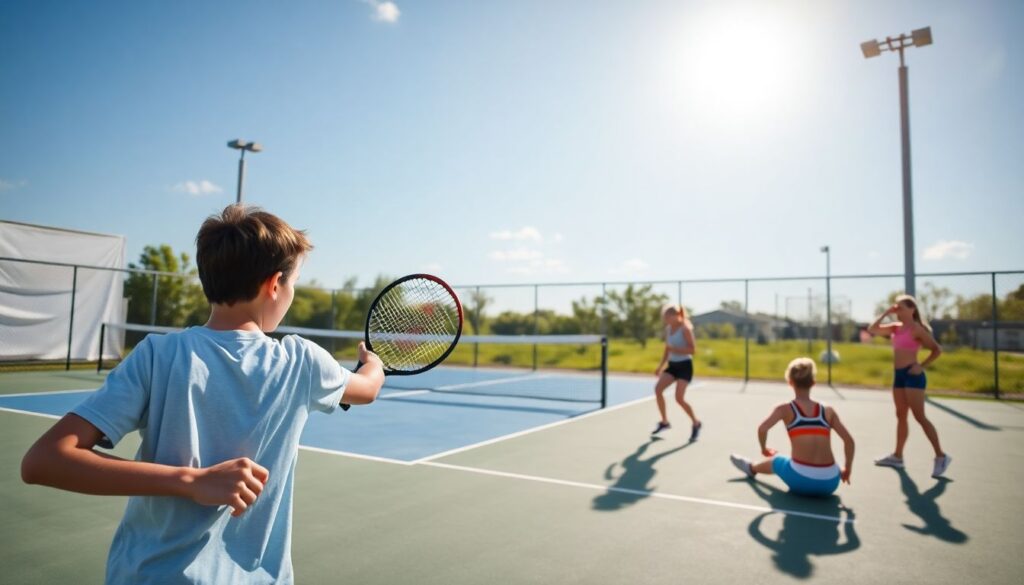
Before 12, keep 1-2 other sports for coordination and fun while training tennis 2-4 times per week. From 12-14, gradually increase tennis volume if motivation and progress are clear, but still keep at least one complementary activity like athletics or gymnastics.
What is the minimum structure a serious junior program should have?
A serious pathway needs: yearly planning, at least three tennis sessions and two fitness sessions per week, regular competition, written feedback after tournaments, and basic coordination with school. Without these, it is a hobby program, not performance development.
Are tennis academies in Turkey necessary for high performance?
They are not mandatory, but they help when local clubs cannot provide strong sparring, enough hours, or expert coaching. Many players combine a home club base with periodic blocks at an academy and selected tennis training camps Turkey offers before big events.
How can families quickly reduce the risk of burnout?
Limit tournament numbers, schedule true rest weeks, and separate performance reviews from emotional post-match discussions. Agree on non-tennis days each week and at least one extended off-season block per year for physical and mental recovery.
What should I look for when choosing between the best tennis resorts in Turkey and a pure training academy?
For performance, prioritise quality of coaches, daily schedule, fitness integration, and level of sparring partners over hotel comfort. Resorts work well for short-term camps; full-time development usually fits better in specialised academies with stable training groups.
How do we know if a junior is ready for international tournaments?
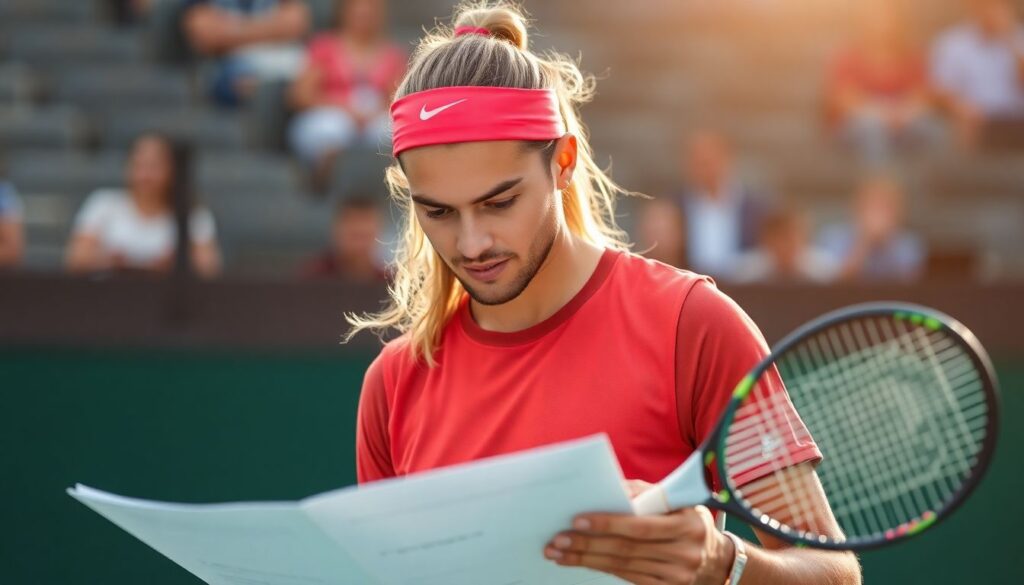
Use benchmarks: consistent wins against top national peers, physical readiness to play back-to-back matches, emotional stability in pressure situations, and financial planning for at least a small series of events instead of one "test" tournament.
Can a strong student still aim for high-level tennis in Turkey?
Yes, but it requires early planning: flexible school options, clear priorities during exam periods, and realistic expectations about training volume. Many 14-18-year-olds manage both by tightening schedules and cutting low-value activities like unplanned social media time.