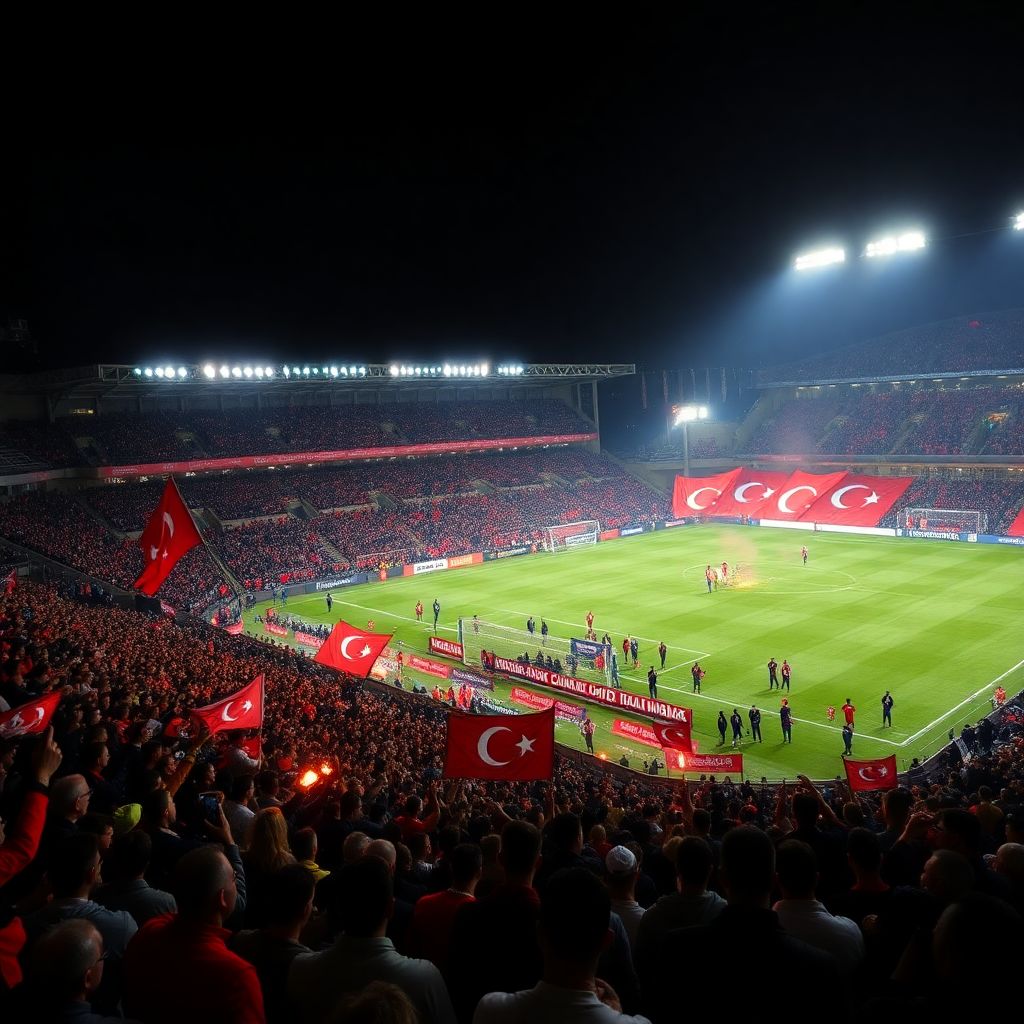
A Turkish football derby is a high-intensity match between rival clubs whose proximity, history and fan culture create more than a normal league game. In Turkey this means clashes such as Galatasaray-Fenerbahçe, Fenerbahçe-Beşiktaş or regional duels where city pride, politics, class and identity are all contested on and off the pitch.
Defining a Turkish Football Derby: Criteria and Context
- A derby is built on geographic closeness, repeated meetings and a shared history that fans remember in detail.
- In Turkey, derbies mix football with politics, class, religion and local pride more openly than in many leagues.
- Iconic clashes include Istanbul giants, Black Sea rivals and city pride battles in Ankara and İzmir.
- Derby culture is shaped by ultras, chants, banners, rituals and strict matchday security measures.
- Understanding derbies helps fans plan trips, journalists frame stories and organizers design safer events.
- For visitors, choosing Turkish football derbies tickets or Istanbul football derby tours requires basic knowledge of these rivalries.
Istanbul’s Classic Clashes: Galatasaray, Fenerbahçe and Beşiktaş Through Time
In Istanbul, a derby means far more than two teams sharing a city. Galatasaray, Fenerbahçe and Beşiktaş each embody distinct social roots, neighbourhoods and myths. Their clashes divide workplaces, families and districts, turning league fixtures into citywide events followed across Turkey.
The Galatasaray-Fenerbahçe rivalry is often framed as Europe versus Asia, elite school versus popular club, central Istanbul versus Kadıköy. Beşiktaş add a third pole, long associated with more left-leaning, neighbourhood-based support. Every meeting revives stories of legendary players, controversial refereeing and dramatic last‑minute goals.
For visitors, this history matters when choosing Galatasaray Fenerbahce derby tickets or planning which match to attend. Night kick‑offs in Kadıköy feel different from Sunday afternoons at Beşiktaş’s waterfront stadium. The atmosphere, choreography and even pre‑match rituals in each area reflect those long-standing identities.
Provincial Rivalries: İzmir, Ankara, Trabzon and the Regional Stakes
Outside Istanbul, Turkish football derbies revolve around provincial pride and regional identity rather than national media spotlight. These rivalries show how smaller cities and regions use football to assert themselves against both local neighbours and Istanbul powerhouses.
- İzmir city pride: Matches between traditional İzmir clubs often reflect cultural differences between coastal, student-heavy districts and more conservative areas, with stadiums becoming stages for the city’s internal debates.
- Ankara’s capital clashes: Rivalries in the capital pit historic working-class clubs against newer or more institutionally backed teams, mirroring bureaucratic versus grassroots tensions.
- Trabzon and the Black Sea: For Trabzon and neighbouring clubs, derbies express Black Sea regional identity and resistance to Istanbul dominance, with intense atmospheres despite smaller capacities.
- Neighbourhood and industrial towns: In industrial regions, derbies often carry workplace or factory origins, with supporters linking club colours to local economic stories.
- Promotion and relegation pressure: Provincial derbies frequently decide promotion spots or survival in the Turkish Super Lig, adding financial and emotional stakes for entire cities.
Mini-scenarios for using this derby map in practice
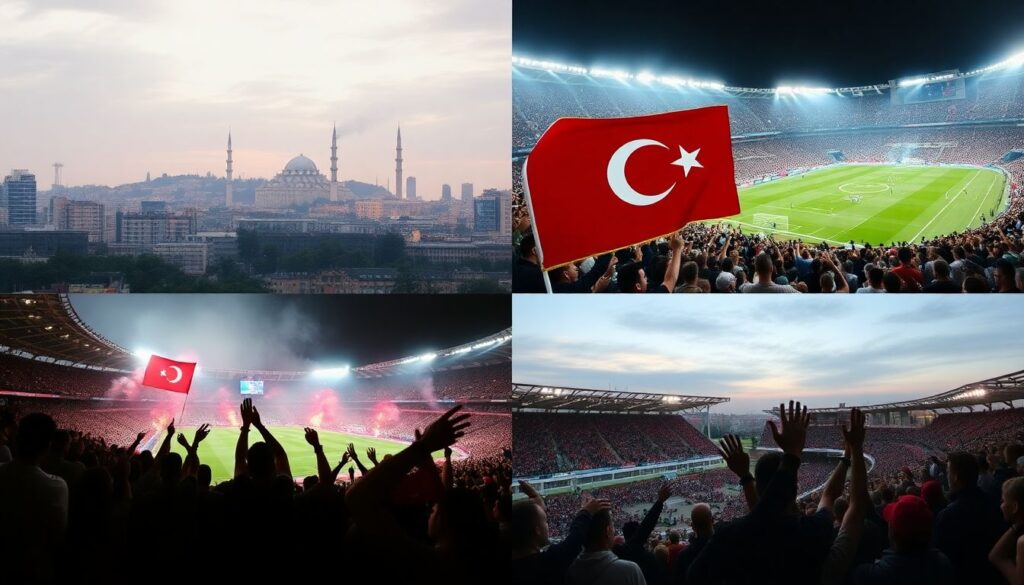
Journalists preparing a feature can use these provincial examples to avoid centering only Istanbul and instead show how Ankara or Trabzon fans experience rivalry. Event planners designing Istanbul football derby tours can add a side trip to a Black Sea or İzmir derby to contrast atmospheres and broaden the narrative.
Fans researching Turkish football derbies tickets might combine an Istanbul giant match with a smaller city rivalry on the same trip. This allows one high-profile experience plus one closer, more localised match where supporters, accents and stadium routines feel very different from Istanbul’s big stages.
Supporter Identity: Ultras, Chants, Symbols and Matchday Rituals
Supporter groups turn ordinary fixtures into emotionally charged derbies. Ultras in Turkey organise banners, pyrotechnics, choreographies and constant chanting, each with distinctive visual styles and political undertones. Understanding their codes helps you read a derby’s atmosphere rather than simply hearing loud noise.
- Chants and songs: Every major club has signature chants that narrate history, mock rivals or affirm local pride. Learning just a few refrains helps visitors connect respectfully and avoid misusing politically loaded slogans.
- Colours and emblems: Scarves, graffiti and flags extend the club into everyday city space. In Istanbul, colours mark cafes, ferries and streets, signalling which side of a derby you are entering.
- Pre‑match gatherings: Fans meet hours before kick‑off in set streets, markets or waterfront areas. These spots are some of the best places to watch Turkish football derbies in Istanbul on big screens when you cannot get inside the stadium.
- Travel rituals: Away trips to derbies involve convoys, songs on buses and strict police escorts. Even for neutral tourists, observing these movements from a distance offers a live lesson in group identity.
- Digital storytelling: Supporters now document matchday via fan TV channels and social media, creating archives that researchers and new fans can use to understand evolving chants, banners and narratives.
Politics, Class and Localism: Societal Forces Shaping Rivalries
Derbies in Turkey often act as condensed versions of wider social debates. Political affiliations, economic differences and neighbourhood tensions surface in songs, banners and sometimes in disputes with club managements and authorities. This double role of football as sport and social stage has both advantages and risks.
- Strengths of politicised and localised derbies
- Create powerful spaces of belonging for marginalised or underrepresented groups.
- Preserve local dialects, humour and memory through songs and matchday storytelling.
- Attract global attention, making clubs and cities visible beyond the Turkish Super Lig table.
- Inspire creative visual culture: tifos, graffiti, street art and independent media projects.
- Limitations and potential harms
- Political tensions can escalate into conflict, especially when polarised national debates enter the stadium.
- Class-based stereotypes between different fan bases harden, making dialogue between groups more difficult.
- Authorities may respond with heavy-handed security, impacting peaceful supporters and families.
- Media focus on incidents can overshadow community work and charitable projects run by fan groups.
On-Pitch Dynamics: Tactical Trends and Decisive Moments in Derby Football
Matches labelled as derbies rarely follow normal tactical patterns. Players face noise, pressure and symbolism that complicate clear decision-making. This environment produces recurring myths and errors among both fans and analysts trying to interpret what happens on the pitch.
- Myth: form decides everything. In practice, struggling teams often raise performance in derbies because emotional intensity closes the gap, so recent results are a weak predictor compared with psychological preparation.
- Myth: derbies are always violent and chaotic. Many Turkish derbies are tense but tactically disciplined, especially when coaches prioritise compact defending and set‑piece routines over open attacking play.
- Myth: local players care more than foreigners. Foreign players frequently become derby icons, absorbing club culture quickly and sometimes handling pressure better thanks to experience in other heated rivalries.
- Error: ignoring refereeing context. Officials are under exceptional scrutiny; early yellow cards or penalty decisions can reshape tactics, tempo and crowd mood far more than in ordinary matches.
- Error: assuming one derby result defines a season. Emotionally it may feel decisive, but league titles, relegation or European qualification usually depend on consistency, not just two or three rivalry games.
Matchday Safety and Organization: Policing, Segregation and Fan Welfare
Modern Turkish derbies require careful organisation: police operations, ticket controls, away-fan segregation, transport planning and emergency readiness. This tries to balance intense atmosphere with safety, while also accommodating international visitors who buy Turkish Super Lig derbies hospitality packages or standard tickets without understanding local norms.
Imagine an organiser planning a high-profile Istanbul derby. They coordinate staggered arrival times, assign separate entrances for rival fans, limit away allocations and work with clubs on announcements in multiple languages. Meanwhile, tour operators designing Istanbul football derby tours brief guests on dress codes, neutral meeting points and respectful behaviour guidelines.
For individuals, safe matchday practice includes buying Turkish football derbies tickets only from official channels, arriving early to pass security calmly, avoiding rival end sectors and planning exit routes. Families or mixed‑allegiance groups often choose hospitality or neutral stands, trading maximum noise for greater comfort and safety.
Practical Answers for Fans and Researchers About Turkish Derbies
How is a Turkish football derby different from a normal league match?
Derbies add layers of history, local identity and political symbolism to regular competition. The same league points are at stake, but the emotional value for fans and cities is far higher, influencing build‑up, choreography, media coverage and long-term memory.
Which Turkish derbies are most suitable for a first-time visitor?
An Istanbul derby involving Galatasaray, Fenerbahçe or Beşiktaş offers the clearest introduction, but hospitality sectors or more family-oriented stands are usually better for first-timers. Alternatively, a smaller provincial derby can provide intense atmosphere with less logistical complexity.
Where should I look for Turkish football derbies tickets as a foreign fan?
Use official club sites, league-approved platforms and recognised tour operators rather than street resellers. Some agencies bundle Galatasaray Fenerbahce derby tickets or other rivalry games into travel packages that include guides, transport and safety briefings.
Are organised Istanbul football derby tours worth it?
For visitors unfamiliar with local language, security routines and stadium locations, guided tours can reduce stress and risk. They often combine pre‑match neighbourhood walks, historical explanations and coordinated stadium entry, which is valuable on high-tension derby days.
What are the best places to watch Turkish football derbies in Istanbul without going inside the stadium?
Supporter pubs and cafe streets near but not directly next to stadiums usually provide the safest and most atmospheric option. Waterfront areas and central districts with big screens let you feel the citywide tension while avoiding the densest crowds.
How do Turkish Super Lig derbies hospitality packages change the experience?
Hospitality packages offer better seating, food, security and sometimes guided access, at a higher price. They are useful for mixed groups, corporate guests or researchers who want to observe the match comfortably while still absorbing much of the derby atmosphere.
What should researchers focus on when studying Turkish derbies?
Useful angles include supporter self-organisation, the language of chants, matchday policing strategies and the relationship between club management and fan groups. Combining stadium observation with interviews in neighbourhoods and cafes gives a more complete picture.