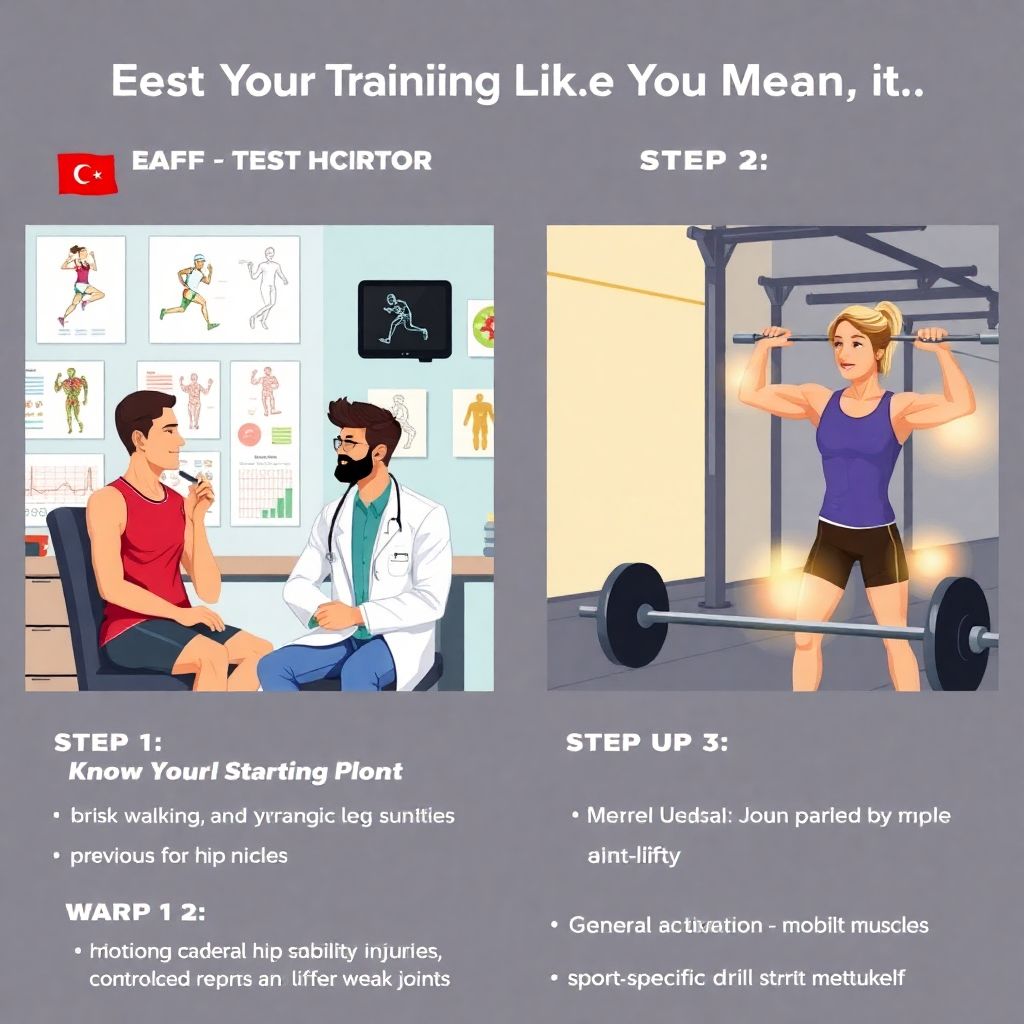
Step 1. Know Your Real Starting Point
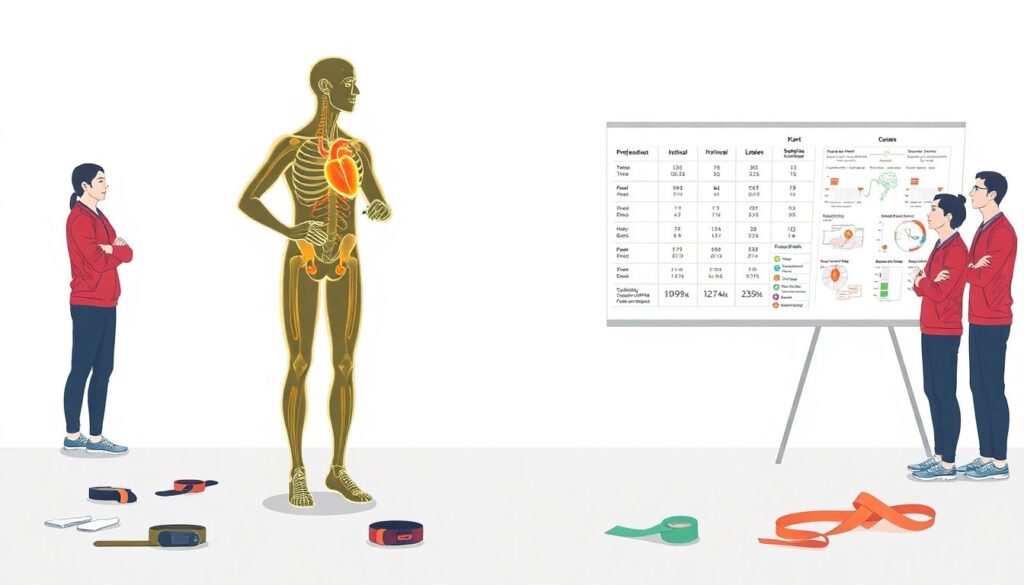
Before talking about gadgets, taping and fancy exercises, you need one honest thing: a clear picture of your current condition. Many amateur athletes copy the training plans of pros, but their heart, joints and connective tissues are simply not ready. Turkish coaches say that most injuries they see come from “ego, not from bad luck”. If you have access to a check-up, a turkish sports doctor for athletes can run basic tests: heart, blood pressure, range of motion, previous trauma. Even one visit can show which joints are weak links and what loads are safe for you during the next three to six months, instead of training blindly and hoping for the best.
Step 2. Warm-Up Like You Mean It, Not Just Formally
A rushed warm-up is the classic prelude to pulled muscles and tweaked backs. The goal isn’t to get tired, but to switch the body from “office mode” to “training mode”. Turkish trainers usually split warm-ups into three parts: general activation, joint mobility, and sport-specific drills. For a runner, that could be brisk walking, then dynamic leg swings and hip circles, followed by short accelerations. For lifters, it’s light cardio, then controlled reps with an empty bar. Doctors from sports injury clinic turkey often stress that good warm-ups raise muscle temperature, improve nerve conduction and literally make tissues more elastic, so the same sudden move that would tear a cold muscle just becomes a strong contraction in a well-prepared one.
Step 3. Build Training Loads Gradually, Not Heroically
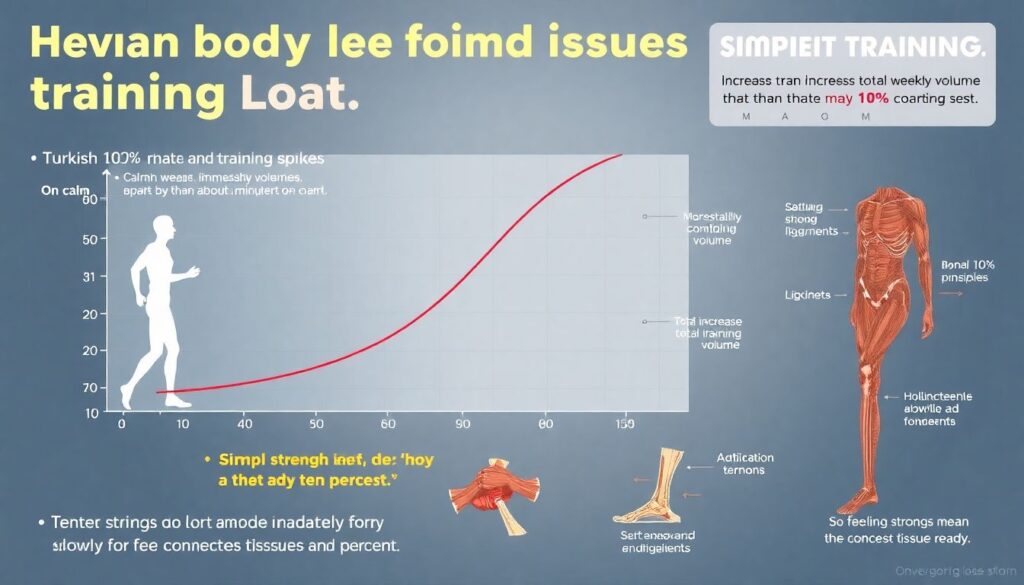
The body loves consistency and hates sudden spikes. A simple rule many Turkish strength coaches use is the “10% principle”: don’t increase total weekly volume (kilometers, sets, minutes on court) by more than about ten percent. Tendons and ligaments adapt slower than muscles, so feeling strong doesn’t mean being structurally ready. Common mistake: stacking intensity and volume at the same time—running faster and longer in the same week or adding heavy weight and extra sets together. Specialists from some of the best sports injury treatment centers in turkey constantly explain to amateurs that pain appearing after each “brave” jump in volume is not a badge of honor but an early warning sign the body is quietly sending.
Step 4. Technique First, Speed and Weight Second
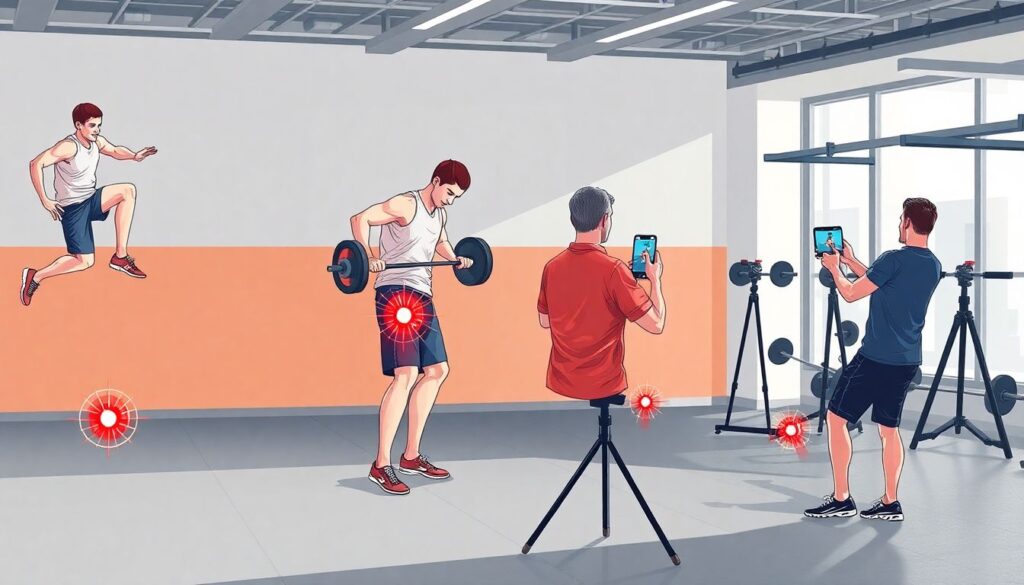
Most preventable injuries come down to messy movement patterns. Collapsing knees when landing, twisting the lower back under a bar, or striking the ground too hard while running all overload specific tissues. Turkish trainers often film even beginners from several angles to show them where the body cheats. If you train alone, ask a more experienced teammate to watch a few reps, or record yourself and compare with technical tutorials from reliable sources, not random influencers. In Turkey, many athletes mix short blocks of technical drills into every session instead of treating “technique work” as something only for kids. Cleaner movement distributes load more evenly, so no single structure is forced to absorb forces it was never designed to handle regularly.
- Learn 1–2 key technical cues for your sport and repeat them every session.
- Stop sets as soon as form breaks, not when you “feel destroyed”.
- Use lighter loads when learning; speed comes naturally after control.
Step 5. Strengthen the “Small Stuff”: Tendons and Stabilizers
Big muscles get all the attention, but sports doctors know that small stabilizing muscles and tendons are the quiet heroes of injury prevention. Turkish physios often prescribe simple but boring exercises: calf raises for Achilles health, hip abduction work for knee safety, core stability drills for lower back protection. These don’t burn like heavy squats, yet they shield you when you suddenly change direction or land awkwardly. Clinics offering sports physiotherapy istanbul routinely combine sport-specific drills with these “armor-building” moves. Newcomers frequently skip them because they look too easy, only to return months later with patellar or Achilles problems that could have been avoided by just 10–15 focused minutes at the end of two or three workouts per week.
- Add 2–3 stability exercises to each session (ankles, hips, core).
- Use slow, controlled tempo rather than heavy weights.
- Increase reps or time under tension instead of chasing load.
Step 6. Respect Recovery: Sleep, Food and Deload Weeks
Recovery isn’t laziness; it’s where adaptation happens. When you train, you create micro-damage; when you rest and eat properly, the body rebuilds stronger. Turkish sports doctors underline three basics: at least 7 hours of sleep, enough protein for muscle repair, and regular low-intensity days. Many amateur athletes do the opposite—high stress at work, late-night screens, then aggressive training on top—which leads to a gradual accumulation of tension in muscles and fascia. Over a few weeks, this becomes pain, stiffness and eventually a full-blown injury. Planning easy weeks every 4–6 weeks, with lower intensity and volume, lets soft tissues catch up and drastically lowers the risk of chronic overload syndromes that are otherwise hard to reverse.
Step 7. Listen to Pain Early and Act Smart
There’s a big difference between normal training soreness and sharp, localized pain that changes how you move. Turkish clinicians often ask one question: “Would you feel this pain when walking or doing daily tasks?” If the answer is yes, this is not just regular fatigue. Pushing through that kind of pain is what turns small inflammations into serious tears. When in doubt, two or three lighter sessions rarely ruin progress, but may save your season. Thanks to telemedicine, you can now book an online consultation with sports doctor turkey and get a quick opinion without flying anywhere. Sending a short training history and describing when the pain appears usually helps the specialist decide whether you need imaging or just modified training with targeted rehab.
Step 8. Use Expert Help Strategically, Not Only in Emergencies
Many amateurs wait until they can barely move before visiting a specialist, which makes treatment longer, more expensive and more frustrating. In contrast, Turkish pros build a small “support team”: doctor, physio and coach who they see periodically, even when nothing hurts. Visiting a sports injury clinic turkey once or twice a year for screening, movement assessment and load planning can expose weak points long before they fail. For those far from big cities, some centers in Turkey combine in-person exams with follow-up video sessions, adjusting rehab and training plans as you progress. Even one short preventive check-up with a qualified expert can redirect your training away from chronic problem zones and allow you to enjoy sport for many years instead of fighting injury cycles.