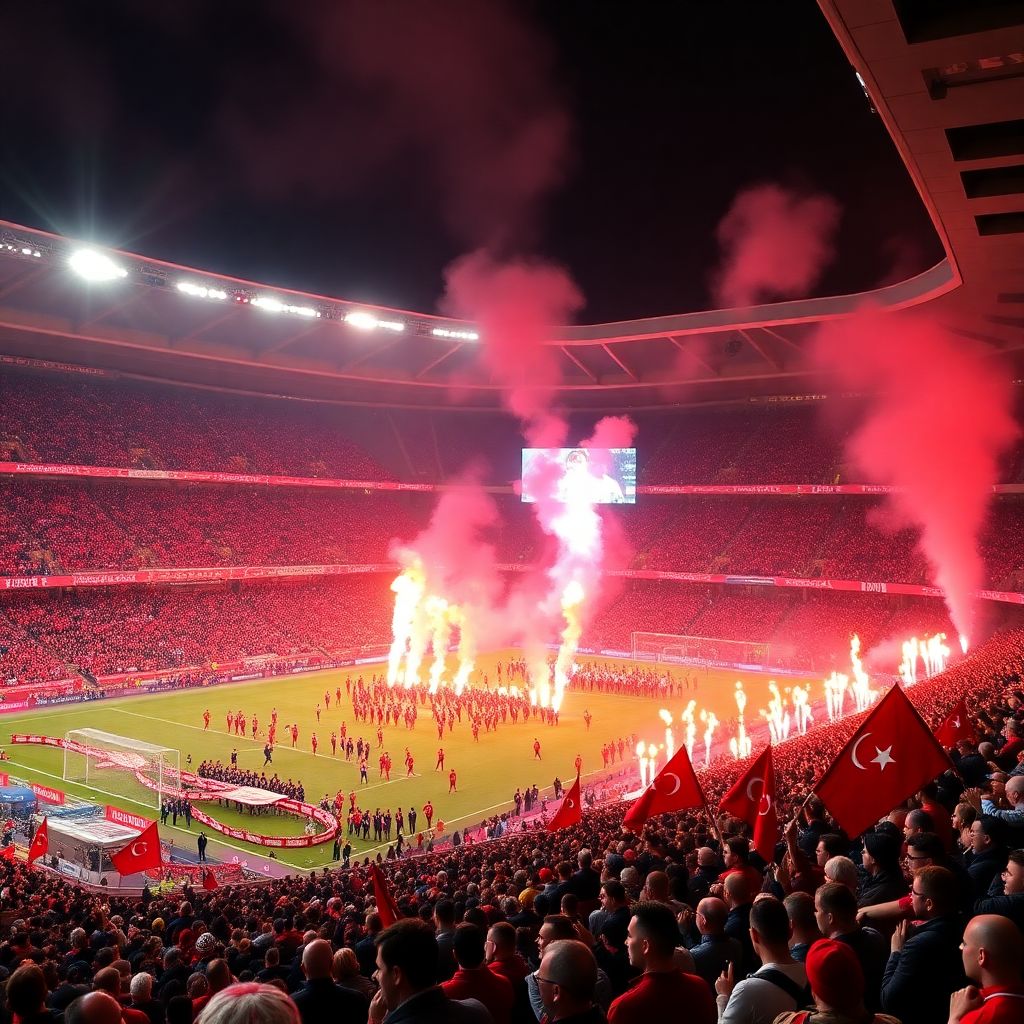
Turkish ultras are tightly organized, highly visible fan groups whose passion, visual shows and political messages shape stadium life around clubs like Galatasaray, Fenerbahçe and Beşiktaş. Understanding them means separating media myths from daily reality: most activity is choreography, songs and social networks, not constant violence or uncontrolled chaos.
Core insights on Turkish ultras culture
- “Ultras” in Turkey are long‑term, structured fan communities, not just noisy or violent supporters.
- History, local identity and city politics shape each group’s style and ideology.
- Matchday choreography, drums, chants and banners are planned weeks in advance.
- Fan groups can mobilise for social aid, but also for political protest or pressure.
- Tourists joining a turkish football fans culture tour must respect local unwritten rules.
- Law, club bans and surveillance now limit open aggression but increase fines and legal risks.
Myths and realities about Turkish ultras
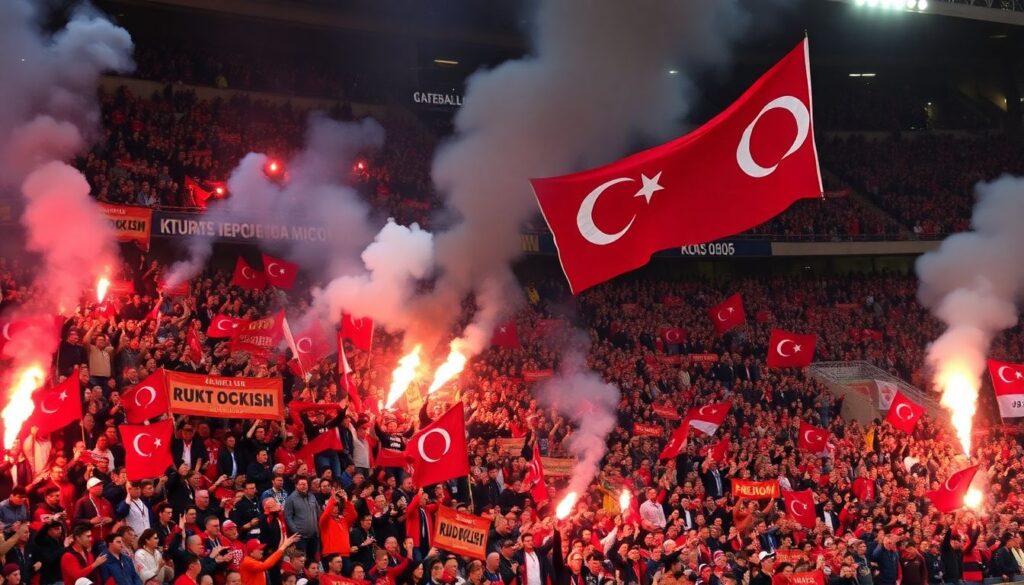
Turkish ultras are core, organized supporters who coordinate songs, banners and away travel, acting as a semi‑formal institution around each club. They include leaders, logistics people, capo singers and ordinary followers, all bound by loyalty to club, neighbourhood and group traditions.
A frequent myth is that ultras equal hooligans. In reality, most ultras work to control the curve, keep the stand singing together and avoid pointless trouble that brings sanctions. Violent sub‑groups exist, yet they are a minority and often criticised inside the scene when they damage the club with bans or empty stands.
Another myth says “they only care about chaos, not football”. In practice, ultras obsess over tactics, training reports, youth players and club finances because their identity is tied to long‑term success. They may clash with club boards precisely because they follow internal politics closely and protest mismanagement.
Finally, outsiders sometimes think a few “galatasaray ultras tickets” or a scarf automatically give access to the inner circle. Tickets are controlled by clubs and official systems, while group membership is based on years of presence, trust and offline relationships, not on money or a fan‑card alone.
Historical roots: how the movement formed and changed
Turkish ultra culture grew from earlier, looser supporter traditions into structured, named groups with distinct symbols and codes of conduct.
- Terrace beginnings: In the 1960s-70s, standing terraces and cheap travel let youth groups cluster behind goals, creating first intense song cultures at big Istanbul clubs.
- Named groups emerge: From the 1980s, famous groups (Çarşı at Beşiktaş, ultrAslan at Galatasaray, Genç Fenerbahçeliler at Fenerbahçe) formed with clear names, emblems and leaders.
- European influence: Contact with Italian and Balkan ultras brought new ideas: giant banners, choreographies, firework traditions and stricter group hierarchies.
- Politicisation phase: Economic crises and urban conflicts led many ultras to take positions on gentrification, workers’ rights, nationalism or anti‑authoritarian causes, turning stands into loud political spaces.
- All‑seater stadiums and technology: Modern arenas, electronic turnstiles and digital ticketing changed groups from terrace mobs into more distributed networks coordinating via social media and encrypted chats.
- Legal pressure and adaptation: Increased bans, ID‑based entry and camera systems pushed ultras to shift from direct confrontation to smarter protest forms like mass silence, choreographed walk‑outs or targeted chanting.
Organization, hierarchies and matchday rituals
Ultras function like tightly run neighbourhood organisations, with informal but strong hierarchies that shape everything from travel to tifo shows.
Typical internal structure behind the goals
Most big groups divide into roles: a central leadership, a visible capo on the rail, a tifo team, a drum squad, and local sub‑groups by district or city. Decisions about songs, banners or boycotts follow this chain, not anonymous online voting.
Scenario: visiting as a neutral on a culture tour
If you join a turkish football fans culture tour that promises “ultras experience”, expect to be placed at the edge of the curve, not in the central core. Following hand signals from the capo, you clap, jump and sing; taking selfies with backs turned during key songs is seen as disrespectful.
Matchday flow from morning to final whistle
On derby days, ultras often meet hours before kick‑off in specific cafés or meydan spots. Here they sell and distribute turkish football scarves and ultras gear, organise flag carriers, finalise choreo logistics and share last‑minute info about police lines or closed streets before marching to the stadium together.
Practical scenario: buying derby tickets as a foreign fan
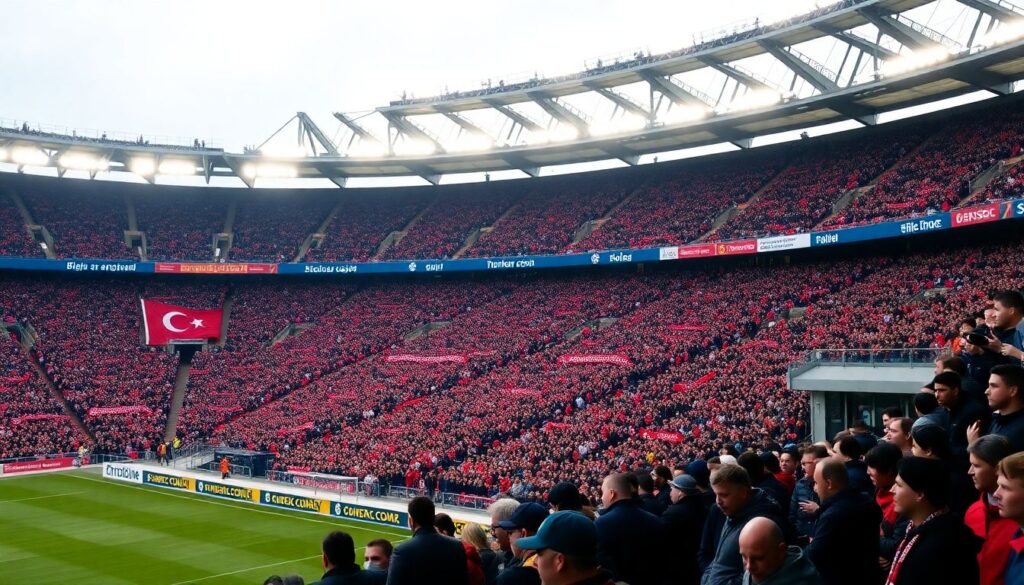
When you look for turkey football derby match tickets, you enter a system shaped by ultras even if you never meet them. They influence atmosphere blocks and campaign against away‑fan bans, but you still buy via official club or federation channels; groups themselves do not legally sell tickets.
Merchandise and funding the group
Groups finance drums, megaphones, banners and travel via member contributions and informal sales. A tourist searching for fenerbahce ultras merchandise at Kadıköy will see scarves, shirts and stickers; some items are official club products, others are group‑made and sold to fund future tifos and away buses.
Political ties: nationalism, leftist currents and local power
Politics in Turkish ultras culture means a mix of nationalism, club identity, neighbourhood pride and broader ideological currents, all mediated by everyday power relations with clubs and municipalities.
Potential strengths of political engagement
- Can mobilise thousands quickly for disaster relief, blood donations or neighbourhood aid campaigns.
- Provides a loud platform for marginalised youth to speak on housing, unemployment or local injustices.
- Creates a sense of dignity and solidarity that can divert energy from petty crime toward collective projects.
- Allows coordinated resistance against unfair club decisions, corrupt leadership or ticketing abuses.
Constraints and risks created by political ties
- Partisan links can split stands along ideological lines, weakening unified support on matchday.
- Close ties to local politicians or business groups may turn ultras into tools in power struggles.
- Highly charged nationalist or ideological banners increase police scrutiny and legal vulnerability.
- Internal conflicts grow when some members want pure football atmosphere while others prioritise street politics.
Scenario: a young fan entering a politically coloured stand learns quickly that certain songs or hand signs signal alignment; choosing not to join is allowed, yet openly mocking them can trigger tension or exclusion from the core area.
Symbols, chants, banners and visual communication
Visual and sonic language is how ultras claim territory, tell history and signal alliances or rivalries, often more strongly than any written manifesto.
Common misunderstandings about ultra symbols
- Assuming every skull, mask or military symbol means extremism; often it is about intimidation aesthetics, not literal ideology.
- Thinking English or Italian phrases on banners are for tourists; in reality they reference global ultra culture and historic moments.
- Treating all pyro use as random chaos, while many shows are carefully timed and artistically designed despite being legally risky.
- Believing any flag with a political figure equals party loyalty; sometimes it symbolises generic resistance or local heroes.
- Equating loud anti‑rival chants with deep hatred; much is ritualised theatre, though some derbies do carry real social tensions.
Mini‑scenario: you buy turkish football scarves and ultras gear at an away end. A scarf with a date and city might reference a historic match or tragedy; asking politely about the meaning usually gets a story, while treating it as a random tourist souvenir can seem shallow.
Law enforcement, crowd control and legal consequences
Modern Turkish ultras operate under tight legal rules: electronic ticketing, all‑seater stadiums, CCTV and specific matchday laws shape what is allowed and how quickly individuals can be identified and punished.
Clubs risk heavy fines, block closures or point sanctions for repeated disorder, so they pressure groups to self‑police. Ultras respond with internal rules: no throwing objects, no entering the pitch, coordinated exits if police overreact, and clear lines on what banners or songs are worth potential bans.
Mini case: a tense derby evening from three viewpoints
1) Ultra organiser: Days before a big match, they negotiate with club security about a pyro‑free tifo. They instruct members: no fire, no breaking seats; if police push, everyone steps back and sings instead of charging.
2) Visiting foreign fan: After buying turkey football derby match tickets online, they arrive to see heavy police presence and fences. They follow the home group’s instructions about where to stand, avoid filming police lines and leave early if locals advise that post‑match streets may turn tense.
3) Police unit commander: Reviewing camera feeds, they identify a small group trying to light illegal flares. Instead of entering the block immediately, they log faces, wait until full‑time, then detain specific individuals at exit gates, minimising collective clash but issuing individual stadium bans.
Clarifying readers’ recurring questions
Are ultras in Turkey always violent or dangerous?
No. Most ultras focus on atmosphere, songs and visual shows. Violence exists at the margins and is increasingly discouraged by both internal group discipline and strict legal consequences like stadium bans and criminal records.
How can a visitor safely experience ultras culture?
Attend league games via official ticket channels, stay in family or neutral sections, and observe ultra blocks from a distance. If a tour offers close contact, follow local guidance, avoid provocative clothing of rival clubs and respect photo sensitivities in the core stand.
Do ultras control ticket sales or access to big matches?
No legal control. Tickets, including for high‑demand derbies, are sold through official club or federation systems. Ultras may influence who sits in their traditional sectors and coordinate group travel, but they do not replace the official ticketing system.
Is buying group merchandise supporting illegal activity?
Buying official club products is always safer and clearer. Group‑made items often support drums, banners and travel. As long as you avoid goods with hate symbols or explicit calls for violence, you mostly fund atmosphere rather than organised crime.
Can women or older fans participate in ultras groups?
Yes. While many cores are young and male, women and older supporters increasingly join tifo work, travel groups and even leadership circles. Acceptance depends on specific club culture and local norms, not on any written restriction.
Are political banners allowed inside Turkish stadiums?
Only within tight limits. Overt party campaigning or slogans that authorities interpret as threatening national security can trigger confiscations, fines and bans. Groups therefore often use coded language, symbols or historic references to express positions indirectly.
What is the difference between a casual fan and an ultra?
A casual fan attends when convenient and enjoys the match. An ultra builds life around the club: travels regularly, joins group work, participates in songs from first to last minute and accepts informal obligations and risks linked to that commitment.