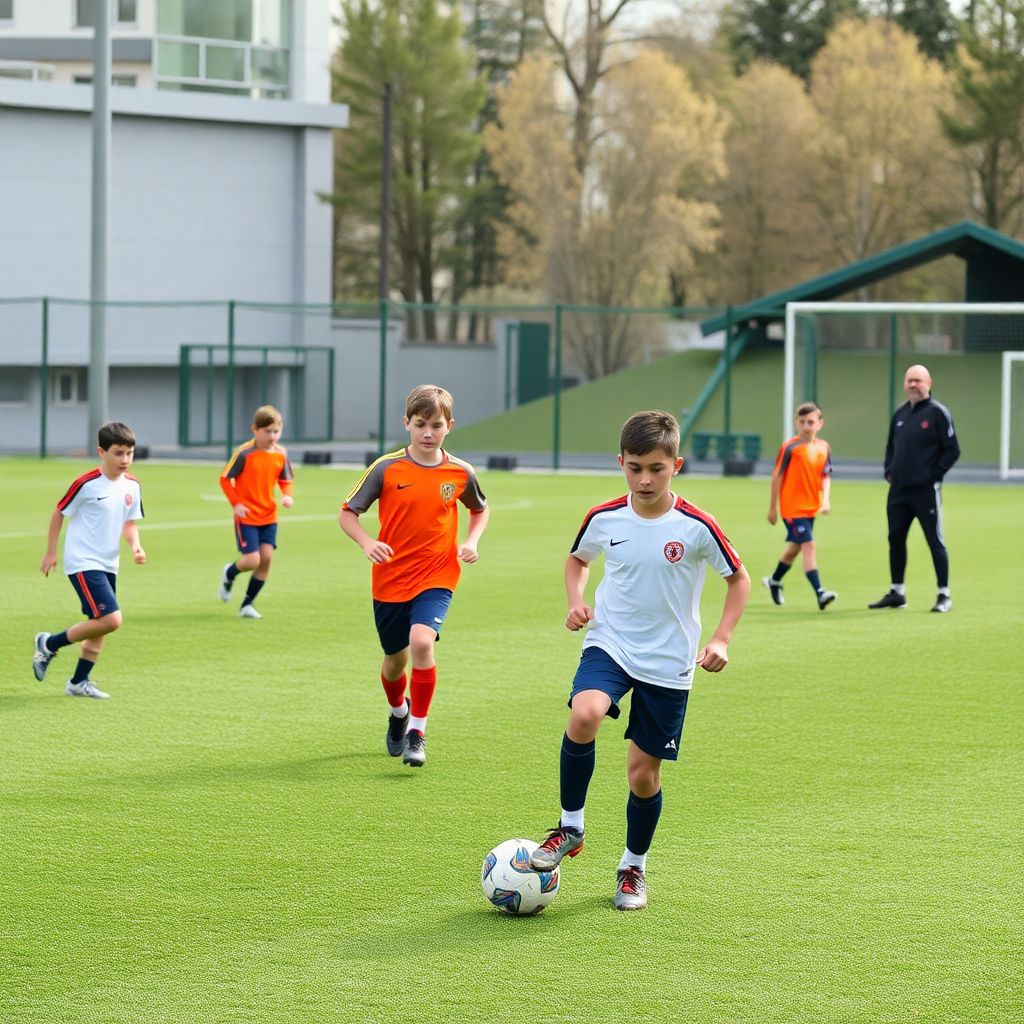
Turkish youth football academies are structured pathways run mainly by professional clubs, combining long‑term technical training, education support and scouting networks. Players typically move through age groups from grassroots to U19, with clearly defined steps into reserve and first teams, plus options for turkey professional football training camps and international transfers.
Snapshot: How Turkish Academies Operate Today
- Most serious clubs run tiered academies from entry age groups up to U19, closely linked to their professional squads.
- Scouting relies on school tournaments, local clubs and open turkey football academy trials, increasingly supported by data and video.
- Training blends technical, tactical, physical and psychological work, usually across multiple weekly sessions and weekend matches.
- Education and welfare units track school progress, injuries, housing and family communication for young players.
- Pathways include promotion to reserve teams, loans to lower divisions and moves abroad for standout talents.
- Registration processes, such as istanbul youth football academy registration, are becoming more standardized and online.
Historical Evolution and Organizational Structure of Academies
Youth academies in Turkey evolved from informal club schools into organized performance systems designed to feed professional teams. Understanding this evolution helps coaches and parents see why selection, training loads and education policies look much stricter today than in earlier generations.
Initially, big-city clubs relied on neighborhood pitches and personal connections. Talented kids were invited to train with senior squads, with minimal structure. Over time, federation regulations and international competition pushed clubs to build dedicated academy departments, with specialized coaches for each age category, goalkeeping, analysis and sports science.
Today, a typical Turkish academy is organized in vertical bands such as foundation (early ages), development (pre‑teen to mid‑teen) and performance (older youth and reserve). Each band has its own head coach, training curriculum and evaluation criteria, all overseen by an academy director who reports to the club’s sporting management.
For families asking how to join turkish football youth academy structures, it is important to see that these are not just extra training sessions: they are mini‑clubs inside the club, with separate budgets, regulations, schooling agreements and clear promotion and release procedures.
Regional Scouting Networks and Talent Identification Criteria
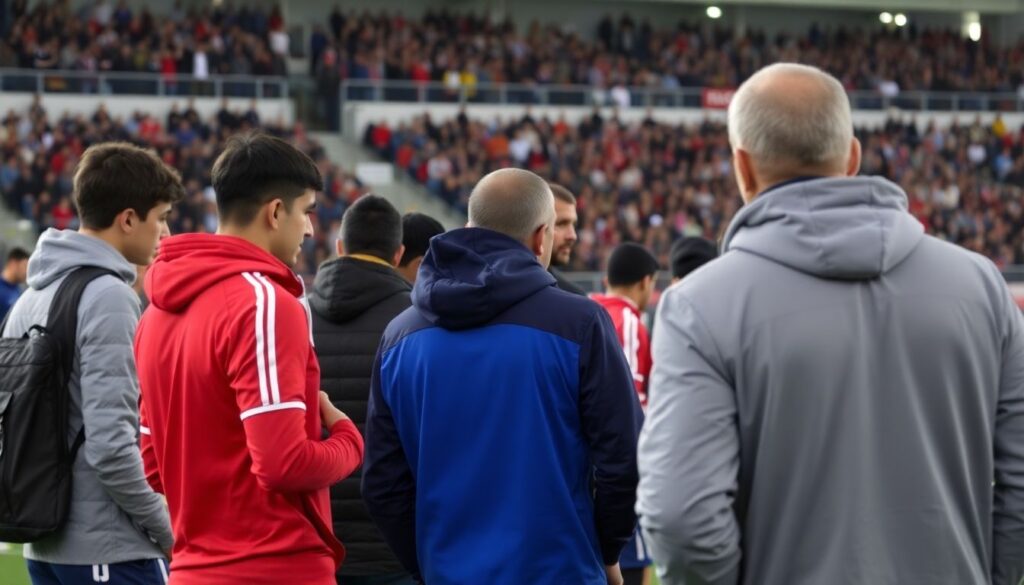
Scouting networks decide who even gets a chance to enter these systems. In Turkey, they combine regional coverage, club partnerships and one‑off trial events, especially in cities and football‑dense regions like Marmara, Aegean and Central Anatolia.
-
Local club and school partnerships
Larger academies sign cooperation agreements with amateur clubs and schools. Coaches share information about standout players, and prospects are invited to periodic talent days. This reduces random selection and helps align basic training with what the academies expect. -
Regional scouts and spotters
Clubs employ regional scouts who attend amateur league matches, school tournaments and even street tournaments. They focus on repeat performance rather than one‑off brilliance, tracking players over several games before recommending them for turkey football academy trials. -
Open trial days and camps
Many clubs host structured turkey football academy trials during holidays. Players complete position‑specific drills, small‑sided games and basic athletic tests. The process is competitive, but it is also a realistic entry point for those outside big cities or famous amateur clubs. -
Technical and tactical indicators
Scouts look for first touch, ball control under pressure, scanning, decision speed, movement off the ball and defensive habits. For Turkish football, mentality traits like resilience, work rate and adaptability in tight games are valued as much as flair. -
Physical and psychological profiles
Although academies try to avoid selecting only early-maturing players, height, coordination, speed and injury history still matter. Basic psychological impressions-coachability, emotional control, communication with teammates-are recorded as part of the player report. -
Specific pathways for foreigners
The best football academies in turkey for foreigners usually require residence permits and federation registration. They may offer English‑speaking support staff, and they tend to scout in international schools, expat leagues and specialized football camps.
Day-to-Day Training: Technical, Tactical and Coaching Models
Daily training in Turkish academies translates broad development goals into concrete drills, game models and feedback routines. This is where a player either builds repeatable habits or plateaus, so structure and coaching quality directly affect future professional potential.
Training models typically combine technical repetition, tactical understanding and position‑specific learning across the week. Video analysis and individual development plans are increasingly common, especially in top‑tier clubs and leading regional academies.
Typical use cases: how sessions actually look
-
Foundation‑age technical focus
Younger age groups spend most time on ball mastery: first touch, 1v1s, coordination games and small‑sided matches. Coaches emphasize joy, creativity and basic game rules rather than restrictive tactics. -
Development‑age game understanding
From pre‑teen to mid‑teen, sessions add positional roles, basic team shapes and transitional principles. Players start to learn pressing triggers, building out from the back and structured attacking patterns relevant to the club’s first‑team style. -
Performance‑age tactical and position specialization
Older academy players train in role‑specific groups: full‑backs, central midfielders, wingers, strikers and goalkeepers. They rehearse scenarios like defending a lead, breaking low blocks, or counter‑attacking away from home-mirroring the competitive schedule. -
Integrated video and feedback
Match footage is clipped to highlight recurring decisions: pressing angles, body orientation, first‑touch direction. Short meetings before or after training link this analysis to the day’s exercises, giving clear reasons for each drill. -
Short‑term intensives and camps
During school holidays, some clubs and private providers run turkey professional football training camps. These compress academy‑style work-double sessions, analysis, nutrition talks-into a short block, helping both local and foreign players experience professional routines.
Strength, Conditioning and Sports Science Integration
Physical preparation and sports science protect players from injury and support long‑term performance. In Turkish academies, this is moving from simple running sessions to age‑appropriate strength work, monitoring and structured return‑to‑play protocols.
Typically, physical coaches coordinate with technical staff on weekly training loads, gym work, recovery and match readiness. Even if technology levels vary between clubs, the principle is the same: build robust athletes, not just skilful players.
Practical scenarios before weighing pros and cons
-
Early‑teen load management
A U14 player trains at the academy, plays for a school team and joins weekend matches with a neighborhood club. The conditioning coach maps all activities, adjusts running volumes and adds basic strength work to prevent overuse injuries. -
Growth‑spurt adaptation
A tall U15 centre‑back suddenly loses coordination during a growth spurt. Training priority shifts from heavy running to mobility, stability and technical work at lower intensity until movement quality recovers. -
Return from muscle strain
After a minor hamstring issue, a winger follows a structured return plan: gym and pool work, then straight‑line running, then change‑of‑direction, then partial training, and finally full matches. Communication between medical staff, fitness coach and head coach is constant.
Strengths of current integration models
- More individualized training plans that consider growth stages, injury history and playing position.
- Regular monitoring of training load and wellness, even with simple questionnaires and observation where technology is limited.
- Earlier introduction to correct movement patterns, basic strength exercises and recovery habits such as sleep and nutrition.
- Closer collaboration between coaches, physios and doctors in decision‑making about training or resting players.
Limitations and typical constraints
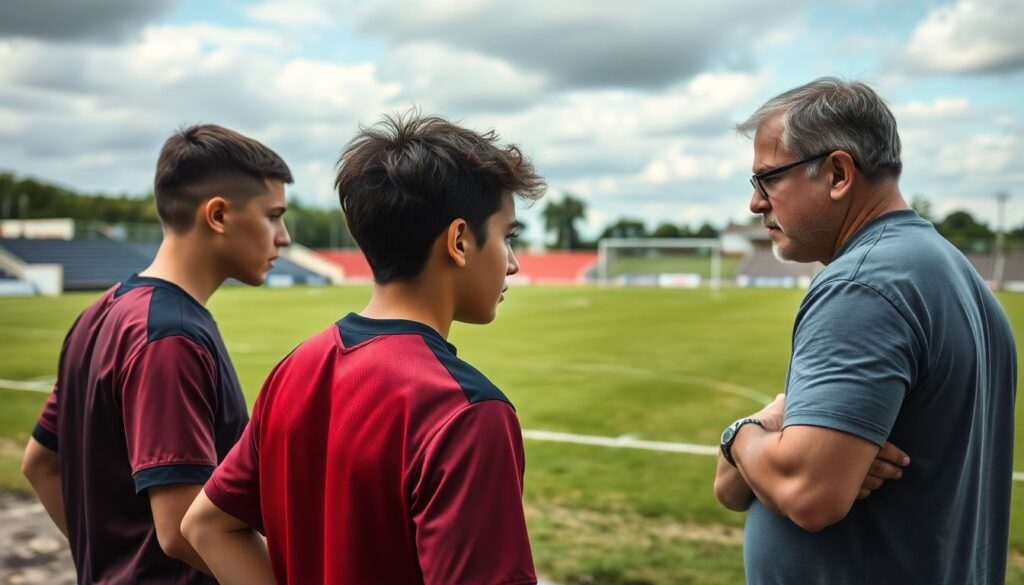
- Uneven access to sports science staff and technology between top‑division clubs and smaller regional academies.
- Time pressure from dense competition calendars and school obligations, limiting full implementation of ideal plans.
- Cultural resistance from some coaches or parents who still equate extra running with better fitness.
- Inconsistent long‑term tracking when players move frequently between amateur clubs, private schools and academies.
Education, Welfare and Managing Dual-Career Development
Balancing football with school and personal development is critical, especially when only a minority of players reach the professional level. Turkish academies now invest more in education coordination, psychological support and housing oversight, but misunderstandings and myths remain common.
Common mistakes and myths to avoid
-
Myth: School is optional if the player is talented
Believing that training volume alone guarantees success leads some families to ignore academic performance. In reality, clubs increasingly check school grades, and a basic education is essential for contracts, foreign moves and life beyond football. -
Mistake: Overloading with uncoordinated activities
Many players attend academy sessions, private trainers and extra team commitments without unified planning. This creates fatigue, injuries and weakens focus. A better route is one clear football “home base” plus carefully chosen complementary work. -
Myth: Boarding automatically means better development
Some parents assume that living in club housing guarantees faster progress. Without strong pastoral care, structured study time and regular family contact, boarding can instead increase stress and isolation. -
Mistake: Ignoring mental health and identity beyond football
Players who see themselves only as athletes struggle badly after injuries, non‑selection or release. Academies that offer counselling, mentoring and non‑football interests reduce this risk and support more stable performance. -
Myth: Foreign academies always offer superior pathways
While international moves can help some, strong local options-especially the best football academies in turkey for foreigners already living in the country-often provide better language support, cultural fit and realistic game minutes. -
Mistake: Treating registration as a one‑time formality
Processes like istanbul youth football academy registration involve medical checks, federation paperwork and ongoing communication. Families who stay informed about deadlines, documents and rules avoid last‑minute stress and eligibility issues.
Transition Routes: From Academy to Pro Squad and International Pathways
The final purpose of Turkish youth academies is to turn potential into professional careers. Transition routes include direct promotion to first teams, stepping stones via reserve squads, loans to lower divisions and, for some, moves to foreign clubs or scholarships.
Clubs monitor players closely from the older age groups, tracking consistency in training, match influence, behaviour and adaptability. Decisions about professional contracts or release are usually made gradually, not from a single game, which means long‑term habits matter more than occasional brilliance.
Mini‑case: A realistic pathway from local pitch to professional contract
Consider a player starting in a small Anatolian town:
- Plays for a local amateur club and school team, standing out in regional tournaments.
- Spotted by a regional scout and invited to turkey football academy trials at a Super Lig club.
- Joins the U14 academy squad after a successful trial block, relocates with family support and signs the necessary federation forms.
- Progresses through U15-U17 teams, occasionally attending turkey professional football training camps in summer to experience higher intensity and meet international opponents.
- At U19, trains regularly with the reserve team, gets pre‑season minutes and is loaned to a First or Second League club for regular adult matches.
- After a strong loan spell, returns to sign an extended contract and debuts for the first team in domestic cup matches.
- If performance holds, an overseas club expresses interest, and the home club negotiates a transfer, completing the path from regional football to an international stage.
For international families or expats, the route may include enrolling children in bilingual schools, targeting istanbul youth football academy registration windows and selectively using the best football academies in turkey for foreigners as gateways to both domestic and international opportunities.
Practical Concerns and Direct Answers for Coaches, Parents and Players
How can a player practically start the process of joining a Turkish academy?
Start by playing regularly for a local club or school team, then track when nearby clubs advertise turkey football academy trials. Collect match footage, ask current coaches for recommendations and follow the registration instructions published by academy websites or social media channels.
What documents are usually needed for youth academy registration in Istanbul?
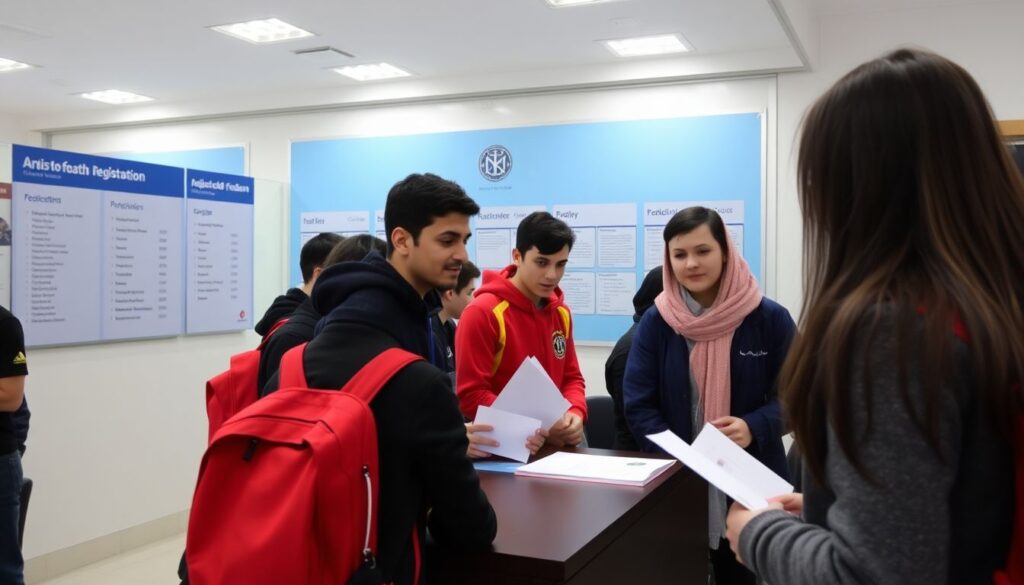
For istanbul youth football academy registration, clubs generally request ID documents, parental consent, recent photos, basic medical checks and, for non‑Turkish citizens, residence and federation eligibility papers. Always verify exact requirements with the specific club before trial dates.
Are foreign players accepted into Turkish youth academies?
Yes, but conditions vary. Some of the best football academies in turkey for foreigners require language support, schooling arrangements and clear residence status. Families should check foreign‑player limits and federation rules, as they affect match eligibility at youth and professional levels.
How many weekly sessions should an academy player expect?
Older academy age groups usually train several times per week plus a match at the weekend, with additional classroom or video sessions. Exact volume depends on age, competition level and whether the player also attends school or regional teams.
Is it useful to attend short professional camps if I am already in an academy?
Targeted turkey professional football training camps can be useful for exposure to different coaching styles and higher intensity. They should, however, fit into the academy’s workload plan; discuss timing and content with your regular coaches to avoid overload.
What should parents watch for to judge if an academy environment is healthy?
Look for qualified staff, clear communication, realistic feedback, respect for schooling, and sensible handling of injuries and playing time. A healthy academy explains its decisions, not just its demands, and treats both starters and substitutes with equal professionalism.
Can late developers still make it into Turkish academies?
Yes, especially if they show strong mentality, game understanding and physical progress during later teenage years. While earlier entrance can help, scouts and coaches increasingly value late‑blooming players who dominate at regional level and adapt quickly to professional structures.