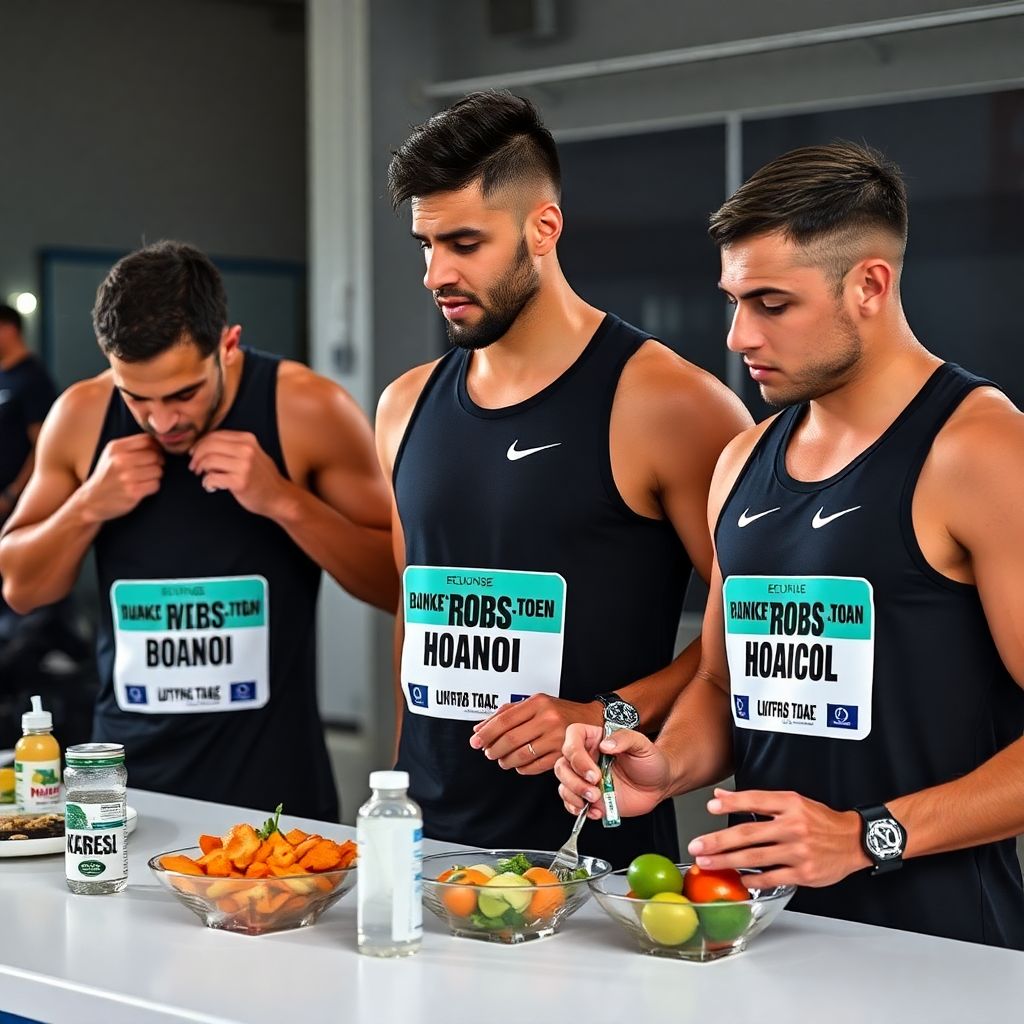
Top Turkish athletes succeed by following sport-specific nutrition plans, strict hydration routines for Turkey’s climate, and simple recovery rules they repeat every day. This guide shows you how to copy their core strategies safely: what to eat before and after training, how to adjust in competition week, and which supplements matter.
Core nutrition and recovery principles used by top Turkish athletes
- Match carbohydrate intake to training load, increasing on intense and double-session days.
- Keep protein portions evenly spread every 3-4 hours for steady muscle repair.
- Use simple, low-fiber carbs close to training; higher fiber and fats away from sessions.
- Hydrate to bodyweight changes, not thirst alone, especially in hot Turkish cities.
- Anchor recovery with a protein-carb meal or shake within 60 minutes after hard work.
- Test supplements slowly and individually; never try a new product on competition day.
- Review your plan with a qualified sports nutritionist in Turkey at least once per season.
Pre-training fueling: sport-specific meal and snack checklists
Pre-training fueling is ideal for healthy athletes who train at moderate to high intensity and want consistent energy across sessions. It is not suitable for people with unmanaged medical conditions, recent gastrointestinal surgery, or those on medical diets without approval from a doctor and sports nutritionist.
- Plan the main pre-training meal 2-4 hours before, with a focus on easy-to-digest carbohydrates at roughly 1-3 g per kg of bodyweight.
- Keep protein moderate (around 0.25-0.3 g per kg) and fats low to avoid stomach discomfort during intense efforts.
- For early-morning sessions, use a small snack 30-60 minutes before, such as a banana, yogurt, or a slice of toast with honey.
- Team sports (football, basketball, volleyball) benefit from slightly higher carbs in the final meal on heavy training days.
- Sports with weight categories (wrestling, weightlifting) should use lower-residue foods pre-session to reduce bloating and scale weight.
- Endurance-focused athletes (middle-distance athletics) should test different pre-run snack timings in 15-minute increments.
- Hydrate with 300-500 ml of fluid in the 60 minutes before training, adjusting up in hot, humid Turkish environments.
- Track how you feel for the first 30 minutes of training to judge if pre-fuel quantity and timing were appropriate.
Immediate post-session recovery: timing, macros and protocols
Immediate recovery works best when you have access to basic foods, a water source, and a clean place to store snacks. It is not appropriate to push extra calories after every light session if your primary goal is fat loss and training was very low intensity.
- Aim to start refueling within 30-60 minutes after training, especially after matches, intense intervals, or double sessions.
- Combine protein at roughly 0.25-0.4 g per kg with carbohydrates at 0.8-1.2 g per kg in the first post-session meal or shake.
- Use liquid options (milk, ayran, smoothies, recovery shakes) when appetite is low or you must travel immediately.
- For tournaments with multiple matches per day, repeat small carb-protein snacks every 2-3 hours to maintain glycogen.
- In strength and power sports, include some carbs even when cutting weight, to support nervous system recovery.
- Weigh before and after hard sessions; replace about 100-150% of lost body mass in fluids over the next 2-4 hours.
- For reliable products, many athletes prefer to buy sports nutrition online Turkey from established brands with third-party testing.
- Discuss recovery supplements for athletes in Turkey with a professional to avoid unsafe or banned ingredients.
Competition-week nutrition: tapering intake and weight management
Prepare before you change competition-week eating; unsafe or extreme cutting methods can harm performance and health. Make sure you:
- Know your current bodyweight and realistic competition target.
- Have at least 7-10 days before major events for safe adjustments.
- Confirm medications, medical conditions, and lab results with your doctor.
- Consult a sports nutritionist in Turkey if you compete at high level or in weight categories.
-
Map training taper and daily calorie needs
Reduce total calories slightly in line with lower training volume, but keep carbohydrates high on key training and competition days. Protein should stay stable across the week for consistent recovery support.
-
Structure carbohydrate loading safely
For endurance and team sports, increase carbohydrate intake 2-3 days before the main event while slightly lowering fat. Focus on familiar foods like rice, pasta, potatoes, and local bread, avoiding new or very high-fiber options.
- Split carbs over 4-6 smaller meals to reduce bloating.
- Monitor morning bodyweight and stomach comfort each day.
-
Fine-tune fluid and electrolyte balance
In Turkey’s warmer regions, start competition week slightly “hydration positive” without overdrinking. Include some salty foods or an electrolyte drink each day, especially if you sweat heavily in training.
- Use light-colored urine and stable morning weight as guides.
- Avoid aggressive last-minute water loading or complete fluid restriction.
-
Manage weight categories without extreme cuts
Wrestlers and weightlifters should aim for only a small final-week drop through lower-residue foods, modest carb reduction, and controlled fluid timing. Avoid large, rapid cuts; they reduce strength and increase injury risk.
- Prioritise safe rate of loss and consistent energy over a lower number on the scale.
- Plan any sauna or sweat-based methods with medical supervision.
-
Lock in a simple, repeatable pre-competition routine
In the final 48 hours, eat only familiar meals that you have tested before hard training. Keep seasoning normal, avoid very spicy or greasy foods, and stop all experimental supplements or new products.
-
Plan on-the-day meals, snacks and contingencies
Prepare a written list of breakfast, pre-event snacks, between-round options, and post-event recovery foods. Include backup choices in case of travel delays or limited venue catering.
- Pack shelf-stable options like bars, dried fruit, nuts, and powdered drinks.
- Review the plan with your coach so timings fit your warm-up.
Heat adaptation, hydration and electrolyte routines in Turkey’s climate
- You start sessions already hydrated (urine pale straw color) at least 80% of training days in hot months.
- Pre-session fluid intake is consistent, around 300-500 ml within the last 60 minutes before training.
- In long or double sessions, you drink at regular 10-20 minute intervals instead of waiting for strong thirst.
- Bodyweight loss from training in the heat stays under about 2% in most sessions, measured before and after.
- You use an electrolyte drink or salty snacks on heavy-sweat days, especially in coastal cities with high humidity.
- Signs of heat stress (dizziness, chills, headache) are rare; if they appear, you stop training and cool down safely.
- You adapt clothing and training times to cooler parts of the day whenever possible in the Turkish summer.
- Carbohydrate drinks are reserved for longer or more intense sessions, not every easy practice.
- You log at least one week of data (weight change, fluid intake, urine color) at the start of each hot season.
Evidence-backed supplements and therapeutic foods used by pros
- Starting multiple new products in the same week makes it impossible to judge what helps or causes side effects.
- Copying the supplement stack of another athlete can expose you to banned substances and unnecessary costs.
- Using high doses of stimulants close to evening training disrupts sleep, blocking recovery despite higher energy.
- Relying on powders instead of food reduces micronutrient intake and can increase long-term injury risk.
- Skipping medical checks before using iron, vitamin D, or other high-dose products risks toxicity or imbalance.
- Ignoring batch testing and certification increases the chance of contamination and anti-doping rule violations.
- Ordering from unverified sources when you buy sports nutrition online Turkey raises the risk of fake or unsafe products.
- Chasing the best supplements for Turkish athletes without first fixing daily meals usually delivers little or no performance gain.
- Forgetting to time caffeine and other ergogenic aids to competition start reduces their potential benefits.
Concrete athlete case studies: football, wrestling, volleyball, athletics, weightlifting, basketball
When standard plans do not fit your schedule or digestion, alternative structures can still follow elite principles while staying safe.
- Alternating focus days for team sports – Football and basketball players with dense calendars can rotate between higher-carb match days and moderate-carb skill days instead of pushing high intake every day.
- Food-first approach before advanced supplementation – Weightlifters and wrestlers who lack consistent meals can skip complex stacks and focus on three structured meals plus a simple whey or milk-based shake.
- Low-residue pre-event plan for sensitive stomachs – Volleyball and athletics athletes with GI issues can test lower-fiber, white-grain foods for 24 hours before competitions, then return to usual higher-fiber diets later.
- Template-based nutrition plans for professional athletes – Busy pros who struggle with cooking can use repeatable weekly templates reviewed by a specialist, then layer in targeted recovery supplements for athletes in Turkey only where necessary.
| Sport | Typical pre-fuel focus | Immediate post-recovery target | Common supplement additions |
|---|---|---|---|
| Football | High-carb meal 3 hours pre-match, small carb snack 60 minutes before | Carb-protein snack within 30 minutes, full meal within 2 hours | Electrolytes, caffeine (timed), occasional whey or recovery shake |
| Wrestling | Lower-residue, moderate-carb meals, careful portion control for weight | Protein-focused snack plus fluids, gradual carb top-up between bouts | Whey protein, monitored creatine, medical-guided iron or vitamin D |
| Volleyball | Balanced meal with carbs and lean protein 2-3 hours before matches | Light carb-protein option after games, then regular dinner | Electrolyte drinks, occasional beta-alanine, food-first omega-3 sources |
| Athletics (middle distance) | Tested pre-run snack 60-90 minutes before, no heavy fats | Carb-based drink or snack, followed by main meal with quality protein | Caffeine, nitrate-rich foods (e.g., beetroot), selected gels for races |
| Weightlifting | Smaller, carb-supported meals that avoid fullness near heavy lifts | Protein-rich meal or shake, some carbs to refuel nervous system | Creatine, whey, possible joint-support foods and products |
| Basketball | Carb-focused lunch and light snack pre-game, steady fluids | Carb-protein sandwich or wrap, plus rehydration within 1 hour | Electrolytes, caffeine if tolerated, occasional carbohydrate drinks |
Practical concerns and concise solutions for everyday implementation
How can I apply these strategies if I train very early in the morning?
Use a small, quick carb snack 20-30 minutes before, like a piece of fruit or a few bites of bread with honey. After training, eat a full breakfast with carbs and protein as your main recovery meal.
What if my stomach is sensitive before hard sessions?
Shift more of your calories to 3-4 hours before the session and use lower-fiber, lower-fat foods in the final 90 minutes. Test any changes on regular training days, never first on competition day.
How do I adjust when fasting or training during Ramadan?
Concentrate carbs and fluids at iftar and suhoor, keeping protein spread across that window. Reduce training volume where possible and pay extra attention to electrolytes, sleep, and cooling after sessions.
Is it necessary to use supplements to perform at a high level?
No, but some targeted products can be helpful once food is well structured. Focus on quality, safety, and legality, and get individual advice before starting or changing any supplement routine.
How often should I change my nutrition plan during the season?
Keep a stable base and adjust portions, carb timing, and hydration when training load or weather changes. Review your plan at least every few months or before major competitions.
What is the safest way to test a new supplement or recovery product?

Trial one product at a time in low-stakes training, starting at the lower end of the recommended dose. Monitor sleep, digestion, mood, and performance for at least a week before using it in competition.
How can I control weight without losing strength before an event?
Make gradual changes, prioritising protein and keeping some carbs around key sessions. Use food choices and timing rather than aggressive calorie cuts, and avoid large, last-minute fluid losses.