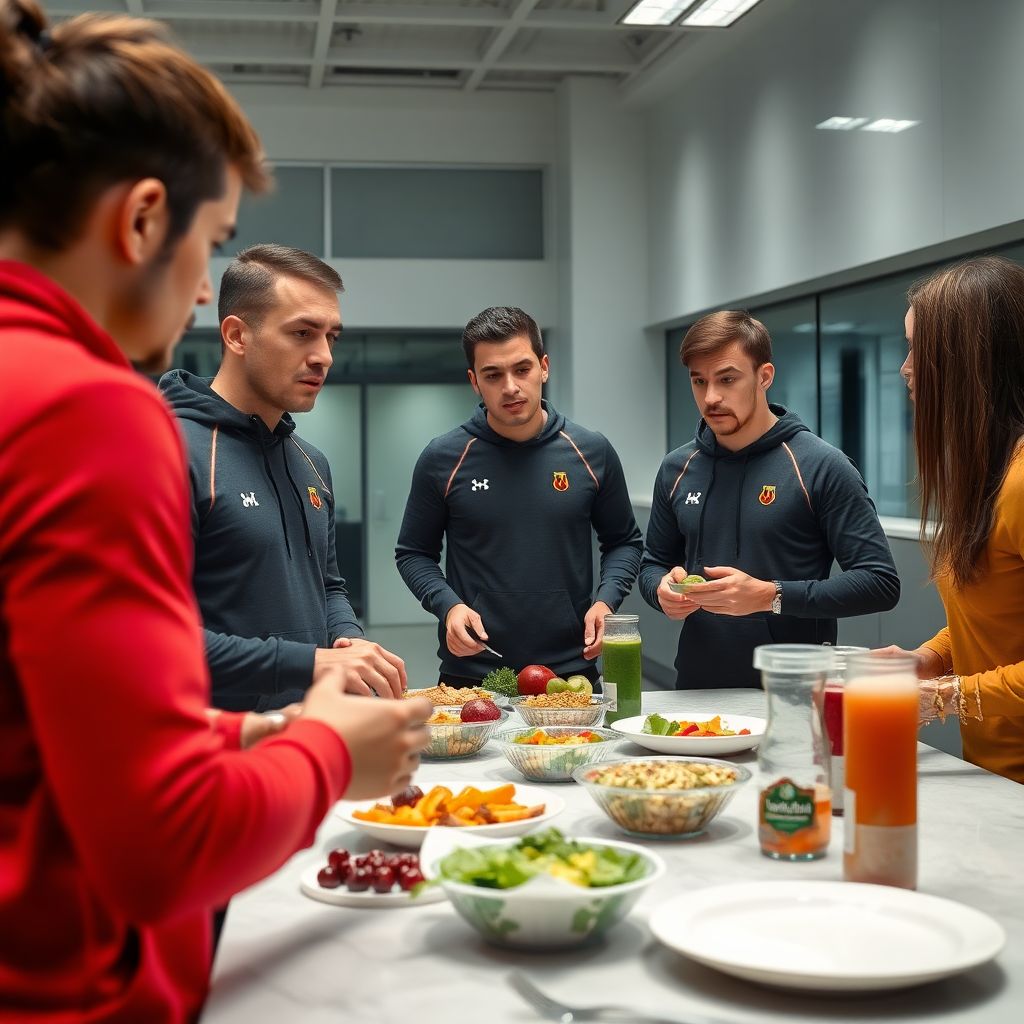
Top Turkish athletes stay at peak performance by planning sports nutrition for athletes in Turkey around training times, prioritising whole foods, simple recovery meals, consistent hydration, and safe supplement use. This guide shows how to structure daily intake, adapt meal plans for professional athletes by sport, and monitor recovery so you can copy their system step by step.
Core Nutrition Strategies of Elite Turkish Athletes
- Anchor most food intake around training: a balanced pre-session meal and a fast, carb‑plus‑protein recovery snack.
- Use Turkish staples (rice, bulgur, yogurt, legumes, grilled meats) as the base of the best diet for peak athletic performance.
- Keep hydration constant all day instead of only drinking directly before matches or training.
- Match day‑to‑day portions of carbohydrates and fats to training load and position demands.
- Use supplements mainly to fill gaps; when unsure, book a sports nutritionist consultation online before buying.
- Track simple metrics (energy, digestion, sleep, soreness) and adjust portions, not entire foods, first.
Daily Macronutrient Targets and Timing
Daily macronutrient planning suits competitive and semi‑professional athletes who train most days of the week and want structured fuel without complex calculations. It is less suitable if you have uncontrolled medical conditions, severe digestive issues, or have been told by a doctor to follow a strict medical diet.
Who this structure is for
- Footballers, wrestlers, basketball and volleyball players training at least four times per week.
- Endurance and combat sports athletes needing stable weight and repeatable performance.
- Students and working adults in Turkey who want sports nutrition for athletes in Turkey that fits canteens and home cooking.
When you should not follow this template without supervision
- If you have kidney, liver, digestives or endocrine diseases that affect what you can eat.
- If you have or suspect an eating disorder or strong anxiety around food or body weight.
- If you frequently need to cut or gain large amounts of weight quickly for competitions.
Simple daily timing blueprint
Use this as a safe, flexible starting point you can adapt to your own schedule.
- Pre‑training main meal – One regular plate of food with a generous portion of rice, pasta, potato or bread; a palm‑sized portion of chicken, fish, eggs or legumes; plus cooked vegetables or salad. Finish this meal two to three hours before hard training where possible.
- Light pre‑session top‑up – If the main meal was earlier, have a small fruit, yogurt, or a slice of bread with honey about one hour before exercise. Keep fat and fibre lower here to avoid stomach discomfort.
- Immediate recovery snack – Within the first short period after training, combine a fast carbohydrate source (fruit, juice, simple sandwich) with a protein source (milk, yogurt, ayran, cheese, or a protein shake if tolerated).
- Post‑training main meal – Within a few hours after training, repeat a balanced plate: carbohydrates, protein, vegetables, and a small amount of healthy fat from olive oil, nuts, or seeds.
- Evening snack (optional) – If you train late or wake up hungry at night, add a small protein‑rich snack like yogurt with a spoon of oats or a glass of milk before bed.
Practical macro balance without counting
- Fill roughly half of the plate with grains, potatoes, or bread at meals close to training days.
- Use a palm of protein food at each main meal; a smaller half‑palm portion at snacks if required.
- Include a small handful of nuts or a drizzle of olive oil once or twice daily, away from intense pre‑training windows.
Recovery Meals: Case Studies from Football and Wrestling
These examples mirror how top footballers and wrestlers in Turkey often organise food around hard sessions while using locally available ingredients.
Football: after an evening match in Istanbul
Requirements:
- Fast, easy digestion after intense running and possible travel.
- Enough carbohydrates to refuel for the next day’s light recovery work.
- Quality protein to support muscle repair without heavy fullness.
Practical structure:
- In the changing room – Drink water or a light electrolyte drink and eat a banana or simple bar.
- On the bus – Sip water; if tolerated, drink flavored milk or ayran plus some simit or soft bread.
- Main recovery meal at hotel or home – Rice or pasta with grilled chicken or fish; side salad with olive oil; yogurt or ayran. Keep spicy, very fatty, and fried foods low to protect sleep and digestion.
Wrestling: after a morning weight‑training and drilling session in Ankara
Requirements:
- Rebuild strength after heavy lifting and sparring.
- Support body weight goals without uncontrolled gain before weigh‑ins.
- Rehydration after heavy sweating in warm training halls.
Practical structure:
- Within the first short window – Water plus fruit (grapes, orange, banana) and a protein source such as ayran, yogurt drink, or a protein shake.
- Early lunch – Bulgur pilav or rice, a generous serving of grilled meatballs, chicken, or beans, salad with lemon and a little olive oil, and yogurt on the side.
- Afternoon snack – Nuts and dried fruit or a cheese sandwich, depending on weight‑class goals and afternoon training demands.
For both sports, if food access is limited (travel, late hours), plan ahead by packing sandwiches, nuts, fruit, and ready‑to‑drink dairy or plant‑based protein options, or use trusted services where you can buy sports supplements online Turkey without last‑minute panic purchases.
Hydration, Electrolyte Protocols and Supplements
The following safe, step‑by‑step process covers everyday hydration, basic electrolytes, and sensible supplement choices for Turkish athletes.
-
Establish an all‑day hydration baseline
Start the day by drinking plain water, and keep a refillable bottle with you. Sip regularly instead of taking large amounts at once, especially close to training.
-
Check your personal hydration signals
Use simple signs: how often you urinate, the colour of urine (aim for a light, straw‑like colour most of the day), feelings of dry mouth, and headache. Adjust your intake based on these observations.
-
Plan pre‑training and during‑training fluids
Drink small amounts of water in the one to two hours before training. During sessions longer than about one hour in hot or humid Turkish climates, consider adding electrolytes.
- Use low‑sugar electrolyte powders or tablets from reliable brands.
- Alternatively, combine water with a pinch of salt and a splash of fruit juice for a simple homemade solution if commercial options are unavailable.
-
Rehydrate strategically after exercise
Continue drinking water in the hours after training instead of trying to replace all losses immediately. Include naturally salty foods such as soups, olives, cheese, or ayran to support sodium replacement.
-
Introduce supplements only when needed
Before you buy sports supplements online Turkey, clarify what problem you are solving: low protein intake, limited sunlight exposure, busy travel schedule, or recovery between dense fixtures.
- Start with basics like a protein powder, vitamin D or a standard multivitamin only if food alone does not cover your needs and your doctor sees no contraindications.
- Avoid combining many new products at once; add one at a time and watch digestion, sleep, and energy levels.
-
Consult professionals for advanced protocols
For advanced supplement stacks, high‑level competition schedules, or if you take regular medications, arrange a sports nutritionist consultation online or locally. This reduces risk of banned substances, interactions, and wasted money on unnecessary products.
Fast‑Track Hydration and Supplement Routine
- Keep a bottle and drink small amounts of water throughout the day, especially mornings and after training.
- Add electrolytes for long, hot sessions or tournaments, using either a simple commercial mix or homemade light salty drink.
- Use milk, ayran, or a basic protein shake after training to cover both fluids and protein quickly.
- Only add new supplements after checking labels and, when unsure, confirming safety with a qualified professional.
Periodized Nutrition Across Training Cycles
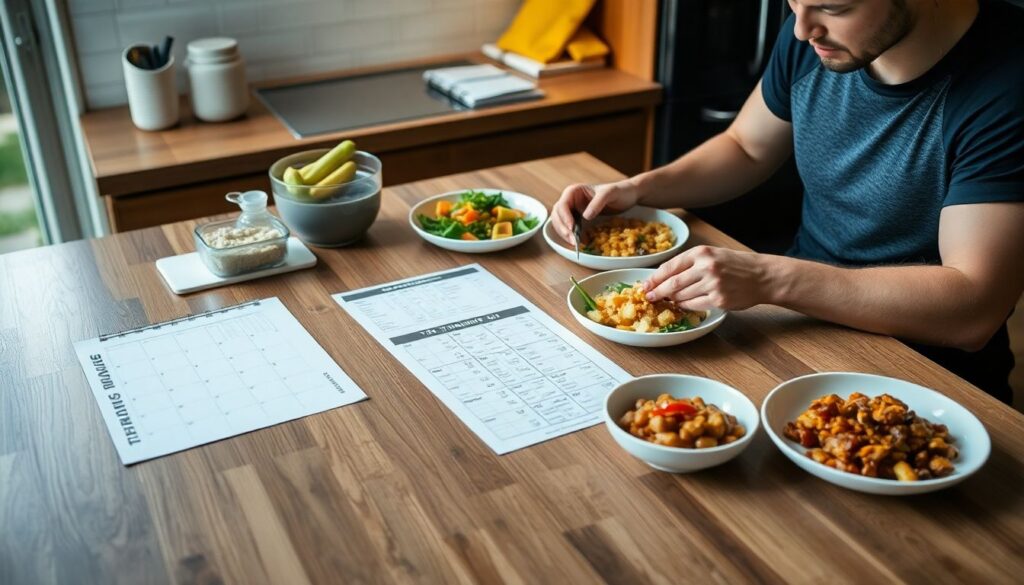
Use this checklist to see whether your nutrition matches the current phase of your training and competition calendar.
- You consciously eat a bit more total food and especially carbohydrates on days with long or double sessions, and slightly less on rest or light days.
- You adjust pre‑training meal size according to session type: lighter and easier to digest before high‑intensity or wrestling drills, slightly heavier before strength workouts.
- You plan match‑day food well in advance and do not experiment with completely new dishes or supplements before important competitions.
- You schedule regular, balanced meals in general preparation periods and accept that body weight may slowly shift while building capacity.
- You use lighter evening meals and more vegetables during taper weeks to feel fresh, avoid unnecessary heaviness, and support sleep.
- You maintain at least one solid recovery meal even during travel or exam weeks instead of relying only on snacks and fast food.
- You adjust fat intake slightly downward during very intense training blocks to allow more room for carbohydrates without uncomfortable fullness.
- You review your food choices and body responses at the end of each mesocycle and tweak one or two habits instead of changing the whole approach.
Practical Meal Plans and Quick Recipes (includes comparative table)
These are the most common mistakes athletes make when trying to follow structured meal plans for professional athletes in Turkey and simple ways to avoid them.
- Skipping pre‑training meals entirely and then overeating late at night, leading to poor energy during sessions and heavy sleep.
- Using only shakes instead of meals, which can leave you hungry, disrupt digestion, and disconnect you from real food portions.
- Relying on deep‑fried fast food for quick calories, which often causes stomach upset during running and wrestling.
- Ignoring vegetables and fruit, which increases risk of illness, constipation, and feeling slow or “heavy”.
- Copying a teammate’s cutting diet without considering your own weight‑class, position, and training volume.
- Adding many supplements at once because of social media trends, making it impossible to see what actually helps.
- Not preparing simple snacks for travel, so you arrive at matches under‑fuelled or forced to eat whatever is available at petrol stations.
- Never adapting portions between in‑season and off‑season, leading either to unnecessary fat gain or chronic under‑fueling.
Sample Daily Plan: Football vs Wrestling by Recovery Phase
| Sport & Phase | Breakfast | Main Pre‑Training Meal | Post‑Training Snack | Evening Meal |
|---|---|---|---|---|
| Football – Day after match (light recovery) | Menemen with bread, olives, tomatoes, cucumbers, a small portion of white cheese, herbal tea or water. | Rice or pasta, grilled chicken, mixed salad with olive oil, yogurt. | Fruit salad with yogurt or flavored milk. | Bulgur pilav, baked fish, seasonal vegetables, a slice of whole‑grain bread. |
| Wrestling – Heavy sparring day | Oatmeal cooked with milk, topped with banana and a few nuts; water or weak tea. | Bulgur pilav, grilled meatballs or beans, salad with lemon, ayran. | Banana or dried fruit plus a protein shake or yogurt drink. | Potato or rice, roasted chicken, mixed vegetables; small bowl of yogurt. |
| Wrestling – Weight‑control taper day | Boiled eggs, cucumber, tomato, small portion of white cheese, one slice of bread. | Smaller serving of rice or bulgur, grilled fish or chicken breast, large salad with lemon. | Apple or orange; herbal tea. | Vegetable‑based soup, lean meat or legumes, salad; no extra bread if weight is tight. |
Use the table as a template and rotate different Turkish staples (lentil soup, kuru fasulye, grilled köfte, manti in moderation) to avoid boredom while maintaining the structure.
Monitoring, Metrics and How to Adjust Intake
When structured “textbook” plans do not fit your life or you want simpler alternatives, these options still keep you aligned with the best diet for peak athletic performance.
Alternative 1: Hand‑Based Portion System
Instead of weighing food, use your hand as a guide: palm‑sized portions of protein, cupped hands for carbohydrates, thumb for fats, and a generous amount of vegetables. Increase or decrease one “hand portion” at a time based on training load and body changes.
Alternative 2: Hunger and Energy Log

Keep a brief note of when you feel hungry, how you perform in training, and your mood during the day. If you feel heavy and sluggish, slightly reduce pre‑training meal size; if you often feel weak or dizzy, add an extra snack or slightly increase carbohydrates at the previous meal.
Alternative 3: Weekly Performance and Body Feedback Review
Once a week, review training notes, body weight trend if you track it, and simple markers like sleep quality, soreness, and digestive comfort. Adjust only one or two elements (like pre‑training carbs or late‑night snacks) and keep the rest of your routine stable.
Common Practical Concerns and Quick Fixes
How can I eat well if I train late at night?
Have a balanced meal two to three hours before training, a light carb‑plus‑protein snack right after, and then a smaller, easy‑to‑digest meal at home. Avoid very fatty and spicy foods late so your sleep is not disturbed.
What if I cannot cook and rely on takeaways?
Choose grilled over fried options, add salads or vegetables to every order, and keep yogurt, fruit, nuts, and whole‑grain bread at home. You can still build solid meal plans for professional athletes by combining smarter takeaway choices with simple fridge staples.
Do I really need supplements to perform at a high level?
Many athletes can reach strong performance with food alone, especially in Turkey where dairy, legumes, and fresh produce are widely available. Use supplements mainly to cover proven gaps, and seek a sports nutritionist consultation online if you are unsure what is necessary.
How should I eat on rest days?
Keep protein and vegetables similar to training days but slightly reduce portion sizes of rice, bread, pasta, and other starchy foods. Maintain regular meal timing so recovery continues and you do not become overly hungry the next day.
What is the simplest way to start improving my diet?
First, stabilise meal timing: breakfast, lunch, pre‑training, post‑training, and dinner. Then, at each meal, ensure you have a clear source of carbohydrates, protein, and colour from vegetables or fruit before worrying about more advanced strategies.
Is it safe to order supplements from any online shop?
Stick to reputable platforms and well‑known brands, read labels carefully, and avoid products making extreme promises. When in doubt, ask your team doctor or get quick advice through a sports nutritionist consultation online before you buy sports supplements online Turkey.
How do I adjust when my training schedule changes suddenly?
Match food to the new plan: more total food and carbohydrates when training volume goes up, and slightly less when it drops. Keep hydration, vegetables, and protein consistent so recovery stays stable.