Historical background: why penalties matter so much in Turkey
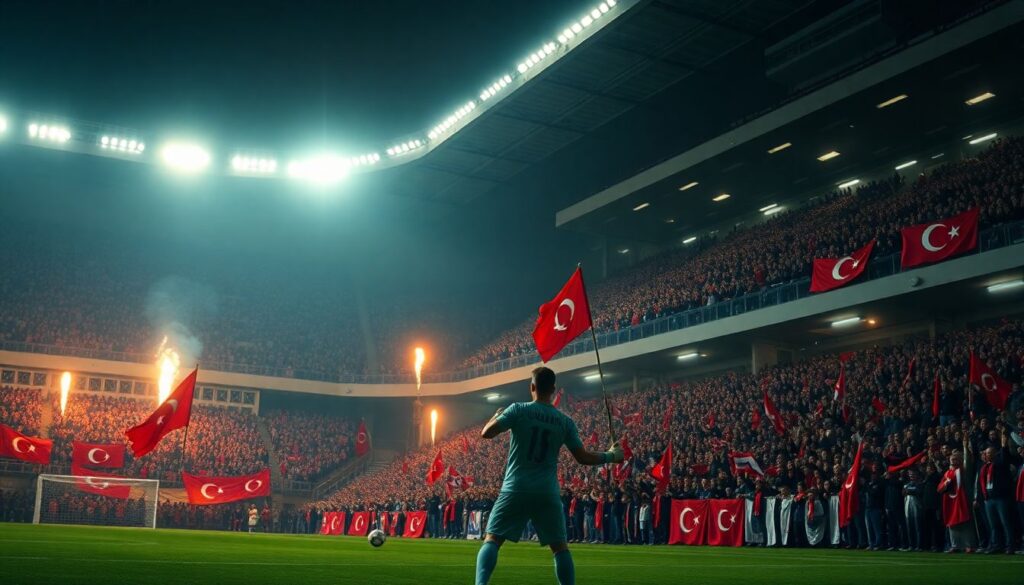
Penalty shootouts in Turkey have a slightly different emotional weight than in many other countries. Stadiums are loud, fans are intense, and keepers grow up knowing that one saved kick can turn them into local legends overnight. From the heated derbies in Istanbul to dramatic European nights, Turkish goalkeepers have been forged in atmospheres where pressure feels almost physical. This constant exposure to high‑stakes moments created a culture in which mental toughness is treated not as a bonus, but as a basic requirement for anyone dreaming of standing between the posts.
From street games to structured psychology work
Many Turkish keepers start in chaotic small‑sided games, where there’s no time to overthink and every shot feels like a mini‑penalty. Later, more formal goalkeeper psychology training for penalty shootouts builds on this raw experience. Coaches often simulate crowd noise, trash talk and long walk‑ups from the spot to copy real stressors. The idea is simple: if a young goalkeeper repeatedly survives controlled discomfort, the drama of a cup final becomes just another situation the brain has already “seen” and handled before.
Core psychological principles behind penalty saves
At the heart of Turkish approach are three pillars: routine, perception of control and emotional regulation. A keeper’s pre‑shot routine—breath, stance, gaze—is drilled until it becomes automatic, so the mind has less room for doubt. Perception of control comes from detailed prep: studying shooters, agreeing clear plans, trusting your own read. Emotional regulation uses breathing and self‑talk to drop arousal from panic to sharp alertness. Put together, these principles turn a chaotic lottery into a structured problem the brain actually knows how to solve.
What academies actually train, beyond dives and jumps
Modern Turkish goalkeeper coaching academy staff no longer rely only on reflex drills. Many include sports psychologists or at least mentally informed coaches. Typical penalty save training programs for goalkeepers now combine video work, decision‑making drills and stress games with punishments or rewards. Goalkeepers learn to read body cues, adjust starting positions and commit at the last possible moment. Crucially, they also rate their own emotions after each series to notice patterns: when they feel rushed, when they hesitate, and what inner dialogue leads to better reactions.
Practical routines any keeper can steal
You don’t need an elite club to borrow some Turkish‑style tricks. Before penalties, keepers can build a mini “mental script” lasting 5–8 seconds:
– one deep controlled breath
– quick visual check of run‑up and hips
– short cue word like “wait” or “explode”
– decisive step into the chosen direction
Adding online mental coaching for football goalkeepers helps refine this script. Remote sessions can walk you through imagining hostile crowds, unfair refereeing or previous misses, so your brain rehearses calm responses long before a real shootout.
Gear, environment and the feeling of invincibility
Psychology also hides in details that seem purely physical. The best goalkeeper gloves for penalty shootouts give not just grip but confidence; if a keeper trusts their hands, they dare to attack the ball instead of waiting on the line. Many Turkish goalkeepers are almost theatrical before a kick: strong posture, direct eye contact, deliberate movements. This is not random showboating. It’s a psychological message to both sides—“I’m ready; you’re the one under pressure”—which subtly shifts the mental balance in their favour.
Case studies: how Turkish keepers use mind games
Watch famous Turkish penalty specialists and you’ll notice recurring tricks. Some delay their final stance, forcing the taker to stand and think a bit longer. Others point to one corner, then explode to the other, having planted doubt seconds earlier. Common elements include:
– controlling tempo between whistles and shots
– using small movements to block the kicker’s focus
– keeping body language consistent after goals or saves
By treating every kick as feedback, not drama, they stay curious instead of anxious. That mindset allows quick adjustment from one penalty to the next.
Frequent myths that hold goalkeepers back
Several misconceptions still circulate in dressing rooms. The first: “Penalties are pure luck.” Luck exists, but repeatable mental habits clearly tilt the odds. Second myth: “You either have nerves of steel or you don’t.” In reality, calm under pressure is trainable through gradual exposure, just like speed or strength. Third: “Only big clubs can work on psychology.” Even grassroots keepers can run simple mental drills, use video, and adopt structured routines. The gap is often not resources, but willingness to treat the mind as seriously as any other part of training.