
How a “Volleyball Country” Was Born Almost Overnight
If you watched Turkey at EuroVolley 2023 or the Volleyball Nations League, it might feel like the turkish women’s national volleyball team appeared from nowhere and suddenly started beating everyone. In reality, this “overnight success” has a 20‑year backstory: heavy investment in youth academies, foreign coaches who weren’t afraid to break habits, and a federation that treated women’s volleyball as a national project, not a side gig. Clubs like VakıfBank, Eczacıbaşı and Fenerbahçe built almost laboratory‑style environments where teenage setters ran the same advanced systems as adults. So when names like Ebrar Karakurt or Melissa Vargas hit the senior team, they didn’t look like rookies – they looked like players imported from the future.
From Underdogs to World No. 1
The real plot twist came in 2023. Turkey won the Volleyball Nations League, then took gold at the European Championship, beating powerhouses like Italy, Serbia and Poland, and climbed to No. 1 in the FIVB rankings for the first time. That’s not just a nice headline; ranking points come from a cold algorithm that punishes every bad set. To sit on top, you must be consistently good across years, continents and pressure levels. The Turkish team did this with a core that mixed veterans like captain Eda Erdem with fearless attackers and a rotation that didn’t collapse when the bench came in – a sign of scary‑deep depth, not just a lucky generation.
Why Their Game Looks So Fast (Even on TV)
Watch one rally and you’ll notice: Turkey’s offense looks like it runs on fast‑forward. That’s not just talent; it’s architecture. Their setters use ultra‑fast tempo balls to the pins, often so low and quick that blockers barely form a complete triple block. To make it work, the first touch must be laser‑precise, so liberos and defensive specialists are trained to pass not just “in system”, but into micro‑windows where the setter can decide between three options with almost no tell. On TV, it feels like chaos. In reality, it’s closer to a scripted play with three alternate endings, all rehearsed hundreds of times until they feel like instinct.
Technical breakdown: offensive system
Turkey leans on a modern 5–1 system with a pace that’s closer to men’s volleyball than the women’s game of 15 years ago. The middle attacks (quick 1s and slides) are timed to freeze blockers for a fraction of a second, just enough for the outside hitters to exploit single blocks or late double blocks. Opposing coaches complain that scouting is a nightmare: the same serve‑receive formation can produce a fast pipe, a back‑row swing to Vargas or a sharp quick to the middle without a visual cue until the ball leaves the setter’s hand. That unpredictability, repeated over five sets, chips away at defensive discipline and mental stamina of even elite teams.
The Culture Shift: From “Nice Result” to “We’re Here to Win”
The biggest change, though, is mental. For years, Turkish players talked about being “happy to be here” at major tournaments. That rhetoric is gone. Now they speak openly about titles, medals and world ranking, and – crucially – the federation and public back them when they miss. Losing a final no longer triggers a witch hunt; it triggers analysis. That might sound basic, but it’s exactly what separates a one‑off Cinderella story from a long‑term contender. When players know that one bad match won’t erase four good years, they’re more likely to risk a sharp serve at 23:23 instead of floating it in “not to lose.”
Technical breakdown: pressure training
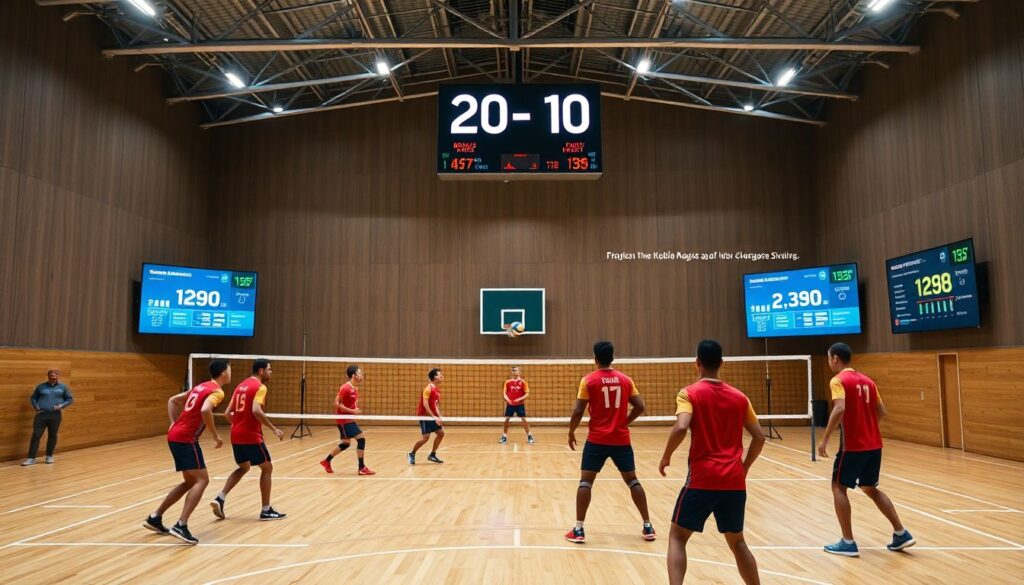
Inside top Turkish clubs, scrimmages are often built around artificial stress: start the set at 20:20, give a bonus point for an ace, or punish free balls to force aggressive decisions. Video analytics highlight not only errors, but the courage index: what choices a player makes at high pressure versus low pressure. Coaches then adjust training so that “clutch” is not a personality trait, but a skill drilled through repetition. By the time these athletes join the national team, late‑set aggression is not an exception – it’s the default response to stress, which partly explains Turkey’s comeback wins in tight matches.
Fans, Jerseys and the Birth of a New Sports Brand
Success in sport today is also a business story. The Sultans of the Net turned from a niche obsession into a national brand: arenas sell out, and kids in small Anatolian towns copy Ebrar’s left‑handed swing on dusty outdoor courts. Demand for turkish women’s national volleyball team jerseys exploded after the 2023 summer: replicas with Erdem, Vargas or Gabi (at club level) became status symbols not just in Istanbul, but across Europe and even in the US volleyball community. This isn’t just about fashion; it’s about representation. Young girls see that you don’t have to be a football star to be on billboards and in shop windows anymore.
How to Be More Than a Spectator
If you want to move from passive fan to part of the movement, start with showing up. When you buy turkey women’s volleyball team tickets, you’re not only reserving a seat; you’re voting with your wallet for what kind of sport ecosystem you want to exist. Loud arenas affect outcomes – serving under a wall of noise in Ankara is a different experience from a half‑empty neutral venue. Inspired by this, some local communities in Europe and the Middle East organize “away day” trips whenever the Turkish team plays near them, turning random neutral grounds into mini‑home games draped in red and white, complete with drums and improvised chants.
Merch, But Make It Meaningful
The boom in turkish women’s volleyball team merchandise could easily have turned into a shallow cash‑grab. Instead, there are signs of a smarter approach. Limited collections that celebrate specific milestones – like the 2023 European title or qualification for Paris – create emotional anchors, not just products. Smart fans use this moment to push for sustainable gear: recycled fabrics, transparent production chains, collaborations with local designers who actually follow the team. If brands lean into this, each hoodie or scarf can double as a conversation starter about women in sport, not just another item that ends up forgotten in a drawer after one season.
Planning Around the 2024 Calendar Like a Pro
The Turkey women’s national volleyball team schedule 2024 tickets are already a hot topic in fan chats, and there’s a reason to think strategically. Instead of randomly picking any match, look at the context: early‑phase tournament games are great for relaxed, family‑friendly atmospheres and cheaper seats; knockout rounds or clashes with Italy, Serbia or USA deliver maximum intensity, but also demand earlier booking and thicker nerves. Some die‑hard supporters treat the calendar like a festival line‑up, choosing one “big stage” match and one “hidden gem” group game to see up close how the team warms up, interacts, and manages a less hostile environment.
Technical breakdown: how to read the schedule
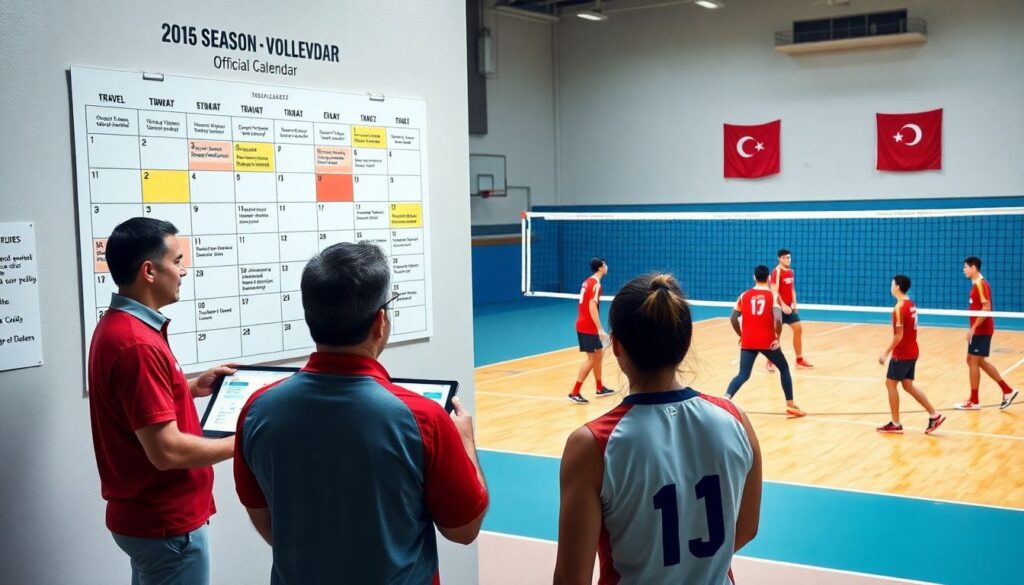
When the official calendar drops, don’t just read dates. Check travel days, rest days and opponent styles. Back‑to‑back matches against heavy‑serving teams, for instance, might push Turkey into longer rallies and more rotation changes, which is fascinating to watch live if you love tactical tweaks. Also note where the team is likely to experiment with line‑ups – early pool games versus lower‑ranked opponents often feature different setters or middles. Planning your trip around those can feel like getting a behind‑the‑scenes pass to the coaching staff’s thinking rather than just attending a final where line‑ups are mostly locked.
Fan Shops as Community Hubs, Not Just Cash Registers
A modern turkish women’s national volleyball team fan shop shouldn’t be just shelves of shirts and mugs. The most interesting projects turn fan spaces into micro‑communities: mini courts for kids, clinics with retired players, live match screenings where analysts break down plays in real time. Imagine walking into a store in Istanbul or Ankara where, next to the jerseys, you can book a “serve speed test,” get basic jumping mechanics evaluated, or attend a Q&A with a libero about reading hitters. These experiences keep fans engaged between tournaments and, more importantly, connect the emotional high of watching a final with the slower grind of actually learning the sport.
What Other Countries – and Clubs – Can Copy
The rise of the Turkish women’s team isn’t a magic trick reserved for one nation. There are replicable elements: aligning club and national‑team systems so youth players learn compatible terminology and rotations; investing in data staff as seriously as in star players; and making women’s volleyball central to the national sports identity instead of an afterthought. On a smaller scale, even semi‑pro clubs can borrow the idea of pressure‑based training, clear pathways from junior teams to the first squad, and honest communication about goals. The key ingredient isn’t money alone; it’s coherence – decisions at every level pointing in the same direction for a decade, not just one Olympic cycle.
Non‑Obvious Ideas to Push the Story Further

To keep this rise from plateauing, Turkey could try a few unconventional moves. One is building an open data platform where anonymized match stats, training drills and physical benchmarks are shared with grassroots coaches across the country, shrinking the knowledge gap between Istanbul powerhouses and small regional clubs. Another is co‑creating content with players where they show complete “failed” rallies, not only highlights, explaining what went wrong and how they fixed it next time. That demystifies elite performance and quietly teaches thousands of young setters and hitters watching on their phones. When the national team becomes not just an inspiration, but an informal online academy, “serving for glory” turns into a literal roadmap for the next generation.